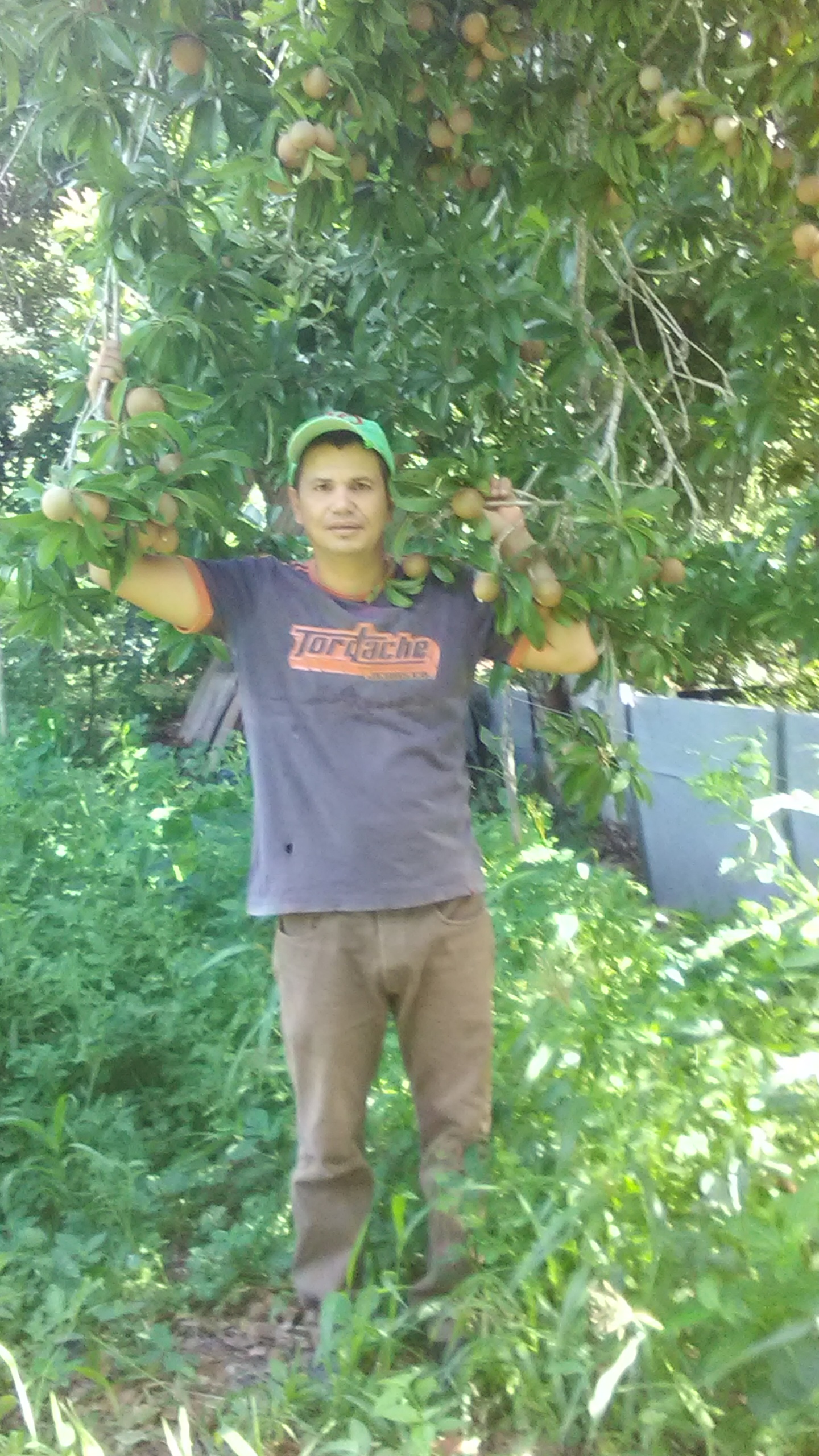
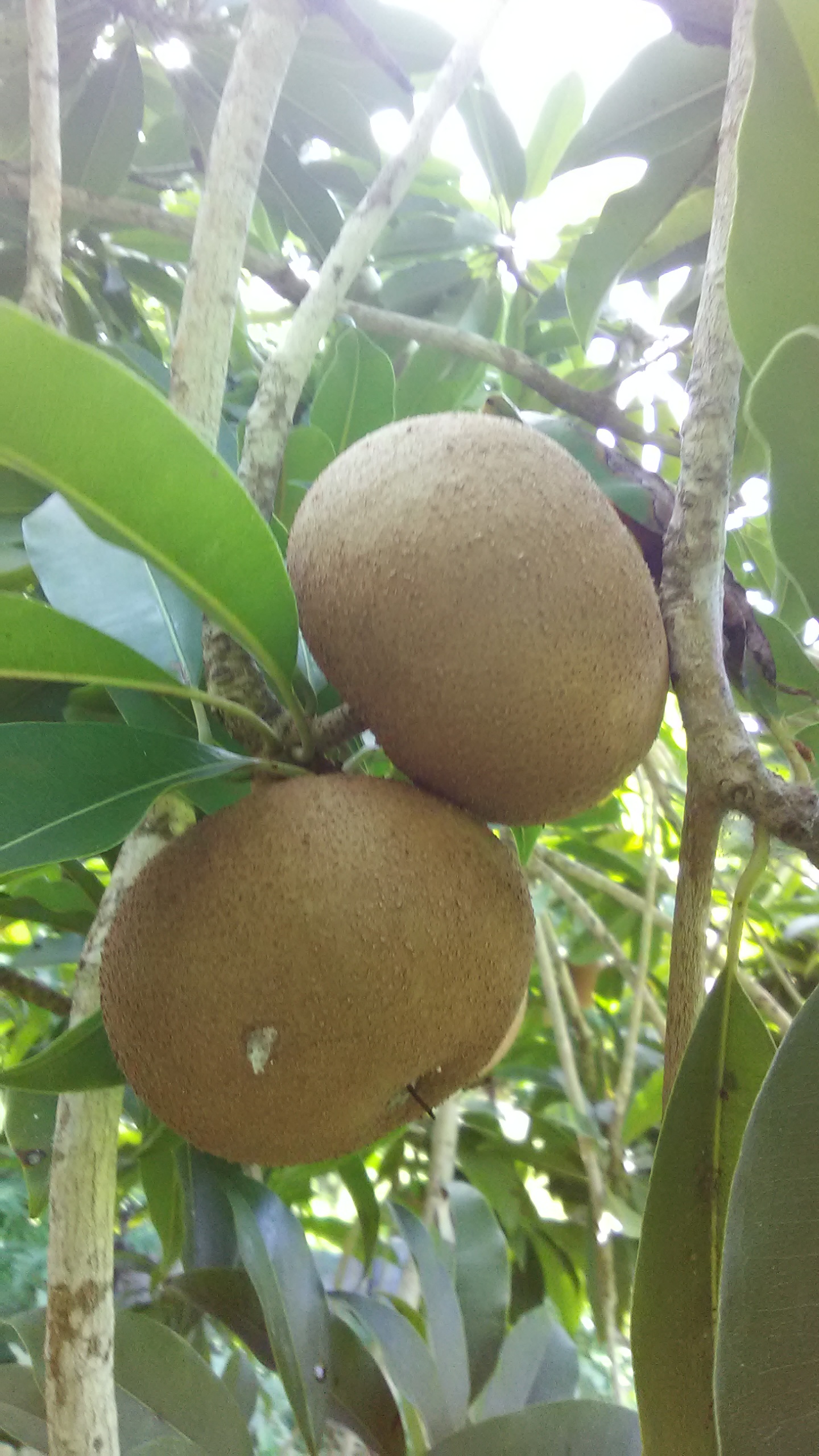
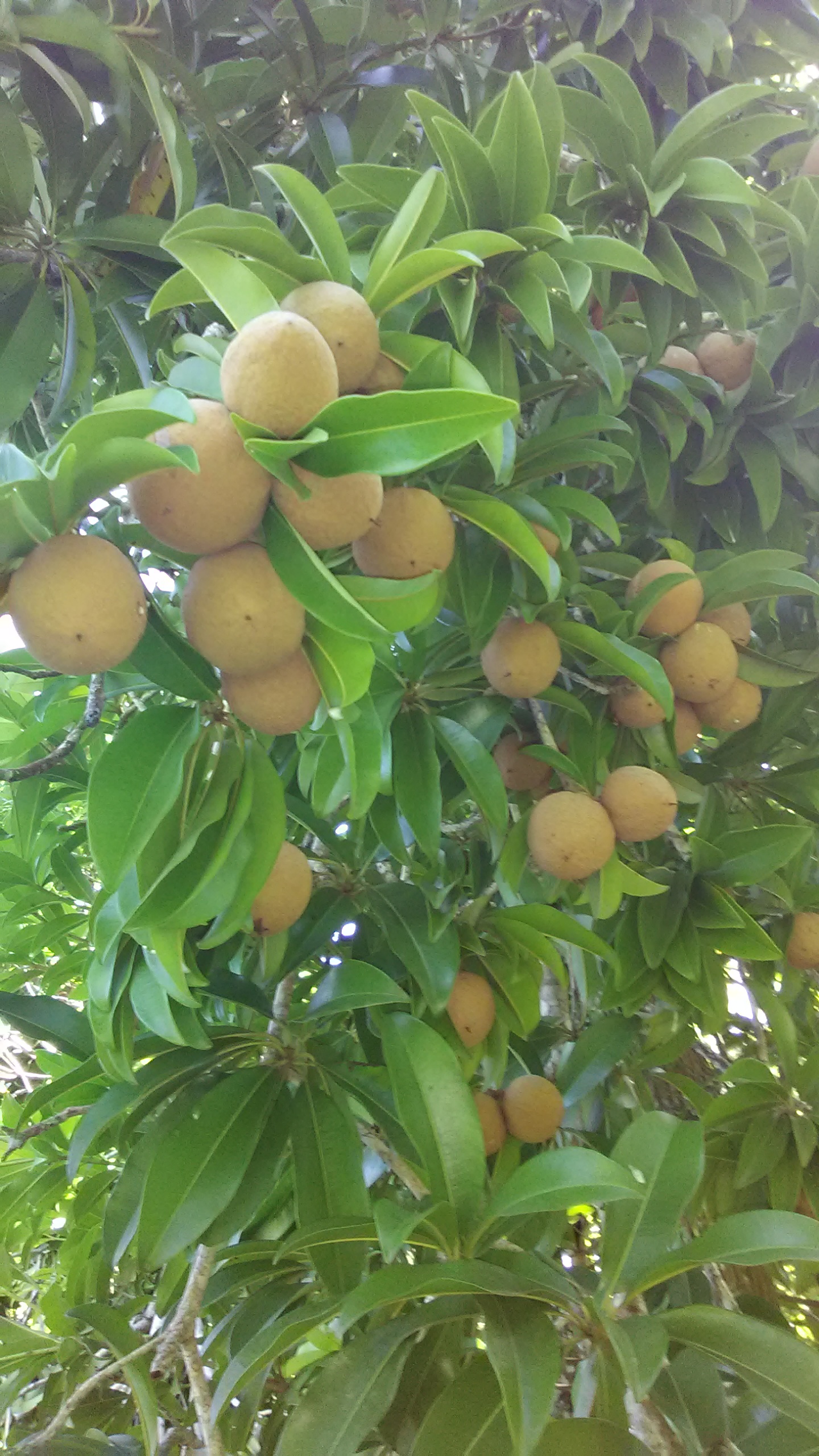
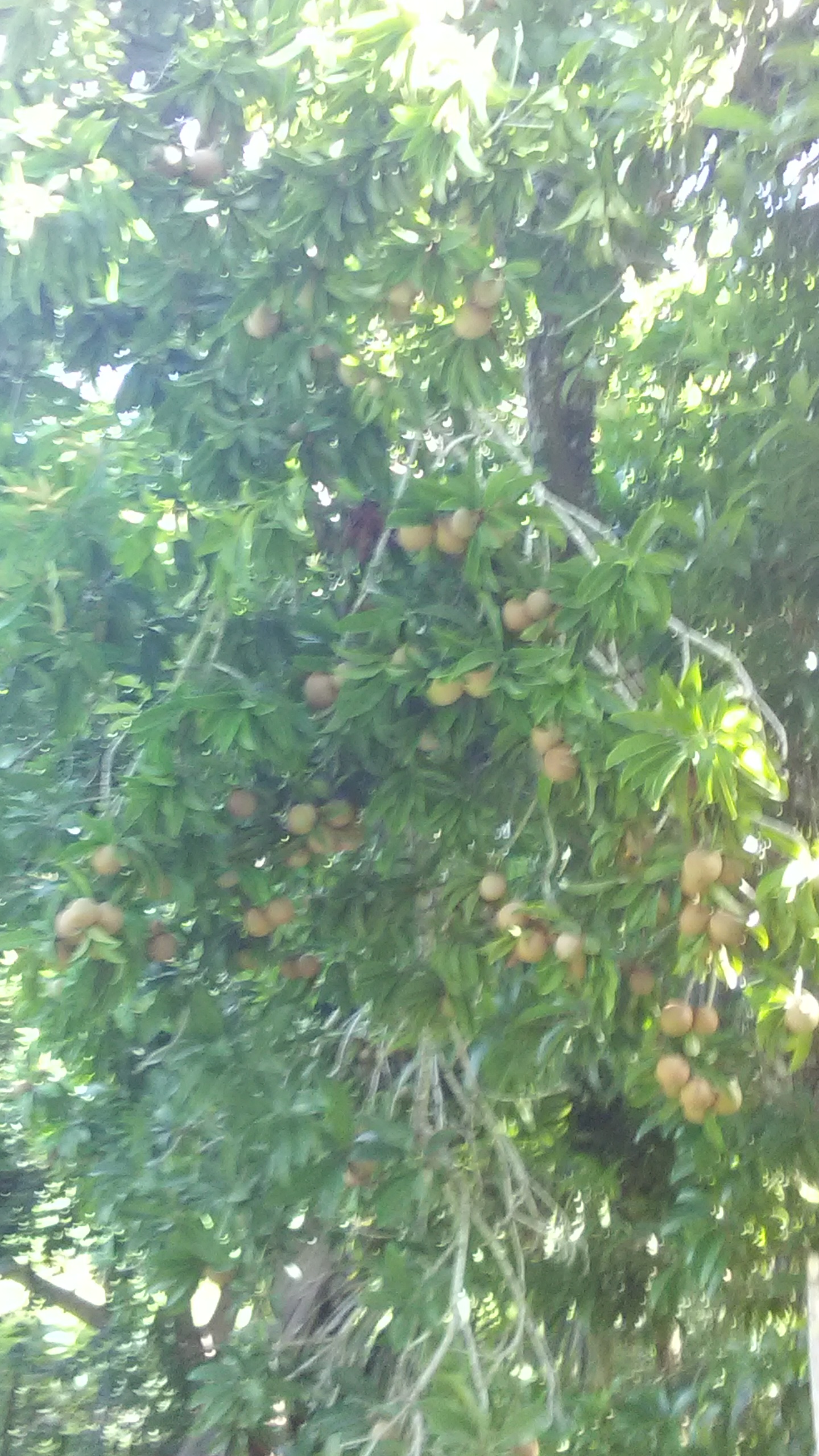
Loquat in my plot. Margarita Island (Venezuela).
Today I want to share with you this loquat plant loaded with it on my plot. The loquat, It is a tree of the Rosaceae family. The loquat has edible pulp has a color between white and orange and is very aromatic, fleshy, with an intense sweet taste although somewhat acidic. Originally from China, it adapts around the world with excellent qualities, for example, the Japanese medlar. Although rich in sugar, it is low in calories (about 50 calories per 100 grams). It stands out in its components: potassium and in smaller quantities, magnesium, calcium and iron. Small amounts of vitamins of group B and C. Loquat, like many fruits has antioxidant value and properties. It also contains soluble fiber (pectins), tannins, astringent substances and numerous aromatic substances such as organic acids (citric, tartaric and malic) abundant in its pulp. It is popularly indicated that it helps to expel bladder stones if mixed with radish bark. It would be best to eat fresh loquats. In ice cream, desserts and smoothies it combines very well. Also an excellent jam comes out. Combine well with bananas and condensed milk to make sweet desserts and ice cream. The loquat stands out for its pectin content, a type of soluble fiber, which exerts various organic functions, which makes it an interesting fruit in different situations or diseases. Soluble fiber retains water, swells in the stomach forming a gel, which reduces the rate of gastric emptying and produces a feeling of fullness, very useful for people who follow weight loss diets. Pectin is attributed beneficial effects in case of diarrhea because it slows intestinal transit, by retaining water.
To this is added the richness in loquat tannins (more abundant in its juice), substances with astringent and anti-inflammatory properties. The tannins dry and deflate the intestinal mucosa (layer that covers the inside of the digestive tract), so that the consumption of mature medlars is effective in the treatment of diarrhea. On the other hand, pectin increases the pH (decreases acidity) when the acid is well mixed and neutralized with food and the fiber itself, so that the consumption of mature medlars is indicated in case of gastrointestinal disorders (delicate stomach, gastritis , gastroduodenal ulcer, etc). To the richness in pectin, citric, tartaric and malic acids abundant in its pulp are joined, which exert on the mucous regulatory and toning actions. Also, fiber helps reduce blood cholesterol rates and good blood sugar control (blood sugar levels), so that the consumption of loquats is beneficial in case of hypercholesterolemia and diabetes. The loquat varieties with the most pronounced flesh are not a negligible source of beta-carotene, a substance with antioxidant properties, so the consumption of these varieties helps reduce the risk of degenerative, cardiovascular and even cancer.
The loquat, given its high content of potassium and organic acids, is a good diuretic, increases urine production and facilitates the removal of sandstones and sediments of uric acid from the kidneys, so it is especially indicated in case of gout, excess of uric acid, uric acid stones, hypertension. To those who take diuretics that eliminate potassium and to people with bulimia; Due to the episodes of self-induced vomiting that cause large losses of this mineral, they benefit from the consumption of these fruits. However, its consumption should be taken into account by people suffering from renal insufficiency and who require special controlled diets in this mineral. Nutritional properties Sugars, fructose and glucose are the most abundant substances after water, and provide you with a moderate caloric intake and a particular sweet taste. In general, the vitamin content is quite low, and highlights, although in very discrete amounts, provitamin A or beta-carotene and thiamine. As for minerals, loquat provides significant amounts of magnesium and calcium (worse assimilation than that of dairy or other foods rich in this mineral), although the most abundant mineral is potassium. It stands out for its richness in fiber, pectin mainly, as well as tannins, astringent substances and numerous aromatic substances such as organic acids (citric, tartaric and malic) abundant in its pulp, on which various properties attributed to it depend. Beta carotene is transformed into vitamin A in our body as it needs it. This vitamin is essential for vision, good condition of the skin, hair, mucous membranes, bones and for the proper functioning of the immune system, in addition to having antioxidant properties. Potassium is a mineral necessary for the transmission and generation of nerve impulse and for normal muscle activity, it is involved in the balance of water inside and outside the cell. Citric acid and malic acid have a disinfectant action and alkalize the urine. Citrus also enhances the action of vitamin C.
https://www.venelogia.com/archivos/6301/