Telegram, Durov e il dilemma della Privacy: sicurezza o sorveglianza? / Telegram, Durov and the Privacy dilemma: security or surveillance? [ITA/ENG]
Ciao a tutti amici e amiche di Italy e di Steemit.
Negli ultimi giorni il nome di Pavel Durov, fondatore di Telegram, è tornato al centro delle notizie dopo le accuse mosse dall’FSB russo.
Secondo l’FSB russo, Durov sarebbe accusato di aver favorito attività terroristiche attraverso Telegram.
Sappiamo che Telegram da anni è al centro di tensioni con diversi governi perché difende la privacy degli utenti e non sempre rimuove contenuti o fornisce dati con la rapidità richiesta dalle autorità.
Da una parte, i governi sostengono di aver bisogno di strumenti per contrastare terrorismo, pedopornografia, truffe e criminalità organizzata. Dall'altra, Telegram sostiene che indebolire la privacy di tutti gli utenti per facilitare le indagini sarebbe un prezzo troppo alto.
Comunque, al di là del caso specifico su Durov, che dovrà essere valutato sulla base di fatti e prove, c'è da chiedersi quanto controllo siamo disposti ad accettare in cambio di maggiore sicurezza?
Prima dell’esistenza di Telegram, dei social network e delle app di messaggistica, esistevano già criminali, terroristi e organizzazioni illegali. Le persone comunicavano comunque: attraverso telefoni, incontri privati, reti clandestine.
La tecnologia non ha creato questi problemi.
Ha semplicemente cambiato il modo in cui le persone comunicano.
Oggi però le piattaforme digitali hanno un ruolo enorme nelle nostre vite e questo ha portato molti governi a chiedere maggiori strumenti di controllo.
La motivazione è comprensibile: combattere terrorismo, criminalità e abusi online.
Però mi chiedo se per fermare una minoranza di persone che usa male la tecnologia, è giusto aumentare la sorveglianza su miliardi di cittadini comuni?
La privacy viene spesso vista come qualcosa da difendere solo quando si ha "qualcosa da nascondere".
Ma la privacy non significa nascondere attività illegali.
Significa avere uno spazio personale.
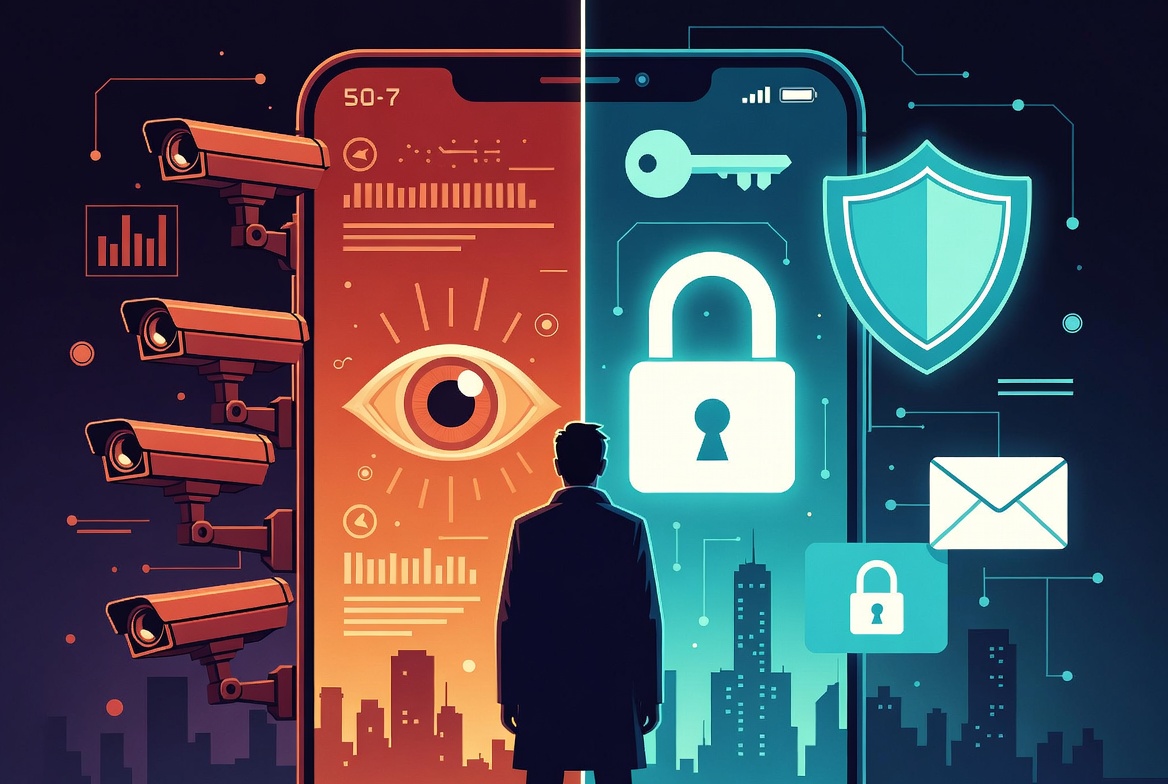
Nessuno accetterebbe una telecamera in ogni stanza della propria casa con la motivazione che potrebbe aiutare a trovare dei criminali.
Nel mondo digitale il confine è più difficile da vedere, perché spesso cediamo informazioni personali poco alla volta, senza renderci conto del loro valore.
Ed è proprio qui che nasce il grande dibattito: sicurezza e libertà possono convivere senza che una diventi il sacrificio dell'altra?
E Telegram è diventato uno dei simboli di questa discussione perché rappresenta una visione in cui la comunicazione privata deve rimanere privata.
I governi, invece, sostengono che senza strumenti adeguati alcune indagini diventano impossibili.
La sfida sarà trovare un equilibrio.
Perché una società sicura è importante, ma anche una società libera.
Non si tratta di scegliere tra sicurezza e privacy.
Si tratta di capire quale prezzo siamo disposti a pagare per entrambe.
Insomma, chi deve avere il controllo finale sui nostri dati, sui nostri soldi e sulla nostra identità digitale?
E in tutto questo frastuono, GRAM (il token dell'ecosistema The Open Network - TON) è sceso di prezzo, perché gli investitori temono possibili conseguenze sull'ecosistema.
Purtroppo, quando una criptovaluta è molto legata all'immagine di una singola persona, le vicende personali del fondatore possono influenzarne il prezzo, anche se la tecnologia sottostante continua a funzionare normalmente.
Ma sappiamo che il sentiment nel mondo crypto è spietato.
Grazie per aver letto il mio post.
Hi everyone, friends from Italy and Steemit!
In recent days, the name of Pavel Durov, the founder of Telegram, has returned to the spotlight after the accusations made by the Russian FSB.
According to the Russian FSB, Durov is accused of having facilitated terrorist activities through Telegram.
We know that Telegram has been at the center of tensions with several governments for years because it defends users' privacy and does not always remove content or provide data as quickly as authorities request.
On one side, governments argue that they need tools to fight terrorism, child exploitation, scams, and organized crime. On the other side, Telegram argues that weakening the privacy of all users to make investigations easier would be too high a price to pay.
However, beyond the specific case involving Durov, which will have to be evaluated based on facts and evidence, there is a broader question we should ask:
How much control are we willing to accept in exchange for greater security?
Before Telegram, social networks, and messaging apps existed, criminals, terrorists, and illegal organizations already existed. People communicated anyway: through phones, private meetings, and underground networks.
Technology did not create these problems.
It simply changed the way people communicate.
Today, however, digital platforms play a huge role in our lives, and this has led many governments to demand greater control tools.
The motivation is understandable: fighting terrorism, crime, and online abuse.
But I wonder: to stop a minority of people who misuse technology, is it right to increase surveillance over billions of ordinary citizens?
Privacy is often seen as something to defend only when you have "something to hide."
But privacy does not mean hiding illegal activities.
It means having a personal space.
Nobody would accept a camera in every room of their home with the justification that it could help find criminals.
In the digital world, the boundary is harder to see because we often give away personal information little by little, without realizing its value.
And this is where the great debate begins:
Can security and freedom coexist without one becoming the sacrifice of the other?
Telegram has become one of the symbols of this discussion because it represents the idea that private communication should remain private.
Governments, on the other hand, argue that without adequate tools, some investigations become impossible.
The challenge will be finding a balance.
Because a safe society is important, but a free society is important too.
It is not about choosing between security and privacy.
It is about understanding what price we are willing to pay for both.
In the end, who should have the final control over our data, our money, and our digital identity?
And in the middle of all this noise, GRAM (the token of The Open Network (TON) ecosystem) has dropped in price, as investors fear possible consequences for the ecosystem.
Unfortunately, when a cryptocurrency is strongly linked to the image of a single person, the founder’s personal events can influence its price, even if the underlying technology continues to work normally.
But we know that sentiment in the crypto world can be ruthless.
Thanks for reading my post.
.jpg)
| NON PERDERTI IL NUOVO GIOCO SULLA BLOCKCHAIN DI STEEM | .gif) | |
| I'm part of ITALYGAME Team with: @girolamomarotta, @sardrt, @mad-runner, @frafiomatale, |  | |
Chi ha il controllo può fare tutto. Più controllo ha uno Stato e più cose può fare... può sistemare le cose, può fregarci oppure fare entrambi le cose contemporaneamente. Prendiamo ad esempio l'Italia. Si sta facendo la lotta all'evasione fiscale e qualche risultato positivo sembra che si sia ottenuto, ma quanti di noi sanno dove vanno veramente le nostre tasse? Nessuno.
Concludo:
Nessuno può dire con certezza se il maggior controllo da parte della privacy produca benefici oppure no.
Magari benefici ce ne sono, ma il prezzo è troppo alto. Ormai siamo abituati a non curarci della nostra privacy, guarda i social come facebook per esempio, ma qui si tratta dello Stato che avrebbe il pieno controllo dei propri cittadini.
Potremmo arrivare un giorno, ad un punto tale che potrebbe essere pericoloso addirittura esprimere la propria opinione.
A me spaventa molto.
Hai ragione, hai fatto un’ottima osservazione. Effettivamente potremmo arrivare ad un punto che il controllo possa essere così ampio che potremmo avere paura ad esprimere la nostra opinione
Upvoted! Thank you for supporting witness @jswit.
Thank you for sharing on steem! I'm witness fuli, and I've given you a free upvote. If you'd like to support me, please consider voting at https://steemitwallet.com/~witnesses 🌟
This post has been upvoted by @italygame witness curation trail
If you like our work and want to support us, please consider to approve our witness
Come and visit Italy Community