Dos semanas de dolor y reconstrucción. [Esp+Eng] Two Weeks of Pain and Reconstruction.
(English version below).
Hoy, miércoles 8 de julio, se cumplen dos semanas desde el terremoto que cambió la vida de tanta gente en Venezuela. Y también se cumple el lapso de luto nacional decretado por el gobierno actual, un tiempo que, más allá de lo simbólico, ha sido una pausa para acompañar el dolor, honrar a las víctimas y empezar a pensar en la reconstrucción con algo de orden y humanidad.
La verdad es que todavía no se siente como una historia cerrada. Siguen las labores de remoción de escombros, continúan las inspecciones en edificios con grietas y fracturas, y todavía hay riesgo de colapso en algunas estructuras que quedaron muy comprometidas. Mientras tanto, hay familias que siguen buscando a los suyos, personas desaparecidas, gente en refugios y comunidades enteras tratando de sostenerse en medio de una rutina que quedó partida en dos.
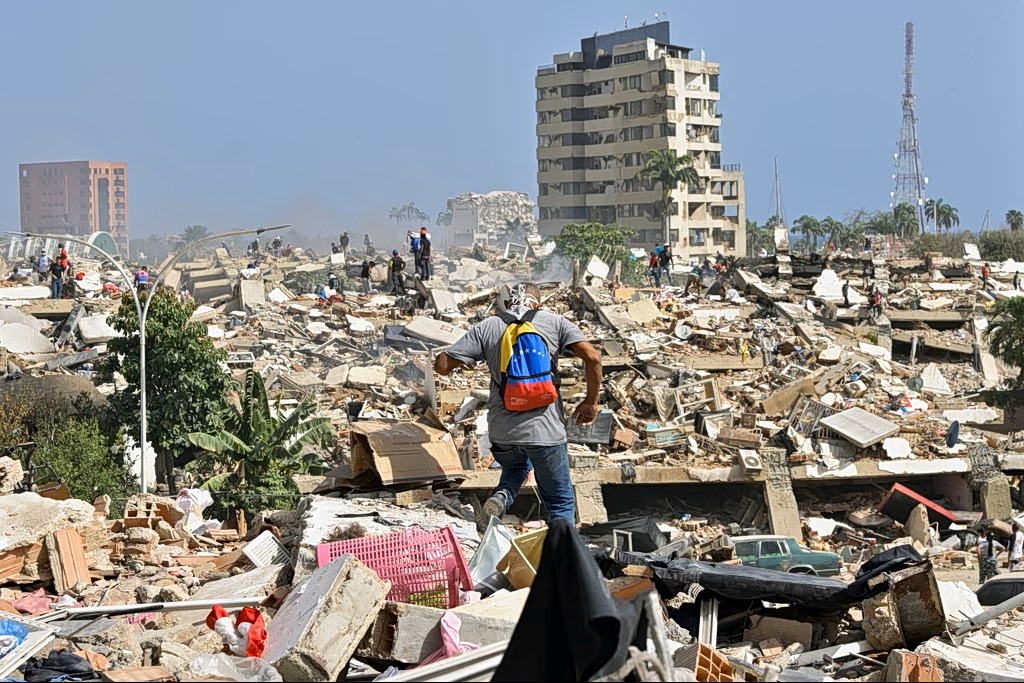
En estos días uno entiende que el desastre no termina cuando se apagan las cámaras. Sigue vivo en la espera, en la incertidumbre y en esa sensación de no saber todavía qué pasó con todos. Por eso el luto nacional no se siente como un simple gesto protocolar, sino como un recordatorio de que todavía estamos en medio de una herida abierta, tratando de atenderla con la mayor dignidad posible.
También sigue activa la ayuda internacional, junto con los voluntarios nacionales que no han soltado el trabajo desde el primer momento. Esa presencia importa muchísimo, porque cuando una tragedia se alarga, lo que sostiene a la gente no es solo la maquinaria pesada ni los comunicados oficiales, sino la constancia de quienes siguen allí, ayudando a levantar, a buscar y a acompañar.
En mi caso, sigo en casa con mi hermano afrontando reparaciones que probablemente nos tomarán algo de tiempo, aunque por suerte nuestra situación no es tan grave dentro de todo lo que se ha visto. Igual, vivir esto tan de cerca cambia cualquier perspectiva: uno empieza a valorar más el techo, la calma y hasta las cosas pequeñas que antes parecían normales.
Quiero aprovechar también para decir que espero volver a estar un poco más presente en el blog a partir de ahora. La idea es retomar algunas publicaciones de traducciones que yo tenía en marcha antes del terremoto y, al mismo tiempo, seguir compartiendo por aquí lo que veo pasar, el estado de las cosas y todo lo que vaya sintiendo alrededor. Porque a veces escribir también es una forma de no dejar que el cansancio gane del todo.
Y aunque el momento sigue siendo duro, yo me quedo con esa idea sencilla de que este luto no es solo para llorar lo perdido, sino para empezar a reconstruir con más conciencia, más cuidado y más solidaridad. Falta mucho camino, sí, pero también sigue habiendo gente que no abandona, y eso ya es una forma de esperanza. 🌱

Today, Wednesday, July 8th, marks two weeks since the earthquake that changed the lives of so many people in Venezuela. It also marks the end of the national mourning period decreed by the current government, a time that, beyond its symbolic significance, has been a pause to share in the grief, honor the victims, and begin to think about reconstruction with some semblance of order and humanity.
The truth is, it still doesn't feel like a closed chapter. Debris removal continues, inspections of buildings with cracks and fractures are ongoing, and there is still a risk of collapse in some severely damaged structures. Meanwhile, families continue searching for their loved ones, people remain missing, others are in shelters, and entire communities are trying to cope with a daily life that has been shattered.
These days, one understands that the disaster doesn't end when the cameras stop rolling. It lives on in the waiting, in the uncertainty, and in that feeling of still not knowing what happened to everyone. That's why the national mourning doesn't feel like a mere formality, but rather a reminder that we are still in the midst of an open wound, trying to tend to it with as much dignity as possible.
International aid is still active, along with the national volunteers who haven't stopped working since the very beginning. Their presence is incredibly important, because when a tragedy drags on, what sustains people isn't just heavy machinery or official statements, but the unwavering support of those who remain, helping to rebuild, search, and offer companionship.
In my case, I'm still at home with my brother, tackling repairs that will likely take some time, although luckily our situation isn't as dire compared to everything else we've seen. Even so, experiencing this so closely changes your perspective: you begin to appreciate having a roof over your head, the peace and quiet, and even the small things that once seemed normal.
I also want to take this opportunity to say that I hope to be a bit more active on the blog from now on. The idea is to resume some translation projects I had underway before the earthquake and, at the same time, continue sharing what I see happening, the state of things, and everything I feel around me. Because sometimes writing is also a way to keep exhaustion from completely taking over.
And although this is still a difficult time, I hold on to the simple idea that this mourning isn't just about crying over what's been lost but about starting to rebuild with more awareness, more care, and more solidarity. There's still a long way to go, yes, but there are still people who haven't given up, and that in itself is a form of hope. 🌱
Las imágenes usadas pertenecen a sus respectivas fuentes, se ha procurado usar imágenes con licencia de uso público.
The images used belong to their respective sources; efforts have been made to use images with a public use license.
Upvoted! Thank you for supporting witness @jswit.
Good to read that you're safe... Greetings from Germany and best wishes!
Thank you for the good wishes, I hope you are well too.
I'm fine, thank you. Scorching hot days, a drought, loads to do and political madness – what more could anyone want? ;-)))
LOL