⚜️ Silent Elegance: The Beauty of Natural Minimalism in Decorative Art
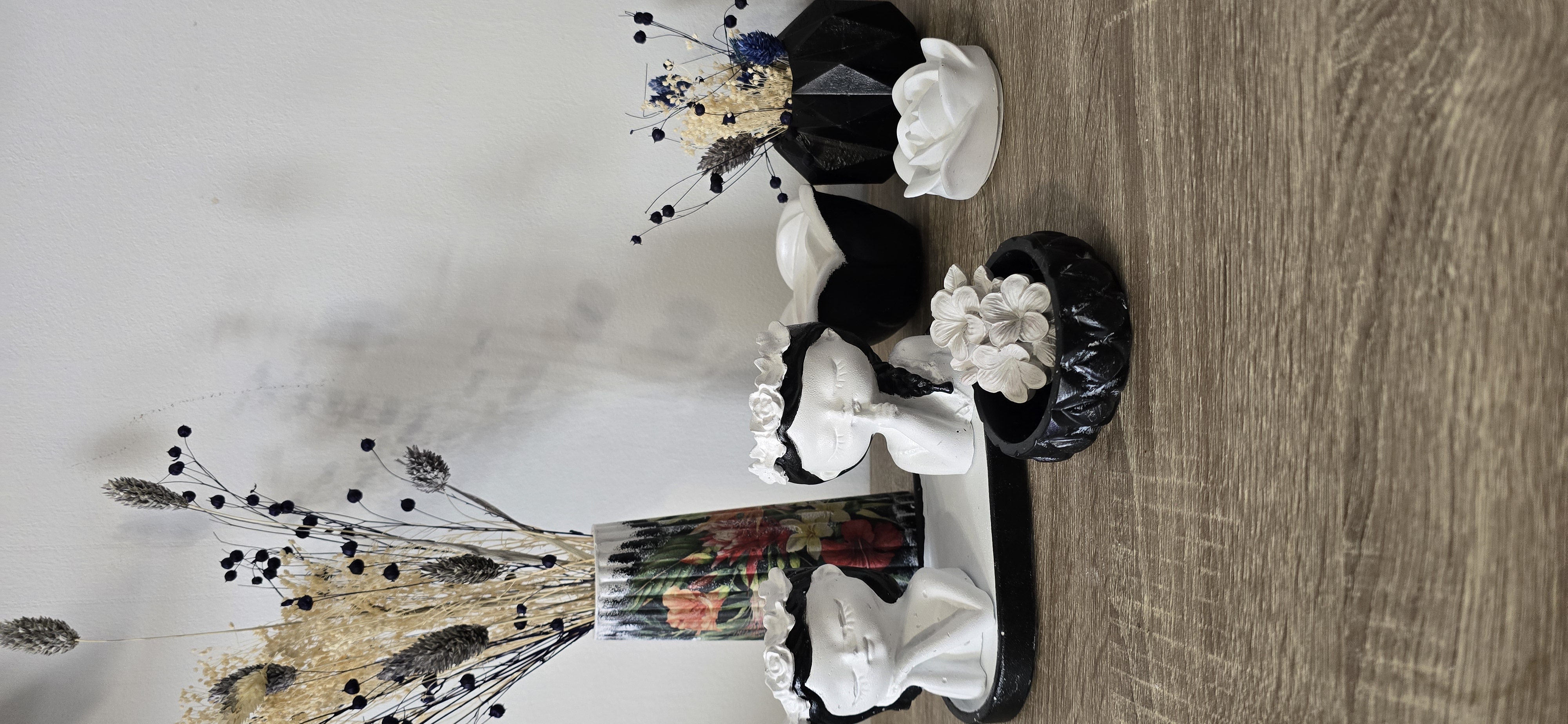
In a world dominated by excess color, noise, and visual overload, there is something profoundly captivating about simplicity. Neutral decorative compositions possess a timeless charm that does not beg for attention — it earns it quietly. This style of decoration speaks through texture, shape, balance, and atmosphere rather than intense palettes.
Today’s decorative aesthetics are increasingly moving toward earthy minimalism, handmade elements, and emotionally calming spaces. People no longer seek only decoration; they seek feeling, harmony, and authenticity inside their homes.
This type of arrangement represents exactly that philosophy.
Not loud.
Not artificial.
Not temporary.
Just pure visual balance.
🤍 The Power of Colorless Beauty
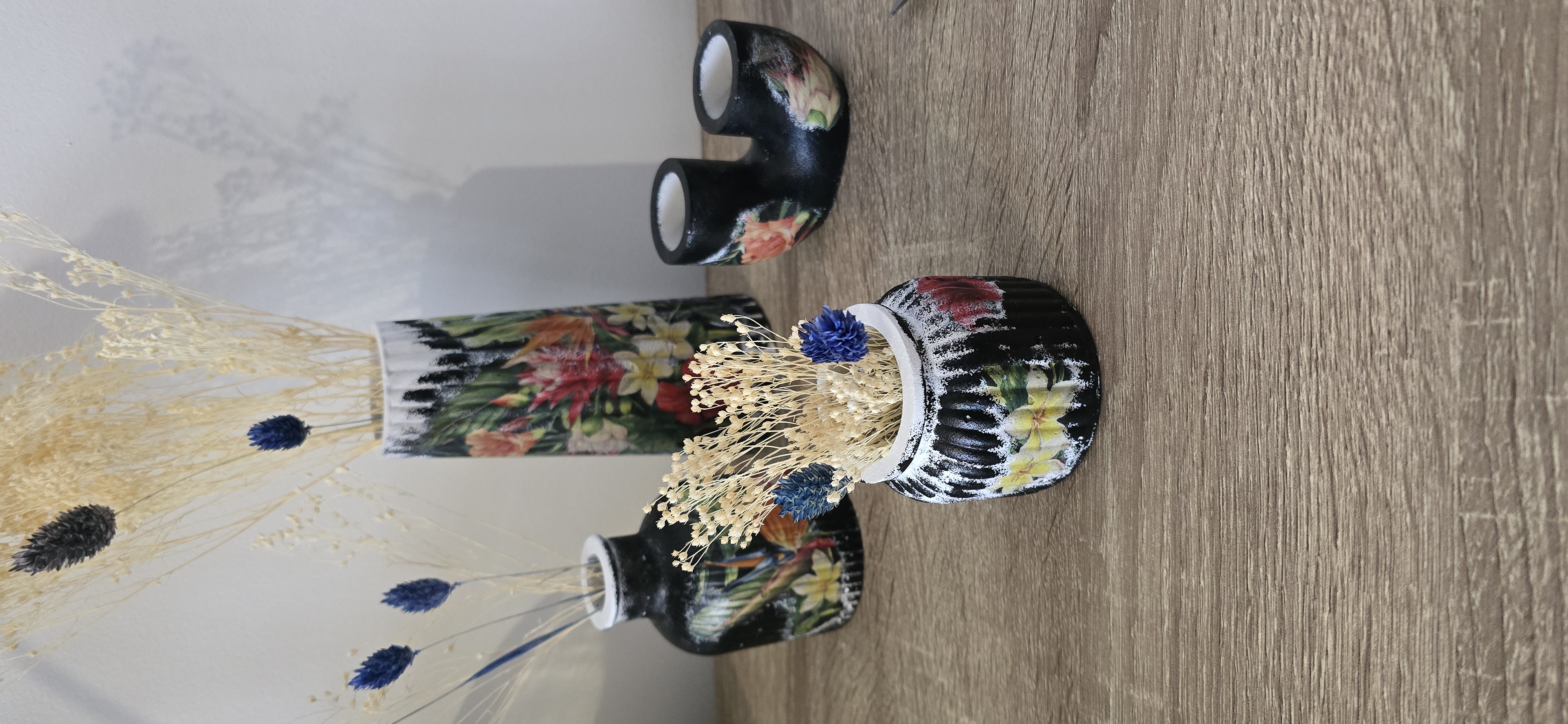
A decoration without strong colors creates something unique: emotional silence.
Neutral tones allow the eye to rest naturally. Instead of focusing on brightness, the viewer begins to notice:
textures,
shadows,
shapes,
craftsmanship,
and subtle imperfections that make handmade décor feel alive.
Beige, ivory, sand, cream, natural wood, stone, and dried botanical elements create an atmosphere impossible to imitate with synthetic decoration.
Minimalist compositions work because they feel organic.
They breathe.
🌾 Nature as the Main Artist
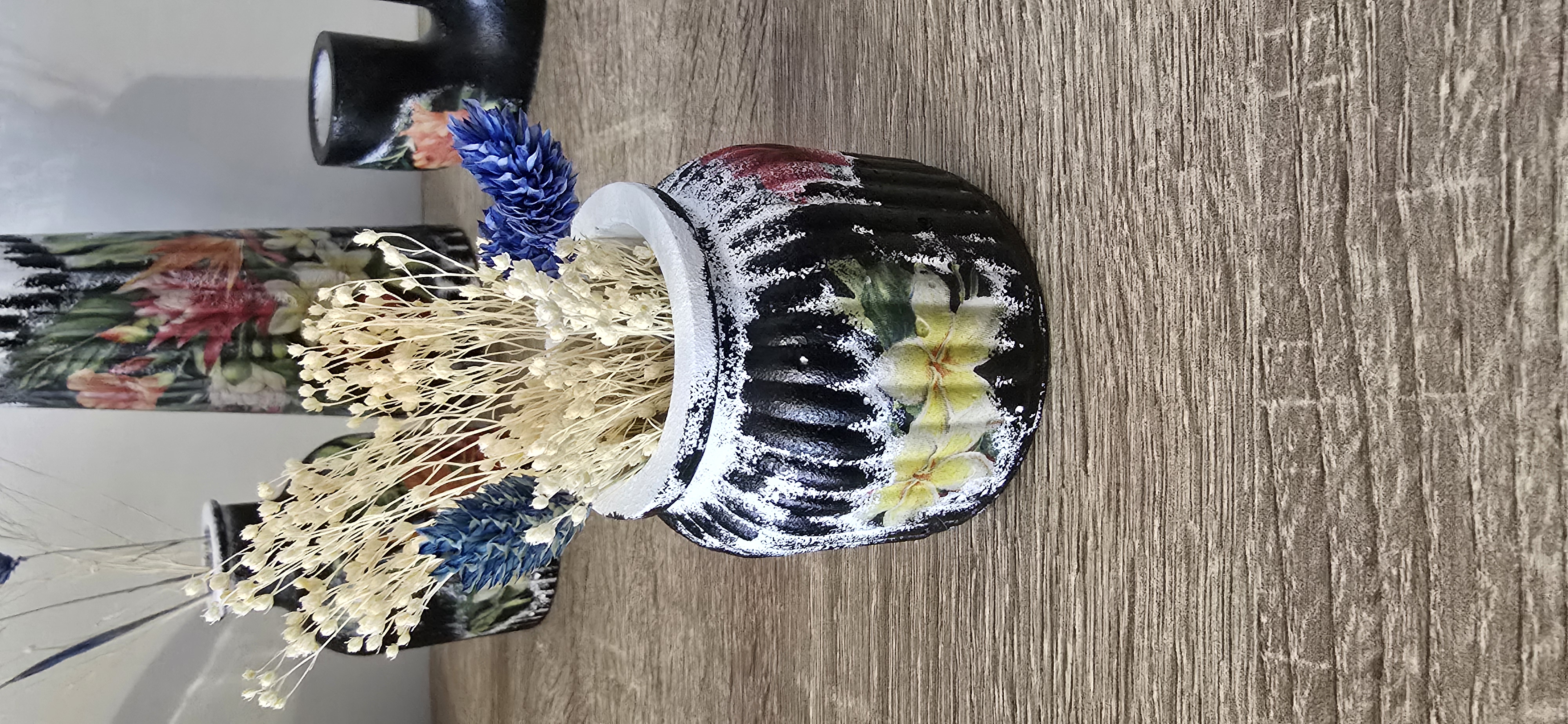
One of the strongest trends in interior aesthetics today is the return to natural materials.
Dried flowers, wheat, pampas grass, branches, raw ceramics, unfinished wood, and matte surfaces have become symbols of:
calm living,
slow design,
sustainable beauty,
and emotional comfort.
Unlike mass-produced glossy décor, natural arrangements tell a story.
Every dried stem bends differently.
Every ceramic surface reflects light uniquely.
Every handmade imperfection adds personality.
That is what transforms decoration into art.
🏺 Handmade Objects Carry Soul
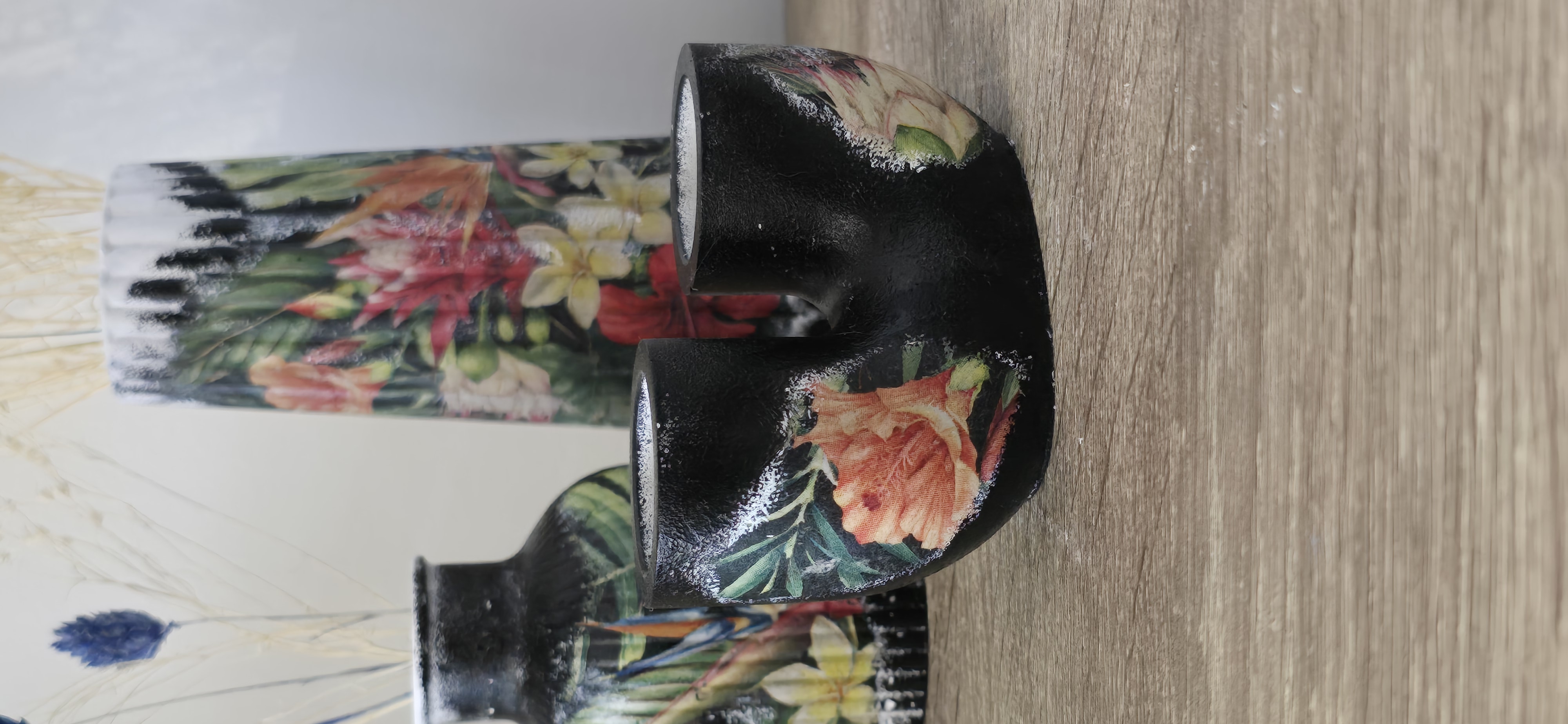
There is a massive difference between factory perfection and handcrafted emotion.
Handmade decorative objects radiate warmth because they carry:
human touch,
patience,
intention,
and individuality.
Minimalist neutral décor especially highlights craftsmanship because there are no intense colors distracting the viewer.
The shape becomes important.
The texture becomes important.
The material becomes important.
This is why neutral decorative compositions often feel more luxurious than colorful ones. Simplicity requires confidence.
✨ The Emotional Impact of Neutral Décor
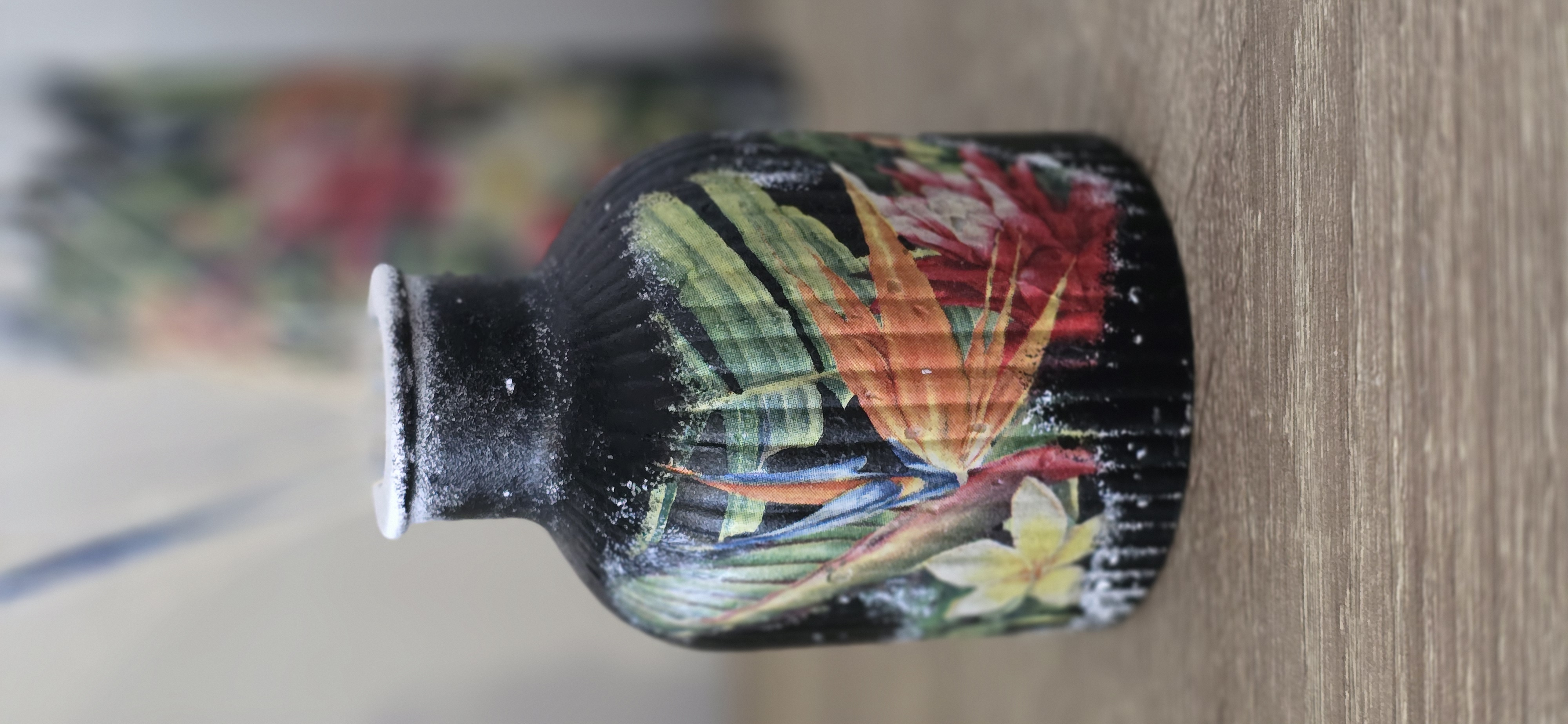
Interior decoration influences mood more than most people realize.
Neutral arrangements create:
mental calmness,
visual breathing space,
emotional balance,
and a sense of peace.
Modern life is already overstimulating:
screens,
notifications,
noise,
advertisements,
constant movement.
That is why soft decorative aesthetics are becoming increasingly appreciated. They create small sanctuaries inside everyday life.
A neutral decorative arrangement does not dominate a room.
It completes it.
📸 Why Minimalist Decorative Photography Performs Well
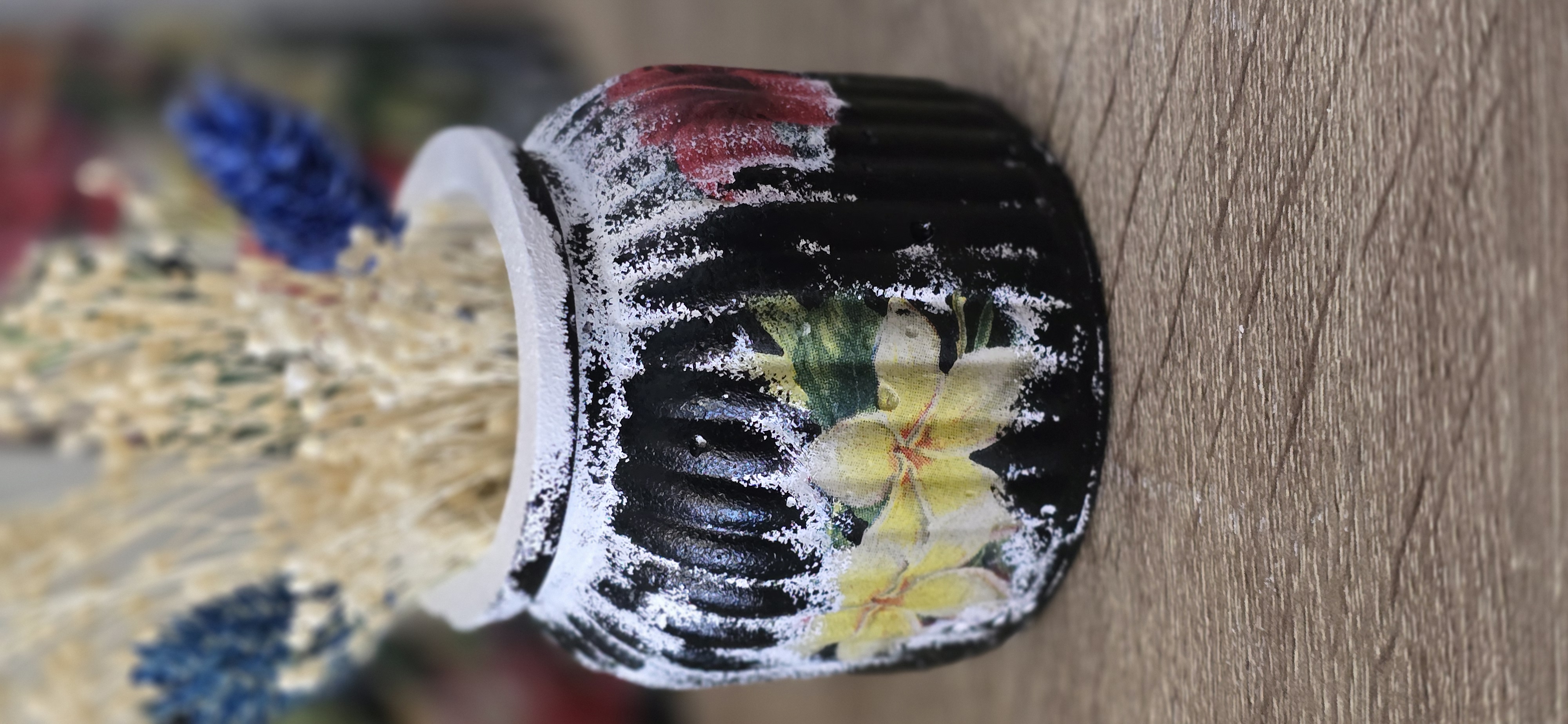
Decorative photography with clean aesthetics performs extremely well online because it creates instant emotional connection.
People stop scrolling when they see:
harmony,
balance,
texture,
softness,
and authentic handmade beauty.
Minimalist compositions are highly shareable because they fit multiple aesthetics:
Scandinavian,
rustic,
modern organic,
boho,
Japandi,
farmhouse,
and contemporary minimalism.
The beauty of neutral decoration is its universality.
It works everywhere.
🪵 Texture Becomes the Main Character
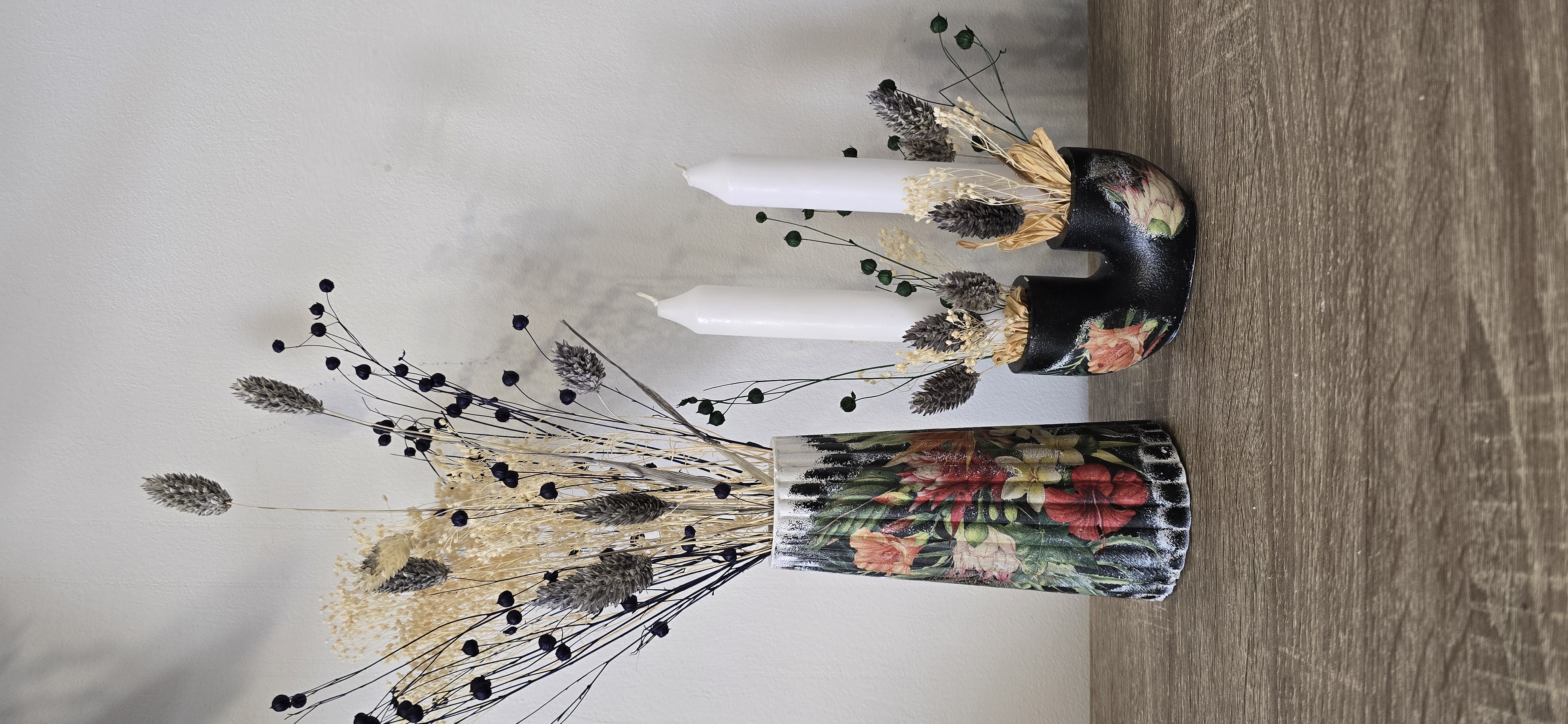
When strong colors disappear, texture becomes the visual language.
Soft dried florals, rough ceramics, smooth wood, matte finishes, linen fabrics, and organic forms create depth without needing visual chaos.
This style teaches an important artistic lesson:
Beauty does not always come from complexity.
Sometimes beauty comes from restraint.
The absence of color allows materials to speak louder than pigments ever could.
🌿 Timeless Over Trendy
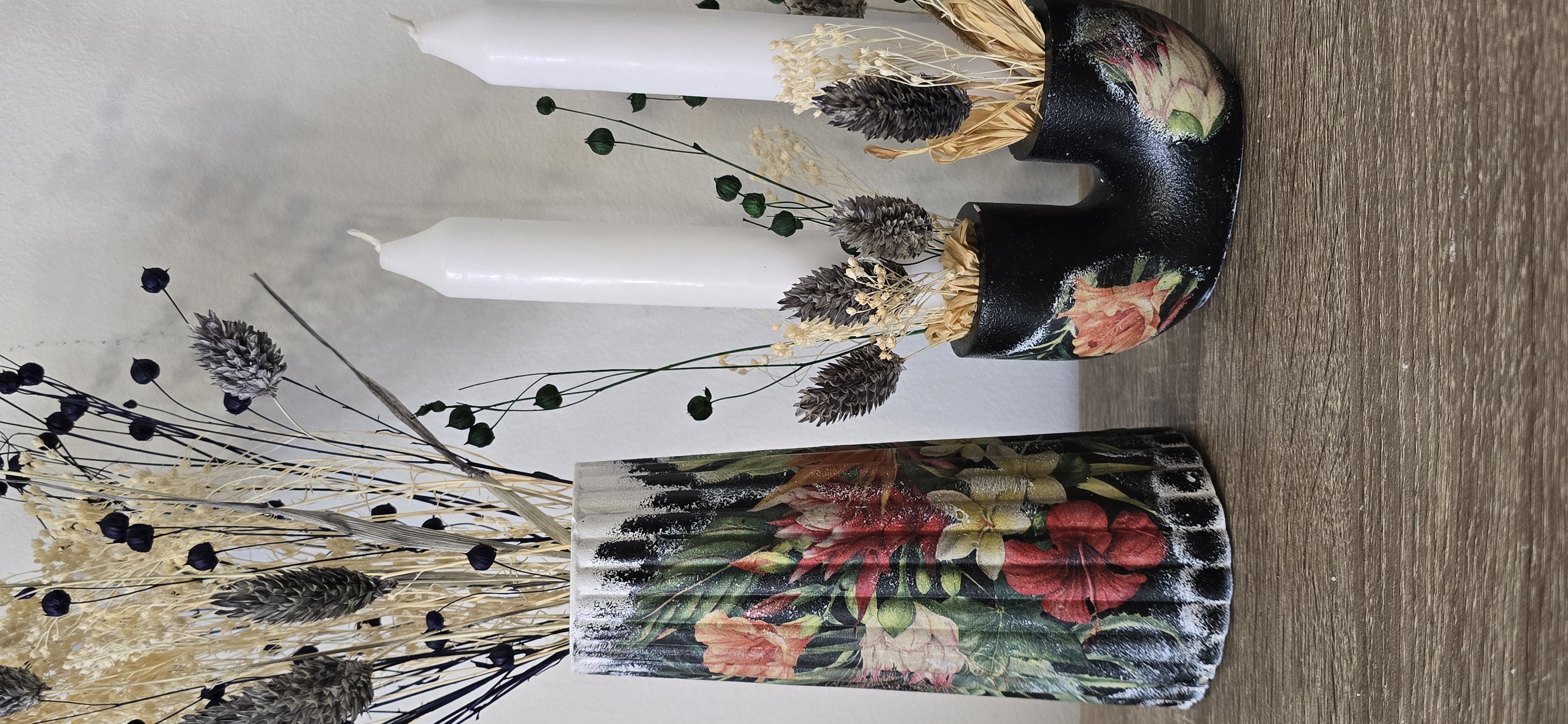
One of the greatest strengths of neutral decoration is longevity.
Bright trends come and go rapidly:
neon colors,
ultra-glossy designs,
overly artificial aesthetics.
But natural minimalism survives every trend cycle because it is rooted in timeless visual psychology.
Humans naturally connect with:
earth tones,
organic materials,
natural textures,
and visual simplicity.
That connection is instinctive.
🕯️ Decorative Art as Atmosphere
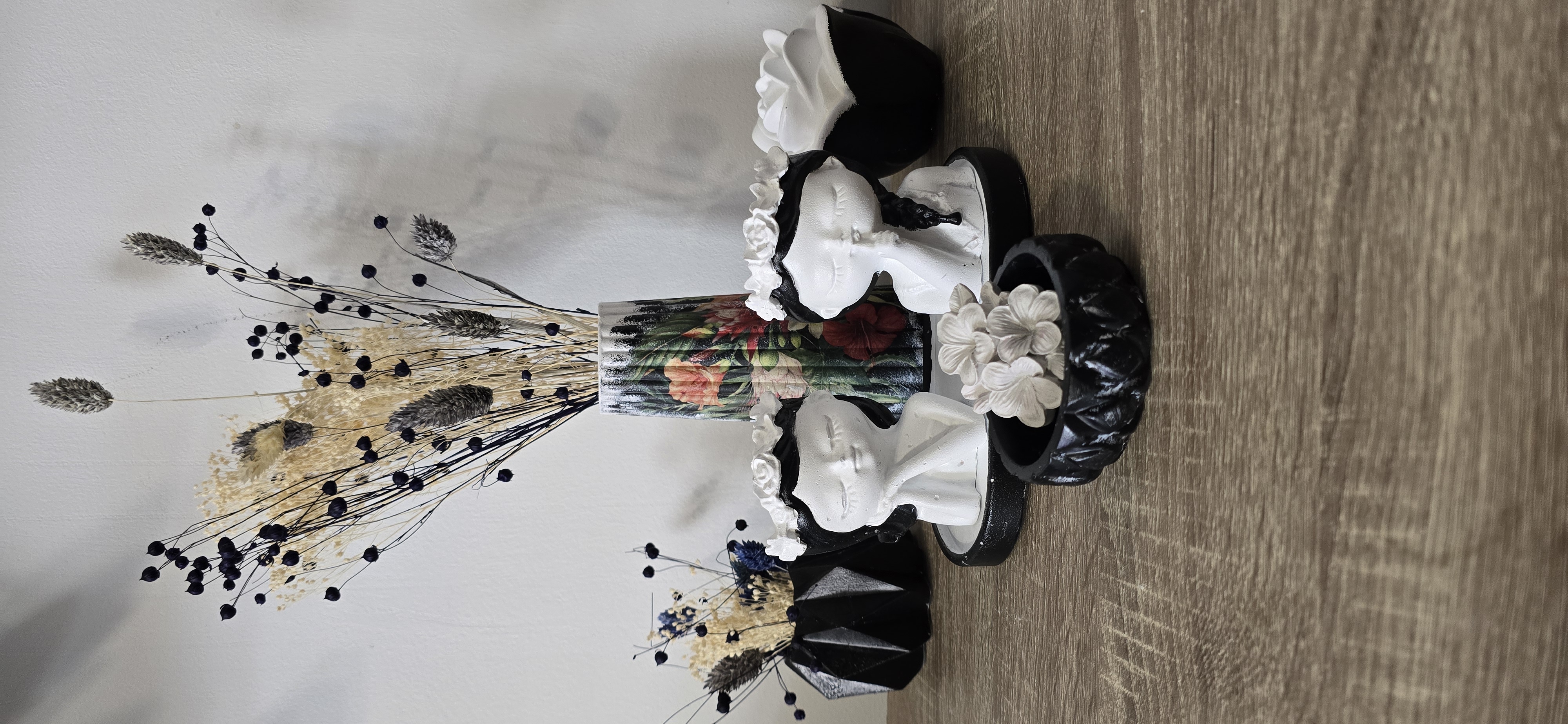
True decorative art is not just about objects.
It is about atmosphere.
A simple arrangement can completely transform:
the feeling of a room,
the perception of light,
the emotional energy of a space.
Neutral decorative compositions create:
warmth without aggression,
elegance without luxury overload,
and beauty without visual exhaustion.
That balance is difficult to achieve — which is exactly why it feels special.
📷 Artistic Vision Behind Minimalist Styling
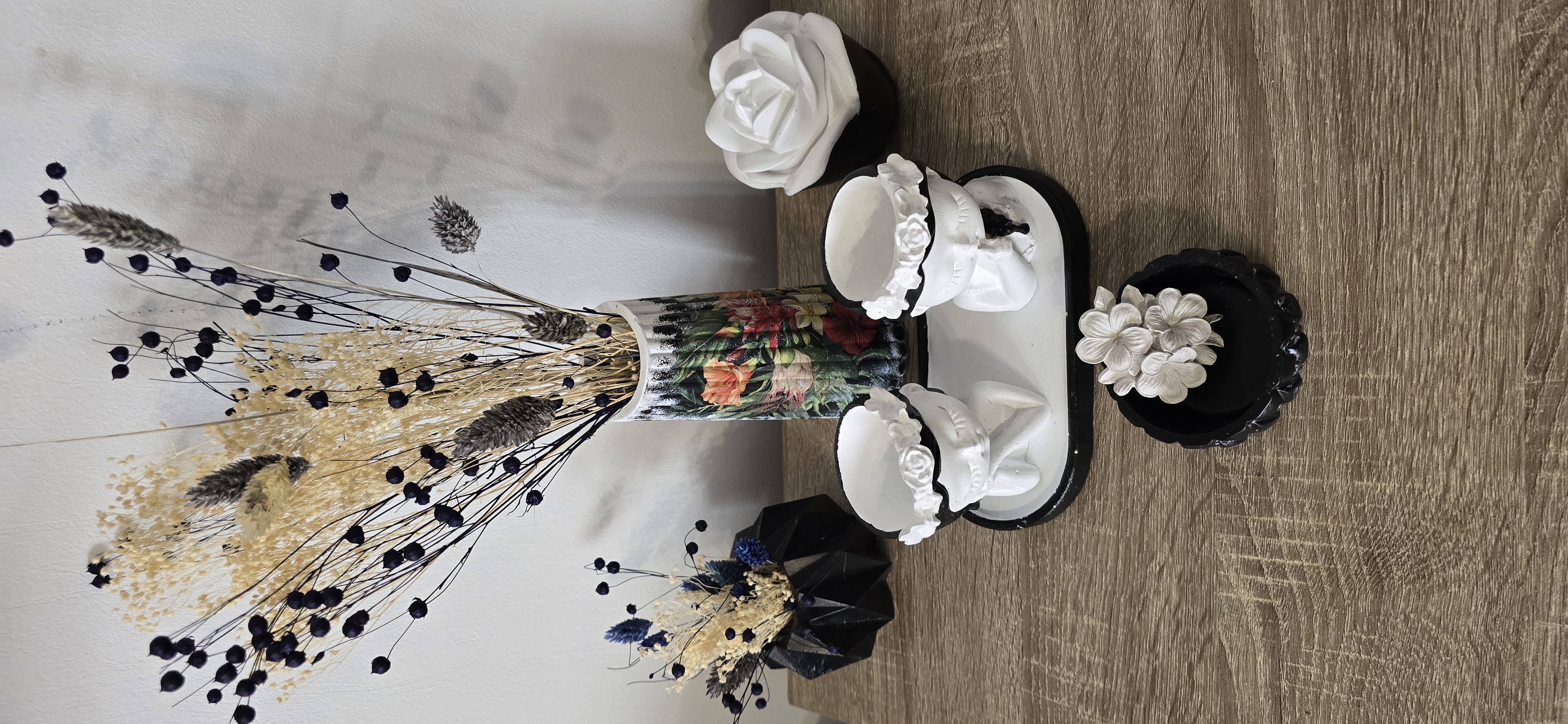
Creating a visually successful neutral arrangement requires precision.
Every element matters:
height,
spacing,
shape,
texture,
light direction,
and negative space.
Minimalism is often misunderstood as “simple,” but in reality it demands more attention to detail than crowded compositions.
The fewer elements present, the more important each element becomes.
That is the secret behind elegant decorative photography.
🔥 Why People Connect Emotionally With This Style
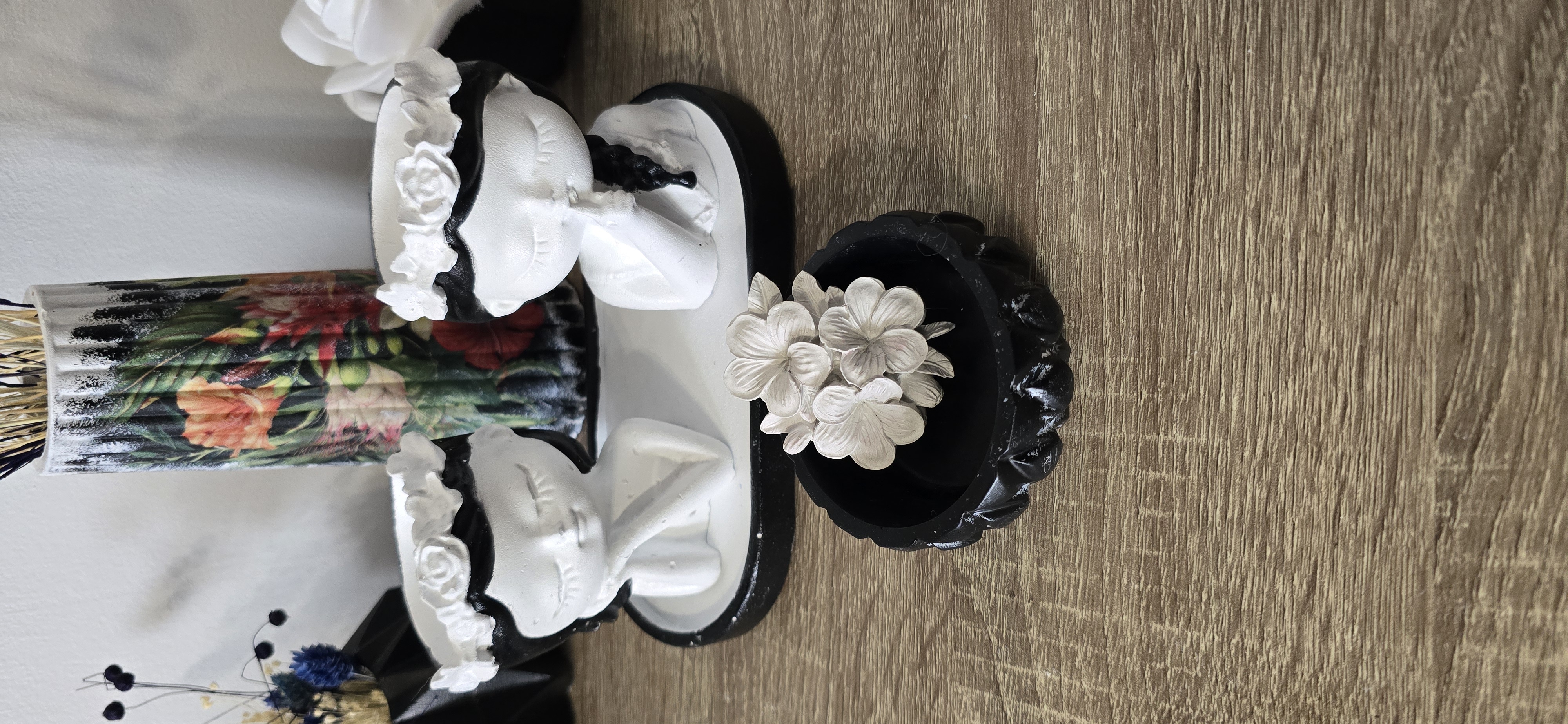
Minimalist natural decoration creates emotional safety.
It reminds people of:
quiet mornings,
peaceful homes,
countryside simplicity,
warm light,
and slow living.
In a chaotic digital world, these emotions become deeply attractive.
People are no longer searching only for decoration.
They are searching for peace.
And neutral decorative aesthetics deliver exactly that feeling.
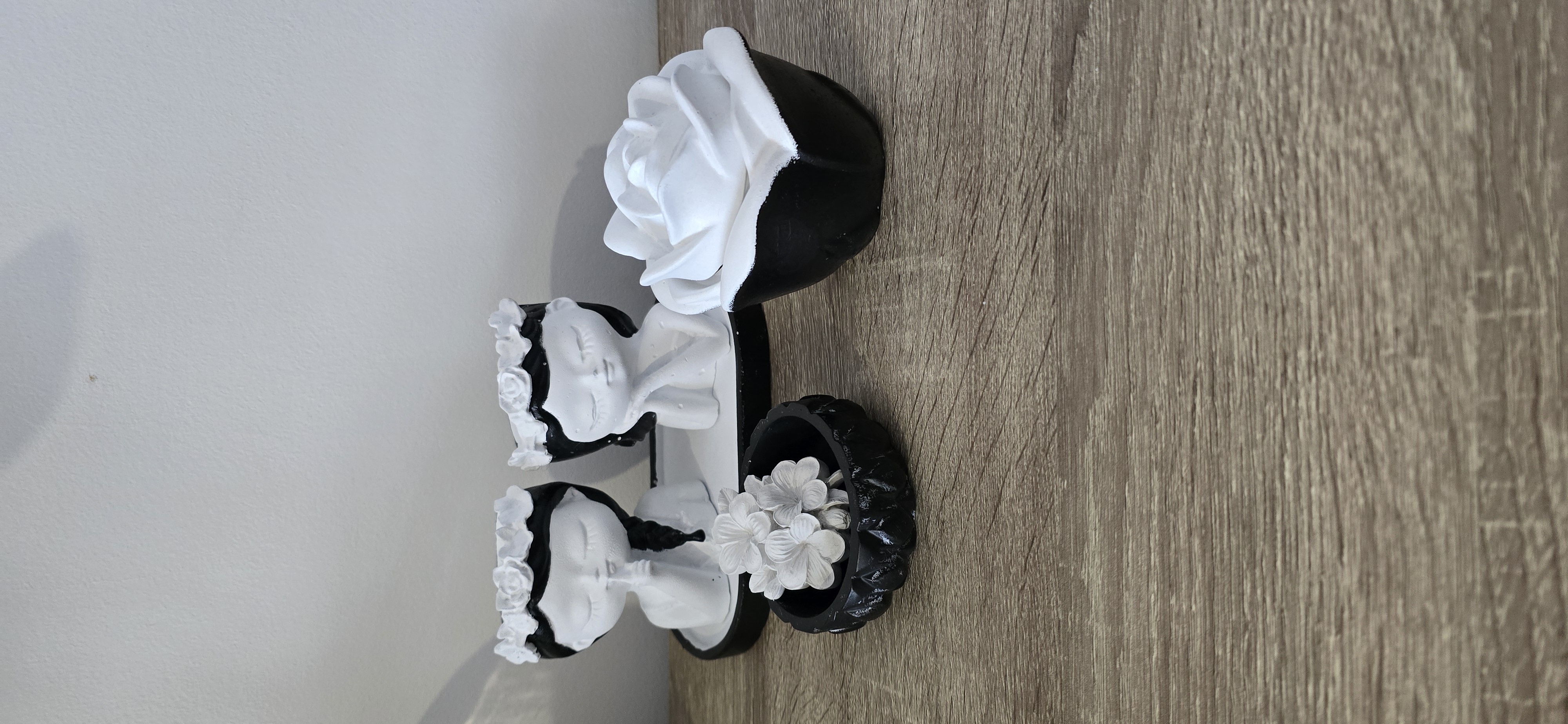
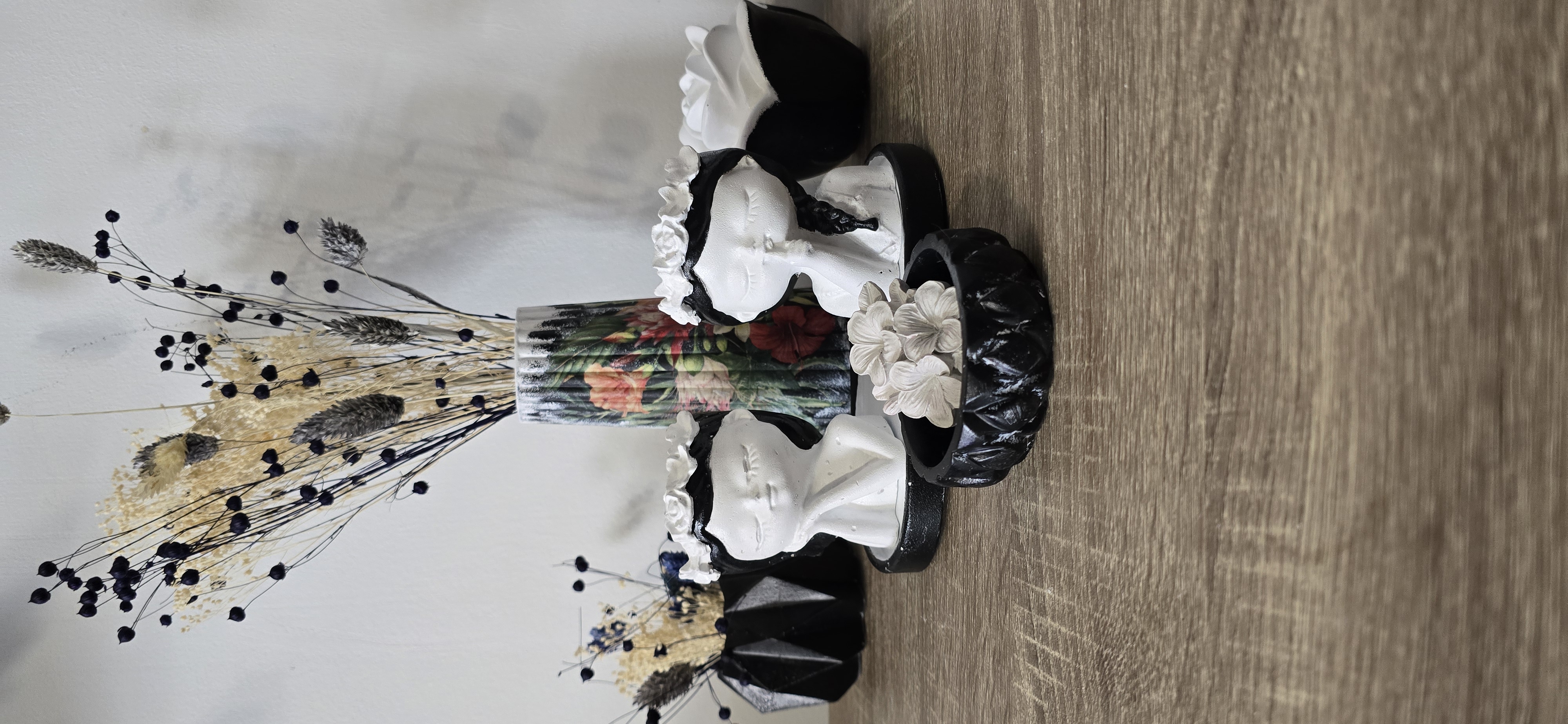
🖤 Conclusion
Minimalist decorative art proves that beauty does not require extravagance.
Neutral tones, organic textures, handmade objects, and natural materials create something stronger than visual intensity — they create emotional resonance.
This style is timeless because it respects simplicity.
It allows spaces to breathe.
It allows materials to speak.
It allows the viewer to feel.
And sometimes, the quietest compositions leave the strongest impressions.