🏛️ The Crisis of Representation: When Algorithms Know What You Want Before You Do 🤖🗳️ [ENG/GER/KOR]
ENGLISH VERSION:
🏛️ The Crisis of Representation: When Algorithms Know What You Want Before You Do 🤖🗳️
Have you ever had that strange feeling that your phone is "listening" to your conversations? Or that, suddenly, a product or political idea you didn’t even know you needed magically appears in your feed? 📱✨
It’s not paranoia. It’s prediction. And this is radically changing how we understand democracy and political representation.
📉 The End of "I Represent You"?
Traditionally, politics worked like this:
- The citizen expresses a need (vote, protest, poll).
- The politician listens (or should listen).
- The politician creates public policy.
But what if algorithms skip step 1? 🚀
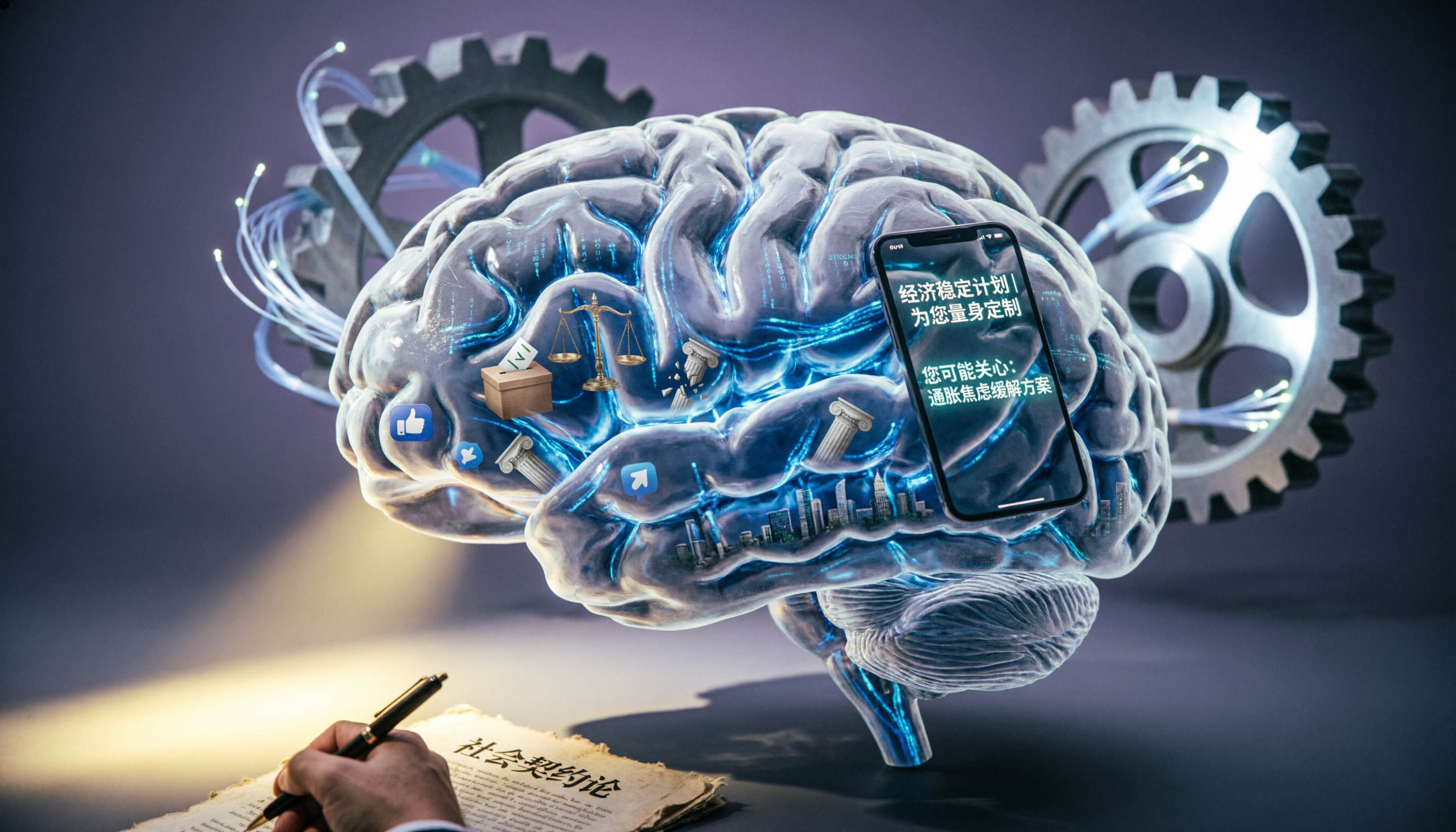
With Big Data and AI, digital platforms are no longer just reacting to what you say. They are analyzing behavior patterns, micro-interactions, screen time, and social connections to predict unexpressed needs.
💡 Practical example: An algorithm might identify that a specific demographic group is becoming anxious about inflation before they even take to the streets to protest. The political campaign then floods this group with messages about "economic stability," shaping perception before the demand is formally articulated.
🧠 Intuition vs. Data: The Danger of the Predictive Bubble
Here lies the central dilemma of the crisis of representation:
- If the algorithm predicts your need, do you still have the agency to choose?
- If the solution is delivered before the question, are we being represented or managed?
This creates a "passive democracy." Instead of active citizens debating solutions, we become targets of subtle behavioral interventions. Representation stops being a dialogue and becomes a data-driven monologue. 📊🔇
⚖️ The Other Side: Efficiency or Manipulation?
Let’s not demonize technology. In theory, predicting needs could lead to more agile and humanized public policies. Imagine a government that anticipates health or educational crises based on real data, not electoral promises. 🏥📚
But in practice, who controls these algorithms?
- Big Tech companies? 🏢
- Political parties with unlimited budgets for micro-targeting? 💸
- Or bad actors exploiting cognitive biases?
The crisis isn’t just about "who wins the election." It’s about who defines the reality you consume daily.
🔮 What Can We Do?
As citizens and professionals (whether in business or education), we need to develop algorithmic literacy:
- Question Your Feed: Why am I seeing this? What emotion is it trying to evoke? 🤔
- Value the Unexpected: Step out of the bubble. Talk to people the algorithm would never show you. 🗣️
- Demand Transparency: AI regulation isn’t just a technical issue; it’s a democratic one. 📜
💬 Conclusion
Technology is neither good nor bad in itself. But when it replaces political dialogue with silent prediction, we lose the essence of representation: the voice.
Don’t let code decide what you need without giving you a chance to question it. True representation requires noise, debate, and, yes, some human unpredictability. 🌍❤️
And you? Do you feel your choices are truly yours, or are they influenced by what the algorithm "thinks" you want? Leave a comment below! 👇
#DigitalPolitics #ArtificialIntelligence #Democracy #BigData #Algorithms #SocietyAndTechnology #CriticalThinking #FutureOfWork
GERMAN VERSION:
🏛️ Die Krise der Repräsentation: Wenn Algorithmen wissen, was Sie wollen, bevor Sie es selbst wissen 🤖🗳️
Hatten Sie schon einmal das seltsame Gefühl, dass Ihr Handy Ihre Gespräche „mithört“? Oder dass plötzlich ein Produkt oder eine politische Idee, von der Sie nicht einmal wussten, dass Sie sie brauchen, wie durch Zauberhand in Ihrem Feed erscheint? 📱✨
Das ist keine Paranoia. Es ist Vorhersage. Und das verändert radikal, wie wir Demokratie und politische Repräsentation verstehen.
📉 Das Ende von „Ich vertrete Sie“?
Traditionell funktionierte Politik so:
- Der Bürger äußert ein Bedürfnis (Wahl, Protest, Umfrage).
- Der Politiker hört zu (oder sollte es zumindest tun).
- Der Politiker erstellt eine öffentliche Politikmaßnahme.
Aber was, wenn Algorithmen Schritt 1 überspringen? 🚀
Mit Big Data und KI reagieren digitale Plattformen nicht mehr nur auf das, was Sie sagen. Sie analysieren Verhaltensmuster, Mikro-Interaktionen, Bildschirmzeit und soziale Verbindungen, um nicht geäußerte Bedürfnisse vorherzusagen.
💡 Praktisches Beispiel: Ein Algorithmus könnte erkennen, dass eine bestimmte demografische Gruppe wegen der Inflation ängstlich wird, bevor sie überhaupt auf die Straße geht, um zu protestieren. Die Wahlkampfkampagne flutet diese Gruppe dann mit Botschaften über „wirtschaftliche Stabilität“ und formt die Wahrnehmung, bevor die Forderung formal artikuliert wird.
🧠 Intuition vs. Daten: Die Gefahr der prädiktiven Blase
Hier liegt das zentrale Dilemma der Krise der Repräsentation:
- Wenn der Algorithmus Ihr Bedürfnis vorhersagt, haben Sie dann noch die Handlungsfreiheit, zu wählen?
- Wenn die Lösung vor der Frage geliefert wird, werden wir repräsentiert oder gemanagt?
Dies schafft eine „passive Demokratie“. Anstatt aktive Bürger zu sein, die Lösungen debattieren, werden wir zu Zielen subtiler verhaltensbezogener Interventionen. Repräsentation hört auf, ein Dialog zu sein, und wird zu einem datengesteuerten Monolog. 📊🔇
⚖️ Die andere Seite: Effizienz oder Manipulation?
Lassen Sie uns Technologie nicht dämonisieren. Theoretisch könnte die Vorhersage von Bedürfnissen zu agileren und menschlicheren öffentlichen Politiken führen. Stellen Sie sich eine Regierung vor, die Gesundheits- oder Bildungskrisen auf der Grundlage realer Daten antizipiert, nicht auf Basis von Wahlversprechen. 🏥📚
Aber wer kontrolliert in der Praxis diese Algorithmen?
- Große Tech-Konzerne? 🏢
- Politische Parteien mit unbegrenzten Budgets für Micro-Targeting? 💸
- Oder böswillige Akteure, die kognitive Verzerrungen ausnutzen?
Die Krise dreht sich nicht nur darum, „wer die Wahl gewinnt“. Es geht darum, wer die Realität definiert, die Sie täglich konsumieren.
🔮 Was können wir tun?
Als Bürger und Professionals (sei es im Geschäftsbereich oder in der Bildung) müssen wir eine algorithmische Kompetenz entwickeln:
- Hinterfragen Sie Ihren Feed: Warum sehe ich das? Welche Emotion soll damit geweckt werden? 🤔
- Schätzen Sie das Unerwartete: Brechen Sie aus der Blase aus. Sprechen Sie mit Menschen, die der Algorithmus Ihnen niemals zeigen würde. 🗣️
- Fordern Sie Transparenz: Die Regulierung von KI ist nicht nur ein technisches, sondern ein demokratisches Thema. 📜
💬 Fazit
Technologie ist an sich weder gut noch schlecht. Aber wenn sie den politischen Dialog durch stille Vorhersage ersetzt, verlieren wir das Wesen der Repräsentation: die Stimme.
Lassen Sie nicht zu, dass Code entscheidet, was Sie brauchen, ohne Ihnen die Chance zu geben, dies zu hinterfragen. Wahre Repräsentation erfordert Lärm, Debatte und ja, auch eine gewisse menschliche Unvorhersehbarkeit. 🌍❤️
Und Sie? Haben Sie das Gefühl, dass Ihre Entscheidungen wirklich Ihre eigenen sind, oder werden sie von dem beeinflusst, was der Algorithmus „denkt“, was Sie wollen? Hinterlassen Sie einen Kommentar! 👇
#Digitalpolitik #KünstlicheIntelligenz #Demokratie #BigData #Algorithmen #GesellschaftUndTechnik #KritischesDenken #ZukunftDerArbeit
KOREAN VERSION:
🏛️ 대표성의 위기: 알고리즘이 당신보다 먼저 당신의 욕구를 알 때 🤖🗳️
휴대전화가 여러분의 대화를 '도청'하는 것 같은 이상한 느낌을 받아본 적이 있나요? 혹은 내가 필요하다는 사실조차 몰랐던 제품이나 정치적 아이디어가 갑자기 피드에 마법처럼 나타난 경험은요? 📱✨
이는 편집증이 아닙니다. 바로 예측(Prediction)입니다. 그리고 이는 민주주의와 정치적 대표성을 이해하는 방식을 근본적으로 바꾸고 있습니다.
📉 "내가 당신을 대표합니다"의 종말?
전통적으로 정치는 다음과 같이 작동했습니다:
- 시민이 요구를 표현합니다 (투표, 시위, 여론조사).
- 정치인이 경청합니다 (또는 최소한 그래야 합니다).
- 정치인이 공공 정책을 수립합니다.
하지만 만약 알고리즘이 1단계를 건너뛴다면 어떻게 될까요? 🚀
빅데이터와 인공지능(AI)을 통해 디지털 플랫폼은 이제 우리가 말하는 것에 단순히 반응하는 것을 넘어서서, 행동 패턴, 미세한 상호작용, 화면 체류 시간, 사회적 연결망 등을 분석하여 표현되지 않은 Needs(욕구)를 예측하고 있습니다.
💡 실제 예시: 알고리즘은 특정 인구 통계학적 집단이 거리로 나가 시위하기 전부터 인플레이션에 대한 불안을 느끼고 있음을 파악할 수 있습니다. 그러면 정치 캠페인은 이 집단을 '경제 안정' 메시지로 집중 공략하여, 요구가 공식적으로 표출되기 전에 인식을 형성합니다.
🧠 직관 vs 데이터: 예측 버블의 위험
여기에 대표성의 위기의 핵심 딜레마가 존재합니다:
- 알고리즘이 당신의 필요를 예측한다면, 당신은 여전히 선택의 주체성을 가지고 있나요?
- 질문 이전에 해답이 제공된다면, 우리는 대표되고 있는 것인가요, 아니면 관리(Manipulation)당하고 있는 것인가요?
이는 '수동적 민주주의'를 만들어냅니다. 해결책을 논의하는 능동적인 시민 대신, 우리는 미묘한 행동 개입의 대상이 됩니다. 대표성은 더 이상 대화가 아닌 데이터 중심의 독백이 되어버립니다. 📊🔇
⚖️ 다른 측면: 효율성인가 조작인가?
기술을 악마화하지는 맙시다. 이론적으로 필요를 예측하는 것은 더 민첩하고 인간적인 공공 정책으로 이어질 수 있습니다. 선거 공약이 아닌 실제 데이터를 기반으로 건강 또는 교육 위기를 사전에 예방하는 정부를 상상해 보세요. 🏥📚
하지만 현실에서 이러한 알고리즘을 통제하는 주체는 누구일까요?
- 대형 기술 기업들? 🏢
- 마이크로 타겟팅을 위해 무제한 예산을 쓰는 정당들? 💸
- 아니면 인지 편향을 악용하는 악의적인 행위자들?
이 위기는 단순히 "누가 선거에서 이기는가"의 문제가 아닙니다. 이는 당신이 매일 소비하는 현실을 누가 정의하는가의 문제입니다.
🔮 우리는 무엇을 할 수 있을까?
시민으로서, 그리고 전문가로서 (비즈니스든 교육 분야든) 우리는 알고리즘 리터러시(Algorithmic Literacy)를 개발해야 합니다:
- 피드를 질문하세요: 왜 이것을 보고 있는 걸까? 어떤 감정을 불러일으키려 하는 걸까? 🤔
- 예상치 못함을 가치 있게 여기세요: 버블에서 벗어나세요. 알고리즘이 절대 보여주지 않을 사람들과 대화하세요. 🗣️
- 투명성을 요구하세요: AI 규제는 단순한 기술 이슈가 아니라 민주주의의 문제입니다. 📜
💬 결론
기술 그 자체는 선하거나 악하지 않습니다. 하지만 기술이 정치적 대화를 침묵하는 예측으로 대체할 때, 우리는 대표성의 본질인 목소리(Voice)를 잃게 됩니다.
코드(Code)가 당신이 질문할 기회도 없이 당신의 필요를 결정하게 내버려 두지 마세요. 진정한 대표성은 노이즈, 논쟁, 그리고 yes, 인간의 예측 불가능성을 필요로 합니다. 🌍❤️
여러분은 어떠신가요? 여러분의 선택이 진정으로 여러분 자신의 것이라고 느끼시나요, 아니면 알고리즘이 당신이 원한다고 '생각'하는 것에 영향을 받고 있다고 느끼시나요? 댓글로 남겨주세요! 👇
#디지털정치 #인공지능 #민주주의 #빅데이터 #알고리즘 #사회와기술 #비판적사고 #미래의일
Upvoted! Thank you for supporting witness @jswit.
Thank you for sharing on steem! I'm witness fuli, and I've given you a free upvote. If you'd like to support me, please consider voting at https://steemitwallet.com/~witnesses 🌟