🌆📵 The New Urban Ethics: The Right to Disconnect in Always-Connected Cities [ENG/GER/KOR]
ENGLISH VERSION:
🌆📵 The New Urban Ethics: The Right to Disconnect in Always-Connected Cities
Waking up to notifications, working between screens, crossing the street listening to podcasts, and dining with the glow of a cellphone on our face. It’s not an exaggeration: the modern city has become an extension of the cloud ☁️📱. But what happens when connection becomes a chain? We are experiencing a turning point in ethics where the right to disconnect is no longer an individual luxury but a requirement for collective urban health. 🧠✨
🔌 The Dilemma of Hyperconnectivity
Smart cities promise efficiency, but often deliver exhaustion. Sensors, cameras, apps, and 5G networks weave an invisible mesh that monitors, entertains, and demands immediate responses from us. 📊⏳ The result? Digital anxiety, urban burnout syndrome, and a growing sense of "being always present, but never really here." The irony is that the more connected cities become, the more disconnected we become from the concrete, our neighbors, and ourselves. 🚶♂️💔
🤫 What is the "Right to Disconnect" in Public Space?
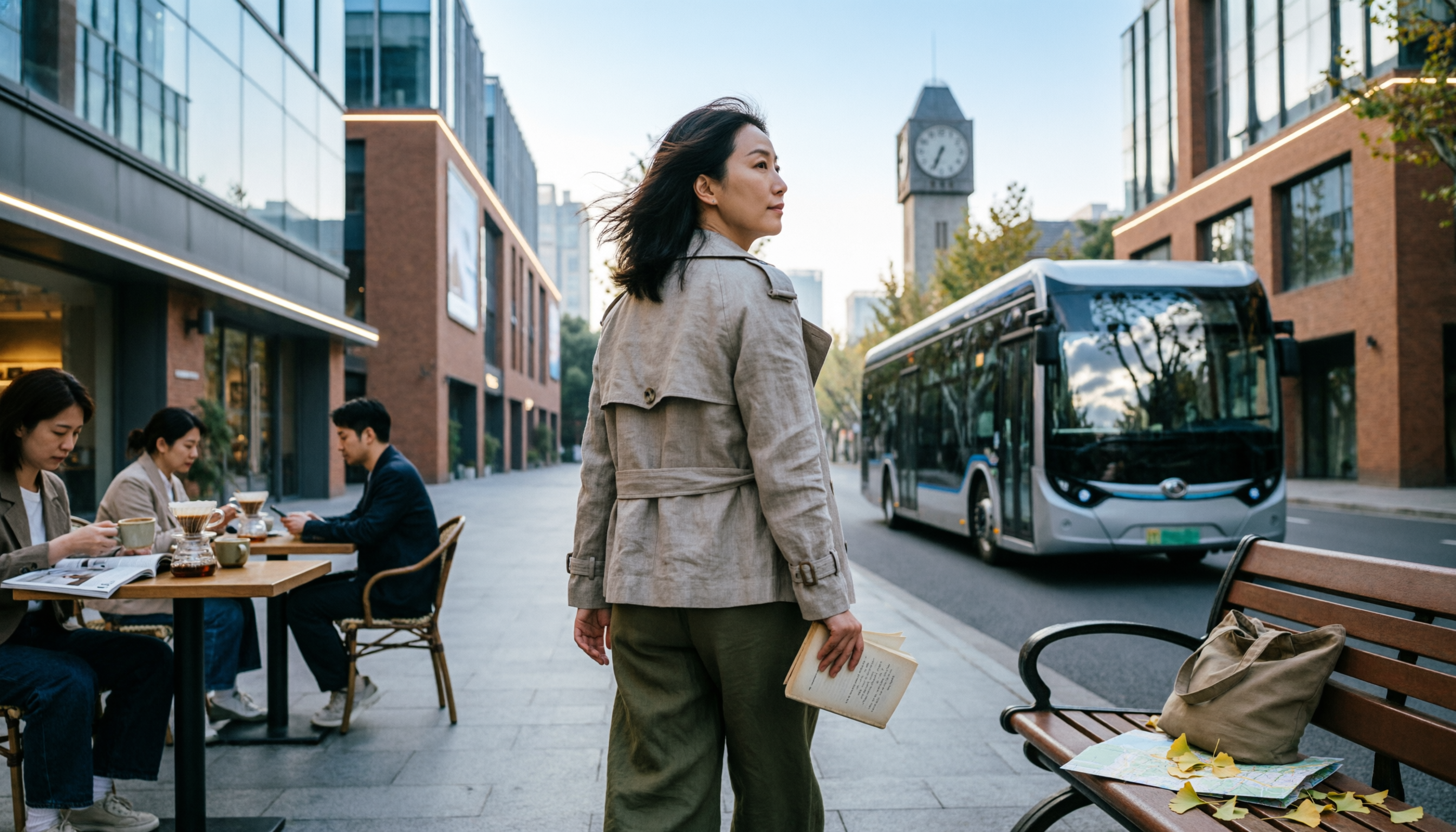
Born in labor law, the concept now spills over onto sidewalks, squares, and subways. Having the right to disconnect means being able to choose, without guilt or social penalty, offline moments within the urban fabric. 🕰️🔕 It means being able to walk without tracking steps, read a book on a bench without Wi-Fi, or simply look at the sky without filtering it through a camera lens. It’s not about rejecting technology, but about reclaiming agency over our time and attention. 🌿👁️
🏙️ Why Do Cities Need to Rethink Digital Ethics?
21st-century urban planning cannot ignore neuroscience and digital sociology. Cities that ignore cognitive fatigue create exhausted citizens, superficial relationships, and spaces hostile to contemplation. 🏗️🧠 The new urban ethics demands infrastructure for silence: zones of low digital stimulation, signage that respects human attention, and public policies that treat offline time as a common good. 📜🌍 After all, a truly smart city is one that knows when to "turn off." 💡🔇
🌳 In Practice: How to Live (and Plan) Cities with Pauses
There are already inspiring initiatives around the world: parks with voluntary "airplane mode" in Barcelona, urban libraries with no signal coverage in Tokyo, and commercial corridors in Seoul that encourage storing cellphones upon entry. 🌅📖 In daily life, we can create micro-rituals of disconnection: swapping headphones for the sounds of the street, scheduling "screen-free" meetups, or supporting businesses that value face-to-face conversations. The revolution isn’t about throwing your smartphone into the river, but using it with intention, not impulse. 🛶🤝
🔚 The City of the Future: Measured by the Quality of Its Silences
The next frontier of urban progress won’t be internet speed, but the capacity to generate pauses. 🔇✨ Demanding the right to disconnect is an act of contemporary citizenship. Because, in the end, urban development only makes sense if it leaves us more human, not just more connected. 🌆❤️🩹
👇 And you? When was the last time you truly chose to be offline in the middle of your city? Share in the comments and inspire those who still think "disconnecting" is a luxury, not a right. 💬🚶♀️
#RightToDisconnect #UrbanEthics #ConsciousCities #DigitalDetox #UrbanMentalHealth #TechAndHumanity #OfflineLife #UrbanPlanning
GERMAN VERSION:
🌆📵 Die neue städtische Ethik: Das Recht auf Abschalten in stets vernetzten Städten
Mit Benachrichtigungen aufwachen, zwischen Bildschirmen arbeiten, mit Podcasts im Ohr die Straße überqueren und beim Abendessen vom Leuchten des Handys angestrahlt werden. Keine Übertreibung: Die moderne Stadt ist zur Erweiterung der Cloud geworden ☁️📱. Doch was passiert, wenn Vernetzung zur Fessel wird? Wir erleben einen ethischen Wendepunkt, an dem das Recht auf Abschalten (Right to Disconnect) kein individueller Luxus mehr ist, sondern eine Voraussetzung für die kollektive Gesundheit unserer Städte. 🧠✨
🔌 Das Dilemma der Hyperkonnektivität
Smart Cities versprechen Effizienz, liefern aber oft Erschöpfung. Sensoren, Kameras, Apps und 5G-Netze weben ein unsichtbares Netz, das uns überwacht, unterhält und sofortige Antworten von uns einfordert. 📊⏳ Die Folge? Digitale Angst, urbanes Burnout-Syndrom und das wachsende Gefühl, "immer präsent, aber nie wirklich hier" zu sein. Die Ironie dabei: Je vernetzter die Städte werden, desto entfremdeter werden wir vom Beton, von unseren Nachbarn und von uns selbst. 🚶♂️💔
🤫 Was bedeutet das „Recht auf Abschalten“ im öffentlichen Raum?
Ursprünglich im Arbeitsrecht verankert, schwappt dieses Konzept nun auf Gehwege, Plätze und U-Bahnen über. Das Recht auf Abschalten bedeutet, innerhalb des städtischen Gefüges offline-Momente wählen zu können – ohne Schuldgefühle oder soziale Sanktionen. 🕰️🔕 Es bedeutet, spazieren gehen zu können, ohne Schritte zu tracken, auf einer Bank ohne Wi-Fi ein Buch zu lesen oder einfach den Himmel zu betrachten, ohne ihn durch die Kameralinse zu filtern. Es geht nicht darum, Technologie abzulehnen, sondern darum, die Kontrolle über unsere Zeit und Aufmerksamkeit zurückzugewinnen. 🌿👁️
🏙️ Warum müssen Städte ihre digitale Ethik überdenken?
Stadtplanung im 21. Jahrhundert kann Neurowissenschaften und digitale Soziologie nicht ignorieren. Städte, die kognitive Ermüdung ignorieren, schaffen erschöpfte Bürger, oberflächliche Beziehungen und Räume, die kontemplativem Denken feindlich gesinnt sind. 🏗️🧠 Die neue städtische Ethik fordert Infrastruktur für die Stille: Zonen mit geringer digitaler Reizbelastung, Beschilderungen, die die menschliche Aufmerksamkeit respektieren, und öffentliche Politiken, die Offline-Zeit als Gemeingut behandeln. 📜🌍 Denn eine wirklich smarte Stadt ist eine, die weiß, wann man „abschaltet“. 💡🔇
🌳 In der Praxis: Wie man Städte mit Pausen lebt (und plant)
Es gibt bereits inspirierende Initiativen weltweit: Parks mit freiwilligem „Flugmodus“ in Barcelona, städtische Bibliotheken ohne Signalabdeckung in Tokio und Einkaufsstraßen in Seoul, die dazu ermutigen, Handys am Eingang abzugeben. 🌅📖 Im Alltag können wir Mikro-Rituale der Entkopplung schaffen: Kopfhörer gegen die Geräusche der Straße tauschen, „bildschirmfreie“ Treffen vereinbaren oder Geschäfte unterstützen, die persönliche Gespräche wertschätzen. Die Revolution besteht nicht darin, das Smartphone in den Fluss zu werfen, sondern es mit Absicht statt Impuls zu nutzen. 🛶🤝
🔚 Die Stadt der Zukunft: Gemessen an der Qualität ihrer Stillen
Die nächste Grenze des städtischen Fortschritts wird nicht die Internetgeschwindigkeit sein, sondern die Fähigkeit, Pausen zu generieren. 🔇✨ Das Recht auf Abschalten einzufordern, ist ein Akt zeitgenössischer Bürgerschaft. Denn am Ende ergibt städtische Entwicklung nur dann Sinn, wenn sie uns menschlicher macht, nicht nur vernetzter. 🌆❤️🩹
👇 Und du? Wann hast du das letzte Mal bewusst entschieden, mitten in deiner Stadt offline zu sein? Teile es in den Kommentaren und inspiriere diejenigen, die immer noch denken, „Abschalten“ sei ein Luxus, kein Recht. 💬🚶♀️
#RechtAufAbschalten #StädtischeEthik #BewussteStädte #DigitalDetox #UrbaneMentalHealth #TechnikUndMenschlichkeit #OfflineLeben #Stadtplanung
KOREAN VERSION:
🌆📵 새로운 도시 윤리: 항상 연결된 도시에서의 '연결 끊기 권리'
알림 소리와 함께 깨어나, 화면 사이에서 일하고, 팟캐스트를 들으며 길을 건너고, 스마트폰의 빛에 비춰진 채 저녁을 먹습니다. 과장이 아닙니다. 현대 도시는 클라우드의 연장이 되었습니다 ☁️📱. 하지만 연결이 사슬이 되어버리면 어떻게 될까요? 우리는 이제 '연결 끊기 권리(Right to Disconnect)'가 개인의 사치가 아니라 집단적인 도시 건강을 위한 필수 조건이 되는 윤리적 전환점에 서 있습니다. 🧠✨
🔌 초연결성의 딜레마
스마트 시티는 효율성을 약속하지만, 종종 피로감을 안겨줍니다. 센서, 카메라, 앱, 5G 네트워크는 우리를 감시하고, 즐겁게 하며, 즉각적인 반응을 요구하는 보이지 않는 그물을 짜냅니다. 📊⏳ 그 결과? 디지털 불안, 도시 번아웃 증후군, 그리고 "항상 존재하지만 결코 진짜로 그곳에 있지 않은" 듯한 growing 감각이 찾아옵니다. 아이러니하게도, 도시가 더 많이 연결될수록 우리는 콘크리트, 이웃, 그리고 우리 자신으로부터 더 단절됩니다. 🚶♂️💔
🤫 공공 공간에서의 '연결 끊기 권리'란 무엇인가?
노동법에서 탄생한 이 개념은 이제 인도, 광장, 지하철로까지 확장되고 있습니다. 연결 끊기 권리는 죄책감이나 사회적 제재 없이 도시 구조 내에서 오프라인 순간을 선택할 수 있음을 의미합니다. 🕰️🔕 걸음을 추적하지 않고 산책하거나, 와이파이 없는 벤치에서 책을 읽거나, 카메라 렌즈로 필터링하지 않고 하늘을 바라볼 수 있는 권리입니다. 이는 기술을 거부하는 것이 아니라, 우리의 시간과 주의력에 대한 주체성을 되찾는 것입니다. 🌿👁️
🏙️ 왜 도시는 디지털 윤리를 재고해야 하는가?
21세기 도시 계획은 신경과학과 디지털 사회학을 무시할 수 없습니다. 인지 피로를 무시하는 도시는 지친 시민, 피상적인 관계, 그리고 명상에 적대적인 공간을 만들어냅니다. 🏗️🧠 새로운 도시 윤리는 침묵을 위한 인프라를 요구합니다. 낮은 디지털 자극 구역, 인간의 주의력을 존중하는 signage, 그리고 오프라인 시간을 공공재로 취급하는 공공 정책 등이 필요합니다. 📜🌍 결국, 진정한 스마트 시티는 언제 "전원을 끄는지" 아는 도시입니다. 💡🔇
🌳 실천하기: 휴식이 있는 도시를 살고 계획하는 방법
전 세계에는 이미 영감을 주는 initiative들이 존재합니다. 바르셀로나의 자발적 '비행기 모드' 공원, 도쿄의 신호 커버리지 없는 도시 도서관, 서울의 입구에서 휴대폰 보관을 장려하는 상업 거리 등입니다. 🌅📖 일상생활에서도 우리는 미세한 연결 끊기 루틴을 만들 수 있습니다. 헤드폰 대신 거리의 소리에 귀 기울이기, "스크린 없는" 모임 약속 잡기, 대면 대화를 소중히 여기는 상점 지원하기 등입니다. 혁명은 스마트폰을 강에 던지는 것이 아니라, 충동이 아닌 의도로 사용하는 데 있습니다. 🛶🤝
🔚 미래의 도시: 침묵의 질로 측정되다
도시 진보의 다음 최전선은 인터넷 속도가 아니라, 휴식을 생성하는 능력일 것입니다. 🔇✨ 연결 끊기 권리를 요구하는 것은 현대 시민으로서의 행위입니다. 결론적으로, 도시 개발은 우리를 더 연결된 존재가 아니라 더 인간적으로 만들 때만 의미가 있습니다. 🌆❤️🩹
👇 여러분은요? 도시 한복판에서 진정한 의미로 오프라인을 선택했던 마지막 때는 언제였나요? 댓글로 공유하며 '연결 끊기'가 사치가 아닌 권리라고 생각하지 않는 사람들에게 영감을 주세요. 💬🚶♀️
#연결끊기권리 #도시윤리 #의식있는도시 #디지털디톡스 #도시정신건강 #기술과인간성 #오프라인라이프 #도시계획
Upvoted! Thank you for supporting witness @jswit.