📉 The Paradox of Social Efficiency: When "Optimizing" Creates New Inequalities 🚀 [ENG/GER/KOR]
ENGLISH VERSION:
📉 The Paradox of Social Efficiency: When "Optimizing" Creates New Inequalities 🚀
Have you ever felt that the more efficient a system becomes, the harder it is for those "outside the algorithm" to keep up? 🤔
We live in an era of extreme optimization. Whether in companies, governments, or digital platforms, the mantra is always the same: do more with less, reduce friction, and accelerate processes. But what if I told you that this relentless pursuit of perfect efficiency might be creating a new form of social exclusion? 👇
🧠 The Illusion of Neutrality
By definition, efficiency eliminates "waste." The problem? What is considered "waste" by a data manager is often humanity, adaptation time, or local context for another person.
When we automate customer service, use AI for resume screening, or optimize delivery routes, we assume everyone starts from the same baseline. But they don’t. 🌍
⚖️ Where Inequality Comes Into Play
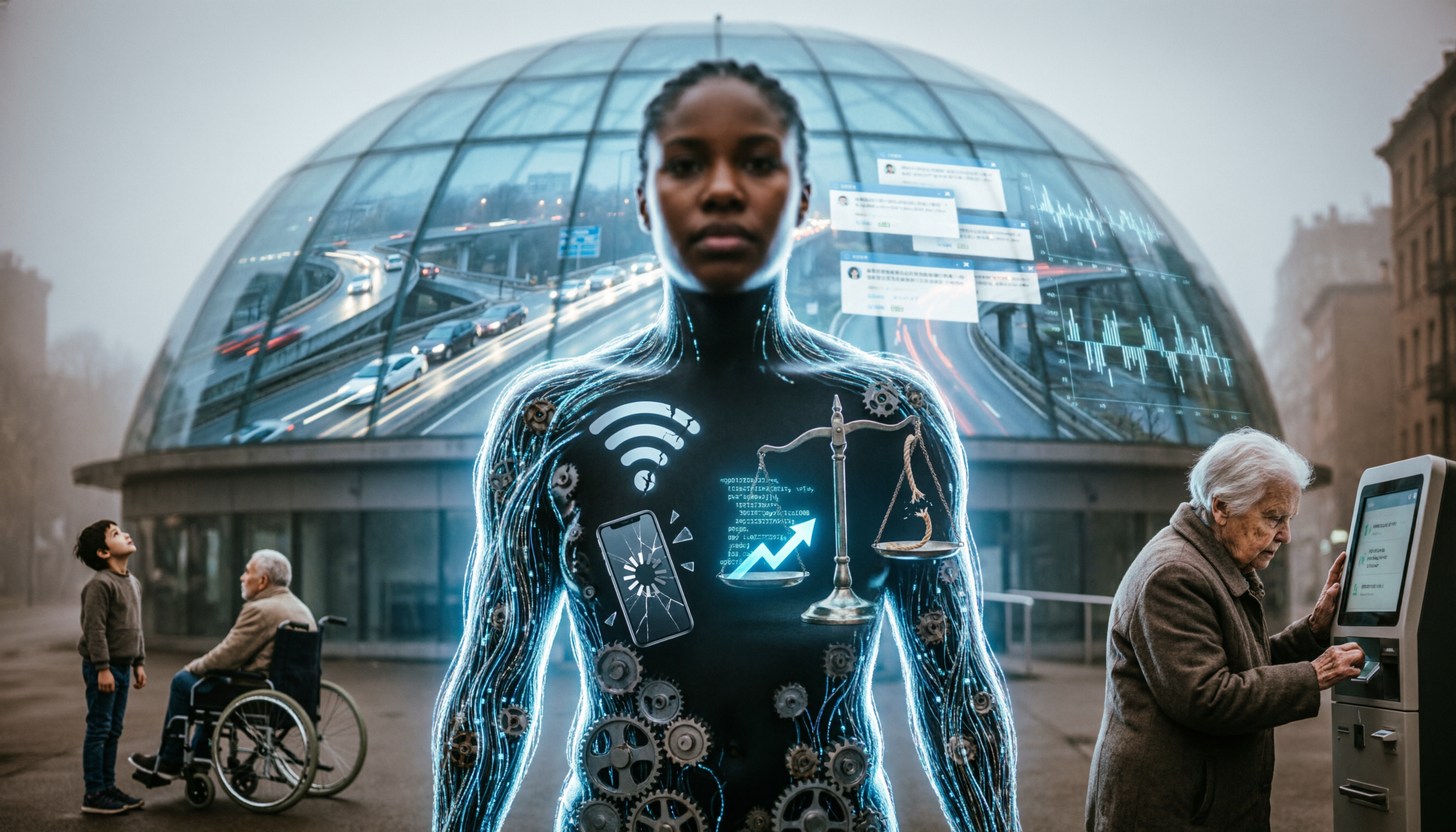
- The Digital Barrier: Ultra-efficient systems require fast connectivity, modern devices, and advanced digital literacy. Who doesn’t have access to these? They get left behind. 📱❌
- Data Bias: Algorithms trained on historical data tend to replicate past inequalities. If hiring history favored a specific group, the "efficiency" of AI will continue to do the same, just faster. 🤖⚠️
- Loss of Nuance: Efficiency hates exceptions. But human life is made of them. Elderly people, individuals with disabilities, or those in vulnerable situations often need more time, not less. A system optimized for the average ignores the edges—and it’s at the edges that inequality grows. 📉
💡 Intuition vs. Data: The Necessary Balance
This is where the crucial role of human intuition and critical analysis comes in. Data shows us what happened; intuition and empathy help us understand why and for whom it was fair.
It’s not about abandoning technology, but about humanizing efficiency.
✅ Ask yourself: "Does this optimization exclude anyone?"
✅ Analyze: "Who are the 'outliers' my model is ignoring?"
✅ Act: Use technology to include, not just to accelerate.
🎯 Conclusion
Efficiency without equity is just speed toward the abyss. True progress isn’t measured only by how much time we save, but by how many people we can include in the process.
And you? Have you seen any case where "efficiency" harmed more than it helped? Share your experience in the comments! 👇💬
#SocialEfficiency #DigitalInequality #AIethics #DataAnalysis #HumanizedManagement #TechnologyAndSociety #DigitalInclusion #EfficiencyParadox
GERMAN VERSION:
📉 Das Paradoxon der sozialen Effizienz: Wenn „Optimierung“ neue Ungleichheiten schafft 🚀
Haben Sie schon einmal das Gefühl gehabt, dass es für diejenigen, die „außerhalb des Algorithmus“ stehen, immer schwieriger wird, Schritt zu halten, je effizienter ein System wird? 🤔
Wir leben in einer Ära der extremen Optimierung. Ob in Unternehmen, Regierungen oder auf digitalen Plattformen – das Mantra ist immer dasselbe: mehr mit weniger tun, Reibungsverluste reduzieren und Prozesse beschleunigen. Aber was, wenn ich Ihnen sagen würde, dass dieses unermüdliche Streben nach perfekter Effizienz eine neue Form der sozialen Ausgrenzung schaffen könnte? 👇
🧠 Die Illusion der Neutralität
Effizienz eliminiert per Definition „Verschwendung“. Das Problem? Was für einen Datenmanager als „Verschwendung“ gilt, ist für andere Menschen oft Menschlichkeit, Anpassungszeit oder lokaler Kontext.
Wenn wir Kundenservice automatisieren, KI zur Vorauswahl von Lebensläufen einsetzen oder Lieferrouten optimieren, gehen wir davon aus, dass alle von derselben Ausgangsbasis starten. Tun sie aber nicht. 🌍
⚖️ Wo Ungleichheit ins Spiel kommt
- Die digitale Barriere: Hocheffiziente Systeme erfordern schnelle Internetverbindungen, moderne Geräte und fortgeschrittene digitale Kompetenz. Wer keinen Zugang dazu hat? Fällt zurück. 📱❌
- Datenverzerrung (Bias): Algorithmen, die mit historischen Daten trainiert werden, neigen dazu, vergangene Ungleichheiten zu reproduzieren. Wenn die Einstellungshistorie eine bestimmte Gruppe begünstigte, wird die „Effizienz“ der KI dies weiterhin tun – nur schneller. 🤖⚠️
- Verlust an Nuancen: Effizienz hasst Ausnahmen. Doch das menschliche Leben besteht aus ihnen. Ältere Menschen, Personen mit Behinderungen oder solche in vulnerablen Situationen benötigen oft mehr Zeit, nicht weniger. Ein System, das auf den Durchschnitt optimiert ist, ignoriert die Ränder – und genau an diesen Rändern wächst die Ungleichheit. 📉
💡 Intuition vs. Daten: Das notwendige Gleichgewicht
Hier kommt die entscheidende Rolle der menschlichen Intuition und der kritischen Analyse ins Spiel. Daten zeigen uns, was passiert ist; Intuition und Empathie helfen uns zu verstehen, warum es passiert ist und für wen es fair war.
Es geht nicht darum, Technologie aufzugeben, sondern darum, Effizienz zu humanisieren.
✅ Fragen Sie sich: „Schließt diese Optimierung jemanden aus?“
✅ Analysieren Sie: „Wer sind die ‚Ausreißer‘, die mein Modell ignoriert?“
✅ Handeln Sie: Nutzen Sie Technologie, um einzubeziehen, nicht nur um zu beschleunigen.
🎯 Fazit
Effizienz ohne Gerechtigkeit ist nur Geschwindigkeit in Richtung Abgrund. Wahrer Fortschritt wird nicht nur daran gemessen, wie viel Zeit wir sparen, sondern daran, wie viele Menschen wir in diesen Prozess einbeziehen können.
Und Sie? Haben Sie schon einmal einen Fall erlebt, in dem „Effizienz“ mehr geschadet als genützt hat? Teilen Sie Ihre Erfahrung in den Kommentaren! 👇💬
#SozialeEffizienz #DigitaleUngleichheit #KIEthik #Datenanalyse #HumanisiertesManagement #TechnologieUndGesellschaft #DigitaleInklusion #EffizienzParadoxon
KOREAN VERSION:
📉 사회적 효율성의 역설: '최적화'가 새로운 불평등을 낳을 때 🚀
시스템이 효율적으로 변할수록, '알고리즘 밖'에 있는 사람들이 따라가기 더 어려워진다고 느껴본 적이 있으신가요? 🤔
우리는 극단적인 최적화의 시대를 살고 있습니다. 기업, 정부, 디지털 플랫폼을 막론하고 그 모토는 항상 동일합니다. 더 적은 자원으로 더 많은 것을 성취하기, 마찰 줄이기, 프로세스 가속화하기. 하지만 완벽한 효율성에 대한 이러한 끝없는 추구가 오히려 새로운 형태의 사회적 배제를 만들어내고 있다면 어떨까요? 👇
🧠 중립성의 환상
정의상 효율성은 '낭비'를 제거합니다. 문제는 데이터 관리자에게 '낭비'로 간주되는 것이 다른 사람들에게는 인간다움, 적응 시간, 혹은 지역적 맥락일 수 있다는 점입니다.
고객 응대를 자동화하거나, 이력서 선별에 AI를 사용하거나, 배송 경로를 최적화할 때, 우리는 모든 사람이 동일한 출발선에 서 있다고 가정합니다. 하지만 현실은 그렇지 않습니다. 🌍
⚖️ 불평등이 개입되는 지점
- 디지털 장벽: 초효율적인 시스템은 빠른 인터넷 연결, 최신 기기, 고급 디지털 리터러시를 요구합니다. 이러한 접근성이 없는 사람들은 뒤처지게 됩니다. 📱❌
- 데이터 편향: 과거 데이터로 훈련된 알고리즘은 역사적 불평등을 재생산하는 경향이 있습니다. 만약 과거 채용 기록이 특정 집단을 우대했다면, AI의 '효율성'은 이를 더 빠른 속도로 계속 유지할 것입니다. 🤖⚠️
- 뉘앙스의 상실: 효율성은 예외를 싫어합니다. 하지만 인간의 삶은 예외로 가득 차 있습니다. 노인, 장애인, 취약 계층에 있는 사람들은 종종 더 적은 시간이 아니라 더 많은 시간이 필요합니다. 평균에 맞춰 최적화된 시스템은 주변부를 무시하며, 바로 그 주변부에서 불평등이 커져갑니다. 📉
💡 직관 vs 데이터: 필요한 균형
바로 여기서 인간적 직관과 비판적 분석의 결정적인 역할이 등장합니다. 데이터는 무엇이 일어났는지 보여주지만, 직관과 공감은 그것이 왜 일어났는지, 그리고 누구에게 공정한지 이해하도록 도와줍니다.
기술을 버리는 것이 아니라, 효율성을 인간화하는 것이 중요합니다.
✅ 자문하세요: "이 최적화가 누군가를 배제하지는 않는가?"
✅ 분석하세요: "내 모델이 무시하고 있는 '이상치(outliers)'는 누구인가?"
✅ 행동하세요: 기술을 단순히 가속화하기 위해 사용하는 것이 아니라, 포용하기 위해 사용하십시오.
🎯 결론
형평성이 없는 효율성은 나락으로 향하는 속도일 뿐입니다. 진정한 진보는 우리가 얼마나 많은 시간을 절약하느냐가 아니라, 이 과정에 얼마나 많은 사람을 포함시킬 수 있느냐로 측정되어야 합니다.
여러분은 어떻습니까? '효율성'이 도움보다 해를 끼친 사례를 본 적이 있나요? 댓글로 여러분의 경험을 공유해 주세요! 👇💬
#사회적효율성 #디지털불평등 #AI윤리 #데이터분석 #인간중심경영 #기술과사회 #디지털포용 #효율성의역설