Microdramas: la nueva forma de contar historias para una generación que ya vive en vertical 📱 [Esp+Eng] The new way of telling stories for a generation that already lives vertically 📱
(English version below).
Hola a todos.
Estuve un poco desconectado, pero ahora que regresé por acá, quería comentar sobre una cosa que me sorprendió. No es algo que sea nuevo, pero sí es algo que yo no sabía.
Un amigo me recomendó una app de series, que tiene también un sitio web para visualizarlas, y me topé con la extrañeza de que una serie en particular que me había recomendado tenía muchos capítulos... y al abrir el primero noté que duraba apenas poco más de 1 minuto... Yo no entendía qué era esto, hasta que pregunté y el amigo me explicó que era porque la app que me había indicado era para series de microdramas. Por si quieres ver la web y descargar su app, puedes visitar https://www.flextv.cc/
Hace apenas una semana yo tampoco sabía que existían los microdramas. Y, la verdad, me sorprendió bastante descubrirlos. Son esas producciones pensadas para la web, casi siempre en formato vertical, con capítulos tan cortos que rara vez pasan de los 2 minutos.
Y sí, aunque al principio suenan como una rareza más de internet, tienen mucho más sentido del que parece 😊
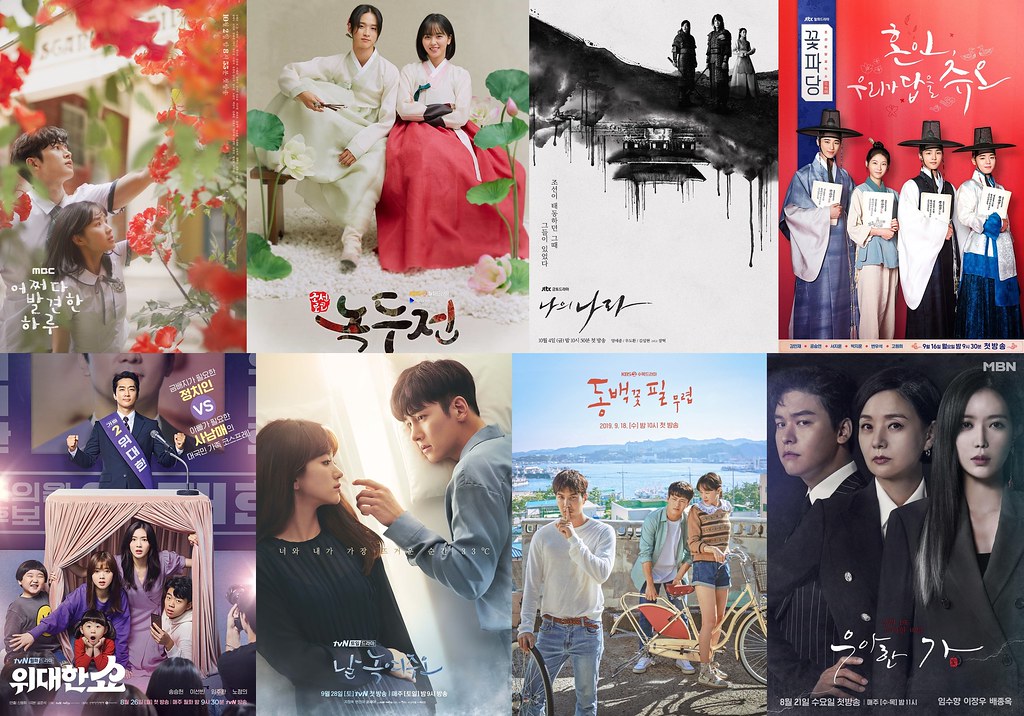
Qué son los microdramas
Los microdramas son series hechas para verse rápido. Muy rápido. No están pensadas para sentarse una hora frente a la pantalla. Tampoco para esperar una gran introducción. Van directo al punto.
Su duración breve los hace distintos de las series tradicionales. En vez de contar una historia en capítulos largos, la dividen en escenas cortas, intensas y fáciles de consumir desde el celular.
Eso los convierte en un formato muy útil para la web y para las apps. También explica por qué han empezado a ganar espacio entre quienes buscan entretenimiento inmediato.
Un formato hecho para el celular
El microdrama encaja perfecto con una forma de ver contenido que ya es muy común hoy. La pantalla vertical dejó de ser una rareza. Ahora es casi el lenguaje natural del consumo digital.
Reels, Shorts, clips breves y videos cortos nos acostumbraron a mirar historias en pocos segundos o en muy poco tiempo. Entonces, cuando aparece una serie que dura apenas uno o dos minutos por episodio, la adaptación es inmediata 📲
No hace falta cambiar demasiado el hábito. Solo abrir el video y seguir.
La generación que vive saltando de un clip a otro
Durante años se habló de la llamada generación Twitter, como una forma de describir a usuarios que ya no toleraban demasiado texto o demasiado tiempo de espera. Hoy ese fenómeno parece haberse expandido todavía más.
Ahora vivimos en una cultura de consumo rápido. Muchos usuarios pasan de un video a otro sin detenerse demasiado. De un reel a un short. De un clip a otro. Todo con una velocidad enorme.
Eso ha hecho que la retentiva y la atención parezcan más frágiles. O, al menos, más dispersas. La experiencia digital actual empuja a mirar mucho, pero por poco tiempo. Y ahí es donde los microdramas encuentran su espacio.
No exigen paciencia larga. No piden un compromiso de una hora. Solo ofrecen una pequeña dosis de historia que se consume al instante.
Por qué este formato tiene tanto sentido
Si uno lo piensa bien, los microdramas nacen de dos realidades muy claras:
- Hay cada vez menos tiempo libre.
- Hay cada vez más competencia por la atención.
Eso significa que una serie larga no siempre encaja con la rutina diaria. Pero un episodio de 1 o 2 minutos sí puede verse mientras esperas el bus, tomas un café o haces una pausa corta en el trabajo.
Y eso cambia todo. Porque el entretenimiento ya no depende solo de sentarse y mirar. Ahora también depende de cuándo, dónde y cómo tienes unos segundos disponibles.
En ese sentido, el microdrama no es una rareza. Es una respuesta lógica a la vida actual.
Historias pensadas para enganchar rápido
Otra cosa interesante es que estos contenidos están diseñados para atrapar en muy poco tiempo. No hay espacio para rodeos largos. La historia tiene que arrancar pronto y dejar una razón para seguir viendo.
Por eso suelen usar recursos muy directos:
- conflictos intensos,
- giros rápidos,
- Personajes fáciles de identificar,
- y finales que invitan al siguiente episodio.
Todo está pensado para mantener el interés en un entorno donde el espectador puede irse con un solo toque de pantalla.
Eso hace que el microdrama sea muy efectivo. También lo vuelve muy diferente de las series clásicas.
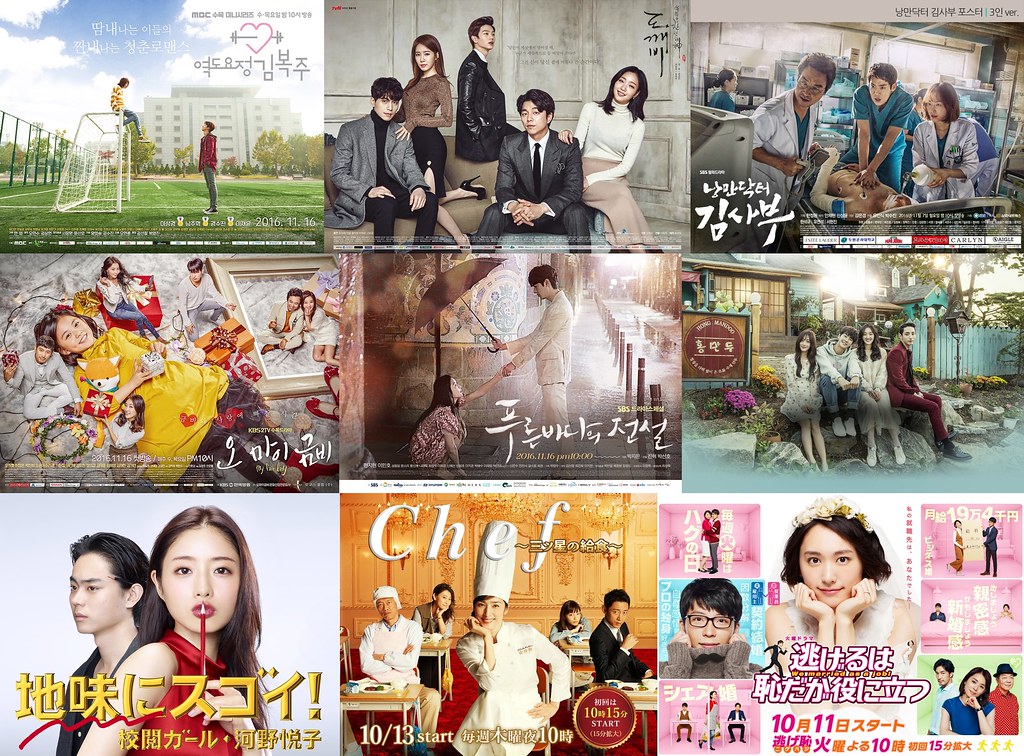
Entre lo nuevo y lo familiar
Aunque el formato sea nuevo, la idea detrás sigue siendo la misma de siempre: contar una historia que conecte con la gente. Solo que ahora se hace de una manera más rápida, más compacta y más adaptada al consumo digital.
En el fondo, los microdramas toman elementos que ya conocemos de las telenovelas, los dramas seriados y los relatos por capítulos. Pero los comprimen hasta llevarlos a una versión más ligera y más inmediata.
Y eso explica por qué pueden resultar tan adictivos 👀
Una señal clara de cómo cambian los hábitos
Este tipo de producción no solo habla de entretenimiento. También habla de nosotros como audiencia. Muestra cómo ha cambiado nuestra relación con el tiempo, con la pantalla y con la atención.
Antes, una serie competía con otras series. Hoy compite con todo:
- notificaciones,
- redes sociales,
- mensajes,
- videos cortos,
- y una enorme cantidad de estímulos al mismo tiempo.
En ese panorama, los microdramas se sienten como una pieza más del nuevo ecosistema digital. No necesitan mucho. Solo necesitan llegar rápido.
Lo que me dejó esta idea
Lo que más me llamó la atención fue darme cuenta de que llevaba muy poco tiempo sin saber que este formato existía. Y aun así, una vez lo conoces, entiendes de inmediato por qué crece tanto.
Los microdramas son el reflejo de una época que quiere historias breves, visuales y directas. Son parte de esa cultura donde todo pasa en la pantalla del teléfono y donde el contenido tiene que captar atención casi de inmediato.
Quizá por eso resultan tan interesantes. Porque no solo cuentan historias. También muestran cómo estamos cambiando nosotros como espectadores 😊
Para finalizar:
Si te interesan las series, los formatos digitales y las nuevas formas de narrar, vale la pena mirar de cerca a los microdramas. Son cortos, verticales y muy actuales. Pero también dicen mucho sobre el presente.
Y aunque uno llegue tarde a descubrirlos, la verdad es que siguen ahí, creciendo, adaptándose y capturando a una audiencia que cada vez dispone de menos tiempo y de menos paciencia para historias largas.
Tal vez por eso están funcionando tan bien. Porque entienden algo esencial: hoy la atención dura poco, pero el deseo de ver una buena historia sigue intacto ✨

Microdramas: the new way of telling stories for a generation that already lives vertically 📱
Hello everyone. I was a little disconnected, but now that I'm back here, I wanted to comment on something that surprised me. It's not something that's new, but it's something that I didn't know.
A friend recommended a series app to me, which also has a website for viewing the series. I found it strange that a particular series he had recommended had many chapters, and when I opened the first one, I noticed it lasted just over 1 minute. I didn't understand what the issue was until I asked, and the friend explained to me that it was because the app he had indicated to me was for microdrama series. If you want to see the website and download the app, you can visit https://www.flextv.cc/
Just a week ago I didn't know that microdramas existed either. And, the truth is, I was quite surprised to discover them. They are those productions designed for the web, almost always in vertical format, with chapters so short that they rarely exceed 2 minutes.
And yes, although at first they sound like just another internet oddity, they make much more sense than it seems 😊
What are microdramas
Microdramas are series made to watch quickly. Very fast. They are not designed to sit in front of the screen for an hour. Nor to expect a great introduction. They get straight to the point.
Their short duration makes them different from traditional series. Instead of telling a story in long chapters, they divide it into short, intense scenes that are easy to consume from your cell phone.
That makes them a very useful format for the web and apps. It also explains why they have begun to gain space among those seeking immediate entertainment.
A format made for the cell phone
Microdrama fits perfectly with a way of viewing content that is already very common today. The vertical screen is no longer a rarity. Now it is almost the natural language of digital consumption.
Reels, Shorts, short clips and short videos got us used to watching stories in a few seconds or in a very short time. So, when a series appears that lasts just one or two minutes per episode, the adaptation is immediate 📲
It is not necessary to change the habit too much. Just open the video and continue.
The generation that lives jumping from one clip to another
For years there was talk of the so-called Twitter generation, as a way of describing users who could no longer tolerate too much text or too much waiting time. Today this phenomenon seems to have expanded even more.
We now live in a culture of rapid consumption. Many users move from one video to another without stopping too much. From a reel to a short. From one clip to another. All with enormous speed.
This has made retention and attention seem more fragile. Or, at least, more dispersed. The current digital experience pushes us to watch a lot, but for a short time. And that is where microdramas find their space.
They do not require long patience. They don't ask for a one-hour commitment. They only offer a small dose of history that is consumed instantly.
Why this format makes so much sense
If you think about it, microdramas are born from two very clear realities:
- There is less and less free time.
- There is more and more competition for attention.
That means a long series doesn't always fit into your daily routine. But a 1 or 2 minute episode can be watched while you wait for the bus, have a coffee, or take a short break at work.
And that changes everything. Because entertainment is no longer just about sitting back and watching. Now it also depends on when, where and how you have a few seconds available.
In that sense, microdrama is not a rarity. It is a logical response to today's life.
Stories designed to engage quickly
Another interesting thing is that these contents are designed to catch you in a very short time. There is no room for long detours. The story has to start soon and leave a reason to continue watching.
That is why they usually use very direct resources:
- intense conflicts,
- fast turns,
- easy to identify characters,
- and endings that invite the next episode.
Everything is designed to maintain interest in an environment where the viewer can leave with a single touch of the screen.
That makes the microdrama very effective. It also makes it very different from the classic series.
Between the new and the familiar
Although the format is new, the idea behind it remains the same as always: tell a story that connects with people. Only now it is done in a faster, more compact way and more adapted to digital consumption.
Basically, microdramas take elements that we already know from soap operas, serial dramas and chapter-based stories. But they compress them to a lighter and more immediate version.
And that explains why they can be so addictive 👀
A clear sign of how habits change
This type of production doesn't just talk about entertainment. It also speaks to us as an audience. It shows how our relationship with time, with the screen and with attention has changed.
Before, a series competed with other series. Today it competes with everything:
- notifications,
- social networks,
- messages,
- short videos,
- and a huge amount of stimuli at the same time.
In this panorama, microdramas feel like another piece of the new digital ecosystem. They don't need much. They just need to get there quickly.
What gave me this idea
What caught my attention the most was realizing that I hadn't known that this format existed for a very short time. And yet, once you know him, you understand immediately why it grows so much.
Microdramas are the reflection of an era that wants short, visual and direct stories. They are part of that culture where everything happens on the phone screen and where the content has to capture attention almost immediately.
Maybe that's why they are so interesting. Because they don't just tell stories. They also show how we as viewers are changing 😊
In the end:
If you are interested in series, digital formats and new ways of narrating, it is worth looking closely at microdramas. They are short, vertical and very current. But they also say a lot about the present.
And even if one is late to discover them, the truth is that they are still there, growing, adapting and capturing an audience that increasingly has less time and less patience for long stories.
Maybe that's why they are working so well. Because they understand something essential: today attention is short-lived, but the desire to see a good story remains intact ✨
Las imágenes usadas pertenecen a sus repectivas fuentes, se ha procurado usar imágenes con licencia de uso público.
The images used belong to their respective sources, efforts have been made to use images with a public use license.
It’s just not my thing at all... I want to focus on the stories, capture them in minute detail... And with a tiny little thing like that, I can’t manage a big scoop of ice cream ;-)))
I think something similar is happening to me, which is why this format caught my attention. It's like what happened a couple of decades ago, when I enjoyed reading blog posts of more than 350 words, and then suddenly I was hit with the rise of Twitter (X, nowadays) and discovered something called microblogging.
From my perspective, I suppose it resonates with me because it's like a generational shift, a new style of content consumption that doesn't fit with what I usually look for.
There's a hug difference between being able to write a micostory and get to the point, being direct than your statement that this is the natural result of people lacking time. People don;t lack time. More and more a jobless, have parttime jobs, plenty of time to spend hours on the internet staring at a screen.
Los asiáticos siempre a la vanguardia. Imagino que mantener la coherencia de la historia será aún más difícil que en los dramas tradicionales, pero la ventaja es que probablemente no se den cuenta 😆
Miré un poco y parece que en la mayoría de los casos logran llevar la coherencia bien, aunque sospecho que tendrán sus propias complicaciones.
Aunque los que he visto son de origen asiático, me comentaron que también se encuentra este formato en otras partes del mundo; lo que pasa es que no me he puesto a buscar más.
Me llegó a aparecer publicidad de una app con novelas, creo que americanas, pero no le presté atención, tal vez sea del estilo de micro-dramas.
Por cierto, estaba escuchando en un podcast que ahora ciertas universidades están dando cursos de "Leer textos largos", lo que nos da una idea del drama real de la juventud.
Imagina dar a una persona de menos de 30 años un libro del volumen de La Guerra y La Paz o algo de más de 300 páginas... Tengo mis dudas de que puedan estar concentrados todo el tiempo necesario para terminarlo... Habrá excepciones, espero!
Fuente de imagen GIF.
No puedo evitar reírme con la idea de que se necesite un curso para que las nuevas generaciones aprendan a leer textos largos... En serio, tiene sentido en nuestra era actual, pero aun así me resulta demasiado gracioso; es como si tuviéramos que enseñar en la universidad la tabla de sumar otra vez.
Pues es anecdótico y preocupante a la vez. Lo de las habilidades matemáticas no está lejos de ser verdad. Cada vez hay menos personas que puedan hacer cálculos mentales.
Hay un cuento de Asimov en el que en un futuro lejano la resolución de problemas matemáticos a lápiz y papel se consideraba magia porque la humanidad olvidó los procesos por la automatización. Tal vez sea menos ciencia ficción de lo que pensamos!
Upvoted! Thank you for supporting witness @jswit.
🎉 Congratulations!
Your post has been upvoted by the SteemX Team! 🚀
SteemX is a modern, user-friendly and powerful platform built for the Steem community.
🔗 Visit us: www.steemx.org
✅ Support our work — Vote for our witness: bountyking5
Yo prefiero seguir disfrutando de otros formatos.
¿Estos formatos se adaptaron a nosotros o cada vez nos hacen más consumidores de contenido instantáneo?
@blessedlife 🌷
Estos formatos responden a una lógica distinta.
Según leí, en parte tenía que ver con lo sobrecargado de trabajo que estaban las personas en varios países asiáticos, así que sus pausas para usar el baño o para tomar café eran utilizadas también para consumir algún contenido de esparcimiento, ya que el tiempo de entretenimiento del que pueden contar es realmente muy poco. Así que en lugar de capítulos de 25 minutos o películas de más de 1 hora, consumen un par de episodios de poco más de 1 minuto y siguen con sus labores.
Es un poco estresante pensar en esa clase de ambiente de sobrecarga laboral, pero se entiende que esta clase de realidad económica puede ser una explicación del surgimiento de este formato para series.
Si esa es la causa, es más triste aún, se vive para trabajar y disfrutar de un minuto de entretenimiento.
Suele pasar que incluso tras estas cosas sencillas hay razones que no suelen ser agradables. En serio que esta gente se mata trabajando, todo como parte del sistema de producción y la lógica económica más despiadada.
I find it hard to believe that we have less time. That’s a fixed idea, something many people have convinced themselves of. The opposite is true. There are all sorts of technologies that have taken the work off many people’s hands – think of the washing machine, the fridge (no more preserving food), the supermarket (no longer having to tend a vegetable garden yourself); socks are no longer darned, personal conversations are no longer held, and people no longer do things together, yet they can spend hours on WhatsApp and the internet. This is a personal choice, partly imposed by the media and retailers, and has nothing to do with an actual lack of time.
Many of our ancestors walked for hours to work, worked 12 hours a day, and then walked back home to work in the vegetable garden. I think it’s more likely that all the luxury and temptations have gone to the average person’s head. First with the advent of television, then gaming, and now the internet. We can safely say that a lot of time is wasted hanging about and waiting for something of interest to appear on the screen.
The average person has a severe lack of skills and can barely read or write anymore, and on top of that we now have AI, which completely numbs the brain.
Are these micro-dramas the solution for the truly stressed individual? I think they would be better off using that brief pause to rest and do nothing for a while.
It’s strange that you don’t see the negative side of this. Nothing but anti-social people staring at their screens, unable to interact socially with one another or strike up a conversation.