DeFi Changed How I Think About Money, And I Never Even Walked Into A Bank
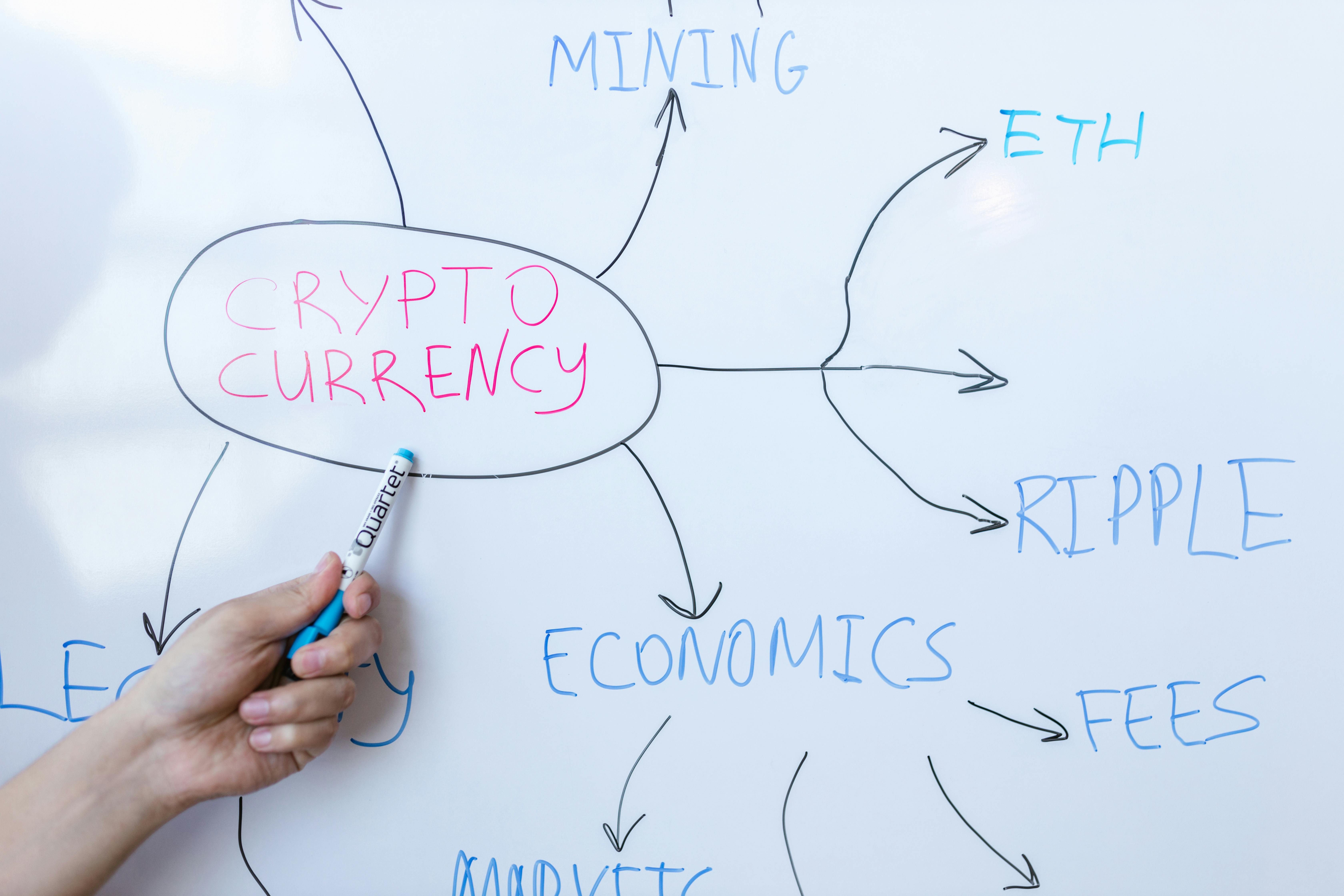
Two years ago, if you had asked me what DeFi meant, I would have given you a blank stare. I had heard the word thrown around in crypto conversations but always assumed it was too technical, too risky, or simply not relevant to someone like me, a person who just wanted to understand money better without becoming a full-time trader.
Then a friend walked me through what it actually was. Not the jargon version, the simple version. And something clicked that has not unclicked since.
What DeFi actually is, without the jargon
DeFi stands for Decentralised Finance. At its core, it is a system of financial tools and services — lending, borrowing, saving, trading — that run on blockchain networks without any bank, broker, or institution in the middle. Everything is governed by smart contracts: self-executing pieces of code that do exactly what they are programmed to do, automatically, without human interference.
Think about what a bank actually does. It holds your money, lends it to others, collects interest, and gives you a fraction of that back as savings interest. DeFi does the same thing — but cuts out the middleman entirely. The interest you earn goes directly to you. The fees you pay go to the network, not a corporation's shareholders. And nobody can freeze your account, deny your transaction, or ask you to fill out three forms and wait five business days.
The part that genuinely surprised me
What surprised me most was not the technology — it was the access. Over 1.4 billion people worldwide have no access to basic banking services. Not because they do not want it, but because traditional finance was simply not built for them — no credit history, no fixed address, no minimum balance. DeFi requires none of that. All you need is a smartphone and an internet connection. That is it.
For someone in a country with an unstable currency or a collapsed banking system, DeFi is not a tech trend. It is a lifeline. That realisation changed the way I think about what financial freedom actually means — and who deserves access to it.
DeFi is powerful but it comes with real risks — smart contract bugs, token volatility, and scam projects are all very real. Always research before you commit funds, start with small amounts, and only use established, audited platforms. Understanding what you are using is not optional — it is essential.
Where I stand on it today
I am not a DeFi maximalist. I still use a regular bank for most of my day-to-day finances. But I also think that anyone who is curious about the future of money owes it to themselves to understand what DeFi is trying to build — because whether it succeeds or partially fails, it has already asked questions about traditional finance that are not going away.
Why does an international wire transfer take three days and cost twenty dollars? Why does a savings account offer 0.1% interest while the bank lends your money out at 8%? DeFi did not invent these questions. It just made them impossible to ignore.
Are you already exploring DeFi, or is it still on your to-learn list? Tell me where you are at in the comments — I would love to hear different perspectives.