If Bees Disappeared Tomorrow, Most Of Your Food Would Follow Within Four Years
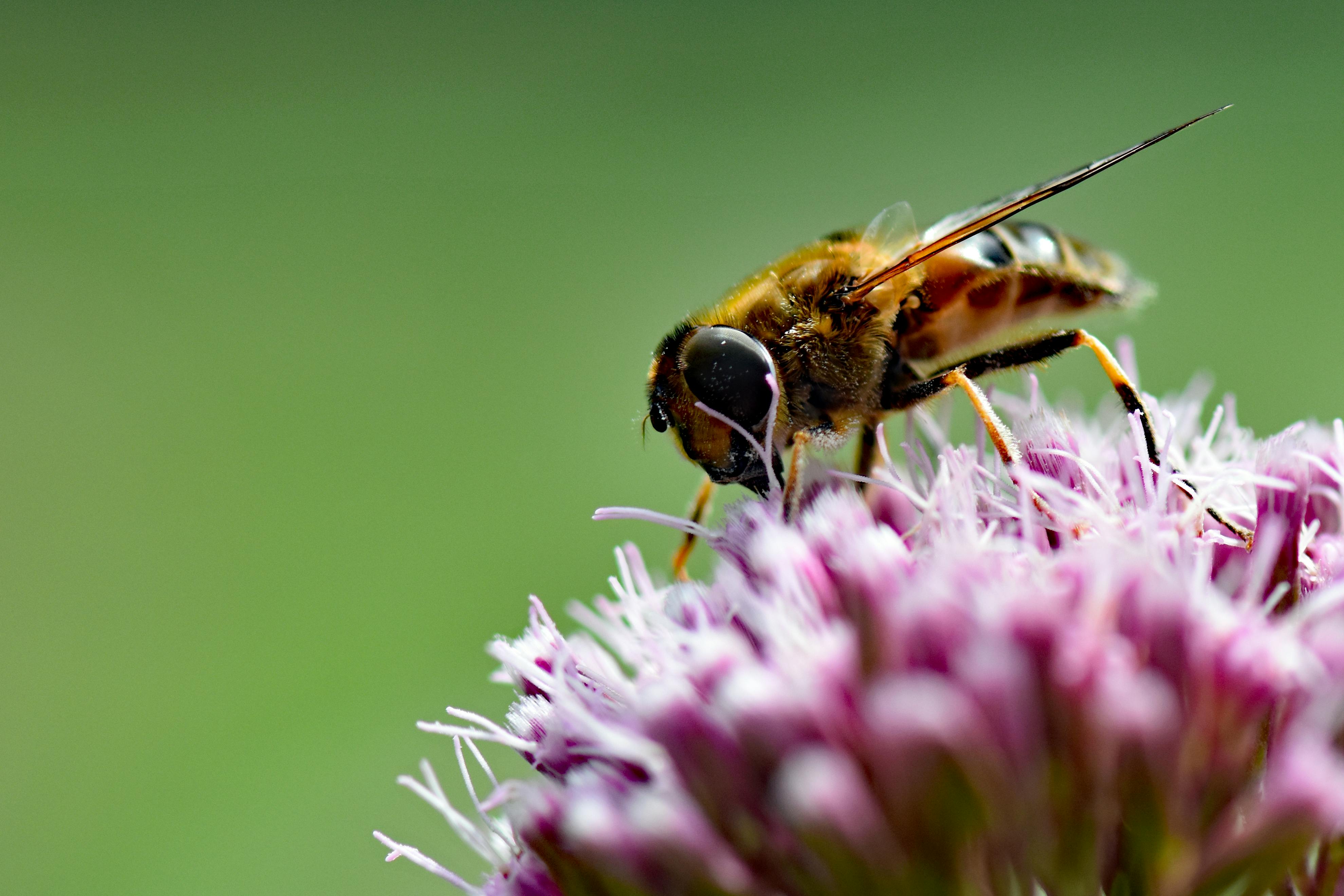
The last time I really stopped to watch a bee, I mean truly stopped and watched — it was hovering over a patch of lavender outside a café, completely absorbed in what it was doing. Unhurried, purposeful, entirely unbothered by the world moving around it. I sat there for several minutes just watching. It is remarkable how something so small can carry so much of the world's weight without any of us noticing.
Because here is what most people do not realise: roughly one third of the food we eat every day exists because a bee landed on a flower at the right moment. Apples, almonds, blueberries, avocados, tomatoes, cucumbers, onions, broccoli — the list goes on and on. Bees do not just make honey. They make agriculture possible. They are the invisible workforce behind every meal.
What is actually happening to bee populations
Bee populations across the world have been declining sharply for several decades. In the United States alone, beekeepers report losing between 30 and 40 percent of their colonies every single year. In Europe, many wild bee species are now classified as endangered. The causes are not mysterious — habitat loss, pesticide exposure, disease, climate disruption, and the replacement of diverse wildflower meadows with monoculture farming have combined to create conditions that bees simply cannot survive in the way they once did.
The economic value of what bees provide — pollination services for global agriculture — is estimated at over 150 billion dollars annually. No technology currently exists that can replicate what they do at that scale and at that cost. When researchers have attempted hand-pollination as an alternative, the labour required is so immense that it makes certain crops economically unviable. We are not talking about a minor inconvenience. We are talking about the structural foundation of how human beings feed themselves.
What you can actually do — and why it matters
The good news is that bees are remarkably responsive to small positive changes in their environment. Planting even a window box of wildflowers — lavender, borage, marigolds, or clover — gives local bees a feeding source that can support an entire colony. Avoiding pesticides in your garden, even the ones marketed as "safe," makes a measurable difference. Leaving a small patch of your garden a little wild — some bare soil for ground-nesting bees, some hollow stems for solitary species — costs nothing and provides habitat that is genuinely rare in urban environments.
Buying local honey from small-scale beekeepers supports the people actively working to maintain healthy colonies. Choosing organic produce where you can reduces the demand that drives the pesticide use harming wild pollinators. These are not heroic acts. They are small, ordinary choices that compound across millions of people into something significant.
You do not need a garden to help bees. A single pot of lavender on a balcony, a window box of wildflowers, or even a shallow dish of water left outside in summer makes a real difference to the bees in your neighbourhood. Small things, done by enough people, change ecosystems.
Why I keep thinking about that bee at the café
Because it had no idea how much depended on it. It was just doing the only thing it knew how to do — and in doing so, it was holding up a corner of the world that most of us never see. That feels like a lesson about quiet, consistent contribution that goes far beyond ecology.
Have you ever planted anything specifically to support pollinators, or is this something you are thinking about starting? Tell me in the comments — I would genuinely love to hear.
#nature #environment #bees #biodiversity #conservation #steemexclusive