Most People Have Never Seen A Real Night Sky, And That Is A Bigger Loss Than We Realise
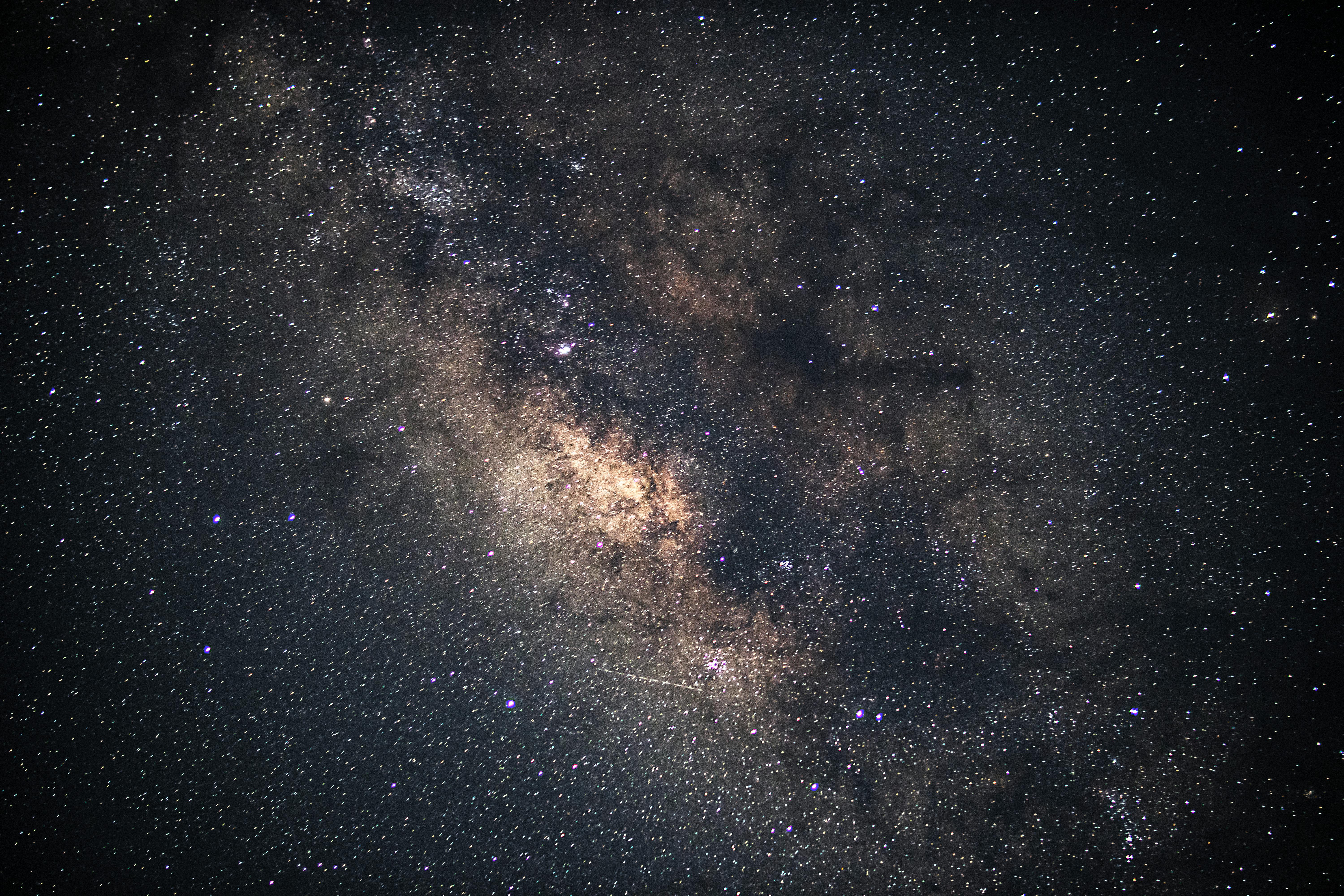
The first time I saw the Milky Way with my naked eye, I was twenty-six years old. I had driven three hours out of the city with a friend, parked on a dirt road in the middle of nowhere, and laid down on the bonnet of the car just to look up. What I saw stopped my breath completely. Not a handful of stars scattered across a dark sky — a river of light. Thousands upon thousands of stars, layered in depth, the faint smear of our own galaxy stretching from one horizon to the other.
I had seen photographs of it. I thought I knew what to expect. I had no idea. And the thing that hit me hardest, lying there on that car bonnet in the dark, was the thought that this had been above every human being who had ever lived — every night of their entire lives — and I had simply never been somewhere dark enough to see it.
What light pollution is actually doing to our skies
Today, roughly one third of humanity — including 99 percent of people in Europe and the United States — live under skies so polluted by artificial light that they cannot see the Milky Way at all. Not dimly. Not partially. Not at all. A child growing up in most cities on Earth will reach adulthood having never seen more than a dozen stars on any given night, because the glow from streetlights, buildings, advertising, and vehicles washes out everything else.
This is called light pollution, and unlike most environmental issues, it is almost entirely invisible to the people causing it. We do not see it because we are inside it. But from above — from a satellite image of Earth at night — the scale of what we have done to our darkness is staggering. Entire continents glow orange.
Why this matters beyond stargazing
Light pollution is not just an aesthetic problem. Artificial light at night disrupts the circadian rhythms of humans and animals alike. It disorients migrating birds — hundreds of millions die every year flying into lit buildings. It confuses sea turtles who navigate by moonlight. It affects insect populations, plant growth cycles, and the feeding patterns of nocturnal predators. The web of consequences from flooding the night with artificial light is still being mapped, but what scientists have found so far is not reassuring.
For humans, chronic exposure to artificial light at night — particularly blue-spectrum light from screens and LED streetlights — suppresses melatonin production, disrupts sleep quality, and has been linked in research to increased rates of certain cancers, depression, and metabolic disorders. The night was never meant to be this bright.
You do not need to travel far to reduce light pollution's impact. Switch outdoor lights to motion sensors. Use warm-toned, downward-facing bulbs. Draw your curtains at night. And once a year, make the effort to drive somewhere genuinely dark and look up. It will change something in you that is hard to put into words.
What we are in danger of forgetting
For most of human history, the night sky was the universal ceiling — the same view available to a farmer in ancient Mesopotamia, a sailor crossing the Pacific, a child lying in a field anywhere on Earth. It inspired mythology, religion, navigation, science, and a sense of our own smallness that is genuinely difficult to access any other way. We have not just polluted the sky. We have quietly disconnected ourselves from something that once kept us honest about our place in the universe.
That seems worth paying attention to.
Have you ever seen a truly dark night sky? Where were you, and what did it feel like? Tell me in the comments — I would genuinely love to know.
#nature #environment #nightsky #lightpollution #astronomy #steemexclusive