The Ocean Gave Me Everything — And I Spent Years Giving It Nothing Back
I grew up twenty minutes from the sea. Every summer of my childhood was salt water and sunburn and the particular kind of freedom that only exists when you are eight years old and the ocean feels infinite. The beach was where I learned to swim, where I had my first real conversations with my father, where I went alone when things felt too heavy at home. That stretch of coastline shaped me more than any classroom ever did.
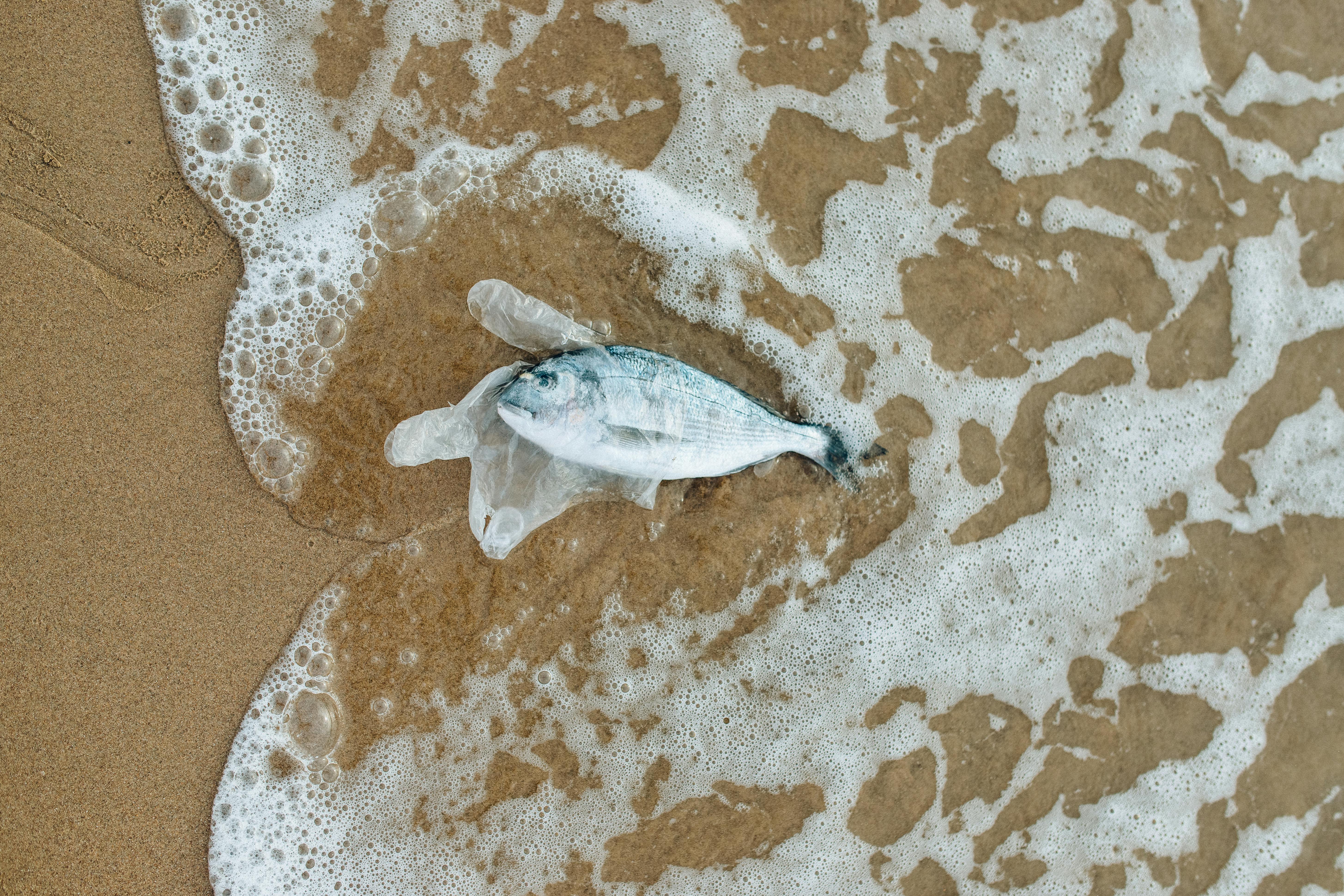
Last year I went back for the first time in a decade. The water was still beautiful. But the beach — the same beach where I had spent hundreds of summer hours — was lined with plastic. Bottles, wrappers, bags tangled in the seagrass, a single shoe half-buried in the sand. And standing there, I felt something shift. A quiet, uncomfortable question: what exactly had I ever done to protect the place that had given me so much?
The inconvenient truth about ocean plastic
Every year, around 8 to 10 million metric tonnes of plastic enters the world's oceans. Most of it does not come from ships or factories dumping waste directly into the sea. Most of it starts on land — streets, rivers, drains — and travels outward. Which means most of it starts with decisions made by ordinary people in ordinary moments. A dropped wrapper. A bag left on a bench. A bottle not recycled.
The ocean does not distinguish between accidental and careless. It just accumulates what we send its way.
What I did when I got back home
I will not pretend I came back from that beach trip and overhauled my entire life overnight. But I did make a few concrete changes that have stuck. I switched to a reusable water bottle and have not bought a plastic one since. I started carrying a small cloth bag so I never need a plastic one at the shop. And once a month I join a local beach or riverbank cleanup — two hours, gloves, a bin bag, and a small group of people who just quietly get on with it.
None of it is heroic. All of it is achievable. And every single piece of plastic that does not reach the water is a small but real victory.
You do not have to save the entire ocean. You just have to stop contributing to its destruction — one small, consistent choice at a time. That is enough. That is actually more than enough.
Why this matters beyond the environment
Over three billion people rely on the ocean as their primary source of food and income. Coral reefs support roughly 25% of all marine life. The ocean produces more than half of the oxygen we breathe. This is not abstract environmentalism. This is the infrastructure of human survival — and right now it is carrying a weight it was never designed to hold.
The beach I grew up on deserves better than I gave it for most of my adult life. So do all the others. So does the generation that will inherit them.
Have you ever visited a place from your childhood and found it changed in ways that hurt to see? Tell me about it in the comments.
#nature #environment #ocean #sustainability #climateaction #steemexclusive