Trees Are Not Just Plants — They Are The Oldest Living Libraries On Earth
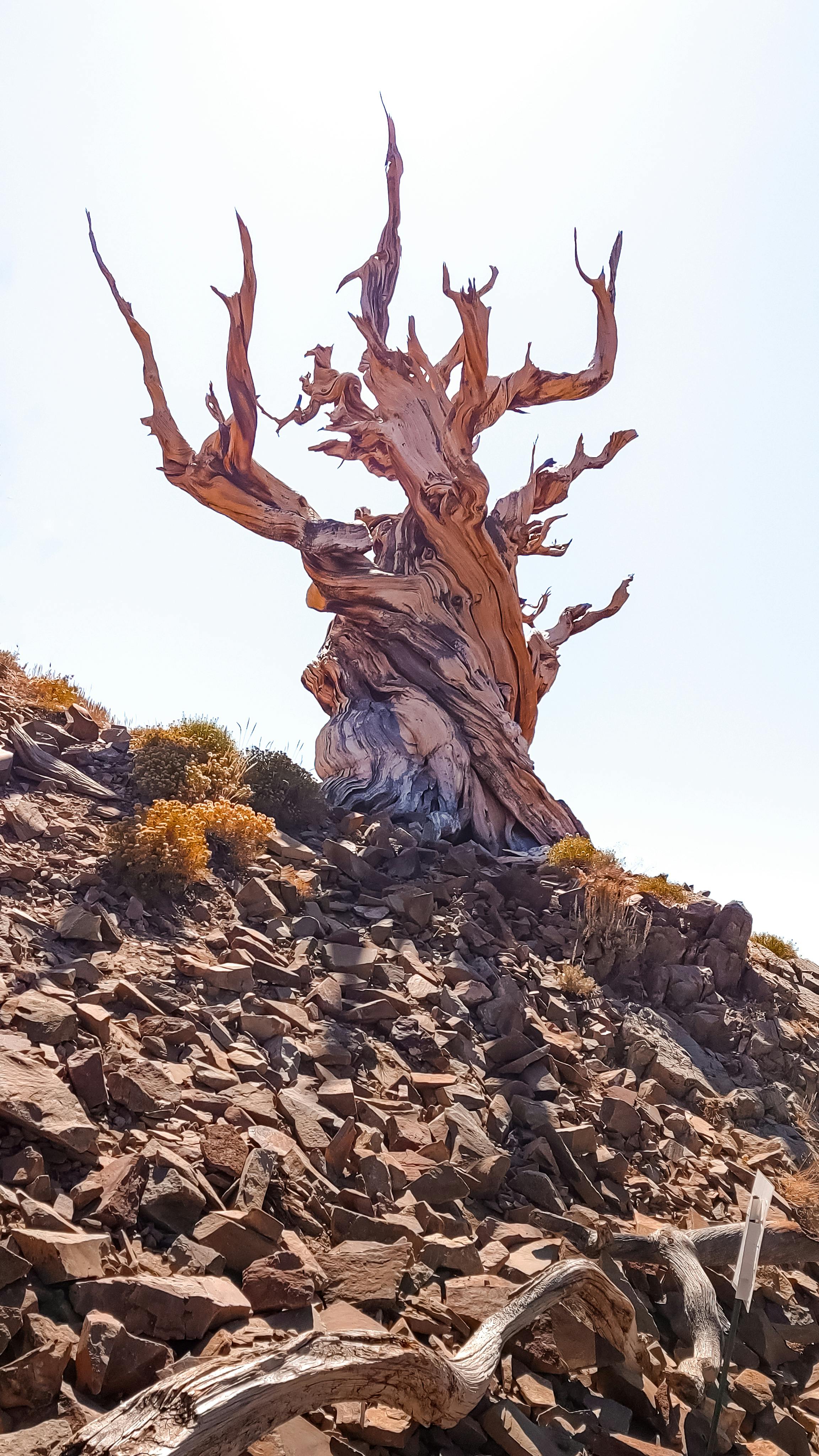
There is a tree in California called Methuselah. It is a bristlecone pine growing quietly in the White Mountains, and it is approximately 4,850 years old. That means it was already a mature tree when the Egyptian pyramids were being built. It was alive during the rise and fall of entire civilisations. It has survived ice ages, droughts, wildfires, and centuries of human activity — and it is still standing today, silently recording time in its rings.
I think about that tree more than I probably should. Because whenever I feel impatient or overwhelmed by the pace of modern life, the existence of Methuselah puts things into a perspective that nothing else quite manages.
What trees actually do that we rarely talk about
Most people know that trees produce oxygen and absorb carbon dioxide. But that is only the beginning of what they do. A single mature tree can absorb up to 48 pounds of carbon dioxide per year and release enough oxygen to support two human beings. An acre of healthy forest can absorb more carbon than is produced by driving a car 26,000 miles.
But trees also communicate. Research over the last two decades has revealed that forests are connected underground through vast fungal networks — sometimes called the Wood Wide Web — through which trees share nutrients, send chemical warning signals to neighbours under attack from insects, and even support struggling younger trees by transferring sugars through the roots. A forest is not a collection of individual organisms competing for resources. It is a community, actively cooperating to survive.
What we lose when we lose a tree
Every mature tree that is cut down takes with it decades of stored carbon, a habitat for dozens of species of birds, insects, and fungi, and an irreplaceable part of the local water cycle. Trees regulate rainfall through a process called transpiration — releasing water vapour that eventually returns as rain. Regions that have lost significant forest cover consistently experience more droughts, more flooding, and more extreme temperatures. We do not just lose trees when we deforest. We destabilise entire ecosystems.
And we cannot simply replace an old tree with a new one. A sapling planted today will take a hundred years to provide a fraction of what a century-old tree offers. Reforestation matters enormously — but it is not a substitute for protecting what already exists.
The best time to plant a tree was twenty years ago. The second best time is today. Even a single tree in your garden or neighbourhood makes a measurable difference to local air quality, temperature, and biodiversity.
A different way of seeing the trees around you
Next time you walk past an old tree, I want to invite you to stop for just a moment. Put your hand on the bark. Think about how long it has been standing there — before your street existed, before your city had its name, possibly before your country had its borders. That tree has outlived everyone who has ever worried about the things you are worried about today.
There is something deeply calming about that. And something deeply motivating too — because that tree needs us to be paying attention right now, in ways that previous generations simply were not.
What is the oldest or most remarkable tree you have ever seen? Tell me in the comments — I would genuinely love to know.
#nature #environment #trees #conservation #earth #steemexclusive
The photos turned out beautifully. They remind me of scenes from movies or TV series with a biblical subject.
Thank you so much! I really appreciate your kind words. I'm glad the photos gave you that cinematic, biblical vibe—that means a lot!