Weeding My Ginger Farm: Weed Control Is Important for Healthy Ginger Growth
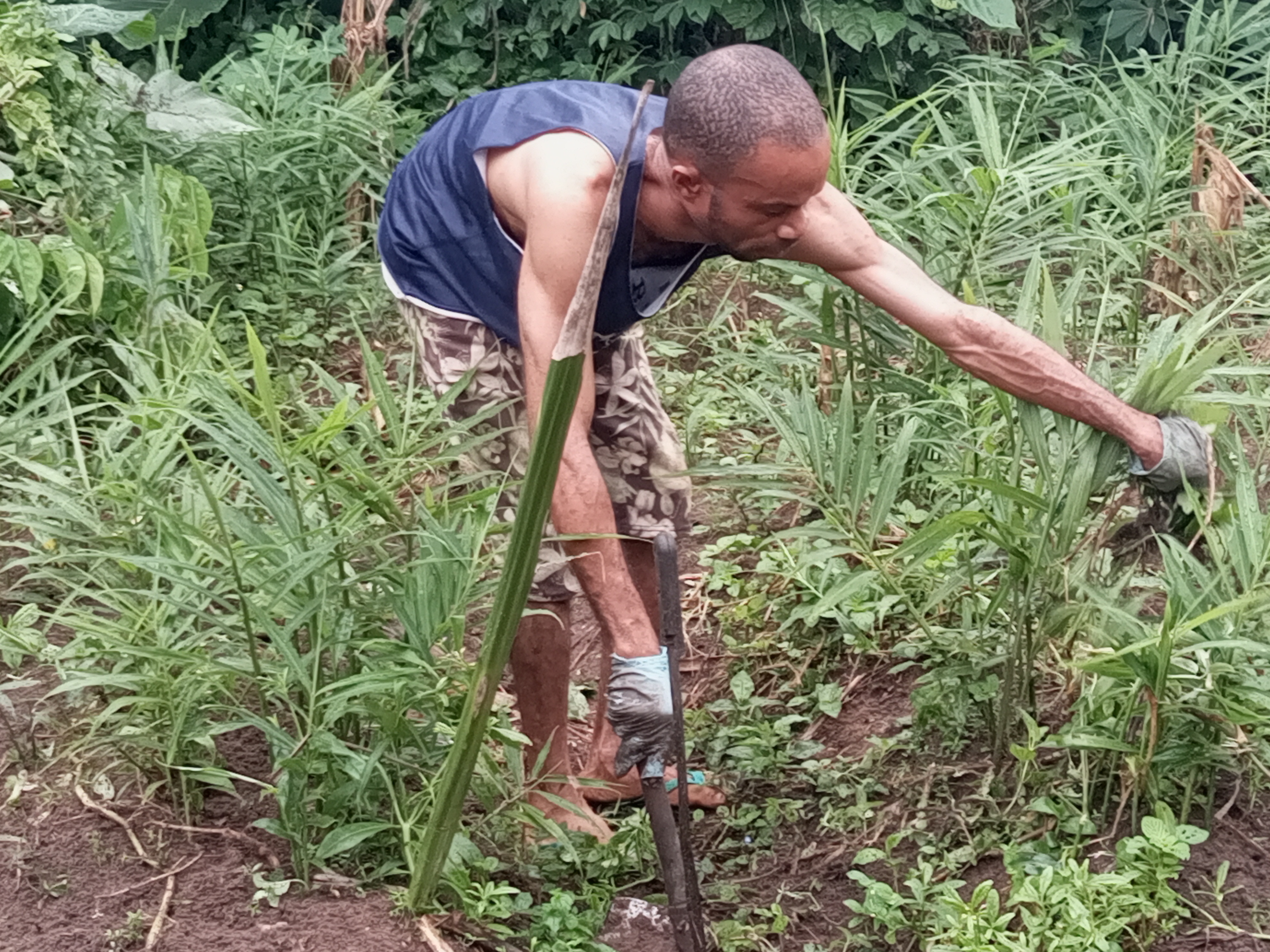
Today, I would like to share an update from my ginger farming project. Over the past few weeks, I noticed that weeds had grown rapidly around my ginger plants. As a result, I decided to carry out weeding to remove them before they affect the healthy growth of my ginger crop.
This experience reminded me of how it is very important to control weeds in farming. Weeds may look as if they are harmless, but they can cause serious problems if they are not removed. Every farmer, whether they are practicing large-scale or small-scale farming, should make weed management a regular part of maintaining their farm.
The Effects of Weeds On plants

Weeds are known to compete directly with plants for essential resources such as water, nutrients, sunlight, and space. Instead of these resources being used by the ginger plants, the weeds would absorb a large portion of them, leaving the crop with less for healthy growth.
Another problem is that weeds shelters and provide hiding places for insects, rodents, and other pests that are very dangerous and attack the ginger plants. Some weeds can also carry diseases which may spread to nearby crops, and reducing their productiveness.
When weeds become too grown and dense, they hinder air circulation around the plants and farm. This creates a damp environment that promotes fungal diseases. The weeds would also make it more difficult for farmers to inspect or supervise their crops, applying manure, or carry out other important farm operations.
If weeds are not controlled early, their attacks would significantly reduce the size and quality of the ginger rhizomes, and this would result in a poor harvest. This is why I'm all out to remove the weeds.
*How we Can Control Weeds
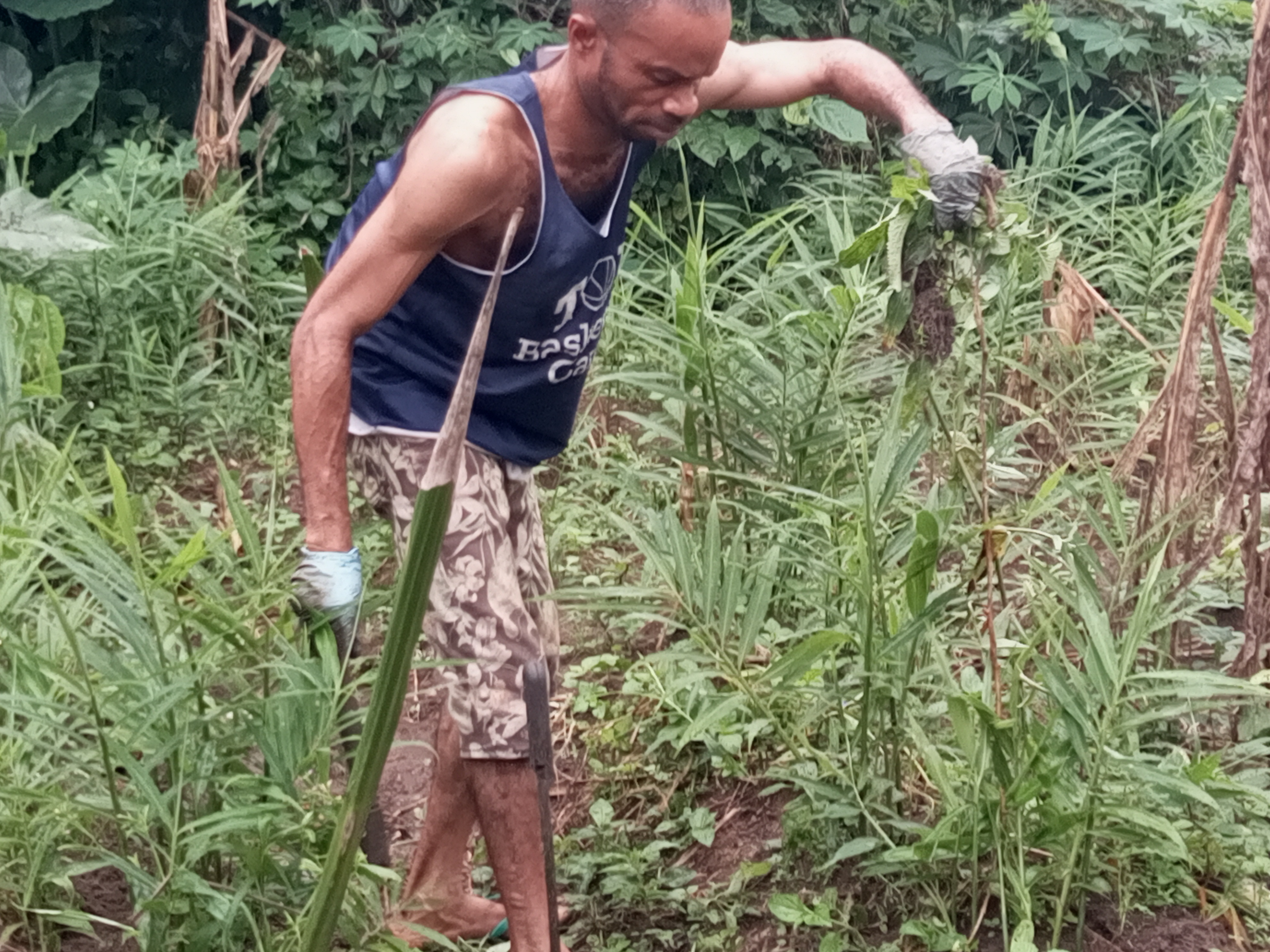
The most common and environmentally friendly method of removing weeds is manual weeding. It is done by using a hoe or by carefully removing the weeds with our hands. This method has been found to be very effective, especially for small farms like me, as it reduces competition without harming the crop.
Applying or using mulch around the ginger plants is another good practice. Mulching would help to suppress weeds growth, conserve the soil moisture, and at same time keeps the soil cool. Farmers are advised to remove weeds before they produce seeds, as this prevents them from spreading and multiplying.
For larger scale farms, some farmers use herbicides, but they should apply it carefully and according to the recommended guidelines so as to avoid damaging the ginger plants or the surrounding environment.
Regularly monitoring the farm to check the growth of weeds, is also important. It is very much easier to remove young weeds than waiting for it until they become large, spread and now difficult to control.
What Makes Ginger Grow Well
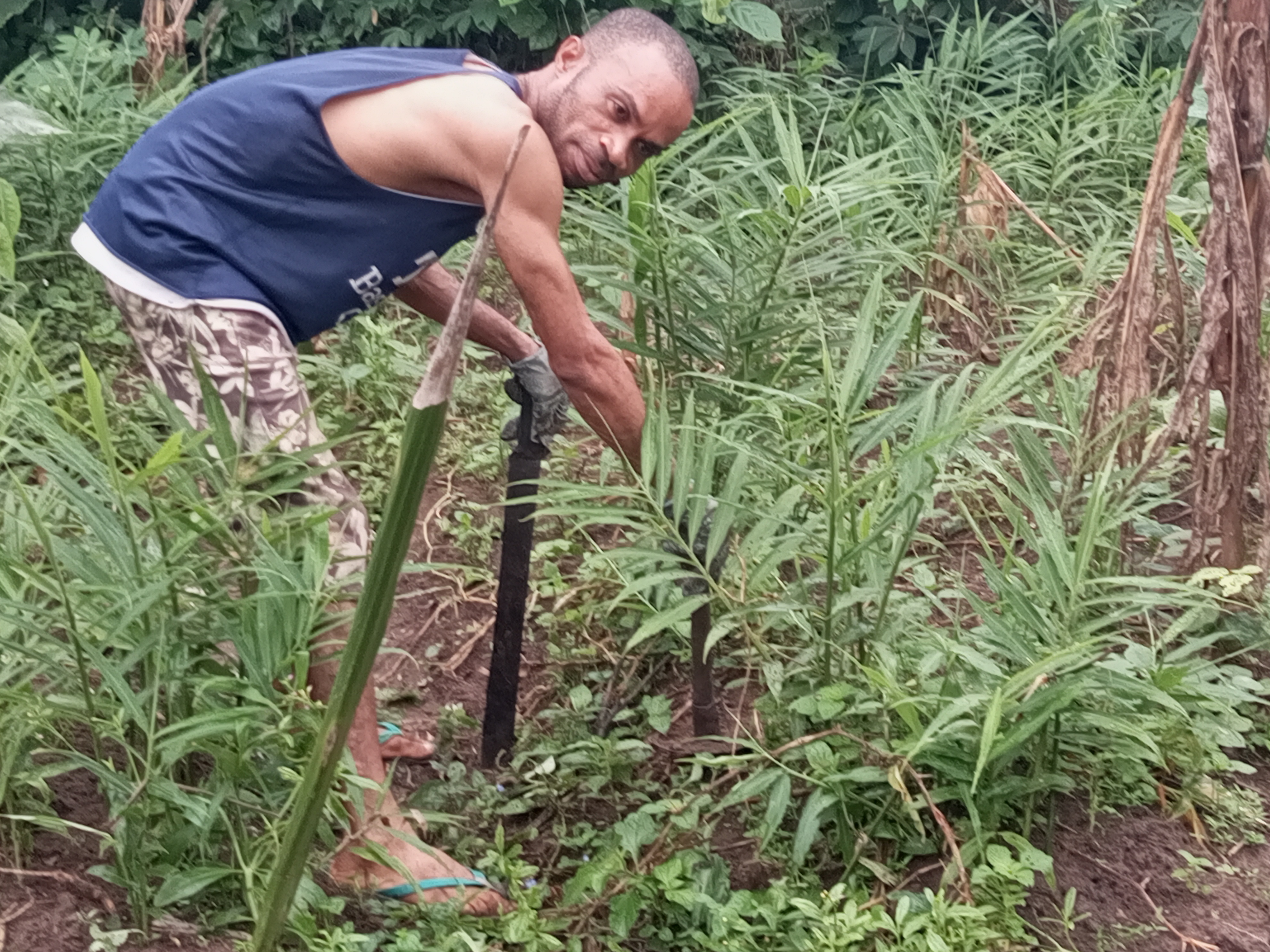
From my experience so far, I have learnt that healthy ginger growth depends on giving the plants the right conditions. Ginger plants grow best in fertile, well-drained soil that is rich in organic matter. Applying a well-decomposed poultry manure or compost would help to improve soil fertility and it provides the nutrients needed for healthy growth.
Again, Adequate watering is equally important, especially during dry periods sets in, but the soil should not remain waterlogged because excess moisture can cause the rhizomes to get rotten
Further, Keeping the farm free from weeds would allow the ginger plants to make better use of available nutrients, water, and sunlight. Inspecting the farm regularly, also helps identify pests or diseases early before they become dangerous.
Finally, it would take patience and consistent care. They are essential! Farming does not just end in planting; it is extends to continuously monitoring and maintaining the crop until they are harvested.
Congratulations! Your post has been upvoted from sc-07 account.