The Wonders of creation Snail 🐌 21/04/2026
Snails and It’s lifestyle
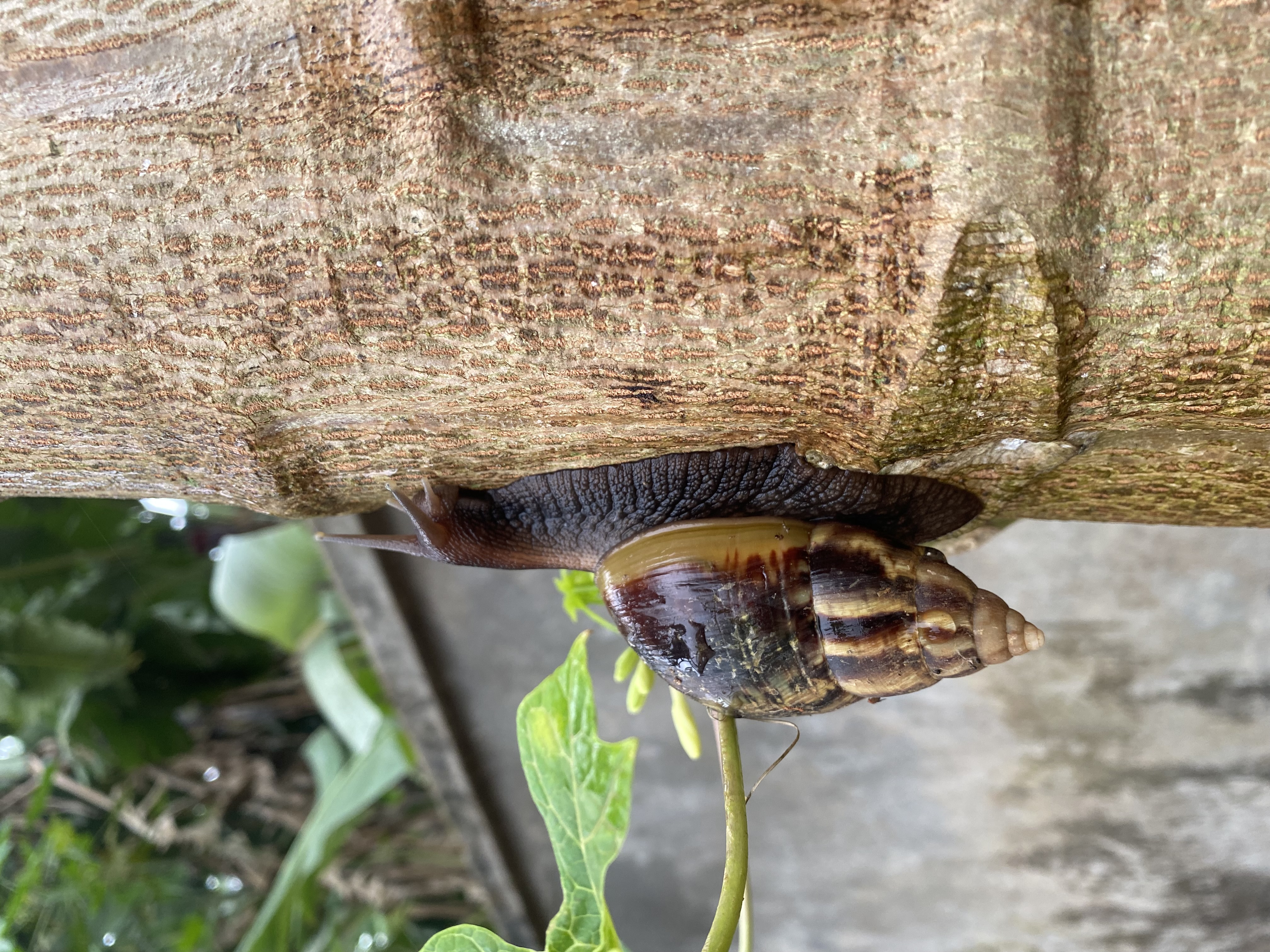
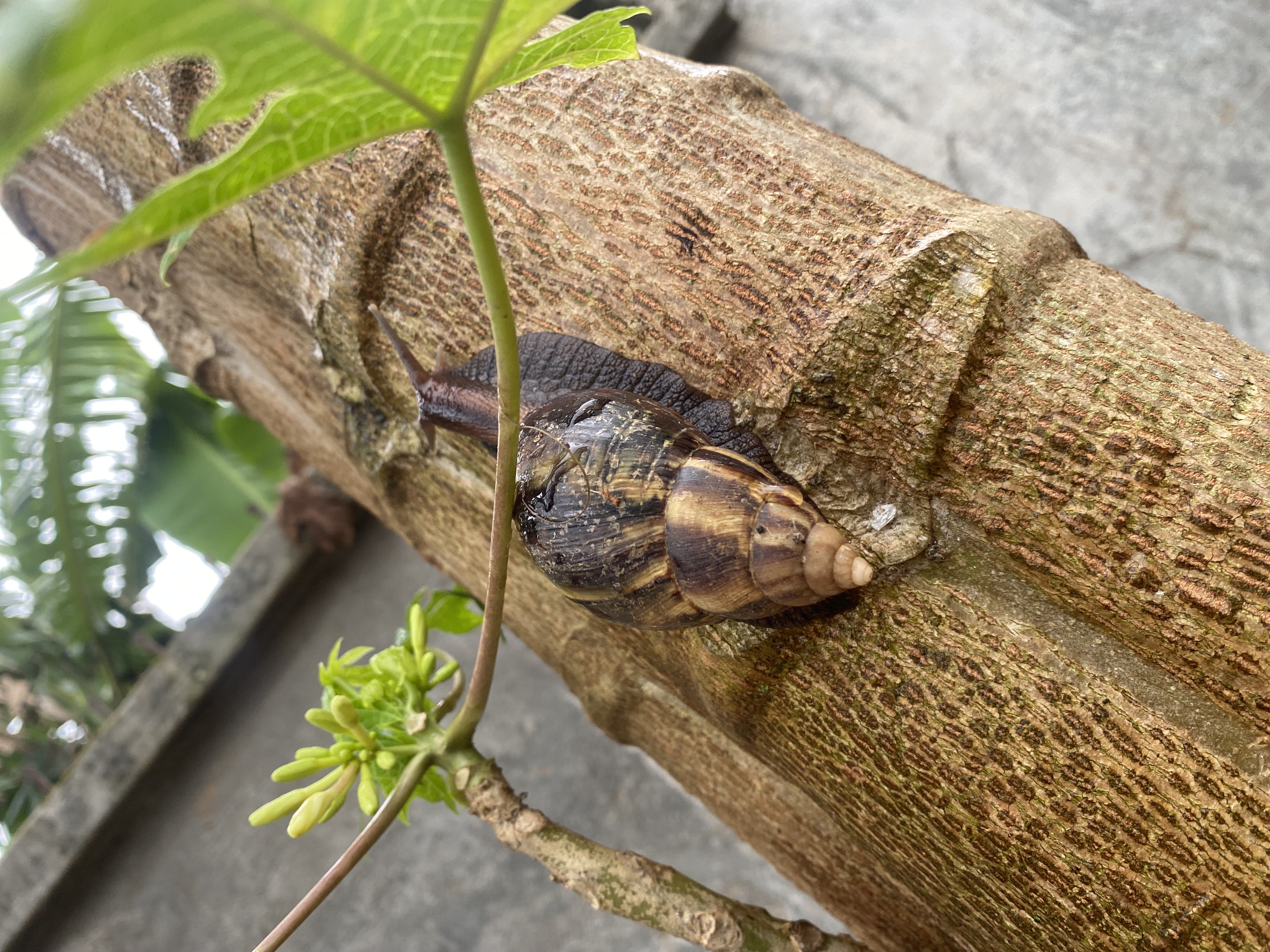
Snails are captivating creatures that are crucial to the environment. These garden-dwelling gastropods may seem like sticky squatters, but did you know that they're actually pollinators.
Characteristics of snails
• Snails have a soft, unsegmented body that is long, moist, and slimy. The body is normally protected by a hard shell.
• Snail's heads have two pairs of tentacles or feelers. The larger set is located at the top of the head and contains the snail's eyes. The smaller set is located at the lower side of the head and the snail uses these to smell and feel.
• The snail's mouth is in the middle of its head and below the lower set of tentacles.
• The snails themselves are typically beige to gray.
Fact About Snails
•Snails and slugs belong to a group of mollusks known as gastropods. This means that they are related to weird animals like blue sea dragons and sheep slugs!
Snails are also mollusks, which are a group of animals that have a hard shell. Other mollusks include clams, oysters, and the octopus.
•Scientists have found snail fossils from millions of years ago. In fact, they are one of the oldest-known animal species in the world. By most estimates, snails have been around for around 600 million years!
•While slugs and snails are both gastropods, they aren't the same animal. Some people believe that slugs are just shell-less snails, but this is not true.
•Snails can't hear. To find food, they use chemoreceptors on their tentacles, much like a dog would use their nose.
Snails leave slime behind them as they travel. The slime protects them as they move.
•There is no way to tell whether a snail is a male or a female because most are both! Snails are hermaphrodites, which means they can lay eggs (female) and fertilize them too (male).
Snails Habitat and Food
Snails can be found everywhere on Earth, even in Antarctica!
•They're not fun of hot or dry weather. When these conditions persist, snails burrow underground and wait until it's cool and damp.
Snails hibernate in the winter.
They also estivate in the summer. There are both land snails and water snails.
•Snails prefer damp, dark environments.
•Snails can be herbivores, carnivores, omnivores, and detritivores.
•Herbivorous snails eat plants, algae, bark, chalk, and limestone.
From the picture I got today it got me amazed to study the circle of snails and to share with you all.