The Global Balancing Act: Understanding the Socio-Economic Impacts of Overpopulation
As the global population surges past 8 billion, the conversation surrounding overpopulation has shifted from a distant theoretical concern to a pressing socio-economic reality.
When the number of people outpaces the Earth’s immediate ability to provide resources and infrastructure, the consequences ripple through every facet of society.
Economic Strain and Resource Scarcity At the macro level, overpopulation exacerbates the scarcity of essential resources. Increased demand for food, water, and energy drives up market prices, disproportionately affecting low-income populations.
This inflation creates a cycle of poverty, where families must dedicate a larger percentage of their income to basic survival, leaving little for education or long-term investments.
Furthermore, rapid population growth often overwhelms labor markets. Without a corresponding rise in industrial and technological infrastructure, the result is chronic unemployment and underemployment, stifling overall economic development.
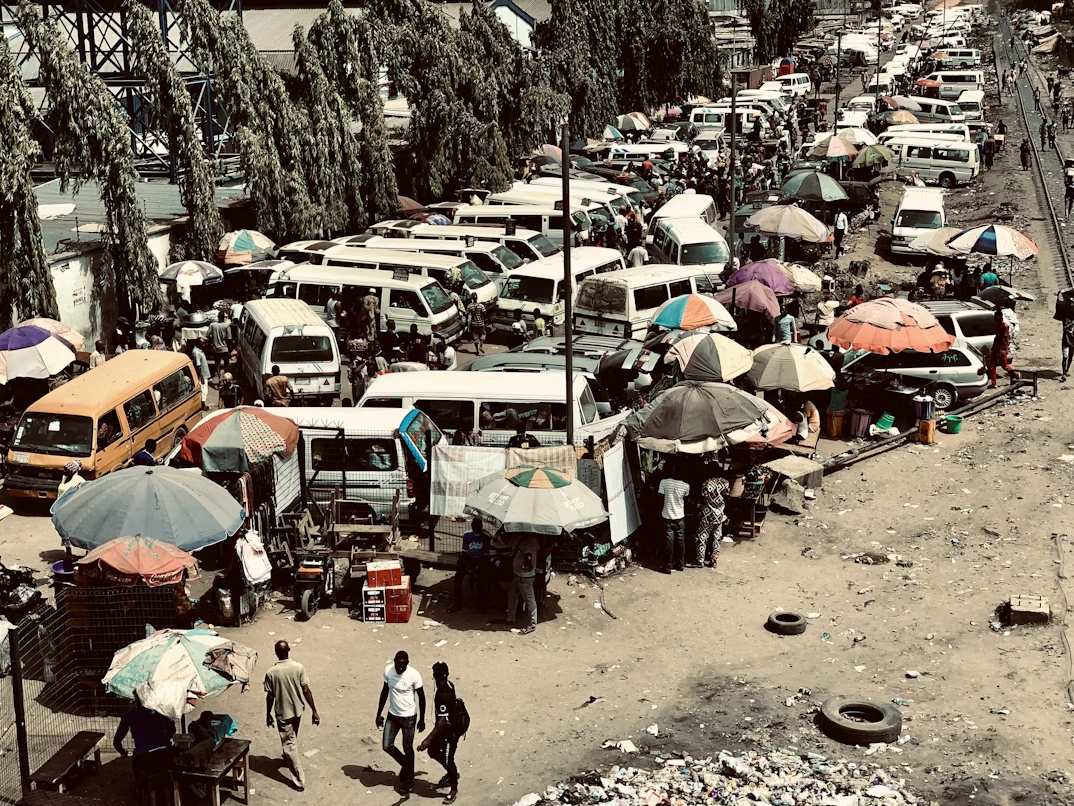
Infrastructure and Public Services The socio-economic toll is most visible in urban centers, where rapid migration often leads to overloaded infrastructure. Public services—ranging from healthcare and education to sanitation and transportation—struggle to keep pace with the influx of residents.
This strain results in decaying living standards, overcrowded slums, and overburdened healthcare systems, which are increasingly vulnerable to the rapid spread of infectious diseases. When schools cannot accommodate students and hospitals lack sufficient beds, the human capital of a nation begins to erode.
The Environmental-Economic Feedback Loop Finally, we must consider the environmental costs. Overpopulation necessitates intensive agriculture and industrial production, leading to deforestation, biodiversity loss, and climate change.
These environmental damages have direct economic repercussions: disaster relief efforts for climate-related events, the collapse of agricultural yields, and the long-term cost of environmental remediation.
Conclusion Addressing overpopulation is not merely about managing headcounts; it is about ensuring sustainable development. By prioritizing education, female empowerment, and equitable access to healthcare, society can stabilize growth while fostering a more resilient and prosperous global economy. The challenge of the 21st century lies in balancing our numbers with the finite resources of our planet.