Transparent Wood: The Eco-Friendly Material That Could Replace Glass
Wood has been one of the world's most important building materials for thousands of years, while glass has become essential in modern architecture. But what if one material could combine the strength of wood with the transparency of glass? Scientists have developed an innovative material known as transparent wood, which may transform the future of construction. Although it sounds impossible, this material is created by removing the natural substance called lignin from wood and replacing it with a transparent polymer. The result is a strong, lightweight material that allows light to pass through while maintaining much of wood's natural strength.
Transparent wood is attracting attention because it offers several advantages over traditional glass. It is more resistant to breaking, provides better thermal insulation, and is produced from renewable natural resources. Researchers believe it could be used for windows, skylights, solar panels, and energy-efficient buildings. Since it reduces heat loss more effectively than ordinary glass, buildings made with transparent wood could require less energy for heating and cooling, making them more environmentally friendly and reducing electricity costs.
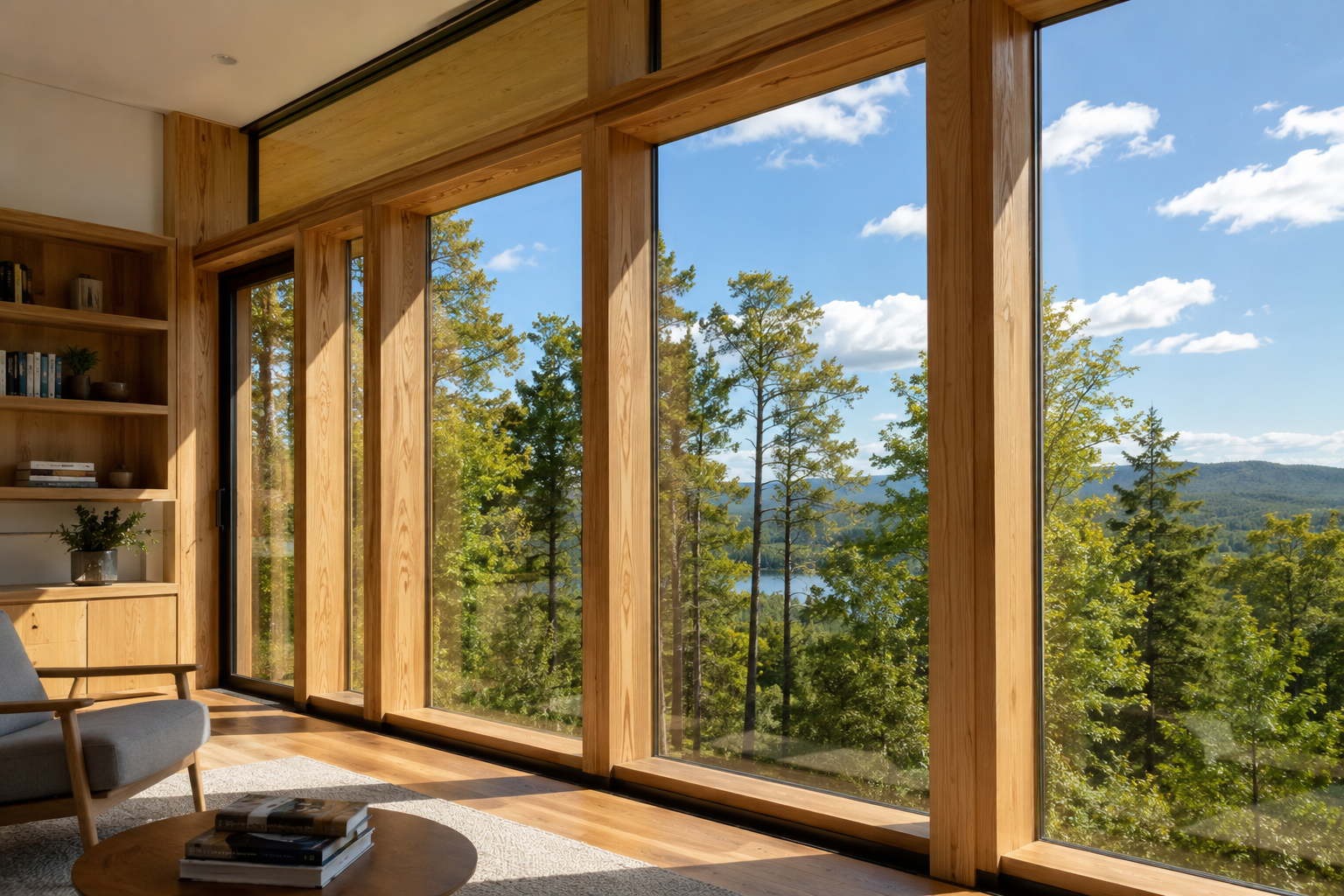
Although the technology is still developing, scientists are working to improve its clarity, durability, and production costs before it becomes widely available. If these challenges are solved, transparent wood could become a valuable alternative to glass in homes, offices, and public buildings. Its combination of sustainability, strength, and energy efficiency makes it one of the most promising construction materials being researched today. Many experts believe it could play an important role in creating greener cities in the future.
Personally, I think transparent wood is an excellent example of how science can improve traditional materials instead of replacing them completely. It shows that innovation does not always require inventing something entirely new—it can also come from making familiar materials smarter and more useful. If this technology becomes affordable, it could change the way future buildings are designed while helping protect the environment at the same time.
What Are Your Thoughts?
Thank you for reading! I'd love to hear your opinion in the comments. If you enjoyed this article, your support and feedback would be greatly appreciated.