Curiosity's Curious Images
Curiosity's Curious Images
Souce
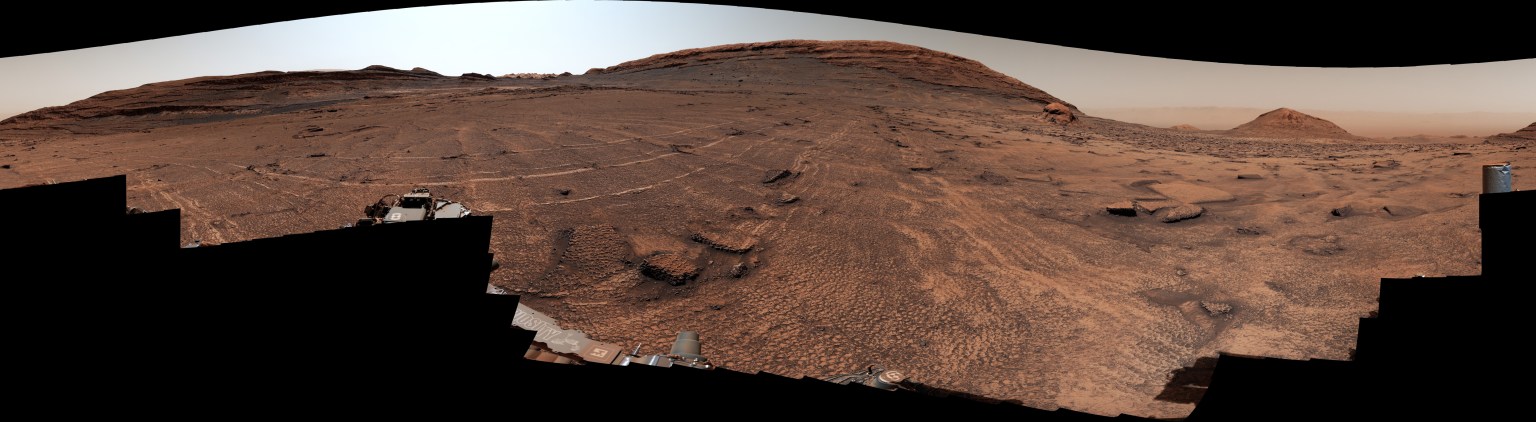
Mars—the Red Planet, though in the past it was blue and white (blue from seas, and white from snow and clouds)—is currently dominating the headlines; it is the source of the most striking discoveries. I am truly loving the photos from Curiosity, especially since the rover is in an area with rocks of such diverse shapes—some look like birds, while others have very varied, "organic" forms. Right now, Mars is a wilderness of rocks and dunes—a rocky, dune-filled desert—but there are rock formations that are simply breathtaking; the wind has carved wonders there.
Souce
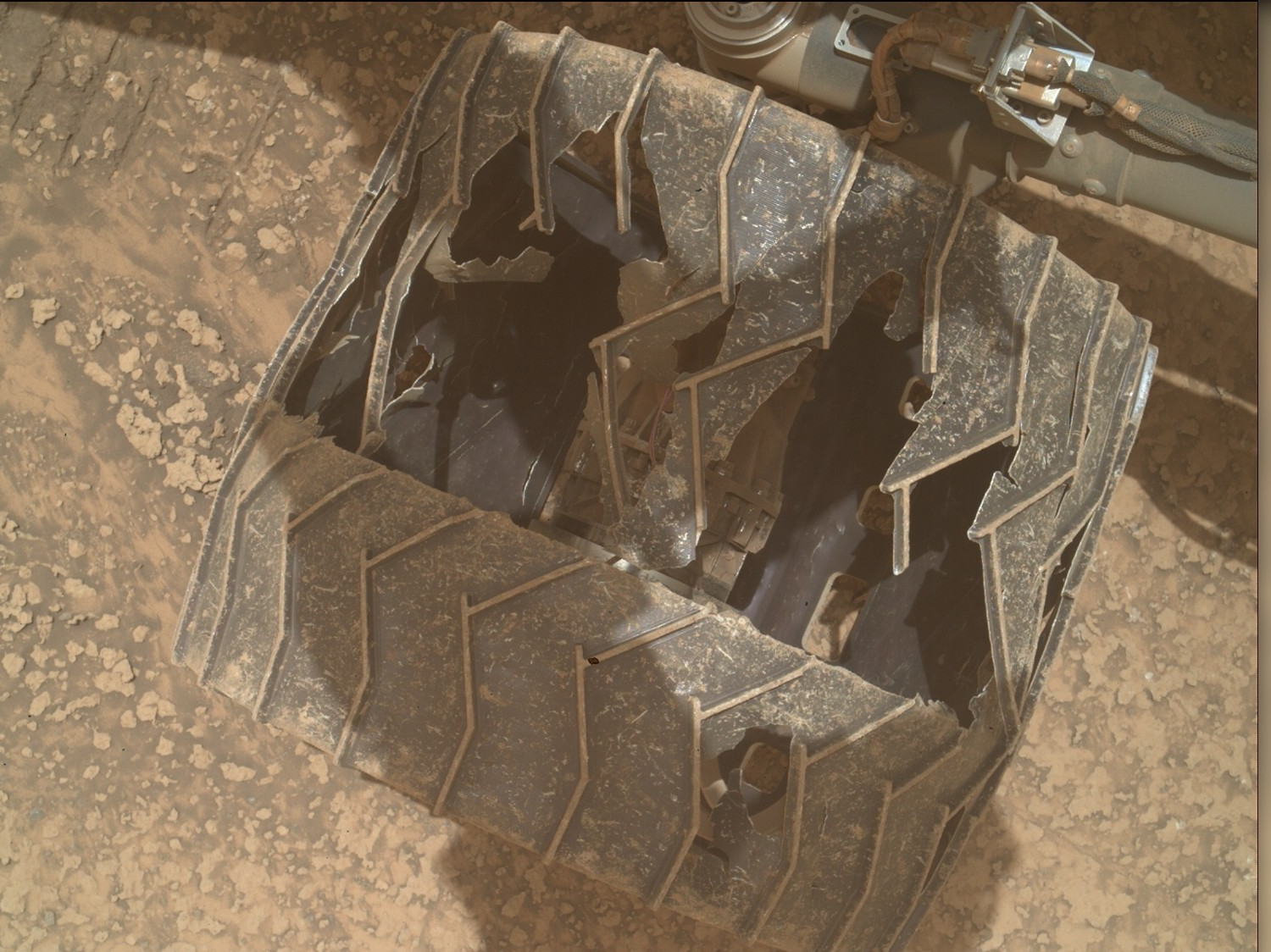
Beyond the honeycomb-like pattern of polygons currently being discovered—a term used by NASA—it is worth remembering that *Curiosity* is taking a real beating to capture and transmit all these photos and data; the images above show the condition of *Curiosity's* wheels as of July 23rd.
Souce
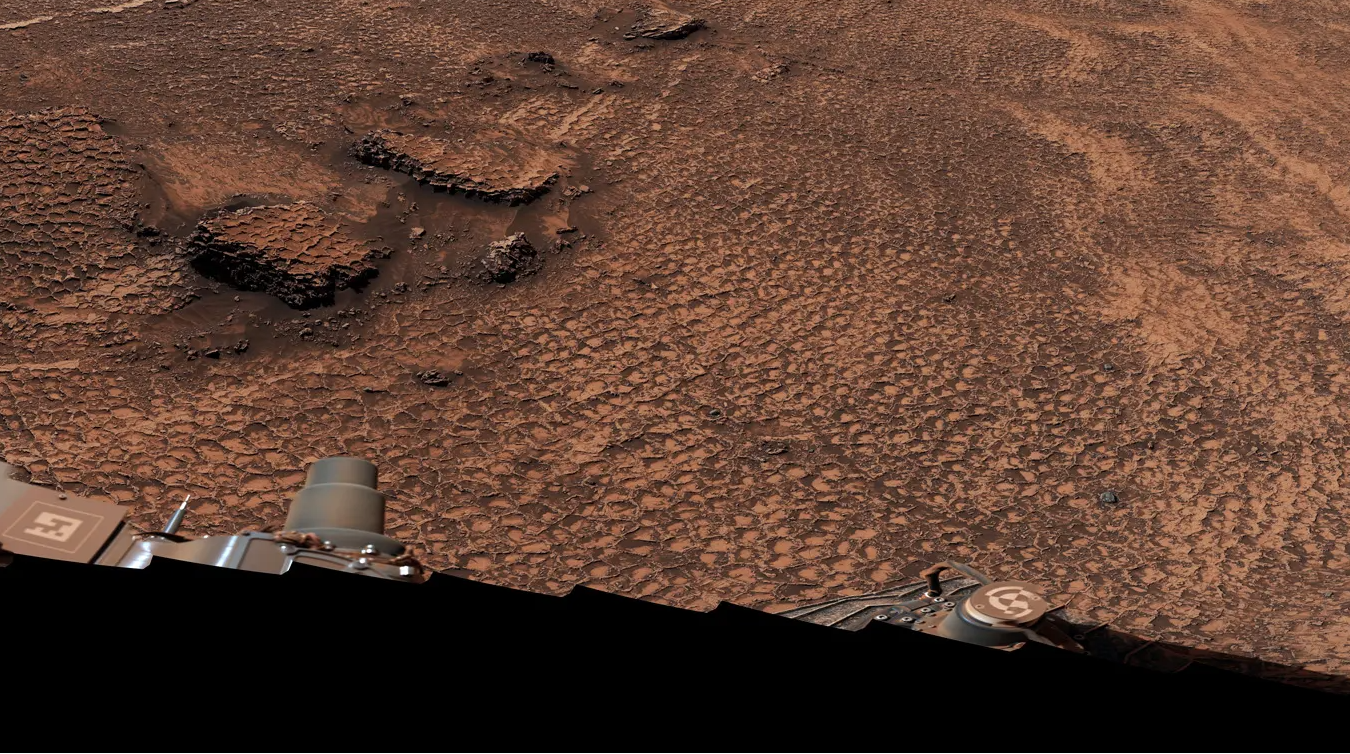
This is the landscape Curiosity is currently traversing; this was published very recently. Everything you see on the ground is a field of honeycomb-like structures.
They are honeycomb-shaped—very similar to what NASA reported (releasing a statement, photos, and so on) regarding the "dragon scales" back in April 2026—but this is not the same area. These are slightly different, and the scale is certainly massive; it stretches all the way into the distance.
Souce
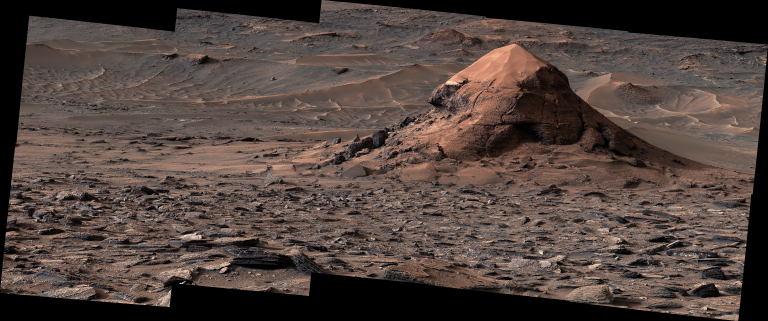
I don't know if you can see a small rock formation over there—aside from the main hill, there’s a small, protruding hillock. That is specifically the one known as Miraflores Hill; it is covered in—and indeed formed by—structures resembling dragon scales, but on a truly colossal scale. One of the most intriguing aspects is that the hill itself—its slopes, the rising sections—is composed of these very structures.
Han nombrado a toda esta zona en honor a paisajes y lugares de Antofagasta, de Chile, la colina mostrada es uno de los objetivos del Curiosity y volviendo a recordar cómo se inició esto, en su marcha el Robert en abril del 2026 encontró una zona de polígonos a la que se calificó como escamas de dragón. Era un cráter que había, no era un cráter muy grande, creo que era de 20 metros de diámetro, no era especialmente grande, pero había perforado el pequeño asteroide, había perforado el terreno y había levantado esos bloques con esa estructura de escamas.
The images without reference were created with AI
Thank you for visiting my blog. If you like posts about #science, #planet, #politics, #rights #crypto, #traveling and discovering secrets and beauties of the #universe, feel free to Follow me as these are the topics I write about the most. Have a wonderful day and stay on this great platform :) :)