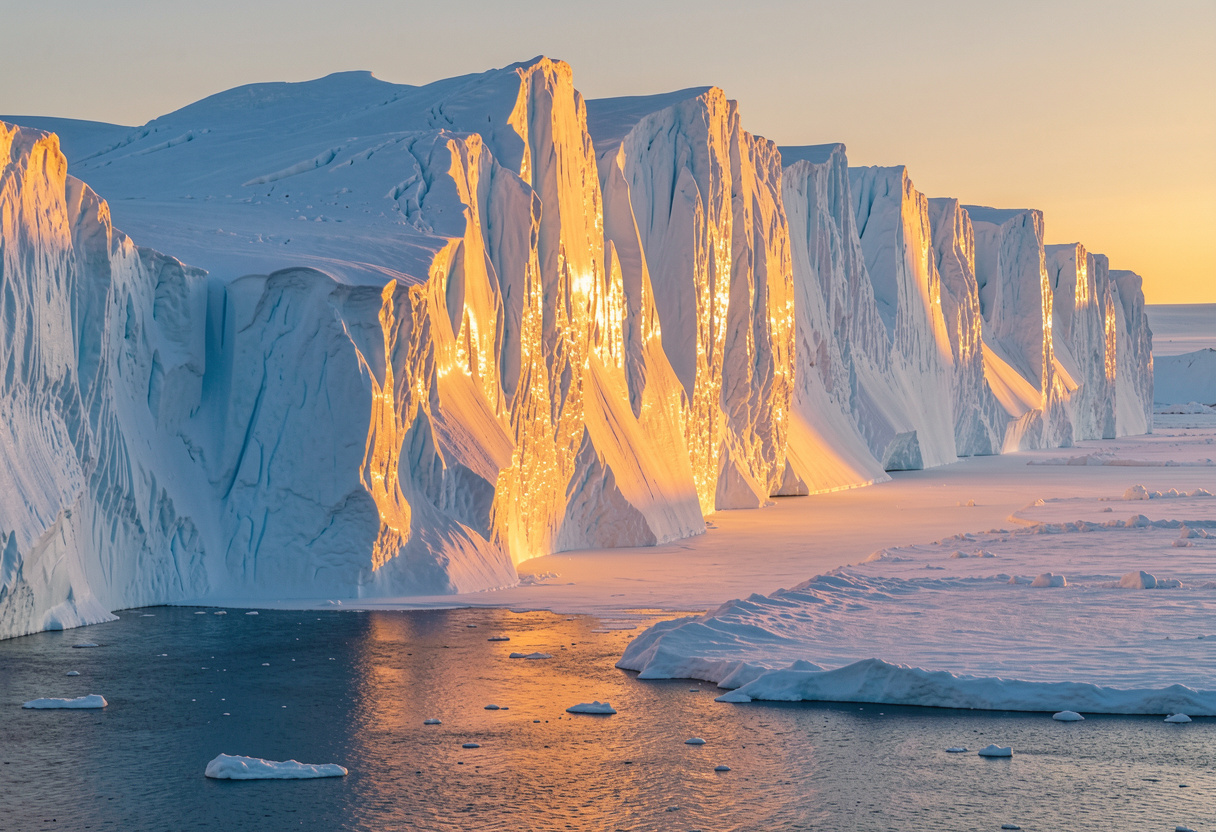
Scientists have detected hundreds of mysterious earthquakes deep within Antarctica.
in Popular STEM6 days ago

Scientists have detected hundreds of mysterious earthquakes deep within Antarctica.


A week ago, a study was published warning that hundreds of hidden earthquakes—or seismic tremors—had been detected beneath Antarctica. They are described as "hidden" because they were weak and had gone unnoticed until now; they are considered strange because they are numerous, concentrated, and—to reiterate—should not be occurring where they are.
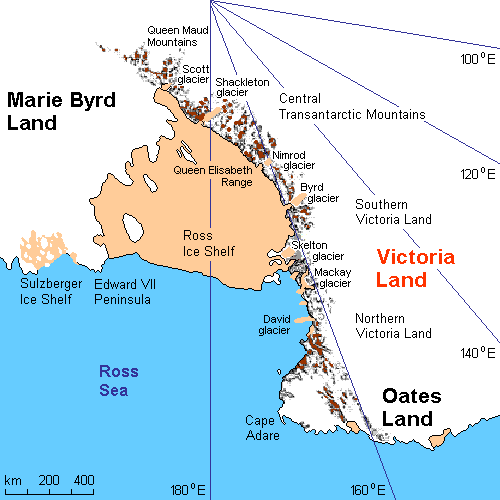

This discovery has taken researchers completely by surprise, as Antarctica was previously thought to be seismically quiet. However, new technologies developed in recent years are revealing hundreds of earthquakes beneath the ice, originating from a wide variety of sources. The tremors detected in this study occurred in East Antarctica and were analyzed across two distinct periods: 2001–2004 and 2012–2015. This does not mean that no earthquakes occurred between these times; rather, these simply represent the specific timeframes covered by the researchers' work.


During these two periods, more than 1,000 seismic events were identified beneath the David Glacier in Victoria Land. Of these, approximately 510 were earthquakes occurring at depths of 70 to 150 kilometers. That is a significant depth—extending below the Earth's crust and into the upper mantle—meaning they are taking place deep beneath the Antarctic landmass. These are low-magnitude quakes, ranging from 1.6 to 3.6; it is as if something were striking Antarctica from below with a sledgehammer.


Souce


It wouldn't be an explosion—a violent reaction accompanied by a massive earthquake—but rather a constant pounding. All of this takes place beneath a tectonic plate, which is quite unusual because deep earthquakes are typically associated with subduction zones. What is a subduction zone? It might sound unfamiliar, but you could be living right on top of one. A subduction zone is a place where two tectonic plates—the massive sections that make up the Earth's surface—collide. In this zone, the heavier, denser plate (almost always an oceanic plate) slowly sinks beneath the other plate—which could be oceanic or continental, though it is usually continental.

Continental plates are lighter; that is why they generally do not sink but instead remain on top—except when two continental plates collide, as is happening between India and Asia, a collision that created the Himalayas. The sinking plate descends into the Earth's interior and eventually submerges into the mantle—the hot layer beneath the crust. This movement and the intense forces generated by the sinking process can trigger very powerful, deep earthquakes; it affects the mantle—the region beneath the crust—and also sparks volcanic activity. It can lead to the formation of deep ocean trenches and, as I mentioned earlier, the uplift of towering mountain ranges.


The point is that earthquakes of this type are normal at the boundaries of colliding plates, but not in the middle of the plates; in principle, nothing is happening in the plate interiors—there is no collision, so it ought to be a quiet zone. The interior should be a trouble-free area, free from earthquakes, which is why scientists are baffled: these anomalous earthquakes are occurring in a zone that should be quiet.


So, what might be happening? Researchers believe two things are going on. First, the Antarctic plate is not uniform; in the area where the earthquakes occur, there is a change in material composition. On one side, the plate consists of the cold, rigid rocks of East Antarctica, while on the other—West Antarctica—it is made of warmer rocks and is thinner.


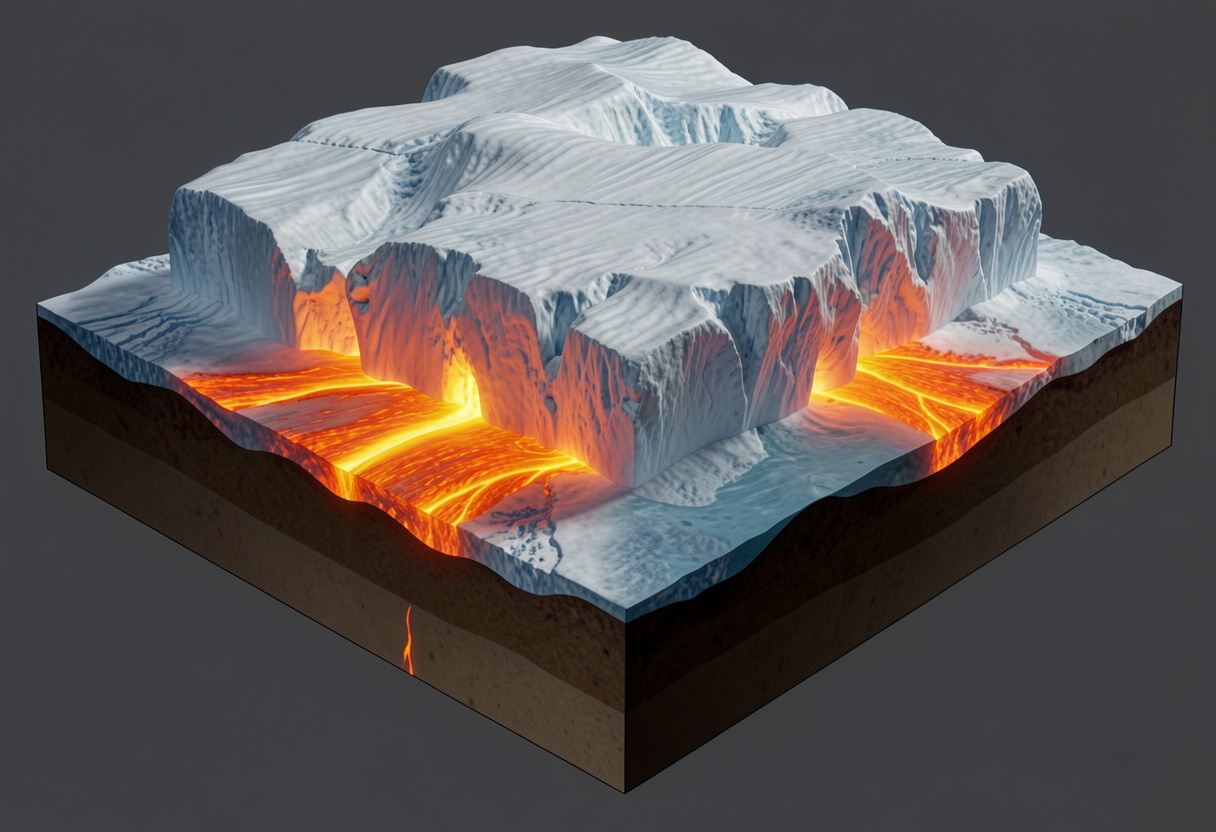
The second factor is that a plume of warm, less-dense material from the upper mantle is striking that specific part of the plate. It is akin to hammering or striking the underside of the plate with a mallet; this plume hits the area, triggering earthquakes, and then spreads the magma outward toward the edges. Added to this is the weight of the ice sheet, which reaches several kilometers in thickness at that location; this is the working theory researchers are currently pursuing.


It appears there is no risk of the plate splitting open at that point—or so they say—but they also note that this specific area, where these anomalous earthquakes are emerging, is characterized by a distinct composition. Because of this difference in materials, it represents a weak point in the plate that is currently being battered by a mantle plume—a jet of magma rising from the Earth's interior.


Suggesting that Antarctica is about to split apart or that an intense volcanic zone will emerge there right now would be highly speculative, though it might happen in the future. It is all very intriguing, don't you think?


Study Source


The images without reference were created with AI
Thank you for visiting my blog. If you like posts about #science, #planet, #politics, #rights #crypto, #traveling and discovering secrets and beauties of the #universe, feel free to Follow me as these are the topics I write about the most. Have a wonderful day and stay on this great platform :) :)


! The truth will set us free and science is the one that is closest to the truth!