The destruction of an asteroid would trigger a "Snowball Earth" era.
The destruction of an asteroid would trigger a "Snowball Earth" era.
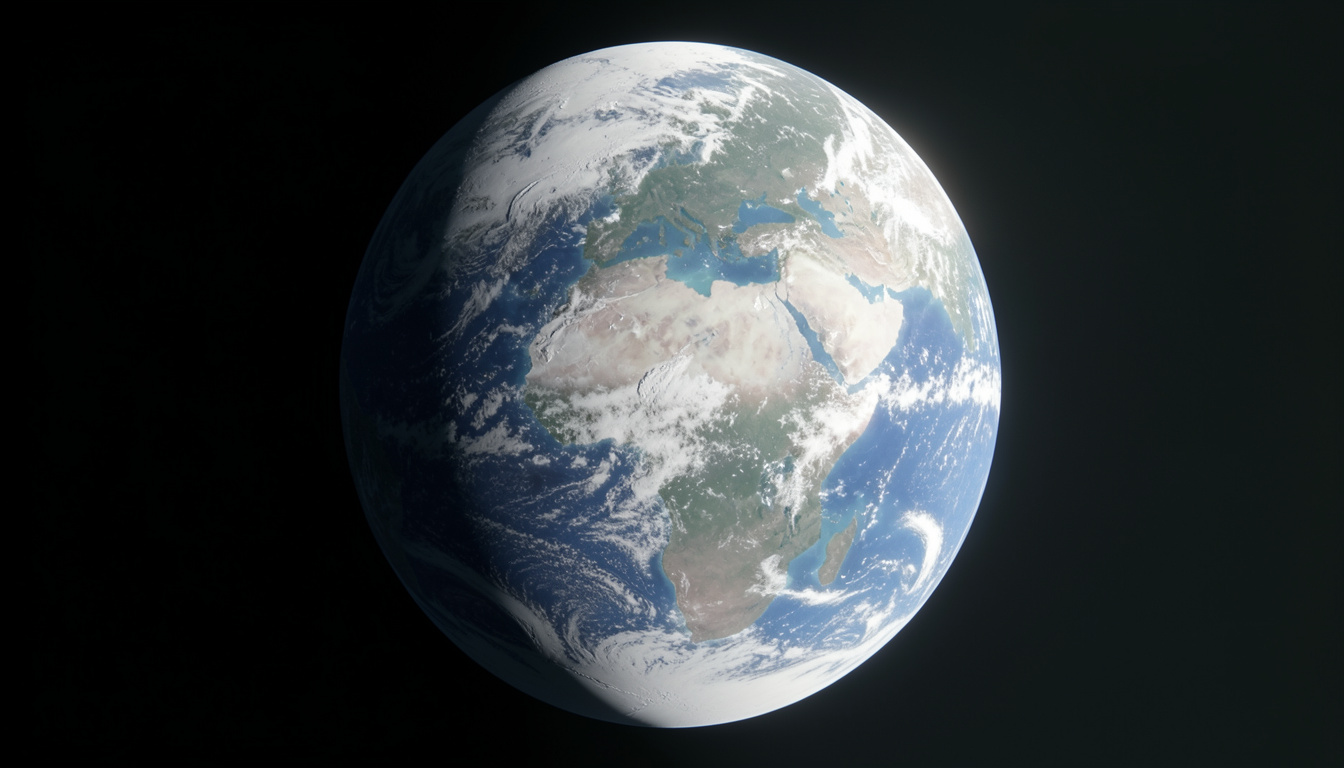
This research, published on July 15, discusses the destruction of a giant asteroid approximately 800 million years ago and suggests that this asteroid might have been the cause of the "Snowball Earth" era.
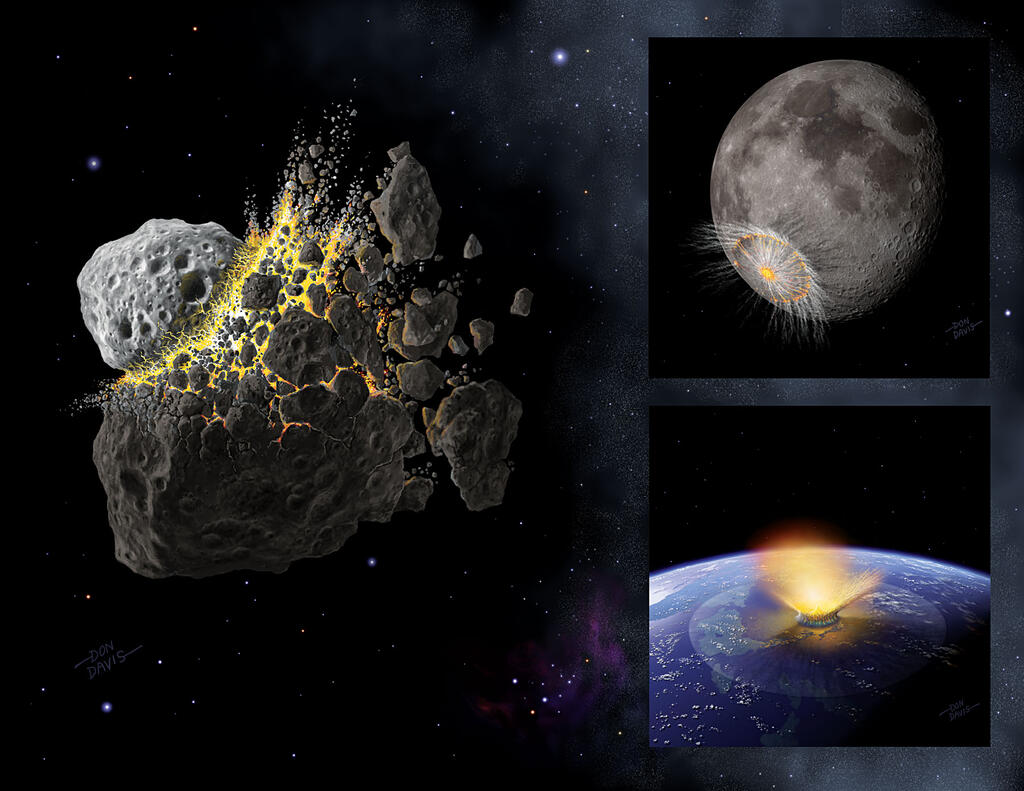
Souce
It was a massive glaciation event; according to some researchers, glaciers reached almost to the Equator, while others believe ice covered the entire planet for several million years. Even the most optimistic theories suggest that while the equatorial belt might have remained relatively ice-free—with open water present—the climate there would still have resembled that of northern Canada. We were saved—just in time for the evolution of complex life—by volcanic activity that spewed carbon dioxide into the atmosphere.
The images without reference were created with AI
Thank you for visiting my blog. If you like posts about #science, #planet, #politics, #rights #crypto, #traveling and discovering secrets and beauties of the #universe, feel free to Follow me as these are the topics I write about the most. Have a wonderful day and stay on this great platform :) :)
Great article! The possibility of destroying or deflecting an asteroid is both fascinating and a reminder of how important space research is for protecting our planet. Advances in planetary defense, observation technology, and international cooperation could make a huge difference in the future. Thank you for sharing this interesting topic and encouraging readers to think about the challenges beyond Earth.
Congratulations!
Your post has been selected and upvoted by the SteemPro Team 🚀
Explore more on SteemPro:
🌐 https://www.steempro.com
🎮 Play SteemHeights: https://www.steempro.com/games/steem-heights
💬 Join our Discord: https://discord.gg/Bsf98vMg6U
💪 Supporting the growth of the Steem ecosystem together.
🟩 Vote for witness faisalamin:
https://steemitwallet.com/~witnesses
https://www.steempro.com/witnesses#faisalamin
This is an automated message.