Complete artificial organisms created from scratch by AI/Organismos artificiales completos desde cero creados por IA
Source
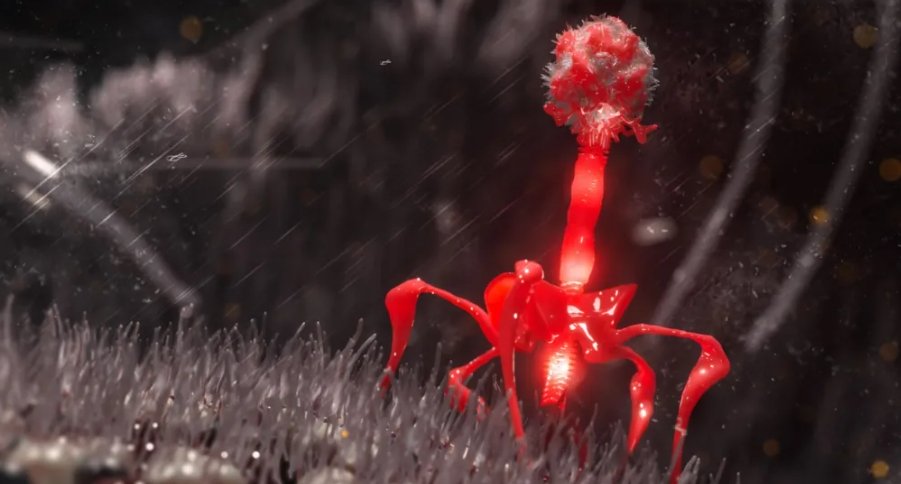
For the first time in history, artificial intelligence models have been used to design and create fully functional artificial viruses in a laboratory. Although these are not complex living organisms, the milestone is historic and opens a new era in biology. A team from Stanford University and the Arc Institute used an AI system similar to a "ChatGPT for genomes" to design the complete genetic code of a virus from scratch, without starting from an existing natural sequence. The result was the creation of 16 synthetic viruses (bacteriophages) capable of infecting and destroying bacteria, something that had never been achieved before.
Por primera vez en la historia, se han utilizado modelos de inteligencia artificial para diseñar y crear en un laboratorio virus artificiales completamente funcionales. Aunque no se trata de organismos vivos complejos, el hito es histórico y abre una nueva era en la biología. Un equipo de la Universidad de Stanford y del Instituto Arc ha utilizado un sistema de IA similar a un "ChatGPT de genomas" para diseñar el código genético completo de un virus desde cero, sin partir de una secuencia natural existente. El resultado fue la creación de 16 virus sintéticos (bacteriófagos) capaces de infectar y destruir bacterias, algo que nunca antes se había conseguido.
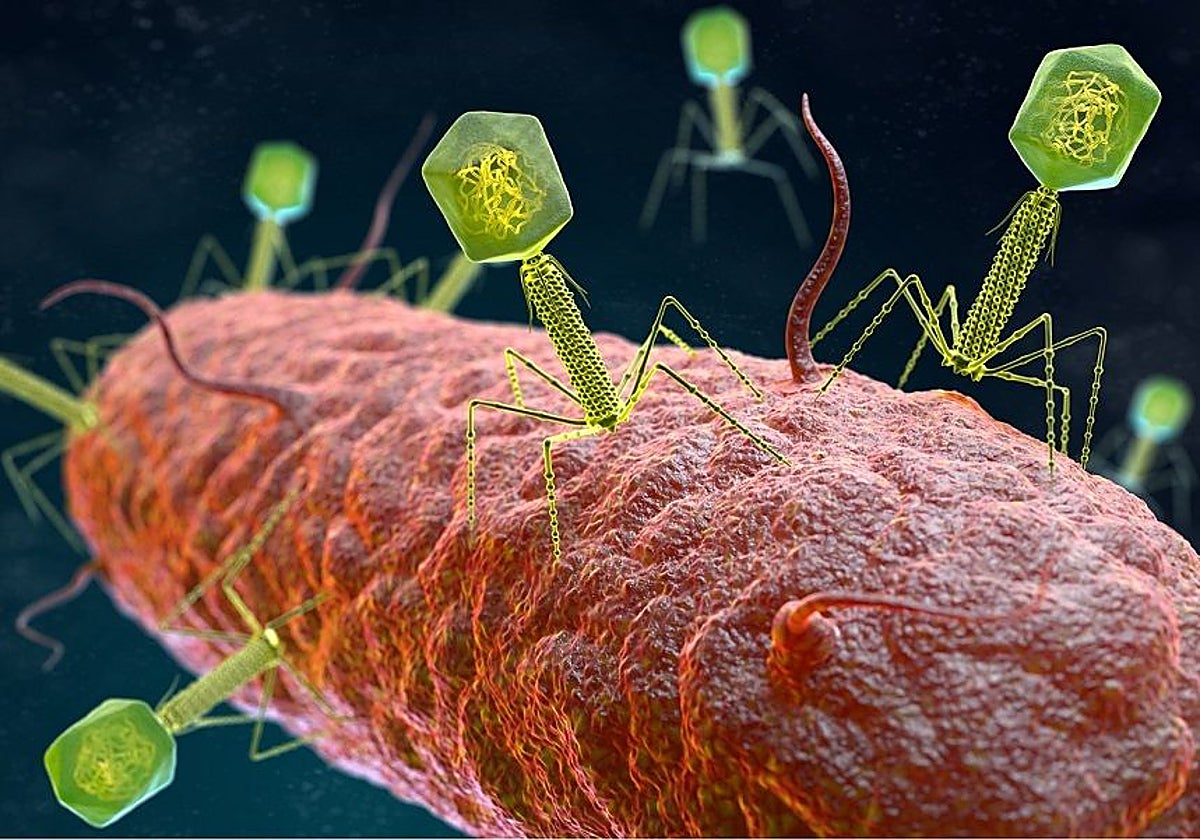
The viruses created are bacteriophages, viruses that only infect bacteria and are harmless to humans. Furthermore, viruses are not considered living organisms in the strict sense, as they require a host cell to replicate. This achievement is being compared to the Wright brothers' first flight. The structure is simple, but it demonstrates that a new principle (AI-driven design) is possible and points to much more complex future developments. The process combines the power of artificial intelligence with synthetic biology to "write" a new code for life.
Los virus creados son bacteriófagos, virus que solo infectan bacterias y son inofensivos para los humanos. Además, los virus no se consideran organismos vivos en el sentido estricto, pues necesitan una célula huésped para replicarse. Este logro se compara con el primer vuelo de los hermanos Wright. La estructura es simple, pero demuestra que un nuevo principio (el diseño por IA) es posible y apunta a futuros desarrollos mucho más complejos. El proceso combina el poder de la inteligencia artificial con la biología sintética para "escribir" un nuevo código de la vida.
Source
Researchers trained a genomic language model, called Evo, on a massive amount of data: 9.3 trillion pairs of DNA "letters" from more than 128,000 different genomes. In this way, the AI learned the complex "grammatical rules" that make a genome functional, much like ChatGPT learns to write text. With this knowledge, the AI was asked to design complete genomes for the bacteriophage ΦX174, known for attacking E. coli. The AI generated hundreds of thousands of potential designs.
Los investigadores entrenaron un modelo de lenguaje genómico, llamado Evo, con una cantidad ingente de datos: 9,3 billones de pares de "letras" del ADN provenientes de más de 128.000 genomas distintos. De esta forma, la IA aprendió las complejas "reglas gramaticales" que hacen que un genoma sea funcional, de forma similar a como ChatGPT aprende a escribir texto. Con este conocimiento, se le pidió a la IA que diseñara genomas completos para el bacteriófago ΦX174, conocido por atacar a la E. coli. La IA generó cientos de miles de diseños potenciales.
Scientists selected approximately 300 of the most promising designs and chemically synthesized them in the laboratory. They then introduced these artificial genomes into E. coli bacteria. Success came when, in 16 cases, the synthetic viruses were able to replicate and destroy the bacteria, demonstrating their functionality. This advance has the potential to transform medicine, but it also raises serious ethical and safety concerns. This technology could be the key to creating highly effective, personalized phage therapies against antibiotic-resistant bacteria.
Los científicos seleccionaron unos 300 de los diseños más prometedores y los sintetizaron químicamente en el laboratorio. Luego, introdujeron estos genomas artificiales en bacterias E. coli. El éxito llegó cuando, en 16 de los casos, los virus sintéticos lograron replicarse y destruir las bacterias, demostrando que eran funcionales. Este avance tiene el potencial de transformar la medicina, pero también plantea serios dilemas éticos y de seguridad. Esta tecnología podría ser la clave para crear fagoterapias personalizadas y altamente efectivas contra bacterias resistentes a los antibióticos.

Source
This technology moves from "editing" genes to "writing" entire genomes from scratch, opening the door to designing organisms with completely new functions, such as bacteria that degrade plastics or produce new drugs. But this same technology that designs healing viruses could be used to create lethal pathogens and new bioweapons. Experts warn that current regulations are not prepared for this new scenario. The Evo 2 model is open source and available for download, which, while encouraging research, also increases the risk of misuse.
Esta tecnología pasar de "editar" genes a "escribir" genomas completos desde cero lo que abre la puerta a diseñar organismos con funciones completamente nuevas, como bacterias que degraden plásticos o produzcan nuevos medicamentos. Pero esta misma tecnología que diseña virus curativos podría ser utilizada para crear patógenos letales y nuevos agentes de bioweapons. Expertos advierten que las regulaciones actuales no están preparadas para este nuevo escenario. El modelo Evo 2 es de código abierto y está disponible para su descarga, lo que, si bien fomenta la investigación, también aumenta el riesgo de un mal uso.
This breakthrough places us in a "post-Darwinian world," where evolution by natural selection is no longer the only way to create new species, forcing us to rethink our relationship with life and its definition. It's undoubtedly a fascinating advance, but, as Spider-Man's uncle would say, "With great technology comes great responsibility." Personally, with these kinds of discoveries, I don't know whether to rejoice or run for the hills; this truly surpasses even my wildest technological dreams.
Este avance nos sitúa en un "mundo post-darwiniano", donde la evolución por selección natural ya no es el único camino para crear nuevas especies, lo que nos obliga a replantearnos nuestra relación con la vida y su definición. No cabe duda de que es un avance fascinante pero, como diría el tío de Spiderman: "Toda gran tecnología, conlleva una gran responsabilidad". Personalmente, con este tipo de descubrimientos, no sé si alegrarme o echar a correr despavorido, realmente esto es algo que sobrepasa mis sueños tecnológicos más húmedos.
More information/Más información
https://www.bbc.com/news/articles/c5y3j3ngevmo
https://www.abc.es/ciencia/ia-gran-salto-disenar-genes-crear-organismos-20260806203647-nt.html
This is a exciting but also intimidating breakthrough. The idea that AI being used to assist in genetic editing could now design its own genome is monumental to biotechnology.
The possible medical benefits of this technology are huge, particularly with the phage's antibiotic resistant properties,
but the safety and moral implications of this kind of power is a concern that shouldn't be overlooked.
The rise of biology-related AI's with abilities beyond assisting, but rather innovating and influencing biological development is a milestone to our technological progress that should be met with careful and considered research, safety features, and regulations.
0.00 SBD,
0.84 STEEM,
0.84 SP
Me gusta cuando alguien se toma el tiempo de escribir bien, sin apuros. Se nota la diferencia.
La plataforma tiene altibajos pero posts como este ayudan a entender el panorama general.
Hay personas que hablan desde el libro y personas que hablan desde la vida. Vos hablás desde la vida y se nota.