Google will release 64 million mosquitoes to wipe out mosquitoes/Google soltará 64 millones de mosquitos para acabar con los mosquitos
Source
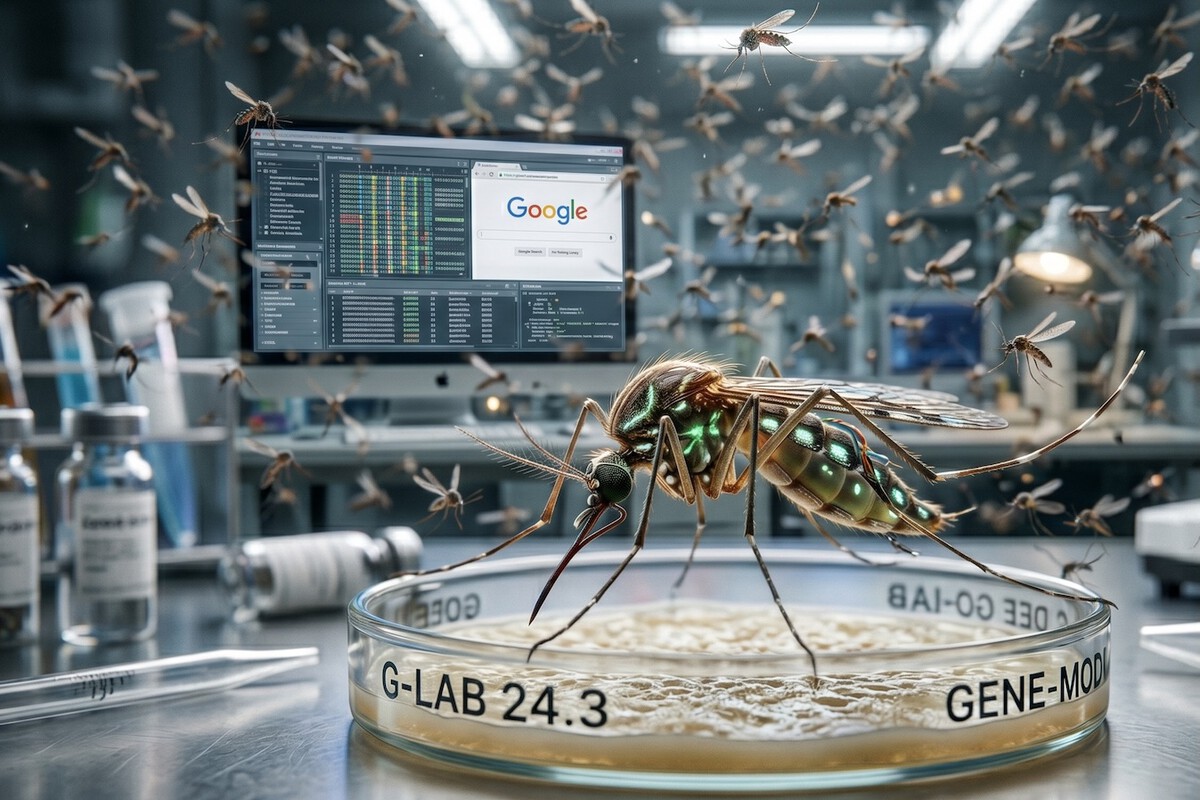
At first glance, the news that Google plans to release 64 million mosquitoes sounds alarming, but the reality is far more interesting and promising than it appears. It is not a far-fetched scheme, but rather a high-tech biological experiment aimed at combating disease. The project is called Debug and is run by Verily, a subsidiary of Alphabet—Google’s parent company. Its goal is to reduce the population of Culex quinquefasciatus (known as the southern house mosquito), an invasive species capable of transmitting dangerous diseases such as West Nile virus and St. Louis encephalitis.
A primera vista, la noticia de que Google quiere liberar 64 millones de mosquitos suene alarmante, pero la realidad es mucho más interesante y prometedora de lo que parece. No es un plan descabellado, sino un experimento biológico de alta tecnología para combatir enfermedades. El proyecto se llama Debug y pertenece a Verily, una subsidiaria de Alphabet, empresa matriz de Google. Su objetivo es reducir la población del mosquito Culex quinquefasciatus (conocido como mosquito común del sur), una especie invasora que puede transmitir enfermedades peligrosas como el virus del Nilo Occidental y la encefalitis de San Luis.
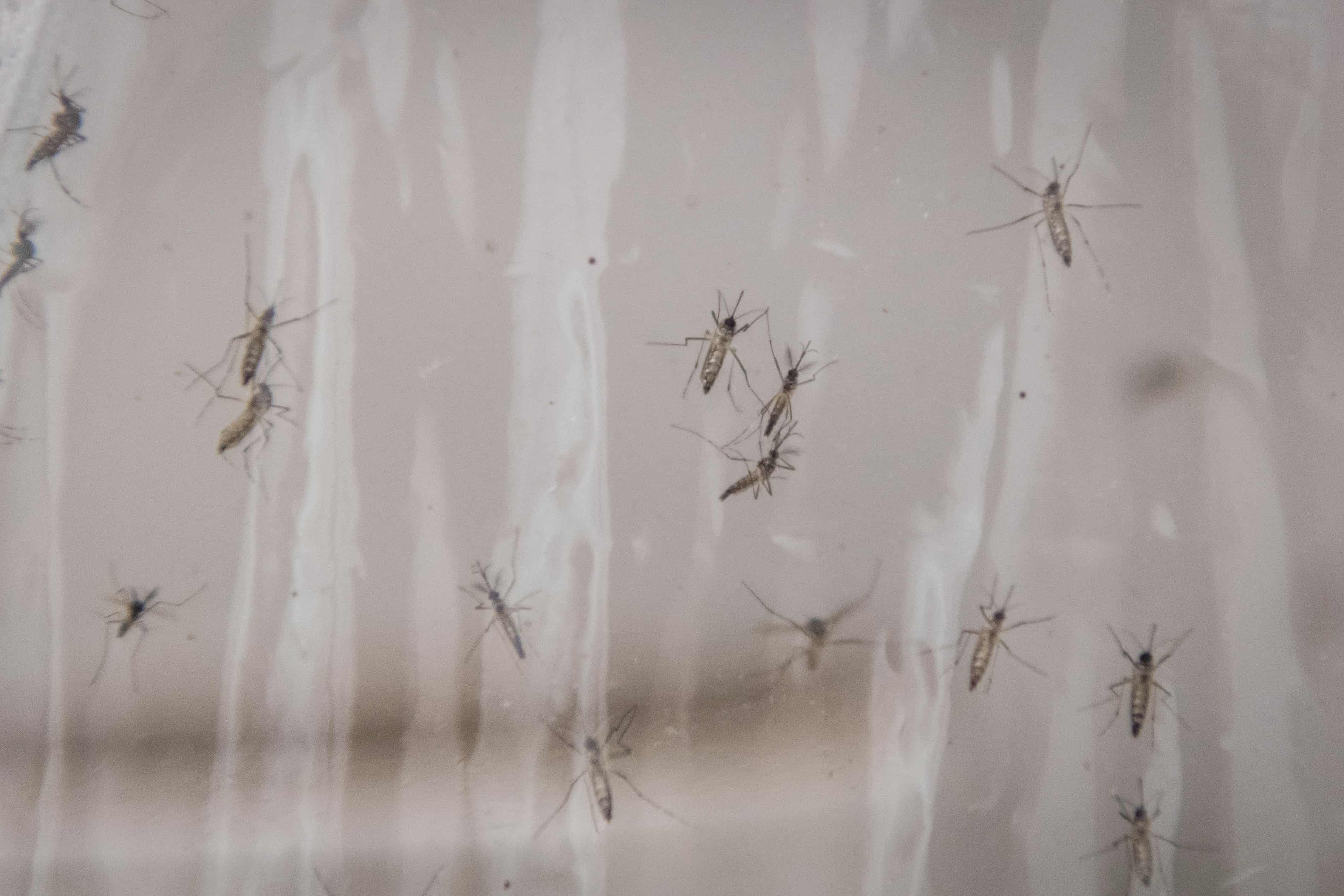
The strategy is based on an existing pest control method known as the Sterile Insect Technique (SIT). Google's innovation lies in applying its artificial intelligence and robotics technology to automate the process on a massive scale. Only males are released because male mosquitoes do not bite—only females do, as they require blood to develop their eggs—meaning males do not transmit diseases. These males are reared in the laboratory with the bacterium Wolbachia pipientis. This is a common bacterium found naturally in more than half of all insect species and is completely harmless to humans and animals.
La estrategia se basa en una técnica de control de plagas ya existente, conocida como Técnica del Insecto Estéril (TIE). La innovación de Google es aplicar su tecnología de inteligencia artificial y robótica para automatizar el proceso a una escala masiva. Solo se liberan machos porque los mosquitos macho no pican, solo lo hacen las hembras porque necesitan sangre para desarrollar sus huevos, por lo tanto los machos no transmiten enfermedades. A estos machos se les cría en laboratorio con la bacteria Wolbachia pipientis. Es una bacteria común que se encuentra de forma natural en más de la mitad de las especies de insectos y es completamente inofensiva para los humanos y los animales.
Source
The key lies in reproduction: when these males "infected" with Wolbachia mate with a wild female that does not carry the bacteria, the eggs she lays fail to hatch. No new mosquitoes are born. By consistently releasing millions of these males, the birth rate of that mosquito species in the area is drastically reduced, causing the population to plummet. Google uses artificial intelligence and robotic systems to breed the mosquitoes, automatically sort them by sex (ensuring only males are released), and efficiently coordinate the releases.
El truco está en la reproducción, cuando estos machos "infectados" con Wolbachia se aparean con una hembra salvaje que no tiene la bacteria, los huevos que ella pone no eclosionan. No nacen nuevos mosquitos. Al liberar millones de estos machos de forma constante, se reduce drásticamente la tasa de natalidad de los mosquitos de esa especie en la zona, logrando que la población se desplome. Google utiliza inteligencia artificial y sistemas robóticos para criar, separar automáticamente los mosquitos por sexo (asegurándose de que solo se liberen machos) y coordinar las sueltas de manera eficiente.
The primary goal is to drastically reduce the transmission of West Nile virus and other diseases. Similar experiments in Singapore involving a different type of mosquito succeeded in reducing the population of the dengue-transmitting mosquito by up to 90% and dengue cases by more than 70%. Unlike chemical insecticides, which can be toxic and harm beneficial insects such as bees, this method targets a specific mosquito species. It introduces no new toxins into the ecosystem, making it far more sustainable.
El objetivo principal es disminuir drásticamente la transmisión del virus del Nilo Occidental y otras enfermedades. Experimentos similares en Singapur con otro tipo de mosquito lograron reducir la población del mosquito transmisor del dengue hasta en un 90% y los casos de dengue en más de un 70% . A diferencia de los insecticidas químicos, que pueden ser tóxicos y dañar a otros insectos beneficiosos como las abejas, este método es específico para una especie de mosquito. No introduce toxinas nuevas en el ecosistema, lo que lo hace mucho más sostenible.
Source
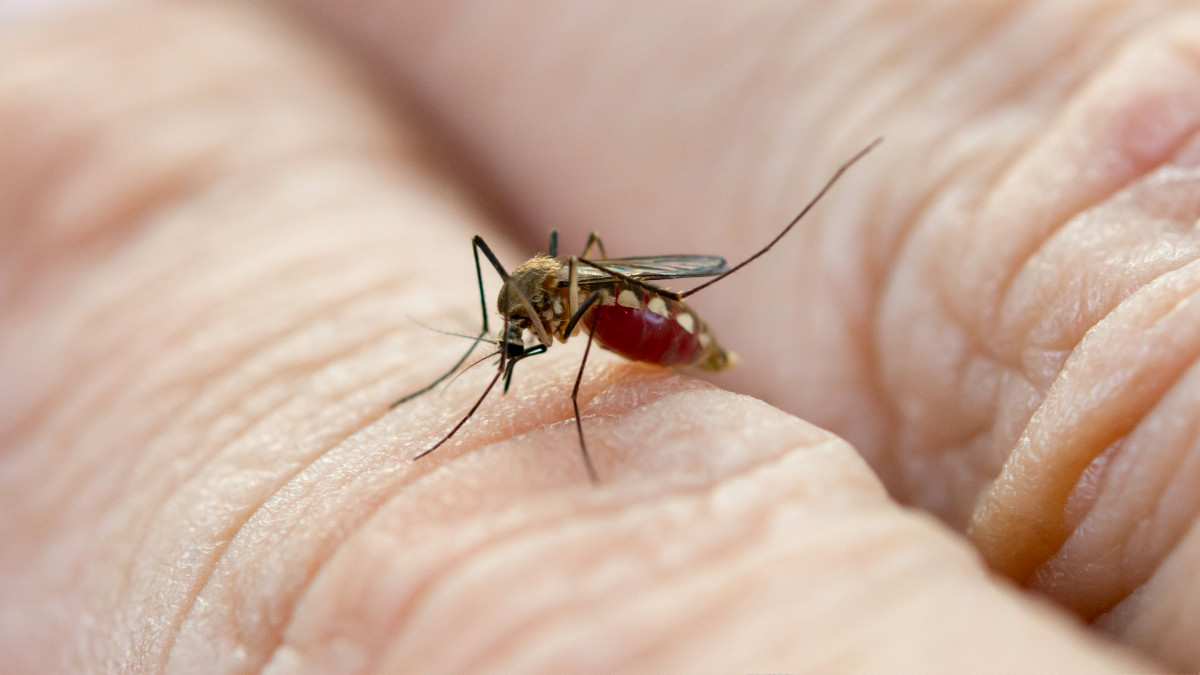
Mosquitoes are developing resistance to common insecticides. This biological method tackles the problem in a completely different way, offering a new tool in the fight. Sterility is not 100%; some studies indicate that, under certain conditions, a percentage of the eggs could remain viable. Although the risk is low, some experts point out that this involves "manipulating genetics in the environment." There is a theoretical concern that, in another mosquito species, Wolbachia infection could—paradoxically—enhance virus transmission, although this has been observed only in very specific laboratory studies and is neither the intended nor the expected outcome of this project.
Los mosquitos están desarrollando resistencia a los insecticidas comunes. Este método biológico ataca el problema de una manera completamente diferente, ofreciendo una nueva herramienta en la lucha. La esterilidad no es del 100%. Algunos estudios indican que, bajo ciertas condiciones, un porcentaje de los huevos podría seguir siendo viable. Aunque el riesgo es bajo, algunos expertos señalan que se está "manipulando la genética en el medio ambiente". Existe la preocupación teórica de que, en otra especie de mosquito, la infección con Wolbachia podría, paradójicamente, potenciar la transmisión de un virus, aunque esto se ha observado solo en estudios de laboratorio muy específicos y no es el efecto buscado ni esperado en este proyecto.
Although it is species-specific, eliminating a mosquito species from an ecosystem could have unforeseen consequences for the food chain (for example, for animals that feed on them). Scientists believe the public health benefits outweigh the risks, but monitoring is required. The project awaits final approval from the U.S. Environmental Protection Agency (EPA), which is currently reviewing the application and has received public comments. If approved, releases would take place in specific areas of California and Florida over the next two years, and the results would be closely scrutinized.
Aunque es específico, eliminar una especie de mosquito de un ecosistema podría tener consecuencias no previstas en la cadena alimenticia (por ejemplo, para los animales que se alimentan de ellos). Los científicos creen que los beneficios para la salud pública superan los riesgos, pero se necesita monitoreo. El proyecto está pendiente de la aprobación final de la Agencia de Protección Ambiental de EE. UU. (EPA), que ya está revisando la solicitud y ha recibido comentarios del público . Si se aprueba, las liberaciones se realizarían en zonas concretas de California y Florida durante los próximos dos años, y sus resultados se analizarán con lupa.
More information/Más información
https://www.smithsonianmag.com/smart-news/google-wants-to-release-32-million-mosquitoes-in-california-and-florida-heres-why-180988892/
This is a fantastic piece! I think many of your readers may have been left wanting more after the first few sentences. You presented the scientific aspect of this project very well! The aspect of breeding with A.I. Mosquitoes and robot sorting is very interesting, having the ability to sort out males that have a Wolbachia infection and only release male mosquitoes is a much safer way to control their population as well as species targeting also provides a safer alternative to using pesticides for mosquitoes. I also think it is important that you mentioned both the positive side (by decreasing rates of West Nile Virus transmission) and the negative side (within ecosystems - i.e. potential impact on these ecosystems and the requirement for continued monitoring). I appreciate that you presented both sides of the fence, giving your readers a fair amount of information to think about. Overall your article presented an even-handed approach with a thought-provoking result. Thank you for sharing this scientific breakthrough!
0.00 SBD,
0.76 STEEM,
0.76 SP