Motif Neurotech will test the first brain implant against depression in humans/Motif Neurotech probará en humanos el primer implante cerebral contra la depresión
Source
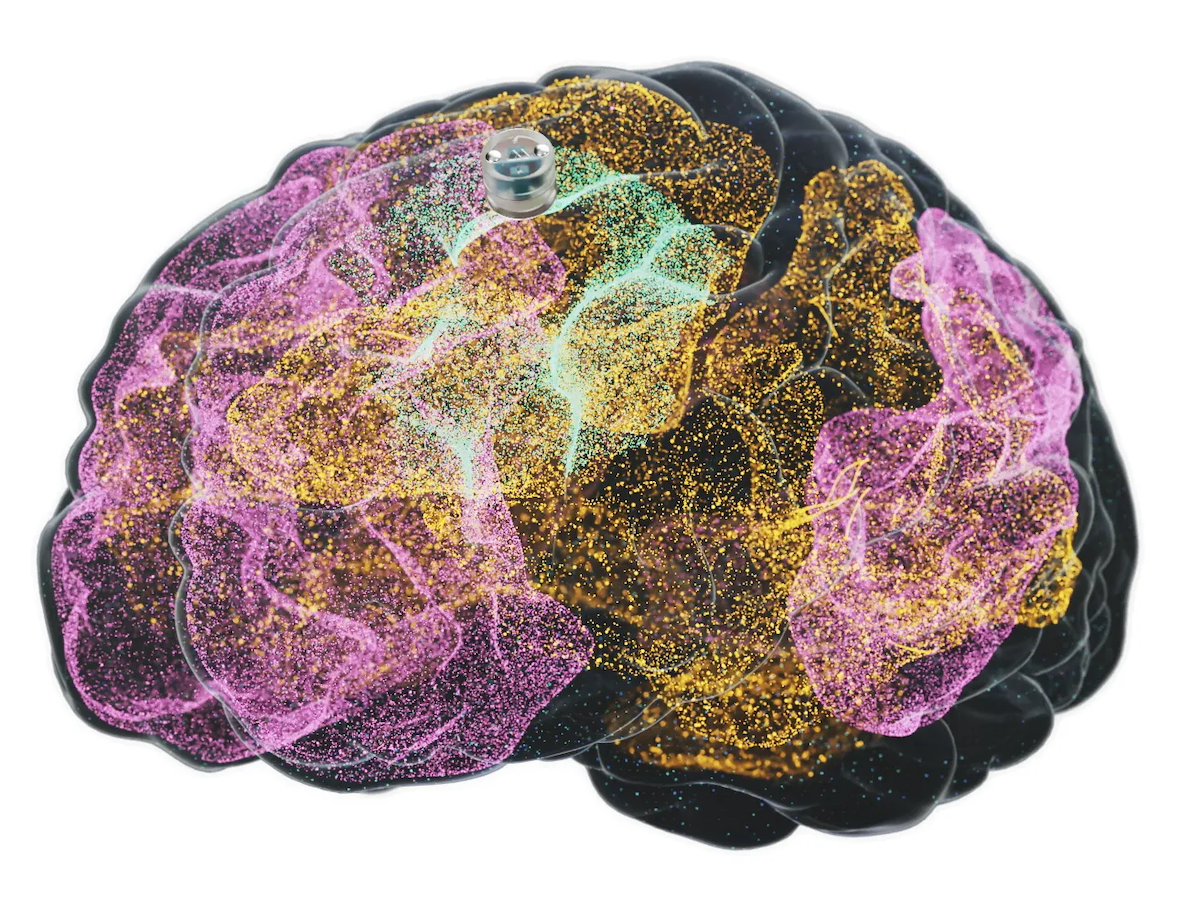
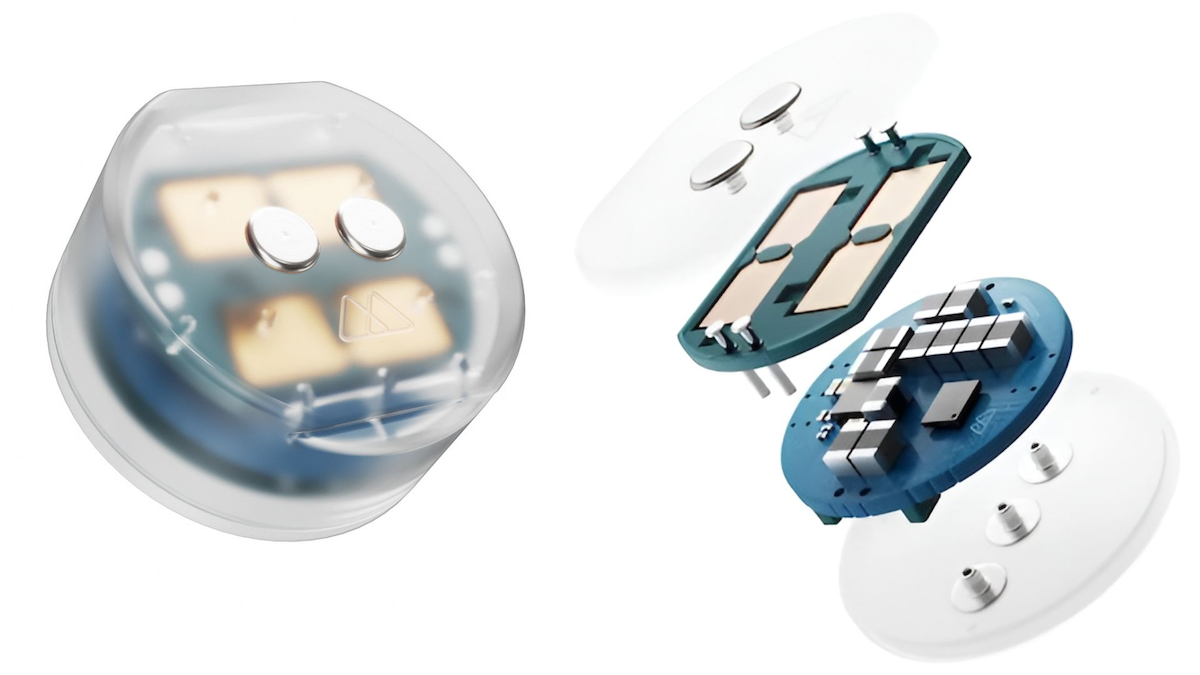
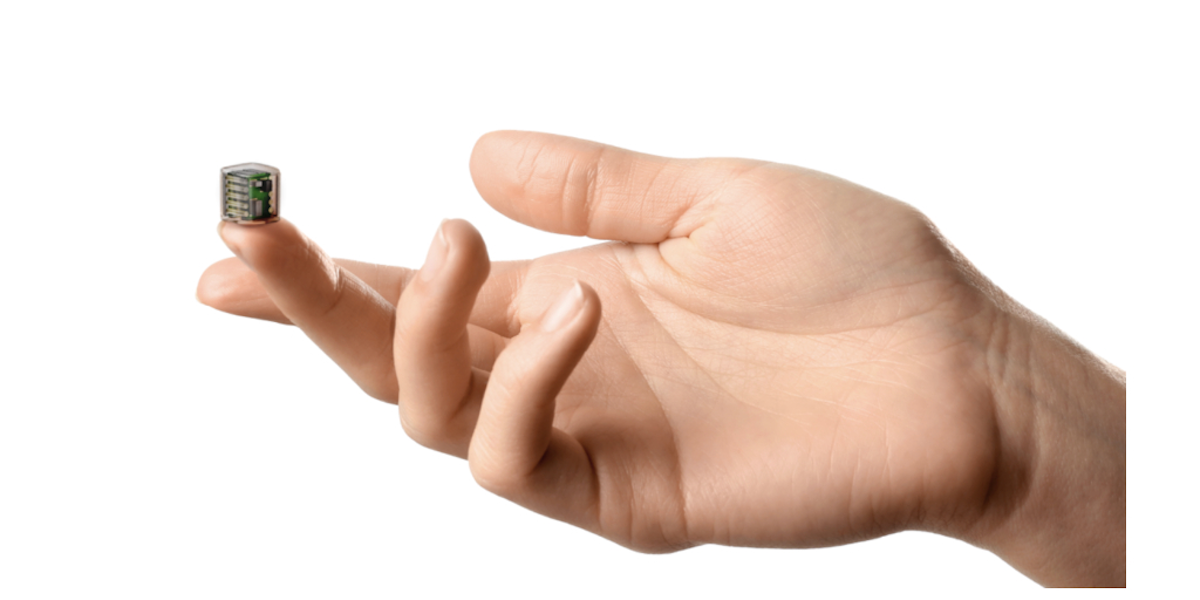
Typically, when we hear about advancements in brain-computer interfaces, the focus is on mobility and communication for people with disabilities. But now, the company Motif Neurotech has developed a small brain implant specifically designed for treatment-resistant depression—that is, for people who haven't improved with conventional antidepressants. It's called DOT (Digitally Programmable Over-brain Therapeutic) and is about the size of a blueberry or a raisin. And the best part is that this implant has already received approval for human trials.
Normalmente, cuando escuchamos algún avance en los interfaces cerebro-máquina, suelen centrarse en la movilidad y en ayudar a comunicarse a personas discapacitadas. Pero ahora la empresa Motif Neurotech ha desarrollado un pequeño implante cerebral diseñado específicamente para la depresión resistente al tratamiento, es decir, para personas que no han mejorado con los antidepresivos convencionales. Se llama DOT (Digitally Programmable Over-brain Therapeutic) y es un dispositivo del tamaño de un arándano o una pasa. Y lo mejor es que este implante ya ha recibido la autorización para poder probarlo en humanos.
It's not for everyone with depression; it's intended for patients with treatment-resistant depression (TRD). This condition is diagnosed when a person has tried at least two different antidepressants without significant improvement. In the United States, it's estimated that nearly 3 million people may be in this situation. The U.S. Food and Drug Administration (FDA) has approved a feasibility clinical trial to evaluate its initial safety and efficacy in a small group of about 10 participants.
No es para cualquier persona con depresión sino que está pensado para pacientes con depresión resistente al tratamiento (DRT). Esta condición se diagnostica cuando una persona ha probado al menos dos antidepresivos diferentes sin obtener una mejoría significativa. En Estados Unidos, se estima que cerca de 3 millones de personas podrían estar en esta situación. La Administración de Alimentos y Medicamentos de Estados Unidos (FDA) ha aprobado un ensayo clínico de viabilidad, para evaluar su seguridad y eficacia inicial en un grupo pequeño de personas de alrededor de 10 participantes.
Source
Its operation combines minimally invasive implantation with a novel form of brain stimulation. Unlike other brain implants, the DOT is not inserted into brain tissue. It is placed through an outpatient procedure of about 20 minutes in a small hole in the skull, just above the dura mater (the membrane that protects the brain). Once in place, the device emits low-intensity electrical stimulation patterns to the frontoparietal network. This brain region, crucial for cognitive functions such as attention and decision-making, shows reduced activity in people with severe depression.
Su funcionamiento combina una implantación mínimamente invasiva con una novedosa forma de estimulación cerebral. A diferencia de otros implantes cerebrales, el DOT no se introduce en el tejido cerebral. Se coloca mediante un procedimiento ambulatorio de unos 20 minutos en un pequeño orificio del cráneo, justo encima de la duramadre (la membrana que protege el cerebro). Una vez colocado, el dispositivo emite patrones de estimulación eléctrica de baja intensidad sobre la red frontoparietal. Esta región del cerebro, crucial para funciones cognitivas como la atención y la toma de decisiones, muestra una actividad reducida en personas con depresión grave.
The goal is to "reactivate" this neural network. The implant has no internal batteries or wires; it operates using magnetoelectric and wireless technology. The patient wears a special baseball cap which, when activated, sends energy and stimulation instructions to the implant through the scalp. It's a mechanism similar to that of an electric toothbrush that charges on its base. This technology aims to overcome the limitations of existing brain stimulation therapies such as Transcranial Magnetic Stimulation (TMS) or Deep Brain Stimulation (DBS).
El objetivo es "reactivar" esta red neuronal. El implante no tiene baterías internas ni cables, funciona con una tecnología magnetoeléctrica e inalámbrica. El paciente se coloca una gorra de béisbol especial que, al activarse, envía energía y las instrucciones de estimulación al implante a través del cuero cabelludo. Es un mecanismo similar al de un cepillo de dientes eléctrico que se carga en su base. Esta tecnología busca superar las limitaciones de las terapias de estimulación cerebral existentes como la Estimulación Magnética Transcraneal (EMT) o la Estimulación Cerebral Profunda (ECP).
Source
TMS is effective, but it requires the patient to visit a clinic daily for weeks. The major advantage of DOT is that, because it can be used at home, it eliminates this logistical burden and allows for more frequent stimulation, which could accelerate and improve results. As for DBS, it is a much more invasive surgical treatment that involves inserting electrodes into the brain. DOT is placed on the surface of the skull, without penetrating brain tissue, which drastically reduces surgical risks.
La EMT es eficaz, pero requiere que el paciente acuda a una clínica a diario durante semanas. La gran ventaja del DOT es que, al poder usarse en casa, elimina esa carga logística y permite una estimulación más frecuente, lo que podría acelerar y mejorar los resultados. En cuanto a la ECP, es un tratamiento quirúrgico mucho más invasivo que implica introducir electrodos en el cerebro. El DOT se coloca sobre el cráneo, sin penetrar en el tejido cerebral, lo que reduce drásticamente los riesgos quirúrgicos.
As this is a new procedure, the long-term side effects and potential complications, such as device malfunctions that could send incorrect stimuli, are still unknown. The initial enthusiasm of the promoters will need to be confirmed by rigorous clinical trial data. In short, the DOT implant trial is a very promising first step, but caution is warranted. Science will advance significantly if the results of the study in 10 people are positive, which could pave the way for larger trials.
Al ser un procedimiento nuevo, aún no se conocen los efectos secundarios a largo plazo o las posibles complicaciones, como fallos en el dispositivo que podrían enviar estímulos incorrectos. El entusiasmo inicial de los promotores deberá confirmarse con los rigurosos datos del ensayo clínico. En resumen, el ensayo del implante DOT es un primer paso muy prometedor, pero hay que ser cautelosos. La ciencia avanzará significativamente si los resultados del estudio en 10 personas son positivos, lo que podría abrir la puerta a ensayos más amplios.
More information/Más información
https://interestingengineering.com/innovation/us-trial-wireless-brain-implant-depression
Este invento pareciera tratar de resolver un mal en apariencia. Tal vez en el fondo se esté trabajando sobre un control inducido en el cerebro pero siempre le veo el lado perverso del asunto. Controlar algunos cerebros que ocupan posiciones de poder, suicidarlos o quién sabe que otra cosa serán capaces.
El bien depende del buen uso pero todo apunta siempre a la guerra.
Saludos y éxitos..!
Such great news for those dealing with treatment-resistant depression! The DOT implant is impressive because it's placed above the dura with minimal invasiveness, powered wirelessly by a magnetoelectric system in a easy cap, and provides targeted stimulation to the frontoparietal network. The possibility of using it at home might address the main drawbacks of existing treatments such as TMS.
Fingers crossed that the upcoming 10-person FDA feasibility study demonstrates both safety and significant outcomes. If successful, this could be a big advancement in brain health technology. Can't wait to see the results!