Scientists reprogram stem cells to produce antibodies for life/Científicos reprograman células madre para que produzcan anticuerpos de por vida

Source
As you all know, the immune system is a complex network of cells, tissues, and organs that defend the body against infections, bacteria, viruses, and cancer cells. Its function is to recognize antigens, produce antibodies, and attack invaders to maintain health. However, some pathogens are so elusive that the immune system cannot generate the appropriate antibodies on its own. This is where a newly developed gene-editing strategy comes in.
Como todos sabéis, el sistema inmunitario es una compleja red de células, tejidos y órganos que defienden al cuerpo contra infecciones, bacterias, virus y células cancerosas. La función de este sistema es reconocer antígenos, producir anticuerpos y atacar a los invasores para mantener la salud. Sin embargo, existen algunos patógenos tan esquivos que el sistema inmunitario no puede generar laos anticuerpos adecuados por sí solo. Es aquí donde encaja una nueva estrategia de edición genética desarrollada recientemente.
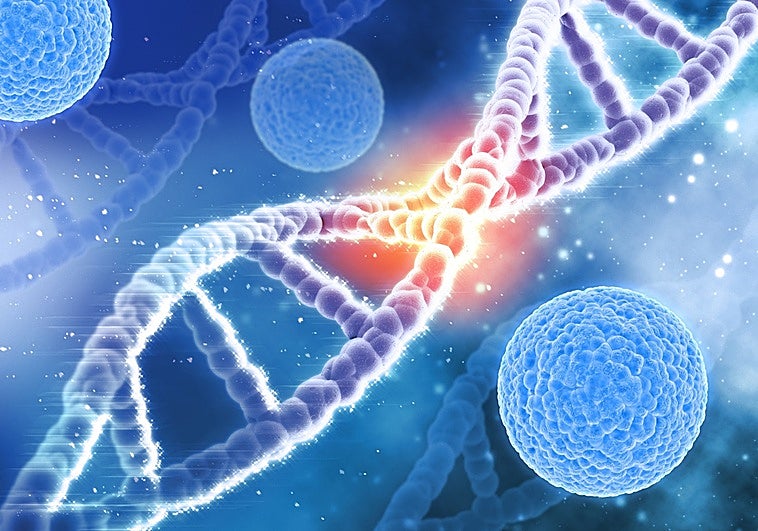
This is a new gene-editing system developed by researchers at Rockefeller University in the United States. The key to this advance lies in "going back to the source," that is, reprogramming hematopoietic stem cells (the most primitive blood cells, which reside in the bone marrow) to produce the antibodies or proteins the doctor desires for life. Unlike previous attempts that modified already mature B cells (with a limited lifespan), this technique modifies the stem cells from which they originate.
Se trata de un nuevo sistema de edición genética desarrollada por investigadores de la Universidad Rockefeller en Estados Unidos. La clave de este avance está en "ir al origen", es decir, reprogramar las células madre hematopoyéticas (las células sanguíneas más primitivas que residen en la médula ósea) para que produzcan de por vida los anticuerpos o proteínas que el médico desee. A diferencia de intentos anteriores que modificaban células B ya maduras (con una vida limitada), esta técnica modifica las células madre que las originan.
Source
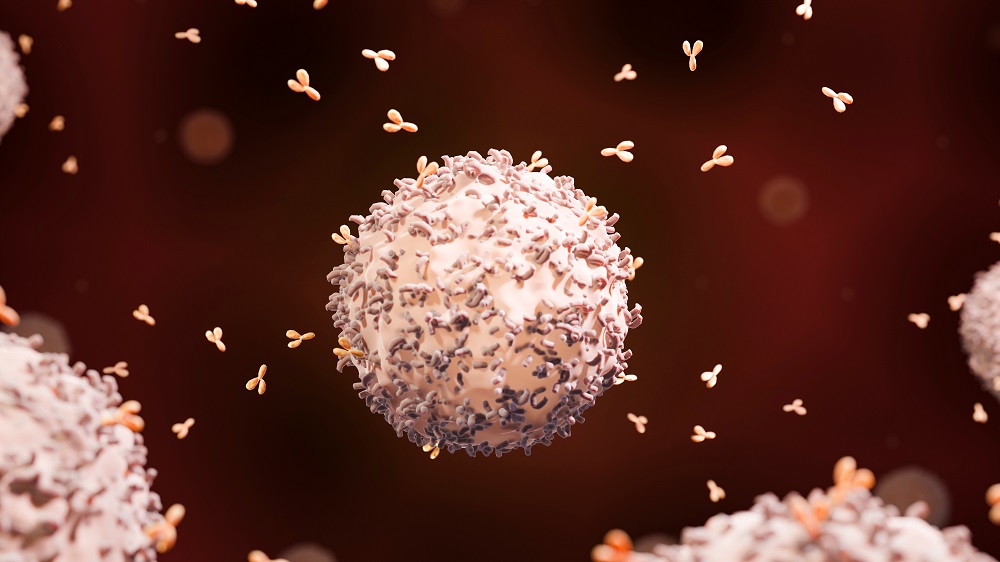
By inserting genetic instructions into these stem cells, all the B cells the body generates throughout the patient's life will be born already "programmed" to produce the specific therapeutic antibody or protein. The immune system is a natural amplification machine. Researchers have shown in animal models that even by editing a minuscule number of these stem cells, the body is capable of generating a robust and long-lasting response. A conventional vaccine, acting as a "switch," is all it takes for these cells to multiply and produce massive quantities of the drug.
Al insertar las instrucciones genéticas en estas células madre, todas las células B que el cuerpo genere a lo largo de la vida del paciente nacerán ya "programadas" para producir el anticuerpo o la proteína terapéutica específica. El sistema inmunitario es una máquina de amplificación natural. Los investigadores comprobaron en modelos animales que, incluso editando un número minúsculo de estas células madre, el cuerpo es capaz de generar una respuesta robusta y duradera. Basta con una vacuna convencional que actúe como un "interruptor" para que estas células se multipliquen y produzcan cantidades masivas del fármaco.
In proof-of-concept studies conducted with mice, those reprogrammed to produce flu antibodies survived an exposure that would normally have been fatal. Furthermore, scientists have already demonstrated that the technique works in human stem cells in the laboratory, paving the way for future clinical trials. The potential of this internal "biological factory" is enormous and extends far beyond infectious diseases. The most immediate target is viruses such as HIV or hepatitis, against which the immune system is often unable to mount an effective defense on its own.
En las pruebas de concepto realizadas con ratones, aquellos que fueron reprogramados para producir anticuerpos contra la gripe sobrevivieron a una exposición que normalmente habría sido letal. Además, los científicos ya han probado que la técnica funciona en células madre humanas en el laboratorio, lo que allana el camino para futuros ensayos clínicos. El potencial de esta "fábrica biológica" interna es enorme y va mucho más allá de las enfermedades infecciosas. El objetivo más inmediato son virus como el VIH o la hepatitis, contra los que el sistema inmunitario a menudo no puede generar una defensa efectiva por sí solo.
Source
The team demonstrated that the modified cells can produce not only antibodies but also other non-immunological proteins. This opens the door to treating metabolic diseases or genetic deficiencies where the patient lacks a specific enzyme. Instead of receiving lifelong infusions, the patient would have the "factory" installed in their own body. While the Rockefeller study focuses on reprogramming stem cells to produce antibodies, parallel research at the University of California, San Francisco (UCSF) is pursuing something similar but with T cells (another type of immune cell) to attack tumors.
El equipo demostró que las células modificadas no solo pueden fabricar anticuerpos, sino también otras proteínas no inmunológicas. Esto abre la puerta a tratar enfermedades metabólicas o deficiencias genéticas donde el paciente carece de una enzima específica. En lugar de recibir infusiones de por vida, el paciente tendría la "fábrica" instalada en su propio cuerpo. Aunque el estudio de Rockefeller se centra en la reprogramación de células madre para producir anticuerpos, otra investigación paralela de la Universidad de California en San Francisco (UCSF) busca algo similar pero con células T (otro tipo de célula inmunitaria) para atacar tumores.
Despite the enthusiasm, it's important to maintain a realistic perspective. For now, the results are preclinical, tested in mice and in the laboratory with human cells. The next logical step is to scale up the research to non-human primates to evaluate safety and efficacy before considering clinical trials in humans. If the results are confirmed in humans, we would be facing a paradigm shift: moving from treating diseases with lifelong drugs to treating them with a single intervention that transforms the body itself into an internal laboratory.
A pesar del entusiasmo, es importante mantener una perspectiva realista. Por ahora, los resultados son preclínicos, probados en ratones y en laboratorio con células humanas. El siguiente paso lógico es escalar la investigación a primates no humanos para evaluar la seguridad y eficacia, antes de pensar en ensayos clínicos con personas. Si los resultados se confirman en humanos, estaríamos ante un cambio de paradigma: pasar de tratar enfermedades con fármacos de por vida a hacerlo con una única intervención que convierta al propio organismo en un laboratorio interno.
More information/Más información
https://medicalxpress.com/news/2026-04-immune-therapeutic-proteins.html