They discover that worker bees choose their queen/ Descubren que las abejas obreras eligen a su reina

Source
Apparently, the traditional belief was exactly the opposite, that the queen was born already "special" in her own right, and that the workers were simply her "subjects" who could not aspire to the throne. For centuries, beekeepers and scientists observed a fascinating fact: from the same group of genetically identical larvae, some became a single large queen, and thousands of others became smaller, sterile workers. It was thought that the power of decision lay with the Queen (or the colony's needs). The workers were only the "hands" that carried out that decision.
Según parece, la creencia tradicional era exactamente la contraria, que la reina nacía ya siendo "especial" por derecho propio, y que las obreras eran simplemente sus "súbditas" que no podían aspirar al trono. Durante siglos, los apicultores y científicos observaron un hecho fascinante: de un mismo grupo de larvas genéticamente idénticas, unas se convertían en una única y gran reina, y las otras miles, en obreras más pequeñas y estériles. Se pensaba que el poder de decisión lo tenía la Reina (o la necesidad de la colonia). Las obreras eran solo las "manos" que ejecutaban esa decisión.
But now a team of scientists from Pennsylvania State University (Penn State) has discovered that the decision-making power lies with the worker bees themselves. They are the ones who actively and deliberately produce and incorporate the youthful hormone into food. By doing so, they are manipulating the fate of the larvae to create a new queen who is not even their direct biological "mother" at that time. The discovery focuses on juvenile hormone, a key substance in the development of insects, and the process works as follows.
Pero ahora un equipo de científicos de la Universidad Estatal de Pensilvania (Penn State) ha descubierto que el poder de decisión recae en las propias abejas obreras. Son ellas quienes, de forma activa y deliberada, producen e incorporan la hormona juvenil en la comida. Al hacerlo, están manipulando el destino de las larvas para crear una nueva reina que ni siquiera es su "madre" biológica directa en ese momento. El descubrimiento se centra en la hormona juvenil, una sustancia clave en el desarrollo de los insectos y l proceso funciona de la siguiente manera.

Source
The research, published in the journal Insect Biochemistry and Molecular Biology, revealed that worker bees (the "nannies") produce this hormone and incorporate it into the food they make (a mixture of nectar and pollen) to feed all the larvae. Larvae that ingest a greater amount of this hormone during a critical window of just two days (specifically days 7 and 8 of their development) have a very high probability of developing into large, long-lived and fertile queens. Those who receive the least become the smallest and most sterile workers.
La investigación, publicada en la revista Insect Biochemistry and Molecular Biology, reveló que las abejas obreras (las "niñeras") producen esta hormona y la incorporan en la comida que elaboran (una mezcla de néctar y polen) para alimentar a todas las larvas. Las larvas que ingieren una mayor cantidad de esta hormona durante una ventana crítica de tan solo dos días (específicamente los días 7 y 8 de su desarrollo) tienen una altísima probabilidad de desarrollarse como reinas grandes, longevas y fértiles. Las que reciben menos se convierten en las obreras más pequeñas y estériles.
This study showed that the source of the hormone is crucial. If the scientists applied the hormone directly to the larva, the workers detected it and eliminated it. On the other hand, if they administered it to the workers, they naturally integrated it into their food, successfully converting the larvae into queens. This mechanism turns the colony into a decentralized system. The fate of the colony is not dictated by a current queen, but by the health and hormonal status of her own workers. The implications of this discovery are very broad, both for understanding evolution and for practical applications.
Este estudio demostró que la fuente de la hormona es crucial. Si los científicos aplicaban la hormona directamente sobre la larva, las obreras la detectaban y la eliminaban. En cambio, si se la administraban a las obreras, ellas la integraban de forma natural en la comida, logrando convertir exitosamente a las larvas en reinas. Este mecanismo convierte a la colonia en un sistema descentralizado. El destino de la colonia no lo dicta una reina actual, sino la salud y el estado hormonal de sus propias trabajadoras. Las implicaciones de este descubrimiento son muy amplias, tanto para entender la evolución como para aplicaciones prácticas.
Source
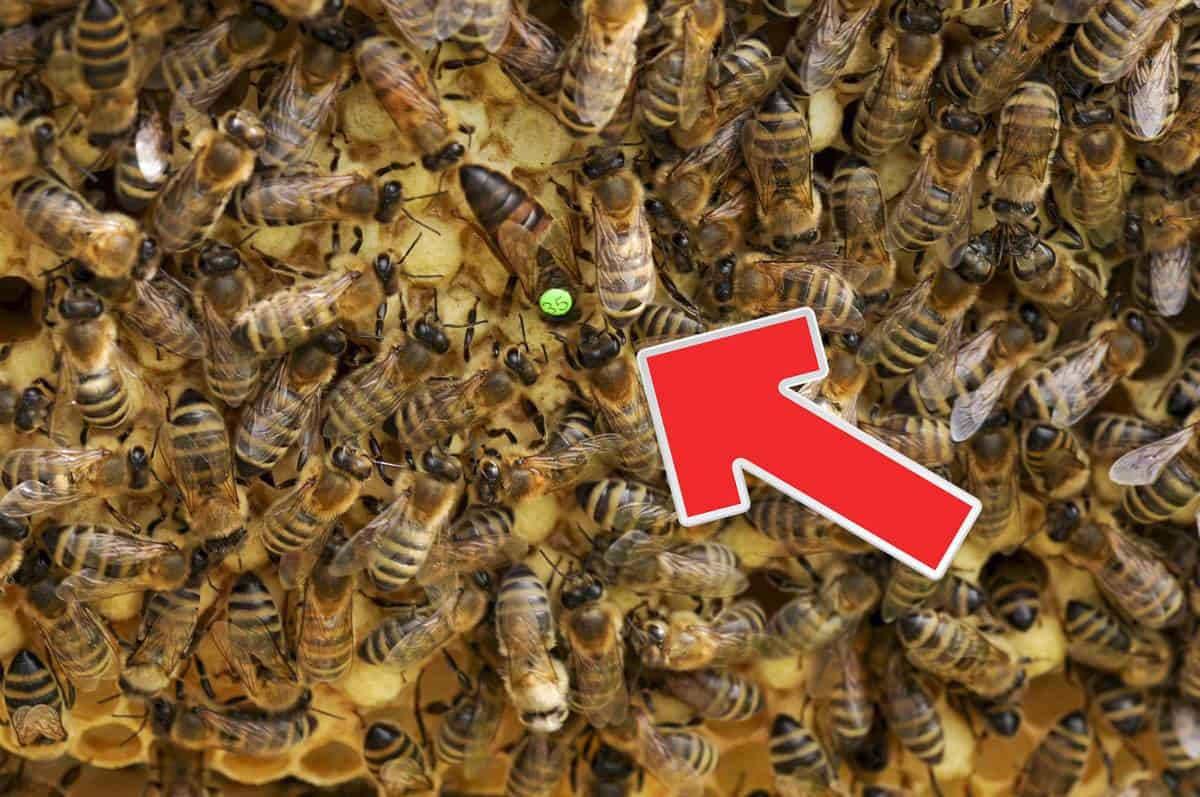
This discovery challenges the traditional view of a bee colony as an absolute monarchy. In the common bumblebee studied (Bombus impatiens), the queen has almost no role in this decision. It is a fascinating example of how workers and caretakers can alter the future of the colony without orders from "above." Bumblebees are essential pollinators for greenhouse crops such as tomatoes and blueberries, and until now, raising queens in captivity to start new colonies was an unpredictable process.
Este descubrimiento desafía la visión tradicional de una colonia de abejas como una monarquía absoluta. En el abejorro común estudiado (Bombus impatiens), la reina tiene un papel casi nulo en esta decisión. Es un ejemplo fascinante de cómo trabajadores y cuidadores pueden alterar el futuro de la colonia sin órdenes desde "arriba". Los abejorros son polinizadores esenciales para cultivos de invernadero como los tomates y los arándanos y hasta ahora, criar reinas en cautividad para iniciar nuevas colonias era un proceso impredecible.
Understanding that the key is the juvenile hormone and the exact timing (days 7 and 8) will allow producers to optimize the creation of new colonies, making them more efficient and sustainable. It is important not to confuse the species. In the honey bee (Apis mellifera), other Penn State studies have discovered that the fate of the larva is decided by a genetic "tug of war" between genes inherited from the father and mother (intragenomic conflict), a mechanism that is regulated through histone modifications. This shows that nature has found multiple ways to decide who is in charge.
Entender que la clave es la hormona juvenil y el momento exacto (los días 7 y 8) permitirá a los productores optimizar la creación de nuevas colonias, haciéndolas más eficientes y sostenibles. Es importante no confundir las especies. En la abeja de la miel (Apis mellifera), otros estudios de Penn State han descubierto que el destino de la larva se decide por un "tira y afloja" genético entre los genes heredados del padre y de la madre (conflicto intragenómico), un mecanismo que se regula a través de modificaciones en las histonas . Esto demuestra que la naturaleza ha encontrado múltiples caminos para decidir quién manda.
More information/Más información
https://phys.org/news/2026-05-worker-bumble-bees-baby-bee.html
Much more fascinating research as usual! It's incredible how this reverses the idea of "queen rules all" in bumblebees. Worker bees do not just obey commands, but they actually mold the future of their colony by their manipulation of juvenile hormone during the crucial period of days 7 and 8 of the bee's life cycle, and thus make decisions through decentralised means that demonstrate the level of social intelligence that bumblebees possess. Another great potential for sustainable beekeeping and other uses. Thank you for sharing, @mauromar. Nature never ceases to amaze us! I double my respect to the species by gaining access into their real-time habits🐝