Blockchain Technology and the Transformation of International Remittance Services
International remittance is the transfer of funds between countries. Numerous people who have employment opportunities abroad remit funds to their loved ones and pals back home. These funds can be used for rent, food, hospital expenses, school fees, and many other expenses. For many developing countries, international remittances are an important source of income. The transfer of funds from one country to another, however, has not been quite as simple. The traditional money transfer services can be expensive, take days to complete the money transfer and need a lot of documents to receive the money. Today, blockchain technology is changing this system, which makes international remittance faster, cheaper and more secure.
Blockchain is a digital technology that can safely and transparently record transactions. It holds information in blocks, which are chained together. After adding information to the blockchain, it is extremely hard to modify or remove that information. This ensures that the system is safe and reliable. No single organization is controlling the transactions in Blockchain. Rather, all of these computers across the world collaborate to confirm and log each transaction. I believe this is one of the best things that blockchain technology brings to the table – the added trust for users.
In the past, international money transfer services were primarily reliant on banks and money transfer providers before the rise of blockchain. These organisations serve as intermediaries between sender and receiver. All the middlemen in between typically charge fees. This means that individuals can end up sending away a considerable amount of their funds. Additionally, transfers could even take up to five working days to be deposited in the receiver's bank account. This lag can be an issue, particularly if the funds are required immediately for emergencies or other family needs.
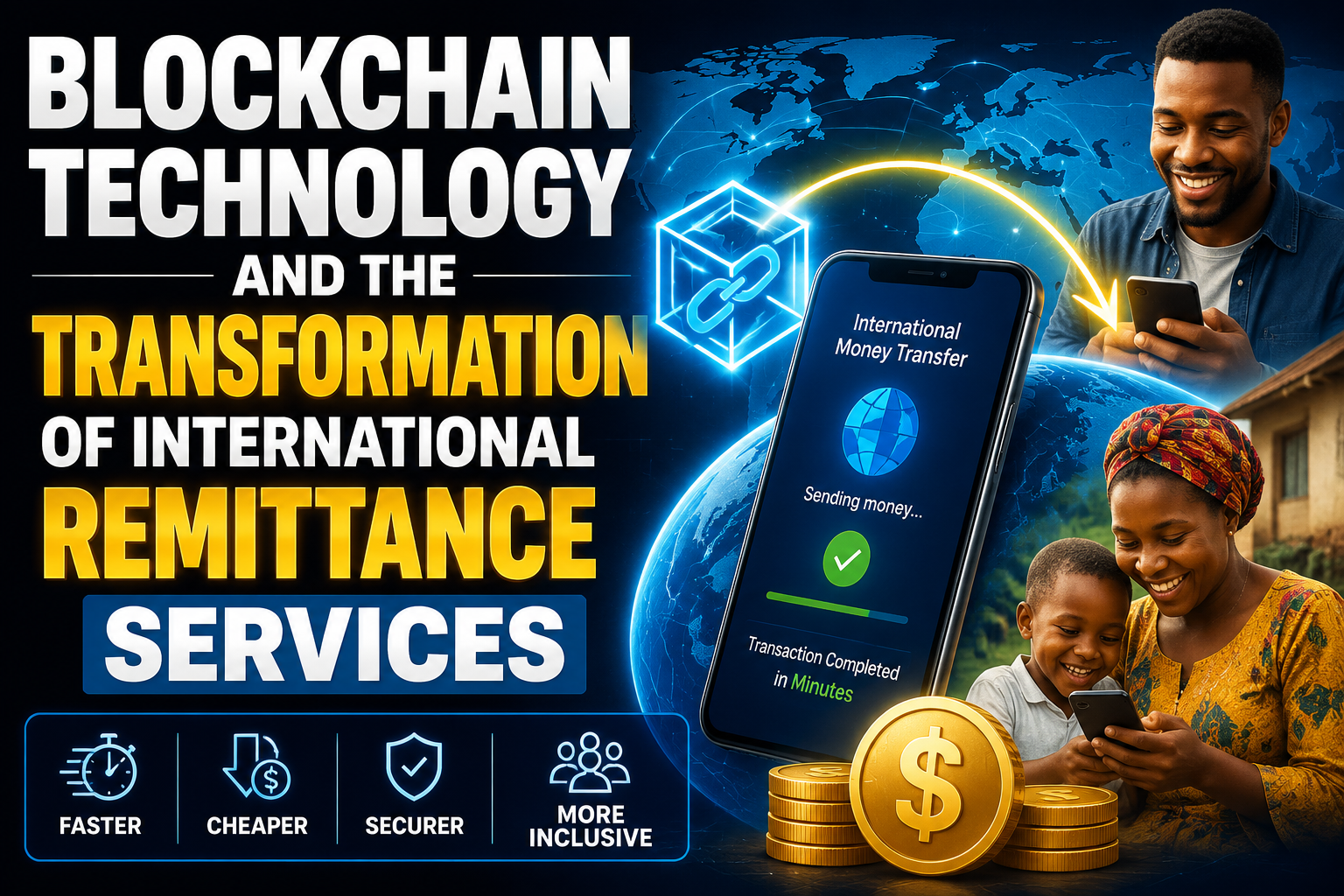
A number of intermediaries are eliminated thanks to blockchain technology. It will be possible to send money directly to another person via a Blockchain network. There are fewer organizations working, which means it will be cheaper to send money. Transactions can even occur in a few minutes, instead of several days. This is a significant boost to those reliant on remittances for their livelihood. I believe that many families are benefiting this way of transferring money and its much quicker as well as inexpensive.
Security is also an essential benefit of blockchain. All transactions are secured with sophisticated cryptography. After a transaction is verified, the details of this transaction can no longer be quickly altered in the blockchain record. This helps to minimise fraud, hacking and manipulation. The system also maintains a clear record of all transactions, which facilitates tracking payments if needed. The transparency makes it easier for people to trust when sending and receiving money.
Blockchain technology also increases financial inclusion. In many parts of the world, people are not able to avail of traditional banking services. Some reside in rural villages without banks and others are unable to obtain bank accounts due to a lack of documentation. The blockchain technology has made it possible for users to access the digital wallets through their smartphones and internet connection only. This enables a larger share of the world's population to enter the worldwide financial system. It provides individuals with the chance to receive money with no complete trust in regular banks.
Remittance services based on blockchain technology have also seen an increase in growth, thanks to the numerous cryptocurrencies like Bitcoin and stablecoins. Stablecoins are cryptocurrencies that are pegged to real-world currencies like the USD. Their worth is more stable than numerous cryptocurrencies and that is why they are gaining popularity for foreign exchange. Stablecoins can be easily transferred across the border and later converted to local currency. The speed at which this process can occur is sometimes quicker and cheaper than other money transfer services.
While blockchain technology offers many advantages, it also has some drawbacks. A problem that comes from the fact that there is no regulation in certain countries. The regulations of cryptocurrencies and blockchain transactions differ across countries. Certain governments are fully supportive of the blockchain innovation, and others have imposed restrictions on it. The differences in these make the international transactions more complicated. The other one is the lack of knowledge about how blockchain functions. People are still not very familiar with digital wallets, private keys, and crypto transactions. Increasing access to these services will require greater education and awareness.
The other is access to the Internet. Blockchain transactions need to be conducted with a reliable internet connection and electronic device. Internet services may be slow, costly, or not available in some regions of many developing nations. This restricts the usage of blockchain-based remittance systems to few individuals. Furthermore, while stablecoins minimise the volatility of cryptocurrency prices, others are highly volatile, making them less appropriate for sending money when price stability is crucial.
In the future, I think blockchain technology will further enhance the remittance service for international transactions. Many technology companies are creating more user-friendly, secure payment systems and more financial institutions are looking into blockchain solutions. Governments are also exploring the challenges and opportunities of regulating blockchain, while promoting innovation. With the advancements in technology, the future of international money transfers could become even more convenient, secure, and cost-effective for everyone.
To sum up, blockchain has revolutionized international remittance services, cutting down on the expenses of transfer, enhancing the speed of transactions, strengthening security, and advancing financial inclusion. While regulations, internet penetration and public awareness are still barriers, blockchain's future in international remittances looks bright. I think that the more people learn and utilise this technology, the more it will benefit and simplify the lives of millions of families worldwide who send money across borders.
Note:-
Regards, @adeljose
https://x.com/i/status/2083882215427932200
https://coinmarketcap.com/currencies/pussfi/
https://x.com/i/status/2079866677102051664
I am so sorry. It is a mistake from my side. I have corrected it
@adeljose
@adeljose