Decentralized Exchanges and the Future of Asset Trading
DEXs, known as decentralized exchanges, are making a new footprint in the world of trading. I've been studying the evolution of trading, and I can see that DEXs are quickly gaining momentum in the financial world. Decentralized exchanges operate on blockchain technology, unlike conventional exchanges run by corporations or institutions. This eliminates central control and gives users greater freedom in managing their finances and trading.
Put simply, a decentralized exchange enables users to exchange assets with each other. No one is in charge of your funds. I think this is a beautiful concept because it gives people sole control over their assets. When users trade on centralized exchanges, they have to deposit money into the exchange. This exposes them to risks like hacking, scamming or the exchange closing down. In DEXs, users can trade directly from their wallets, eliminating these concerns.
A key characteristic of DEXs is the use of smart contracts. These are computer programs that operate on the blockchain. They can execute trades based on predetermined criteria. I think this is good because it eliminates trust. People don't need to trust a company, they trust the code. This makes it more equitable. All trades are stored on the blockchain, and can be audited.
Another important feature of DEXs is privacy. On many centralized exchanges, users need to undergo a process known as Know Your Customer (KYC) to provide documents such as ID cards and addresses. I understand the benefits of doing this, but it also makes me wonder about privacy and security. In DEXs, people can exchange tokens without giving out personal information. This allows greater privacy and anonymity.
But DEXs have their flaws. I have found they are more difficult to use, particularly for new users. They have complicated user interfaces, and users must be familiar with wallets and blockchain transactions. Then there's the question of the fees, which can be expensive on some networks. These factors can make decentralized exchanges less accessible for users.
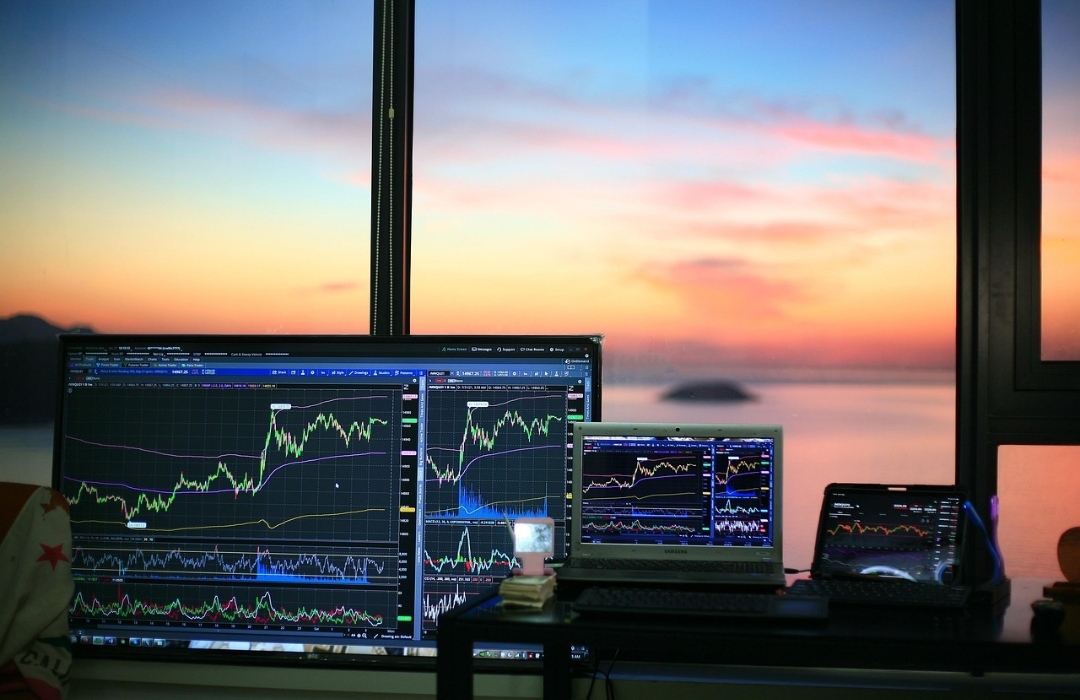
Liquidity is another challenge. Liquidity is a measure of how easily you can buy or sell an asset without changing its price. Centralized exchanges are generally liquid since there are lots of users. This can be a problem with some DEXs, but the introduction of liquidity pools has helped. Liquidity pools allow users to pool their assets together and receive rewards, facilitating trades.
However, I am confident that the future is bright for decentralized exchanges. With advances in technology, many people are trying to improve the user experience of using DEXs. Innovative ways are being developed to make transactions cheaper and faster. With these developments, and more people will use decentralized platforms.
Asset trading is likely to become more decentralized. I envision a future where individuals will have complete control over their financial lives without relying on huge institutions. This doesn't mean the end of centralized exchanges, but their role may be diminished. Rather, we may have a mix of options from which to choose.
Finally, the future of decentralized exchanges may not just involve cryptocurrency. I think in the near future, people will be able to buy and sell real assets such as stocks, houses, and even art on a decentralized exchange. This will provide new investment opportunities for people around the globe. It will also make financial markets more accessible, and enable people from anywhere to trade.
We will see security improvements too. With more focus on decentralized models, developers will build more secure smart contracts. I believe this will increase user confidence and uptake. Education will also play a big role. Once users understand how DEXs operate, they will be more comfortable with them.
Overall, decentralized exchanges represent a significant advancement in trading. They provide a level of freedom, transparency and control over assets that is missing from traditional trading systems. While there are still some hurdles to overcome, the rewards are too great to be ignored. In my view, DEXs are not a passing fad; they are part of a broader shift towards a more transparent and inclusive financial system. As we move forward, I think decentralized exchanges will help to shape the future of asset trading.
https://x.com/i/status/2038990196453126632
https://coinmarketcap.com/currencies/pussfi
https://x.com/i/status/2036134193260802100
Note:-
Regards, @adeljose