The Diary Game [17/07/2026] // Day 2 of Workshop on Inclusive Land Governance.
Hi guys, accept greetings from the motherland of Cameroon and welcome back to my blog, where I share my daily lifestyle experiences with you all.
It was the second day of our workshop on Breaking Patriarchal Barriers: Women's Access to Land Justice in Cameroon which left me feeling both inspired and hopeful. While the first day focused on understanding the barriers women face in accessing land rights, today challenged us to move beyond identifying problems and begin imagining practical solutions. The spotlight was on inclusive land governance, a concept that recognises that sustainable land management is only possible when everyone, especially women, has a meaningful voice in decision-making.
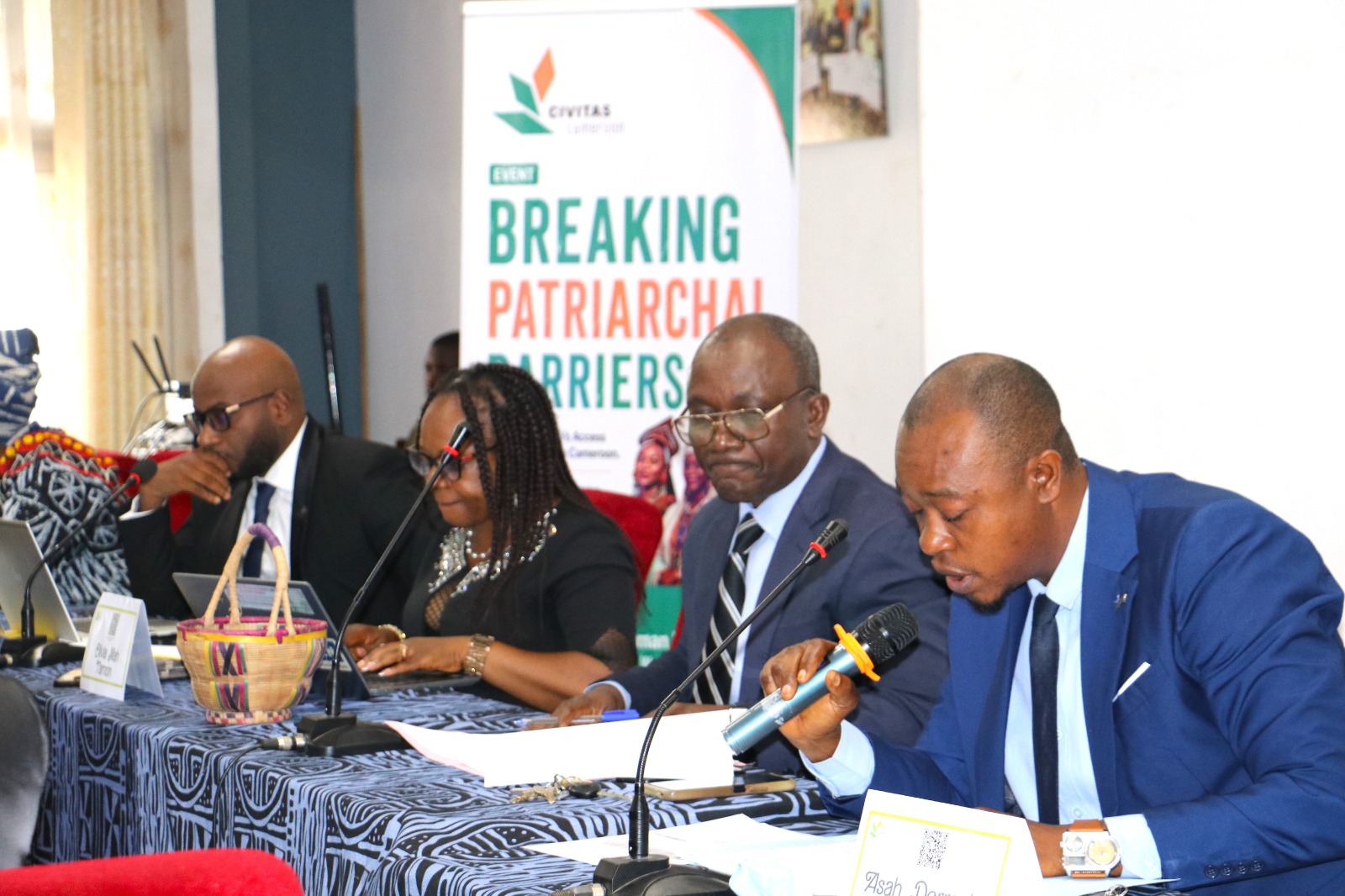
The day began with an energising recap of yesterday's discussions, followed by presentations on the current landscape of land governance in Cameroon. One message stood out throughout the sessions: land governance is not simply about land ownership; it is about power, participation, justice, and dignity. For far too long, women have been excluded from structures that determine who owns land, who uses it, and who benefits from it. Yet women remain at the heart of agricultural production, family welfare, and community development. This contradiction became the foundation of many of our conversations today.
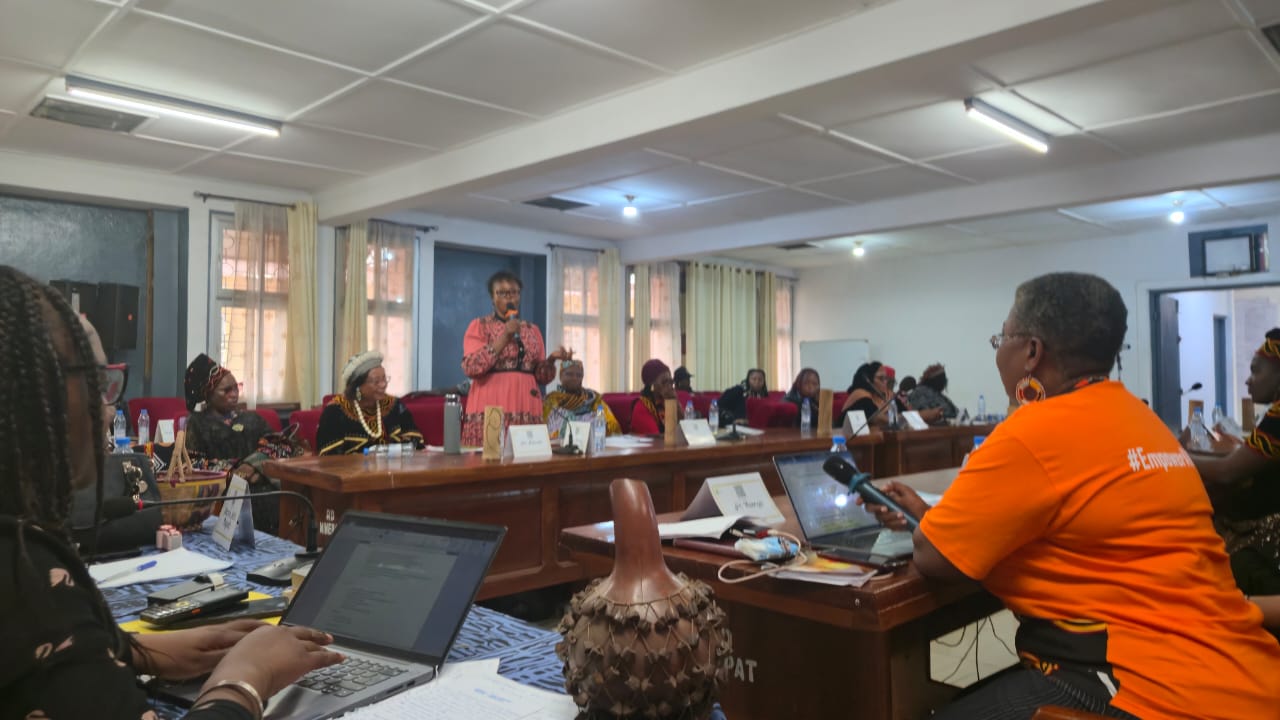
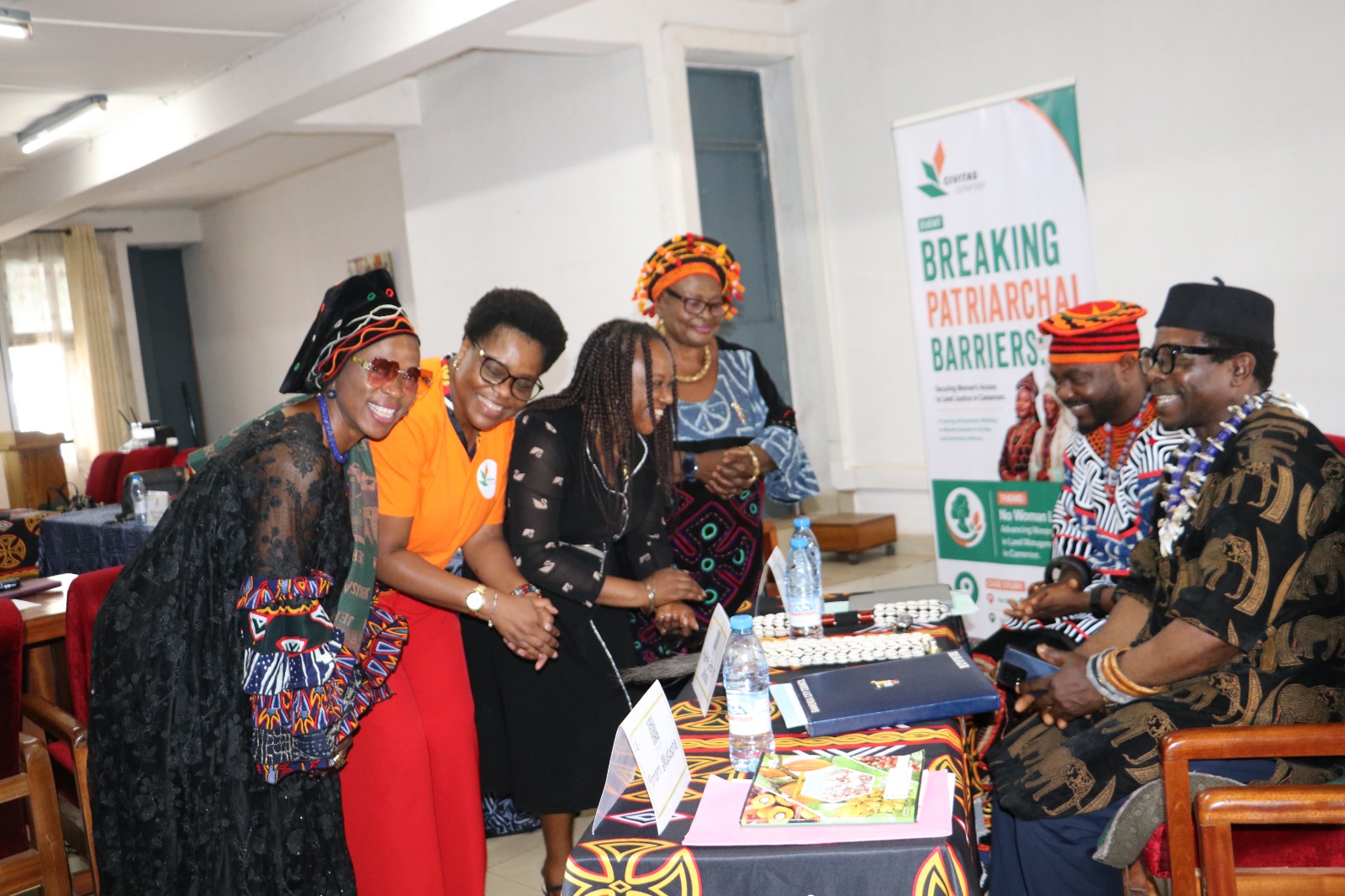
What made today's discussions particularly enriching was the diversity of voices in the room. Traditional authorities, government representatives, civil society organisations, legal practitioners, researchers, and women's groups all shared their perspectives. It was encouraging to witness honest conversations about the need to rethink customs that unintentionally perpetuate inequality while preserving the positive cultural values that strengthen our communities. Rather than creating divisions, the dialogue focused on building partnerships and mutual understanding.
One of the most engaging sessions explored practical pathways for making land governance more inclusive. Participants emphasised the importance of increasing women's representation in village land committees, involving women in dispute resolution mechanisms, and ensuring that community consultations genuinely reflect women's voices. It became increasingly clear that inclusion is not achieved by simply inviting women into the room; it requires creating spaces where their opinions are valued, respected, and allowed to influence decisions.
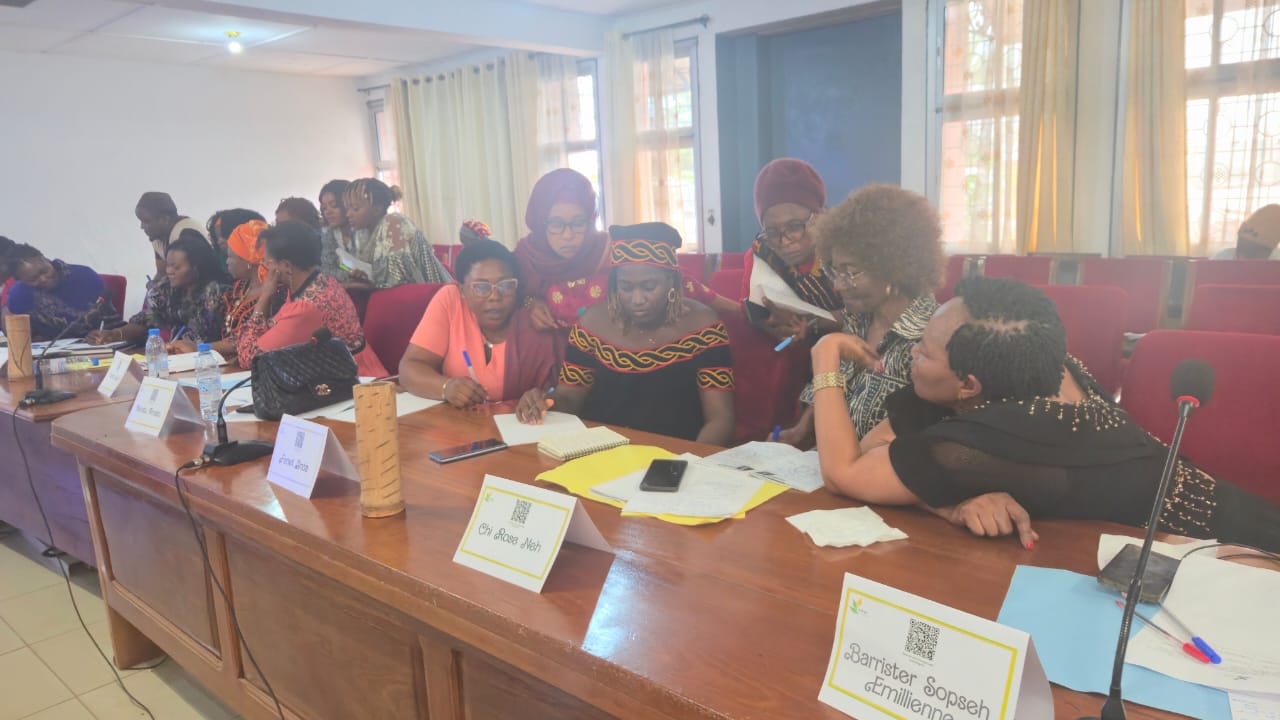
The group discussions that followed were equally thought-provoking. Working in smaller groups allowed everyone to contribute openly, exchange experiences, and learn from one another. We examined the challenges that continue to limit women's participation, including deeply rooted cultural norms, limited awareness of legal rights, economic constraints, and inadequate access to justice.
Yet despite these challenges, the conversations were filled with optimism. Participants proposed innovative community-based strategies that could gradually transform attitudes while strengthening collaboration between traditional and formal governance systems.
One of the most memorable moments of the day was listening to traditional leaders openly acknowledge the importance of adapting customary practices to better reflect principles of fairness and inclusion. Their willingness to engage in constructive dialogue demonstrated that change is possible when communities themselves become champions of reform.
Equally inspiring were the testimonies from women who shared how access to land had transformed not only their livelihoods but also their confidence and ability to contribute meaningfully to their families and communities. Their stories served as powerful reminders that land rights are deeply connected to economic empowerment, food security, and social justice.
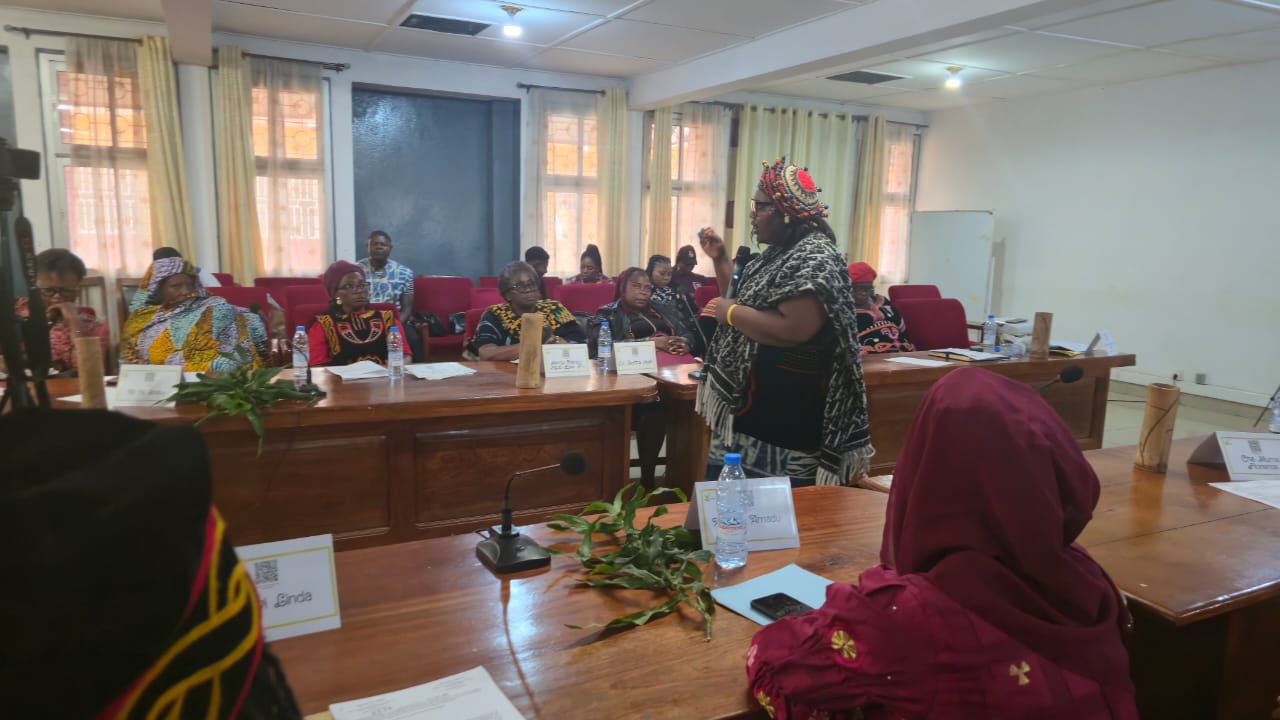
As the afternoon progressed, the energy in the room remained high. Together, we reflected on the collective responsibility of government institutions, civil society organisations, traditional authorities, and community members in advancing inclusive land governance. The conversations reinforced that meaningful change cannot be achieved by one actor alone. It requires collaboration, commitment, and sustained advocacy from everyone involved.
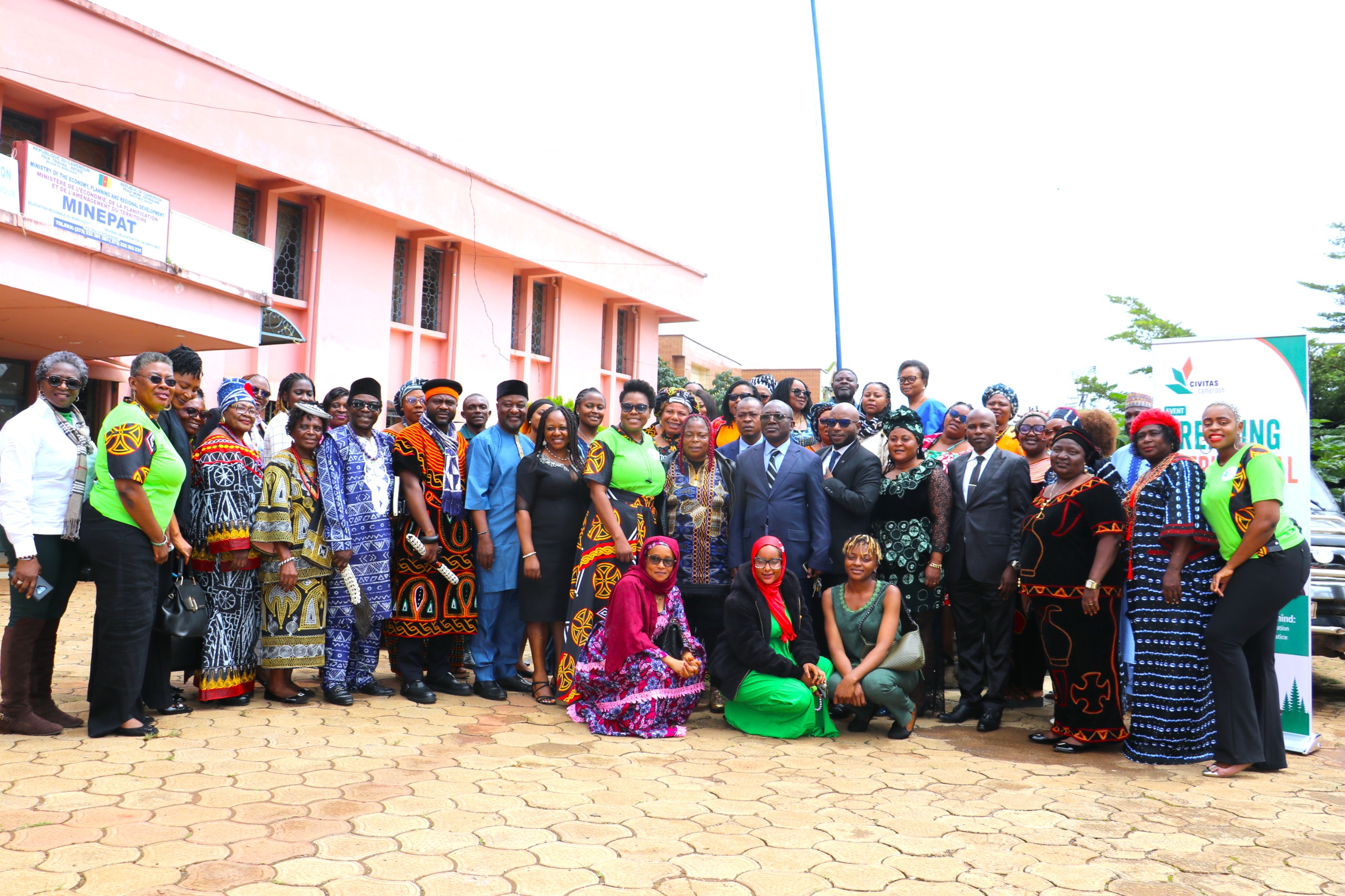
Today's sessions concluded with renewed determination. I left the workshop convinced that inclusive land governance is not an impossible dream but an achievable goal if we continue building trust, promoting dialogue, and empowering women to participate fully in decisions that affect their lives. Every contribution made today, every question asked, and every commitment expressed represented another step toward dismantling patriarchal barriers that have existed for generations.
As I reflected on the day's learning, I felt grateful to be part of a movement that is not only discussing change but actively shaping it. The journey toward equitable land governance in Cameroon may be long, but today's conversations reminded me that lasting transformation begins with courageous dialogue and collective action. The take-home message renewed hope that together we can create communities where no woman's voice is overlooked and no woman is left behind in the pursuit of land justice. Until my next diary guys, enjoy your weekend.
Gracias por esta reflexión. En tiempos donde todo es rápido y superficial, leer algo que invita a la pausa es un regalo.