SLEEP: YOUR LIFE SUPPORT SYSTEM
Greetings my lovely people. I’ve noticed these days that a lot of us are always busy, always on our phones, or always trying to meet up with something. And in the middle of all that, sleep becomes something we sacrifice. Many of us don’t really pay attention to this, but the truth is, lack of sleep can bring more problems than we expect. There was a time I believed sleep was just something optional, especially when there’s a lot to do. Sometimes, we stay up late for work, for fun, or even for no serious reason at all. We tell ourselves we’ll catch up later. But is it really worth it? Have you ever wondered what happens inside your body when you don’t get enough rest? That’s what I’ll be sharing with you today.
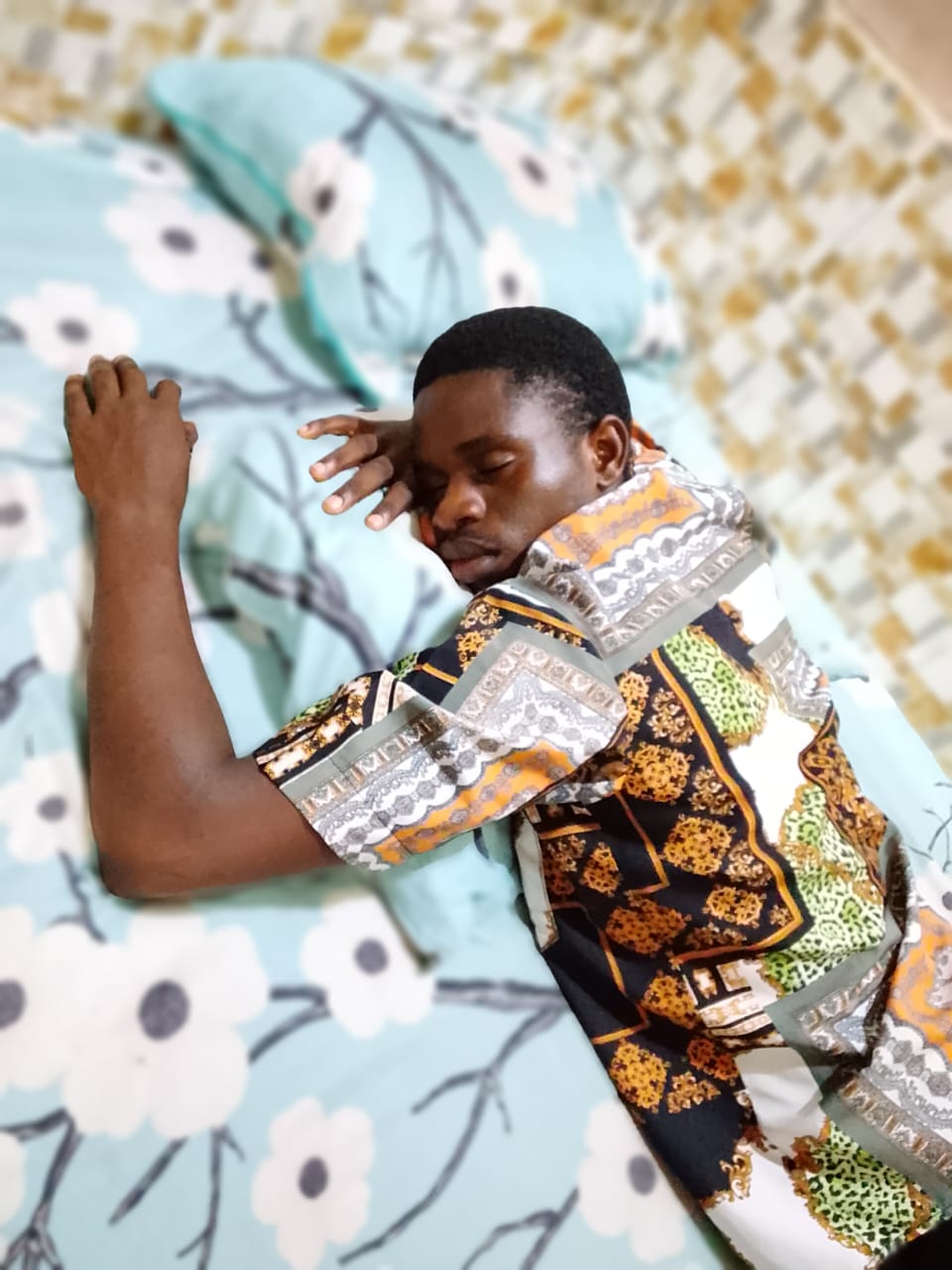
Deep sleep
The shorter your sleep, the shorter your life. The decimation of sleep throughout industrialized nations is having a catastrophic impact on our health, our wellness, and even the safety and education of our children. It's a silent sleep loss epidemic, and it's fast becoming one of the greatest public health challenges that we face in the 21st century. The disruption of deep sleep is an underappreciated factor that is contributing to cognitive decline or memory decline in aging, and even in Alzheimer's disease. There's a structure that sits on the left and the right side of your brain called the hippocampus. It's very good at receiving new memory files and also holding on to them. Yet in those people who are sleep-deprived, no significant signal could be found. Without sleep, the memory circuits of the brain becomes waterlogged, and you can't absorb new memories. I also discovered that lack of sleep will even erode the very fabric of biological life itself, your DNA genetic code.
So here in the study I made, a group of healthy adults were limited to six hours of sleep a night for one week, and then the change in their gene activity profile was measured, relative to when those same individuals were getting a full eight hours of sleep a night. There were two critical findings. First, a sizable and significant 711 genes were distorted in their activity, caused by a lack of sleep. The second result was that about half of those genes were actually increased in their activity, genes associated with the promotion of tumors, genes associated with long term chronic inflammation, and genes associated with stress, and as a consequence, cardiovascular disease.
There is simply no aspect of your wellness that can retreat at the sign of sleep deprivation and get away unscathed. And at this point, you may be thinking, "oh my goodness, how do I start to get a better sleep?" That's a good question. I figured some tips to guarantee you a good sleep. The first is regularity. Go to bed at the same time, wake up at the same time, no matter whether it's the weekday or the weekend. Regularity is king, and it will anchor your sleep and improve the quantity and quality of that sleep.
The second is keep it cool. Your body needs to drop its core temperature by about two to three degrees Fahrenheit to initiate sleep and then to stay asleep, and it's the reason you will always find it easier to fall asleep in a room that's too cold than too hot. So aim for a bedroom temperature of around 65 degrees, or about 18 degrees Celsius. That's going to be optimal for the sleep of most people. Sleep unfortunately is not an optional lifestyle luxury like we do think sometimes. Sleep is a nonnegotiable biological necessity. It is your life support system. And with all being said, I will simply say goodnight (depending on your time zone), goodluck, and above all, I do hope you sleep well. Thanks for your time.
Upvoted! Thank you for supporting witness @jswit.