Aceh Civil Society Pushes for New Forestry Law Deemed Insufficient, Partial Revisions Deemed Insufficient |
The proposed amendment to Law Number 41 of 1999 concerning Forestry is deemed insufficient if it is carried out through partial revisions. After undergoing repeated amendments, Indonesia is being urged to create a new forestry law that moves away from the paradigm of state control and strengthens the recognition of community rights over forests.
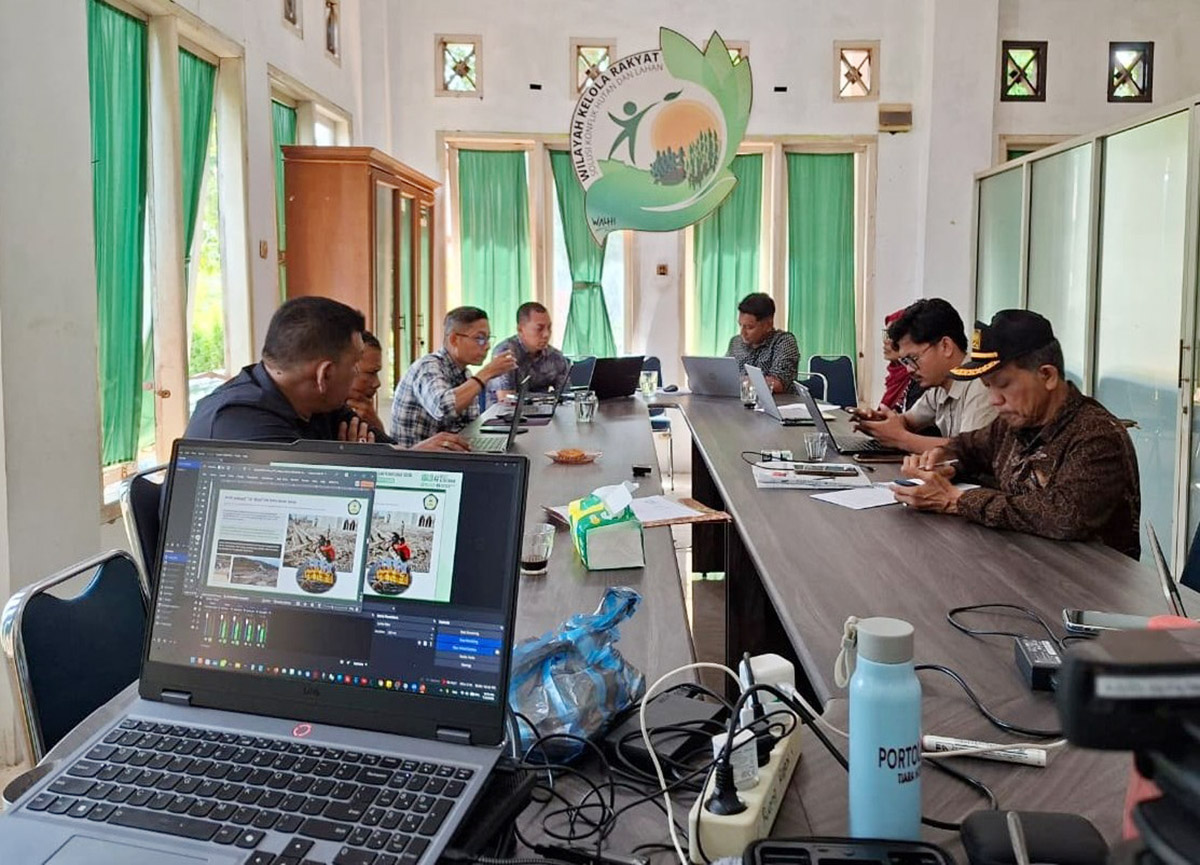
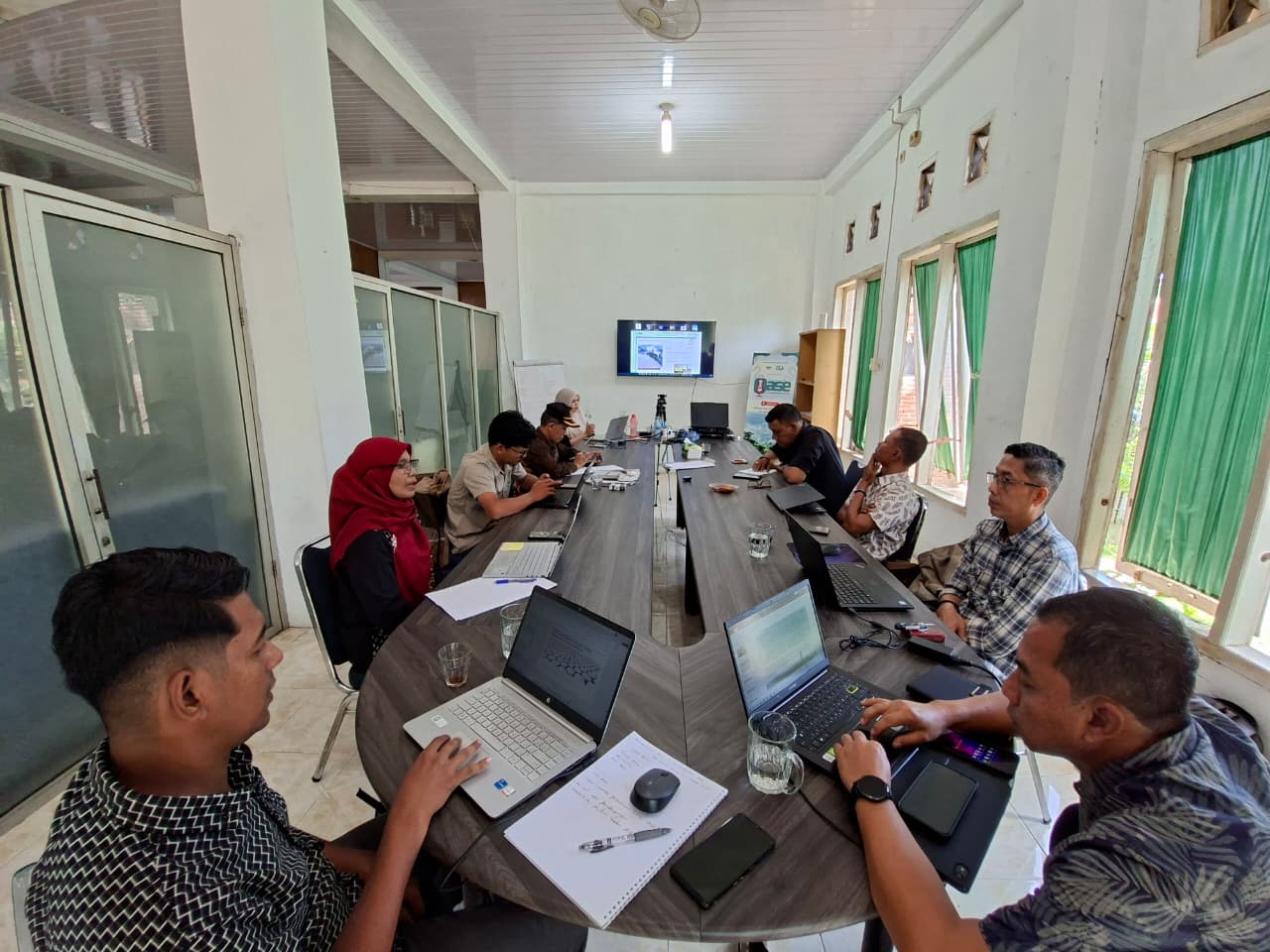
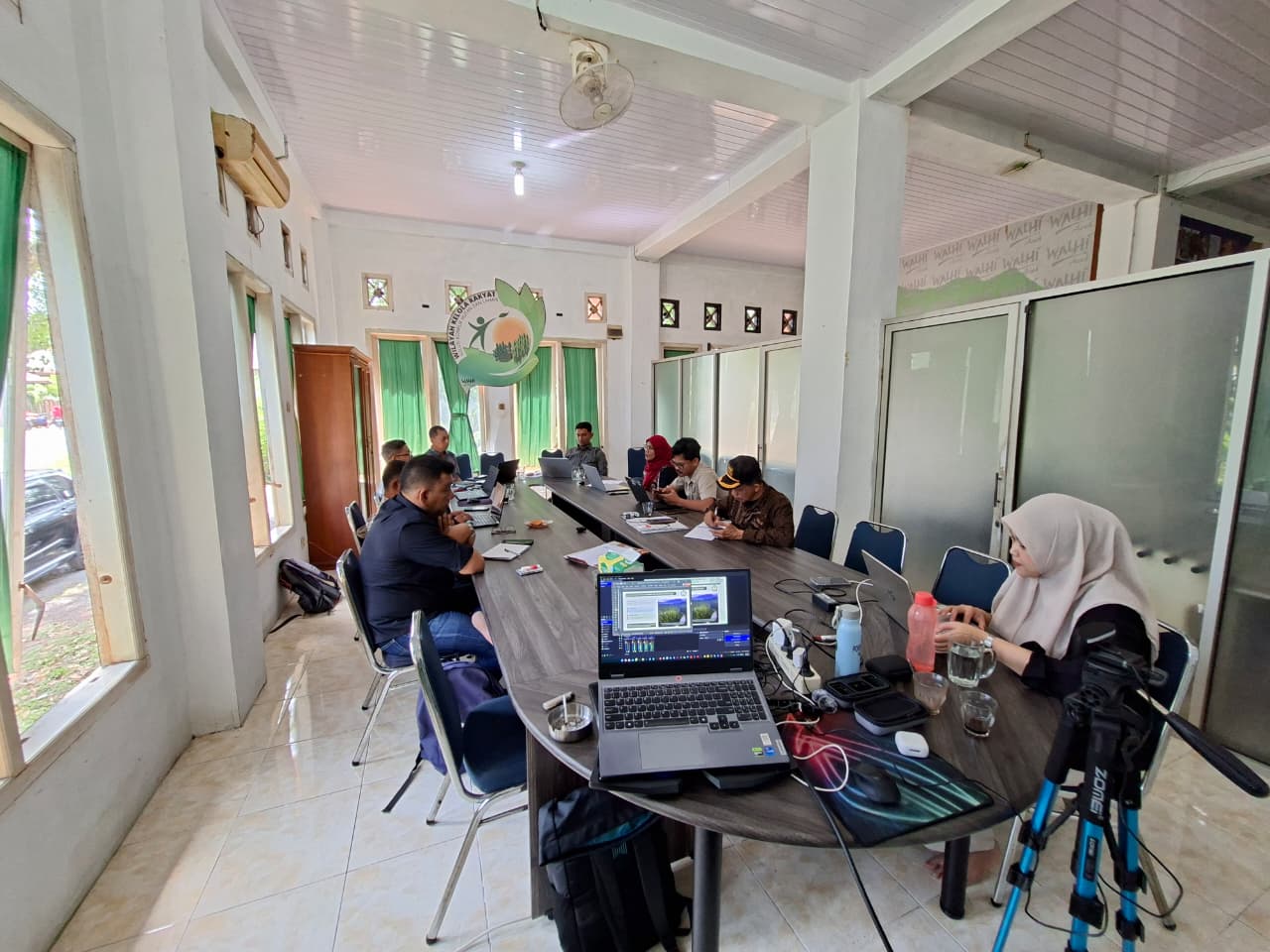
This push emerged during a discussion on amendments to the Forestry Law on Wednesday, July 15, 2026, at the WALHI Aceh Secretariat, which involved academics, environmental organizations, Social Forestry managers, and civil society in Aceh.
The Executive Director of the Indonesian Forum for the Environment (WALHI Aceh), Ahmad Shalihin, stated that the Forestry Law has been amended seven times. If another revision is implemented, the regulation will enter its eighth amendment.
"It's been revised seven times. If it's being revised again now, it's been revised eight times. It's no longer appropriate to revise it partially. We need a new law," said Ahmad Shalihin, familiarly known as Om Sol.
He stated that the repeated changes have not addressed the root of the forestry problem in Indonesia. State control over forest areas remains very strong, while indigenous peoples, farmers, and communities living alongside the forests have not yet received full recognition of their rights.
In a number of cases, communities who depend on forests for their livelihoods still face criminalization.
Ahmad Shalihin believes this paradigm has long traces of colonial agrarian law. He mentioned domein verklaring, a principle from the Dutch colonial era that declared land whose ownership could not be proven by another party as state property.
This view of control is still felt in current forestry governance. The state determines areas. The state grants access. The state can also restrict community access.
Yet, many communities have lived and had relationships with forests for generations.
The Head of the Pante Kulu Aceh Forestry College (STIK), Dr. Aswita, S.Hut., M.P., stated that the main problem with forestry governance lies in the state's perspective on forests.
According to her, the state still uses an anthropocentric paradigm, a perspective that is too focused on human interests. This approach does not fully view forests as an ecological system that is linked to biodiversity and the sustainability of life.
"The current Forestry Law does not accommodate ecological and social justice in Indonesia, especially in Aceh," said Aswita.
She noted that changes to various regulations, including those following the enactment of the Job Creation Law, have not resolved fundamental forestry issues.
Ecological crises and social conflicts persist. Meanwhile, control over forest areas remains high.
Aswita also highlighted the issue of transparency and openness of forestry information. Data between agencies is considered to be disparate and difficult for the public to access. In fact, in some situations, forestry data is actually easier to obtain from non-governmental organizations.
According to her, Indonesia needs a new order in forestry law. "The old paradigm was state control. We need a new paradigm. Forests must be understood as ecological systems and managed democratically. People must be the subjects of rights, not the objects of rights," she said.
Aswita believes that current forestry law still provides more administrative access to communities than recognition of rights. As a result, communities continue to be positioned as recipients of state policies. "The Forestry Law provides administrative access, not recognition. Communities become objects, not subjects," she said.
This problem is also evident in the implementation of Social Forestry. The Chairman of the Aceh Provincial Executive Board of the Indonesian Social Forestry Management Association (BPP AP2SI), Munawir Abdullah, stated that the basic objective of Social Forestry is to provide communities with access to manage forest areas.
Before the scheme was introduced, communities lacked adequate legal access to forest areas. However, field experience shows that Social Forestry still faces fundamental problems.
Munawir said that Social Forestry is still permit-based. Communities gain access for a specific period and within specific limits. Because it's a permit, this access also has the potential to be revoked.
AP2SI is pushing for fundamental changes to the Forestry Law. Social Forestry should not be viewed simply as a permit to manage forests from the government to communities. "Through amendments to the Forestry Law, we hope there will be recognition of rights, not just permits," said Munawir.
This recognition must be strengthened in the Village Forest and Customary Forest schemes. The state also needs to recognize customary and collective community rights.
In Aceh, indigenous communities have a close relationship with the Mukim, the customary government structure. AP2SI hopes that the existence of Mukim and the collective rights of the communities within them can be clearly accommodated in forestry law.
"Without this paradigm shift, communities will continue to be positioned as permit recipients, not as rights holders over the areas they protect and manage," he explained.
Amidst the push for changes to the Forestry Law, Alfian, Coordinator of the Aceh Transparency Society (MaTA), urged civil society not to view the revision agenda merely as a regulatory process. The political agenda behind the changes also needs to be critically examined.
Alfian believes that one of the objectives that needs to be analyzed is the effort to strengthen the House of Representatives (DPR) in overseeing forestry sector policies following the enactment of the Job Creation Law.
"What needs to be explored is the DPR's legitimacy. We need to be wary of the DPR's enthusiasm for strengthening its presence in the forestry sector," Alfian said.
Beyond political issues, changes to the Forestry Law must also be viewed in the context of the increasing demand for land. Alfian touched on the recently launched B50 program. He stated that fulfilling this program will undoubtedly require extensive land in the future.
This situation requires vigilance to ensure that changes to forestry regulations do not open up new opportunities for forest area acquisition to meet the needs of large-scale projects.
Instead, changes to the Forestry Law must be a path to resolving land tenure and agrarian conflicts, as well as strengthening the rights of indigenous peoples and communities living around forest areas.[]