Entertainment Blog #423 | Dracula: A Love Tale [2025] : A Love Story Drenched in Blood and Immortality...
When it comes to Dracula adaptations, most filmmakers tend to focus on horror, suspense, and the legendary vampire himself. But every once in a while, someone tries to look beyond the monster and tell the story of the man who existed before the curse. Dracula takes that familiar gothic tale and reshapes it into a tragic romance, placing love and loss at the center while still embracing the dark mythology that has fascinated audiences for generations.
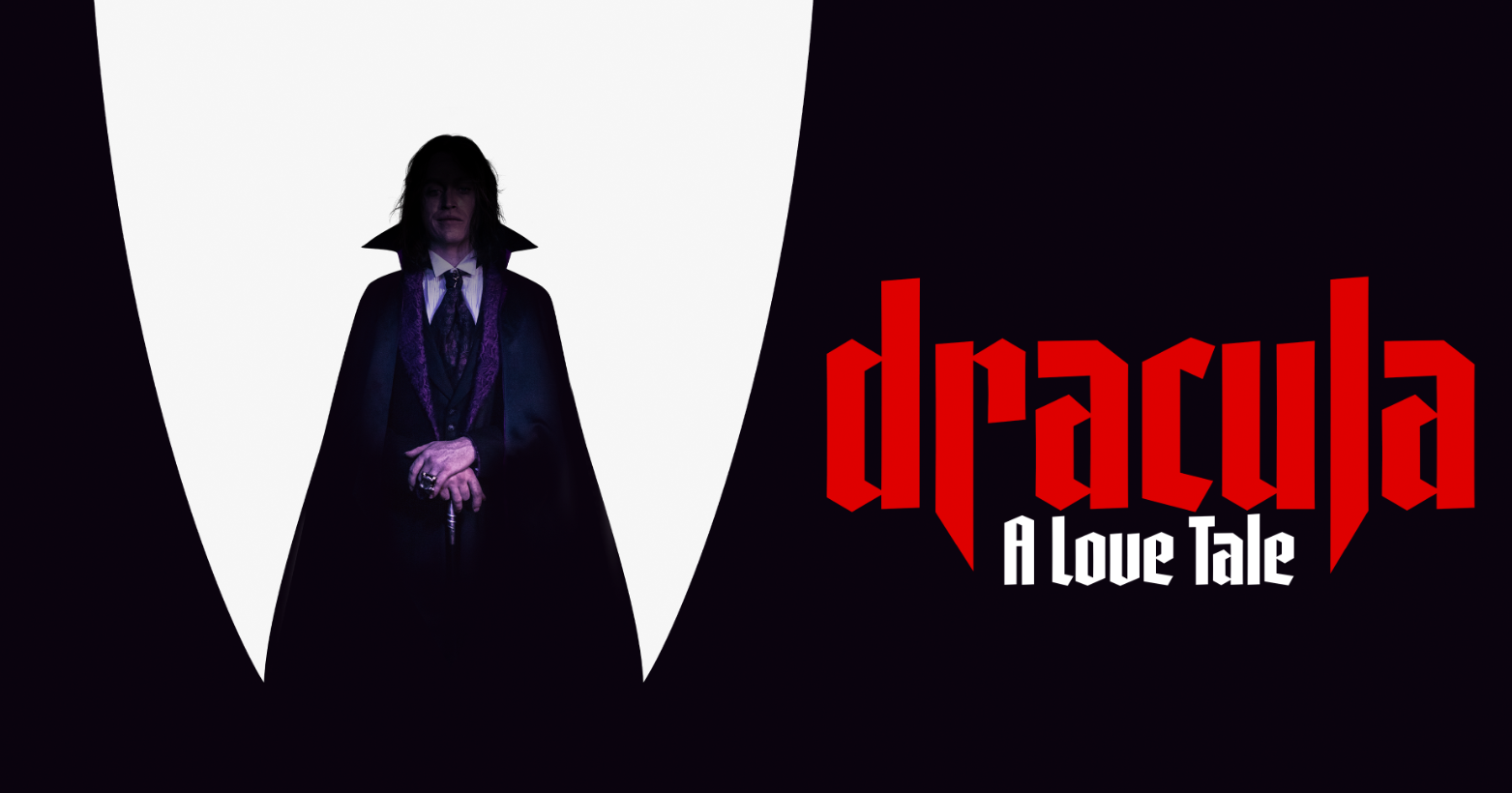
"Dracula" (2025) is a #horror #gothic #romance #fantasy #movie directed and written by Luc Besson. The film stars Caleb Landry Jones as the legendary Count Dracula, alongside Zoë Bleu as Elisabeta and Mina, Christoph Waltz, Matilda De Angelis, and Ewens Abid. Running for just over two hours, the French production offers a fresh interpretation of Bram Stoker's iconic character, blending historical drama, supernatural horror, and an emotionally driven love story.
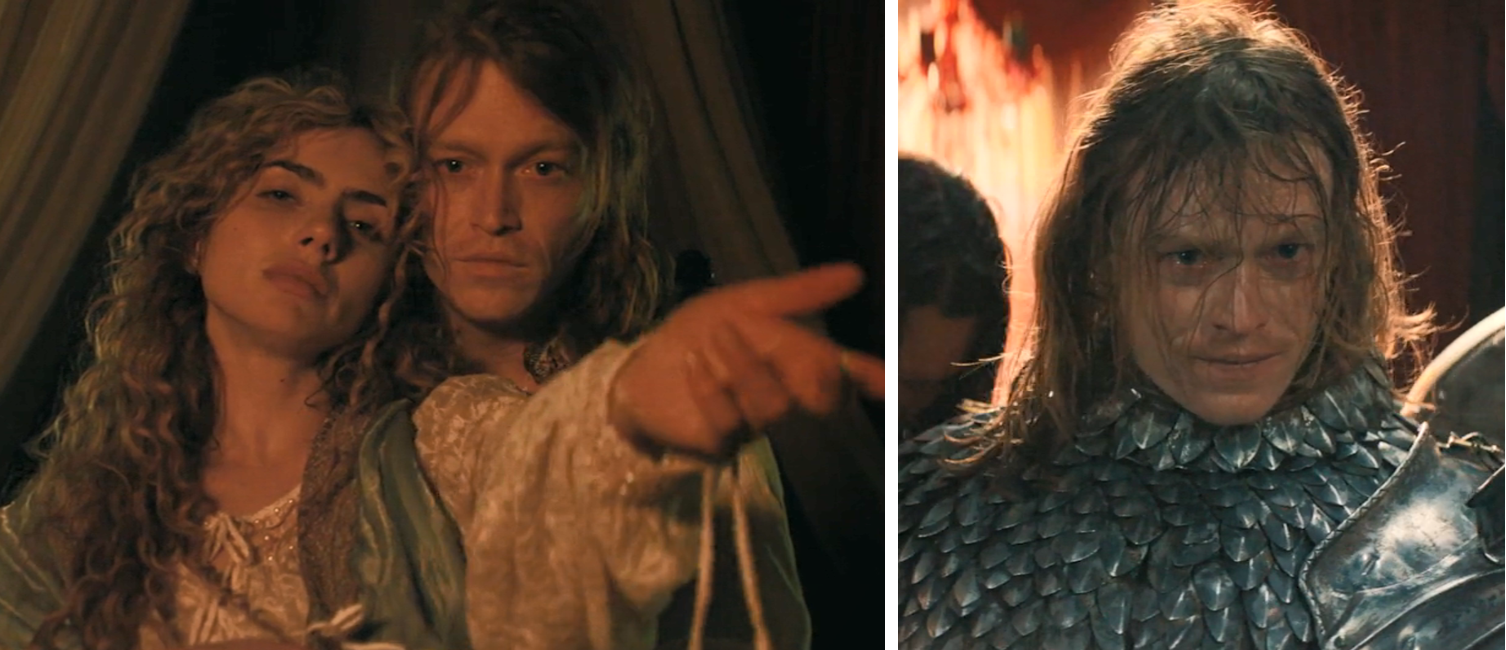
The story begins in the 15th century with Prince Vlad, a fearless warrior whose world falls apart after the tragic loss of his beloved wife, Elisabeta. Consumed by grief, he rejects both faith and humanity, embracing a curse that transforms him into the immortal Dracula. Rather than simply presenting him as a terrifying villain, the film spends considerable time exploring the pain that shapes him, making his centuries-long existence feel less like a reign of terror and more like an endless punishment.
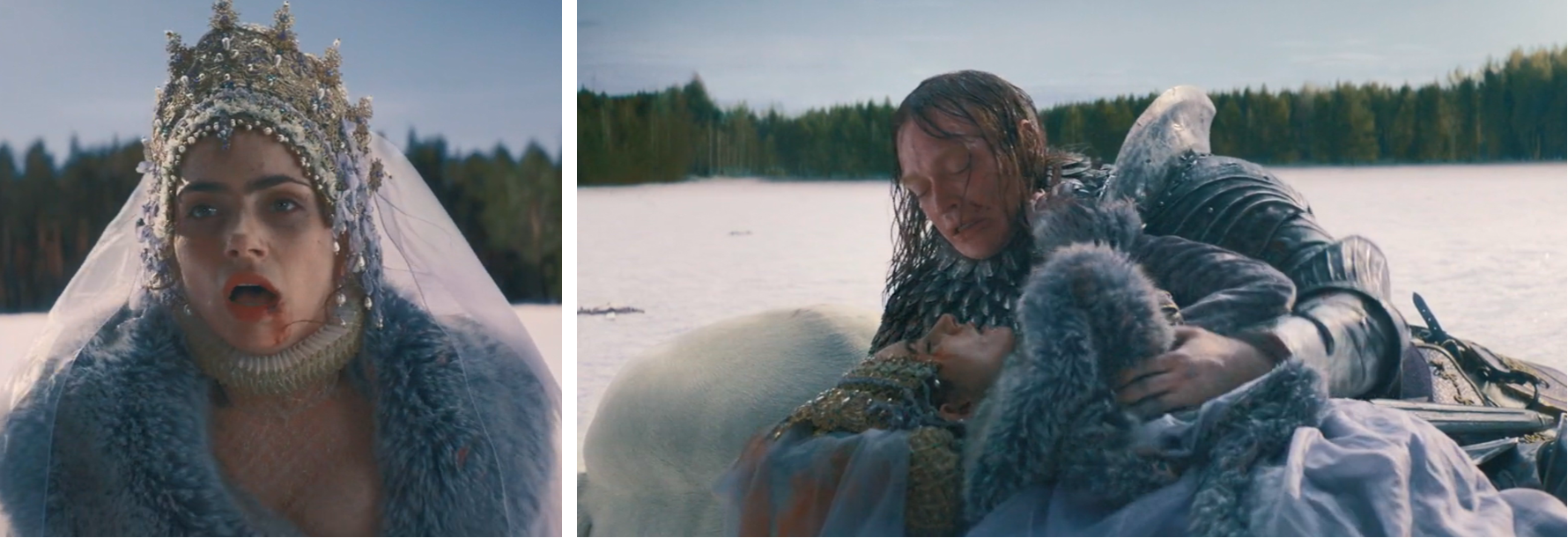
As the narrative moves across different time periods, Dracula's obsession with finding his lost love becomes the driving force behind the story. His journey eventually leads him to Paris, where he encounters Mina, a woman who bears an uncanny resemblance to Elisabeta. From there, the film evolves into a gothic romance filled with supernatural encounters, relentless pursuit, and moral conflict. While many familiar elements from the Dracula myth remain intact, the emotional weight is placed on longing, redemption, and the consequences of refusing to let go of the past.
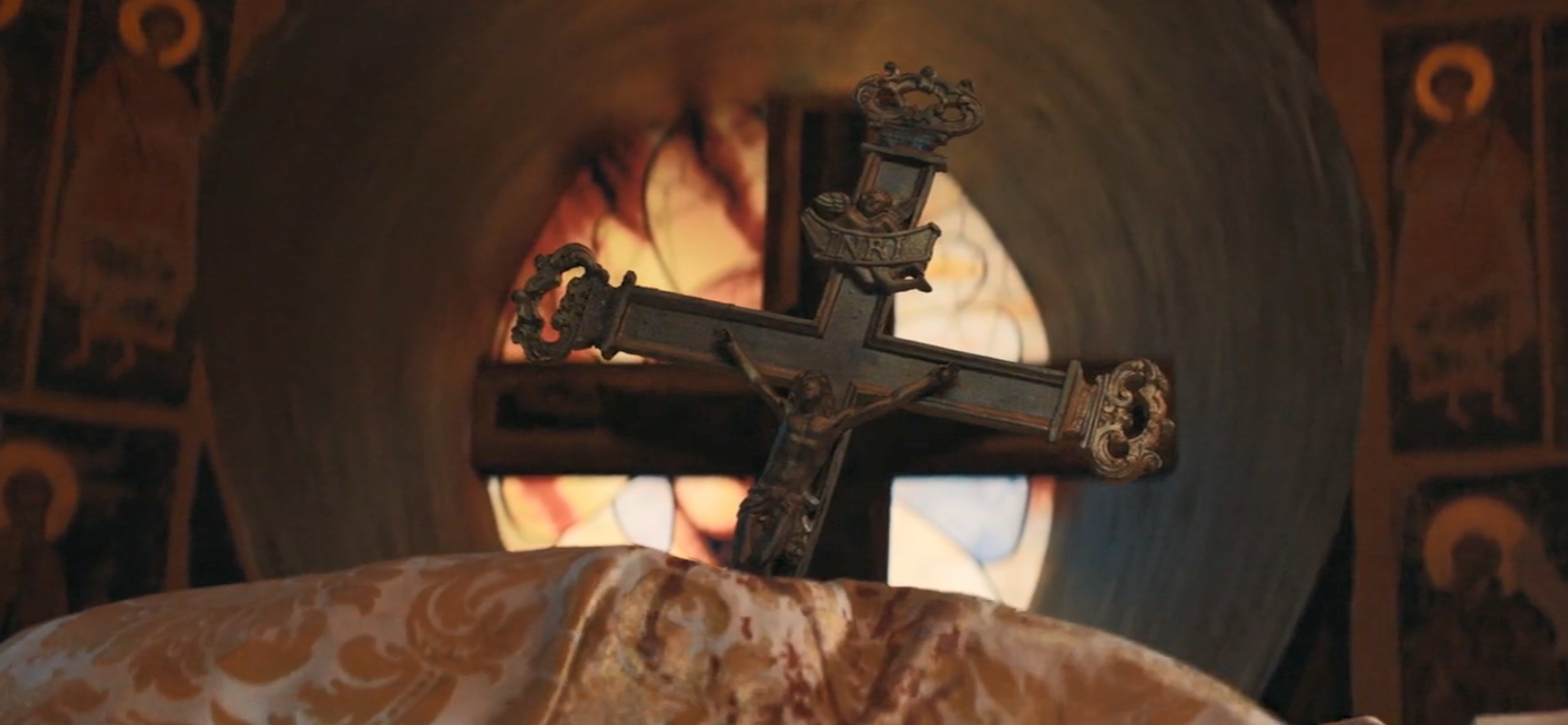
Beyond its gothic atmosphere, the film explores themes of grief, obsession, faith, and immortality. It asks whether eternal life is truly a gift or simply an endless prison when driven by regret. Love is portrayed as both a source of hope and a destructive force, showing how an inability to accept loss can consume a person completely. Although these ideas have appeared in previous Dracula adaptations, this version leans much more heavily into the emotional tragedy than outright horror, giving the story a different identity.
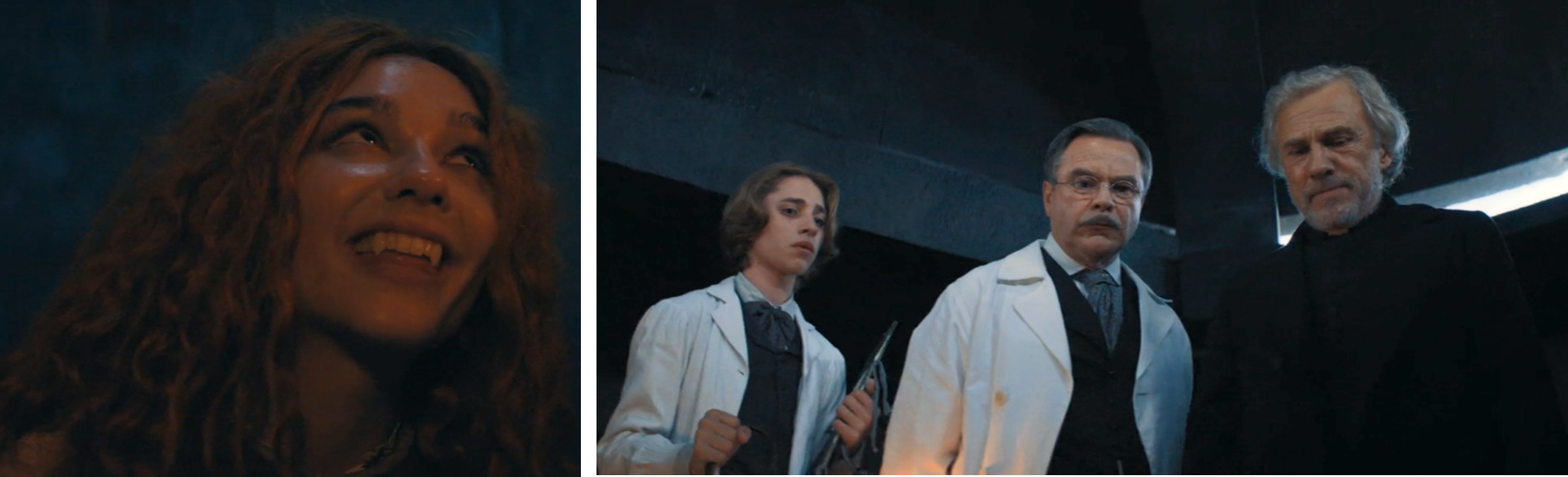
What stood out most after watching the film was Caleb Landry Jones' performance. He brings a vulnerable humanity to Dracula without sacrificing the character's intimidating presence, making him feel equally sympathetic and unsettling. Christoph Waltz also adds gravitas whenever he appears, while Danny Elfman's haunting musical score complements the film's gothic visuals beautifully. The lavish production design, period costumes, and atmospheric cinematography create a world that feels rich and immersive, even when the story occasionally loses its momentum.
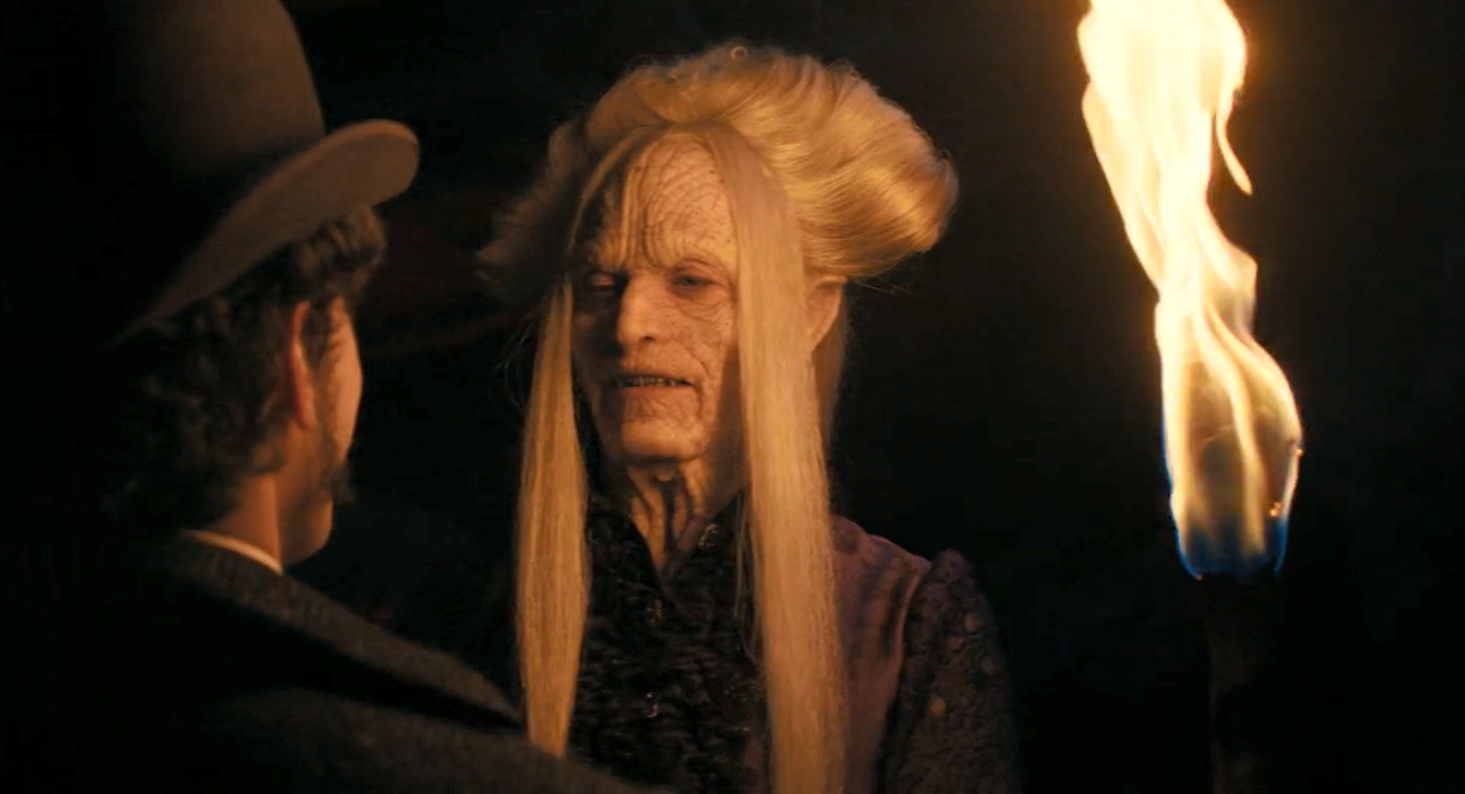
From a production standpoint, Dracula was one of France's biggest cinematic projects of the year, with Luc Besson aiming to deliver a large-scale reimagining of one of literature's most enduring characters. Despite its ambitious scope and impressive visual craftsmanship, the film struggled to achieve major commercial success, becoming one of several high-profile French productions that underperformed at the box office.
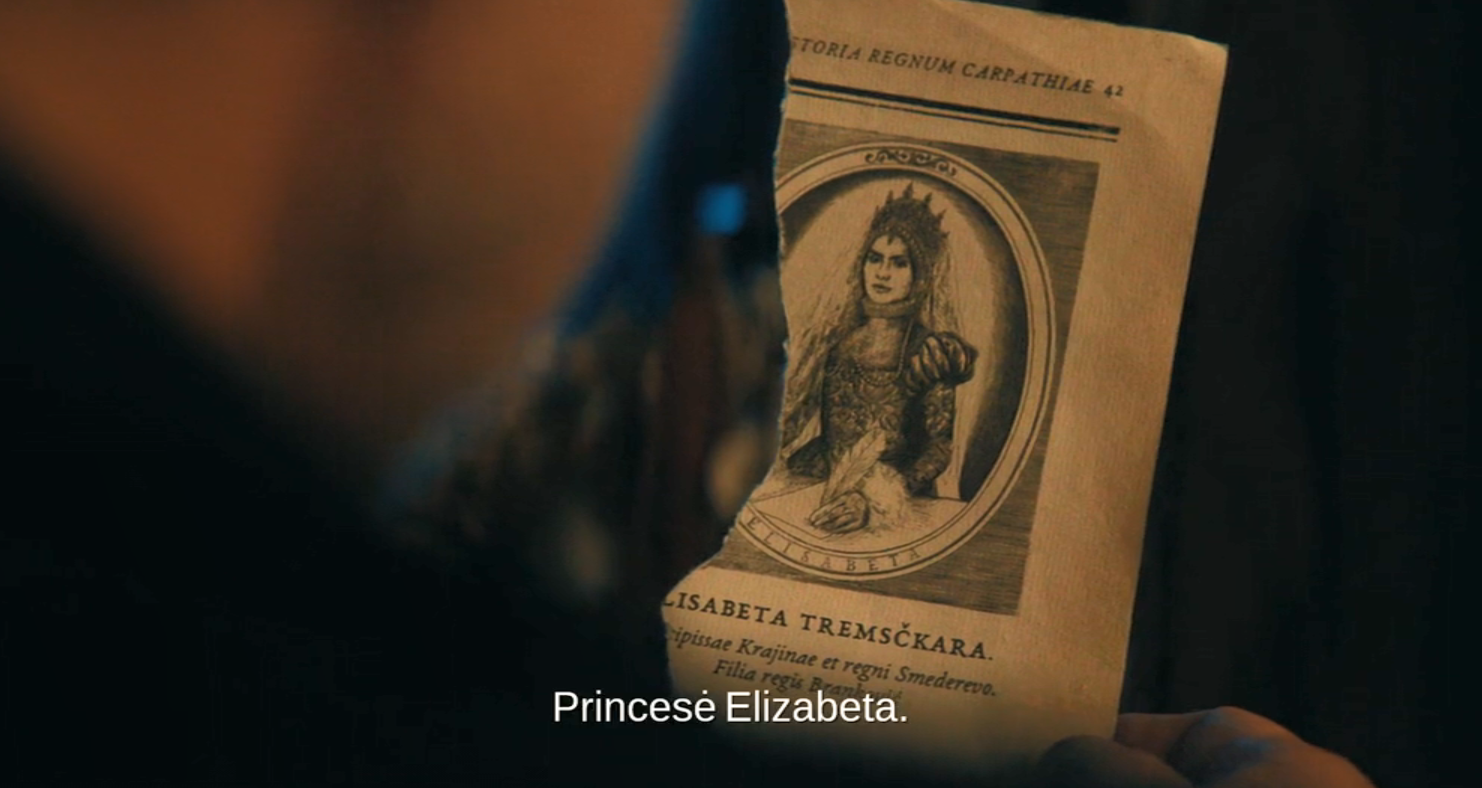
Critically, the reception has been mixed. Many reviewers praised Caleb Landry Jones' haunting performance, Danny Elfman's score, and the film's striking gothic aesthetic. However, others felt that its emotional approach borrowed too heavily from Francis Ford Coppola's Bram Stoker's Dracula, making parts of the story feel familiar rather than innovative. Some also criticized its uneven pacing and tonal inconsistencies, arguing that while the romance is compelling, it doesn't always blend seamlessly with the horror elements. Even so, audiences who appreciate gothic romance over traditional vampire horror may find plenty to enjoy here.
So can Dracula ever escape the curse born from his own grief? Is eternal love worth sacrificing one's humanity for? And when immortality becomes nothing more than centuries of longing, what truly remains of the man behind the monster? It's up to you to find out.