Tech Blog #257 | Motorola Razr Fold : Motorola Finally Takes the Foldable Fight Seriously
The Motorola Razr Fold feels like a turning point for #Motorola. After years of focusing mainly on flip foldables, the company finally enters the book-style foldable market dominated by devices like the Samsung Galaxy Z Fold 7 and Google Pixel 10 Pro Fold. But instead of releasing a cautious first attempt, Motorola goes aggressive with high-end hardware, a huge battery, stylus support, and one of the thinnest foldable designs currently available.
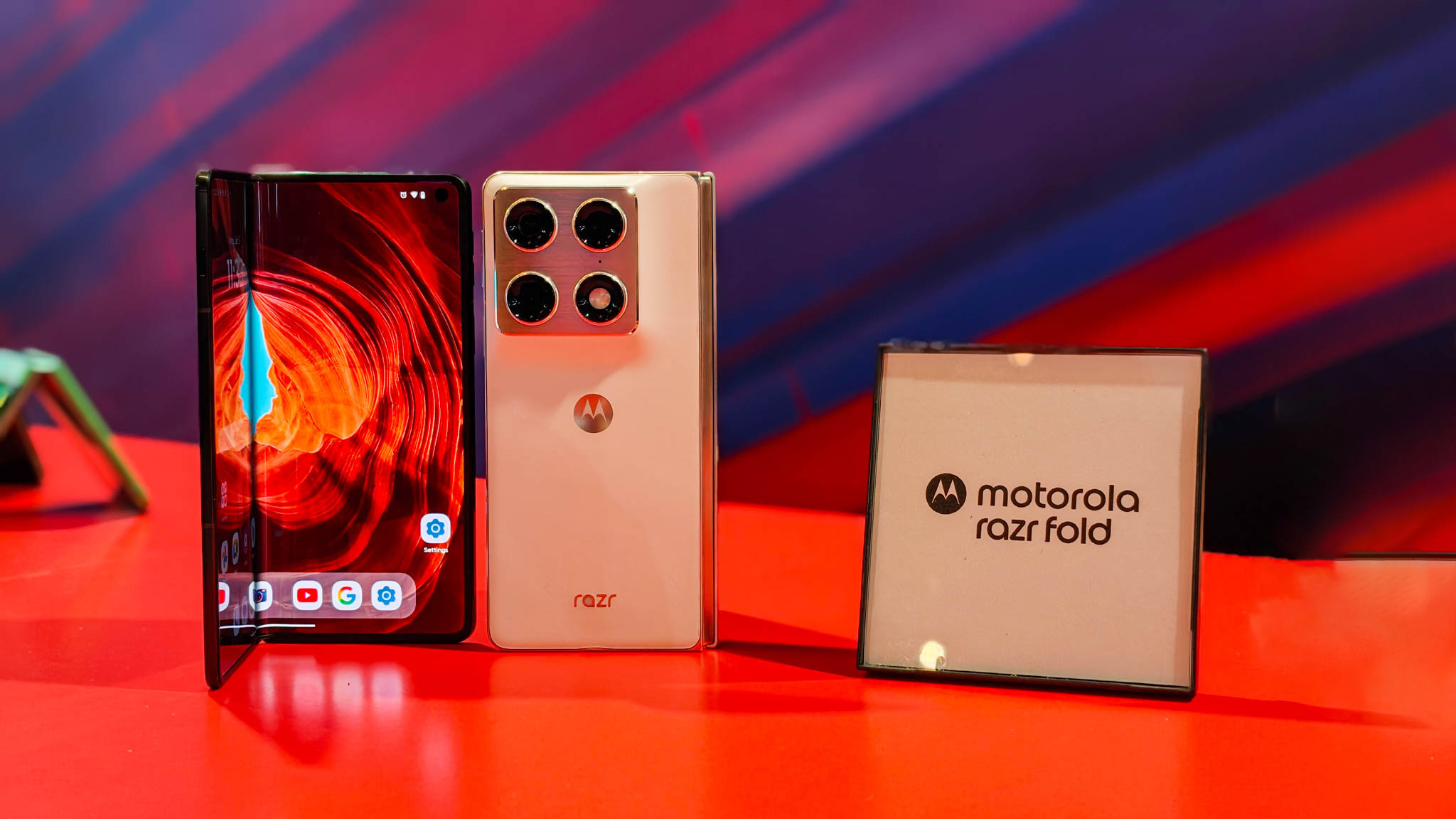
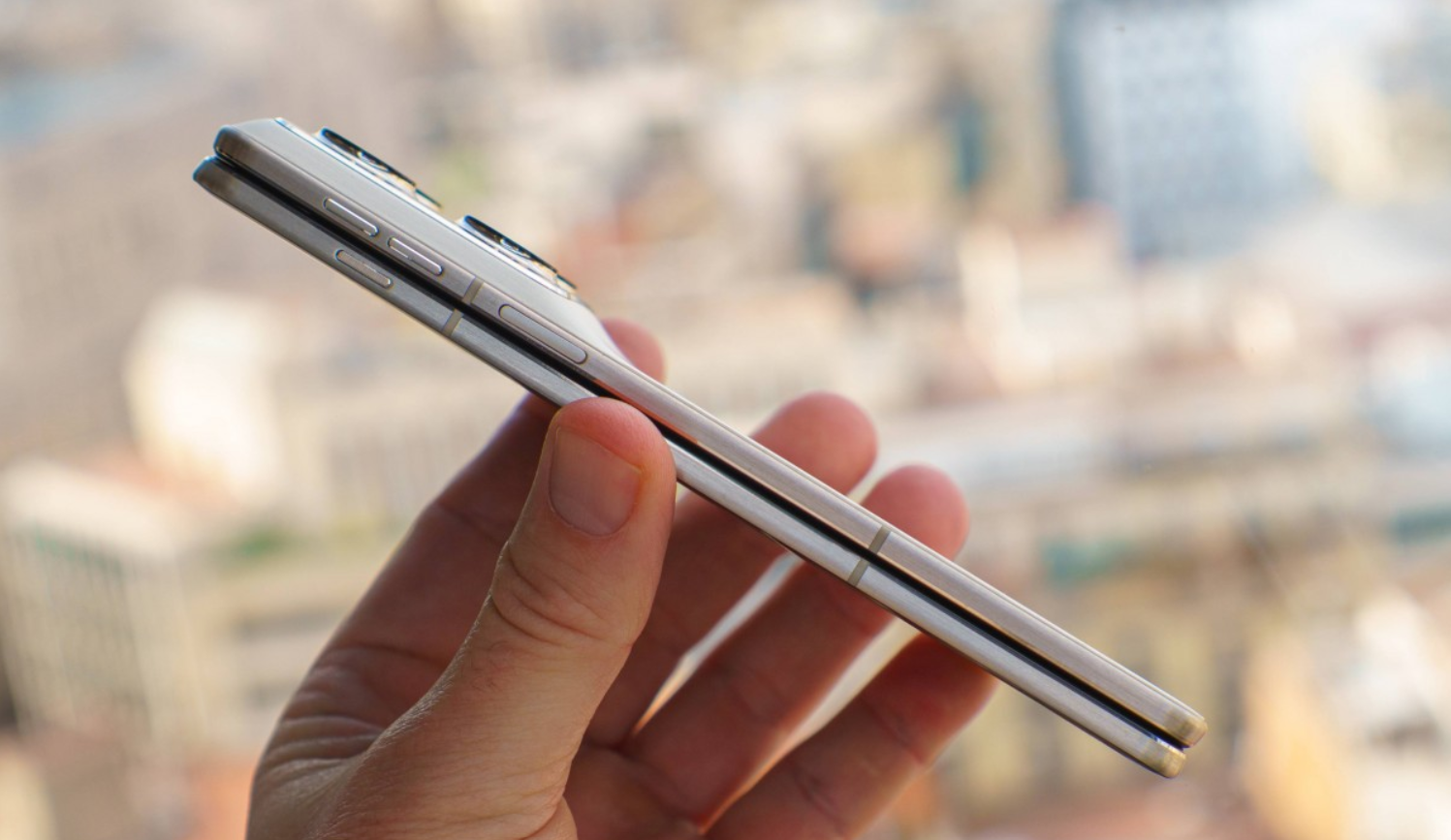
The design is easily one of its biggest strengths. The Razr Fold looks refined and surprisingly mature for a first-generation product. Motorola uses textured finishes and Pantone-inspired colors that make it stand out from the typical industrial look of most foldables. The device measures only around 4.55mm when unfolded and 9.89mm folded, which is seriously impressive for a book-style foldable. Even though it weighs around 243g, the weight distribution reportedly feels balanced in the hand. The hinge also seems solid, and early hands-on impressions suggest the crease is less noticeable than expected.
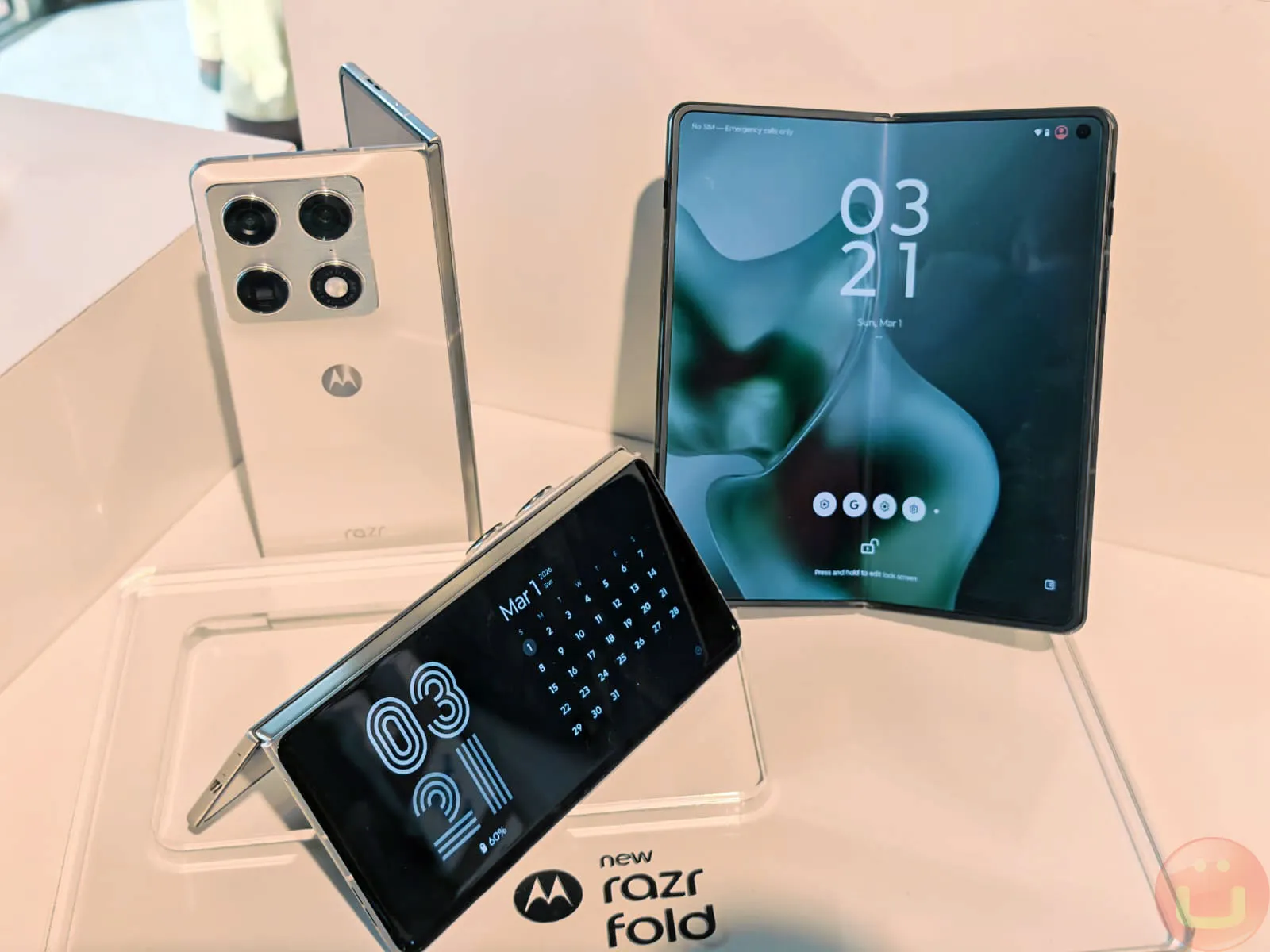
The displays are flagship-level on both sides. You get a large 8.1-inch 2K LTPO inner display paired with a 6.6 inch outer screen. Both panels support high refresh rates, with the outer display going up to 165Hz. Brightness and color quality also appear excellent based on early impressions. Motorola clearly understands that foldables succeed or fail based on display quality, and this feels competitive with Samsung right away. The smaller crease visibility is also encouraging because it remains one of the biggest complaints with foldables in general.
Performance is handled by the #Snapdragon 8 Gen 5 chipset paired with up to 16GB RAM and 1TB storage. This is proper flagship hardware, and there should be no concerns regarding gaming, multitasking, or long-term performance. Motorola also includes advanced cooling solutions, which become important in foldables where thermal management is usually harder. Some early users online already mention that the phone feels stable and well optimized during heavy usage.
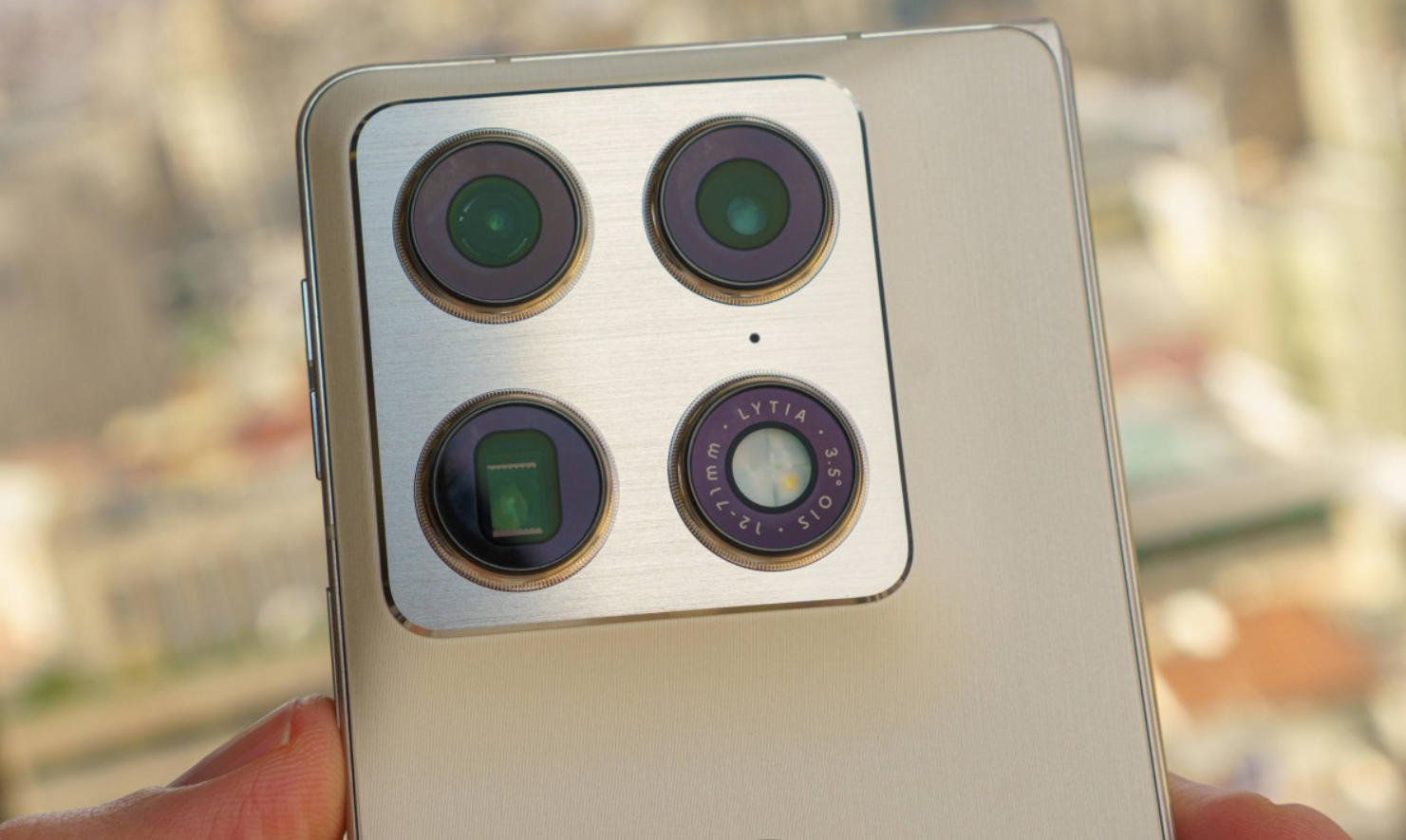
The camera setup is surprisingly ambitious for a foldable. Motorola includes three 50MP rear cameras consisting of a main sensor, ultrawide, and 3x telephoto lens. There is also a 32MP selfie camera on the cover screen and a 20MP camera inside. Motorola clearly wants to avoid the usual compromise where foldables get weaker cameras compared to regular flagships. The hardware looks competitive, but this is still where caution is needed. Samsung and Apple still dominate in image processing consistency, and Motorola has not fully proven itself in this area yet.
Battery life could become one of the biggest reasons to buy this phone. The 6000mAh silicon carbon battery is huge for a foldable and is easily larger than what Samsung currently offers. Charging is also extremely strong with 80W wired charging and 50W wireless charging support. This combination directly addresses one of the biggest weaknesses of foldables, mediocre battery endurance.
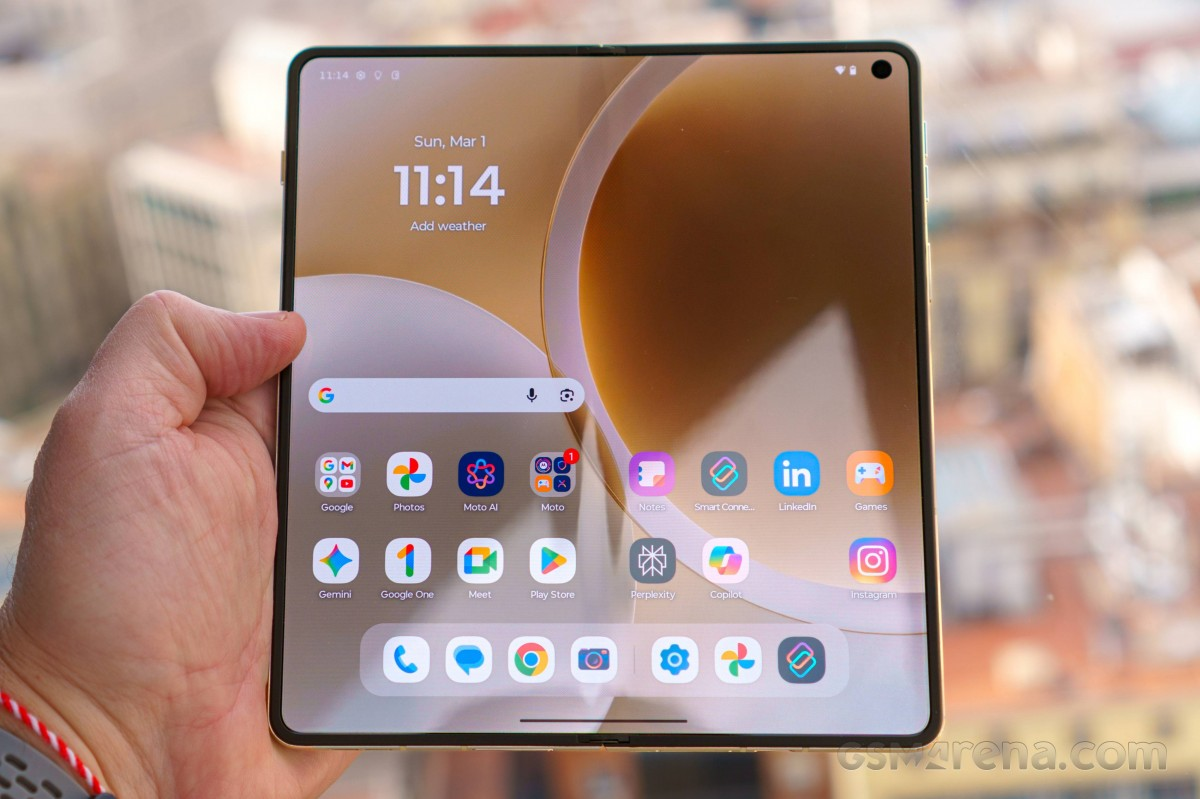
The software side is more interesting this time. The Razr Fold runs #Android 16, and Motorola promises up to seven years of Android and security updates. That is a major improvement because Motorola has historically been criticized heavily for poor software support. Some online reactions still show skepticism about whether Motorola can maintain that commitment long term. Still, if Motorola actually delivers, this becomes a massive step forward for the brand.
The Moto Pen Ultra support also adds something unique. The stylus supports pressure sensitivity, tilt detection, palm rejection, and works on both displays. This makes the Razr Fold more productivity-focused and gives it an advantage over some competitors for note-taking and creative work.
There are still clear concerns:
- At 243g, it is heavier than some competing foldables
- Motorola still needs to prove its camera processing consistency
- Long-term software support remains a trust issue despite the promise
- Pricing around €1999 places it directly against very established competitors
Some early community reactions are surprisingly positive for a first-generation foldable. No way did I think it would come close to the Oppo N6, but it does.
The Motorola Razr Fold does not feel like an experimental first attempt. It feels like Motorola studied the weaknesses of existing foldables and directly targeted them with larger batteries, faster charging, stylus support, and thinner hardware. Whether it can truly challenge Samsung depends on long-term reliability and software support, but based on first impressions, this is easily one of the most interesting foldables released this year.