Tech Blog #263 | Nothing Phone (4b): A Budget Phone That Still Feels Different
The Nothing Phone (4b) marks the beginning of a new budget-focused lineup for #Nothing. Instead of replacing the Phone (4a) series, the new (b) series is designed to offer the company's signature design and clean software at a more affordable price. With a Snapdragon 6 Gen 4 chipset, a large battery, and the new Glyph Bar interface, Nothing is clearly trying to stand out in one of the most competitive smartphone segments.
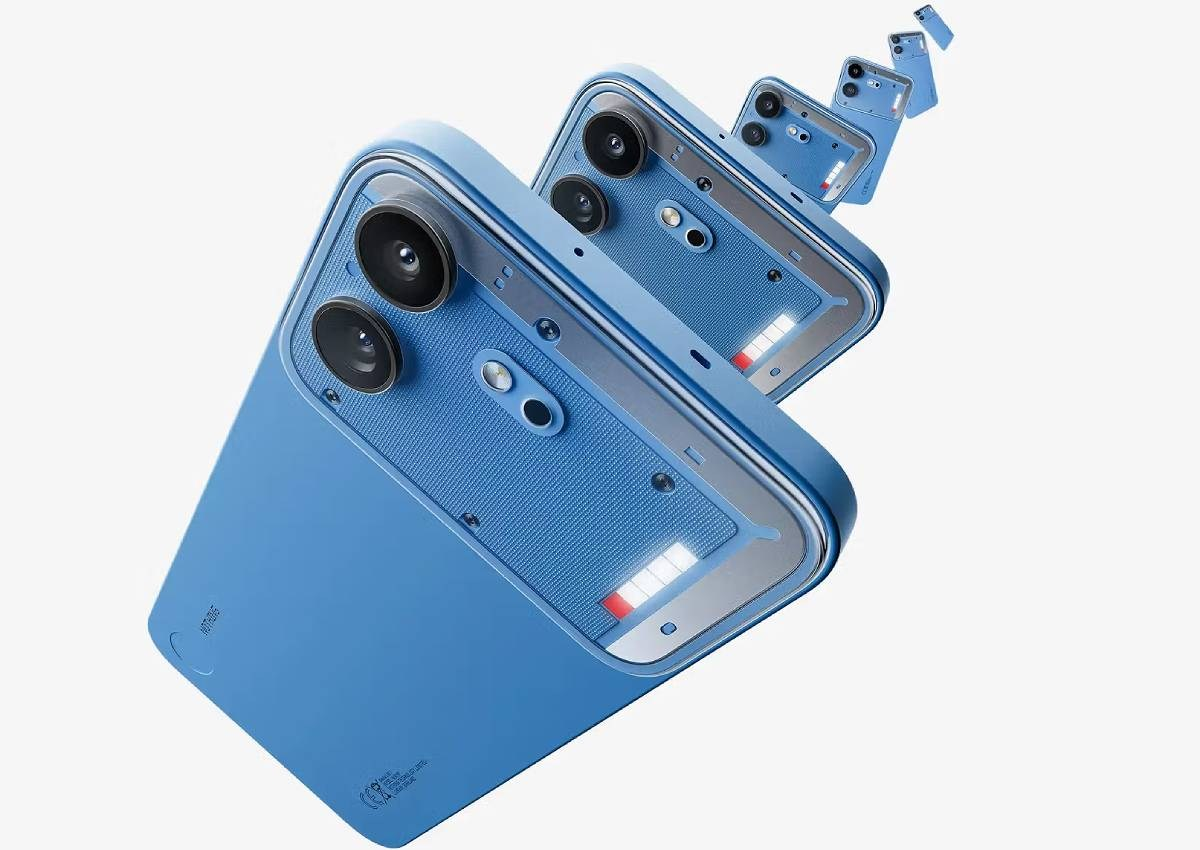
What makes the Phone (4b) interesting is that it does not look or feel like a typical budget phone. It keeps the transparent-inspired design that made Nothing popular while bringing a few practical upgrades. However, to reach a lower price, the company has also made several compromises that become noticeable when compared to similarly priced rivals.
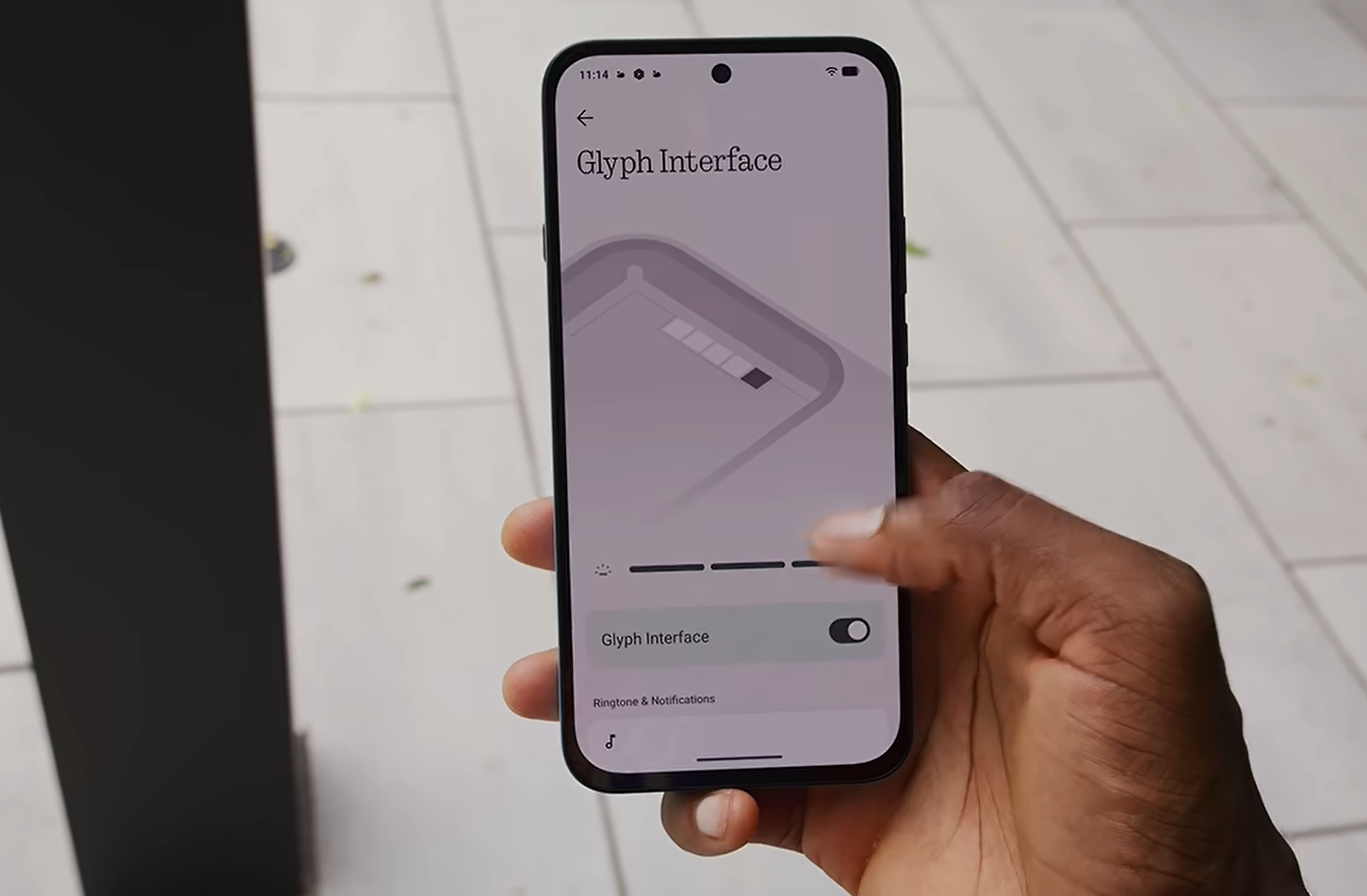
The design remains one of the biggest reasons to buy a Nothing phone. The transparent back panel and simplified Glyph Bar give the Phone (4b) a unique identity that almost no other smartphone offers. The LED lighting is useful for notifications, charging status, and timers without feeling like just a marketing feature. The phone uses a plastic unibody construction, but it still feels solid in the hand. It also comes with an IP64 rating for dust and splash resistance, which is respectable for this price range. While the design is eye-catching, the visible screws on the back are mostly decorative rather than functional, which has already attracted some criticism.
The display is another strong point. Nothing includes a 6.77-inch AMOLED panel with Full HD+ resolution and a 120Hz adaptive refresh rate. The screen looks vibrant, sharp, and smooth during everyday use. Peak brightness reaches up to 2,000 nits, making outdoor visibility much better than many competing mid-range phones. Watching videos, browsing social media, and gaming all feel enjoyable thanks to the bright display and smooth animations. Although LTPO technology is missing, that is understandable considering the phone's price.
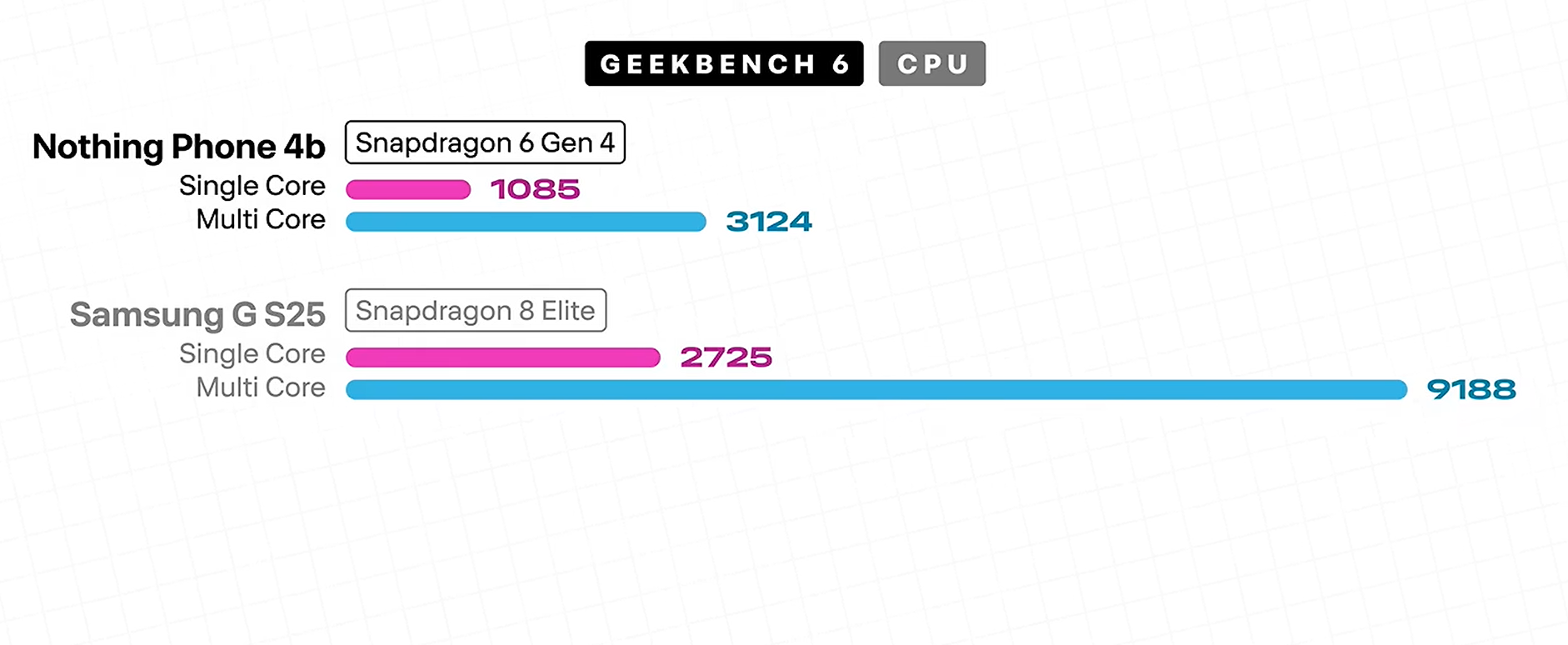
Performance is solid for everyday users. The #Snapdragon 6 Gen 4 chipset is paired with 8GB of RAM and up to 256GB of storage. Daily tasks such as messaging, web browsing, streaming, and multitasking feel smooth without noticeable lag. Casual gaming also performs well, and many popular games run comfortably at medium to high settings. However, the phone is not designed for heavy gamers, and the UFS 2.2 storage is slower than the faster storage used by some competitors in this price range. Users looking for maximum performance may find better options from Poco or Xiaomi.
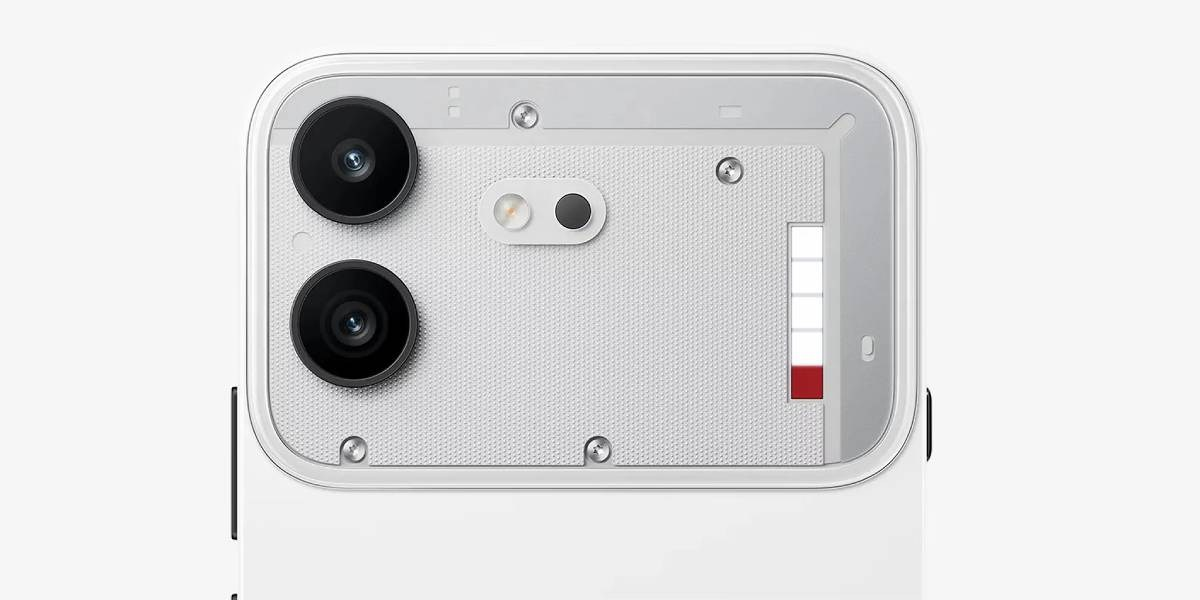
The camera system focuses on the essentials. The Phone (4b) includes a 50MP main camera with Optical Image Stabilization and an 8MP ultrawide camera, along with a 16MP front-facing camera. The main camera captures detailed photos with natural colors, and Nothing's image processing avoids making pictures look overly sharp or saturated. Daylight photos are consistent, while OIS helps improve low-light performance and video stability. The ultrawide camera is useful for landscapes and group shots, but its lower resolution means images lose detail compared to the main sensor. The selfie camera delivers good results for social media and video calls, although it is not among the best in its class. Overall, the camera experience is dependable but not exceptional.
Battery life is one of the phone's biggest strengths. The global version comes with a 5,200mAh battery, while markets like India receive a larger 6,000mAh battery. Either way, the Phone (4b) easily lasts a full day, and the Indian model can comfortably stretch well into a second day with moderate use. Charging is handled by 33W wired charging, which is acceptable but no longer class-leading. Several competing brands now offer 45W, 67W, or even faster charging at similar prices. Still, the excellent battery endurance makes this less of a problem for many users.
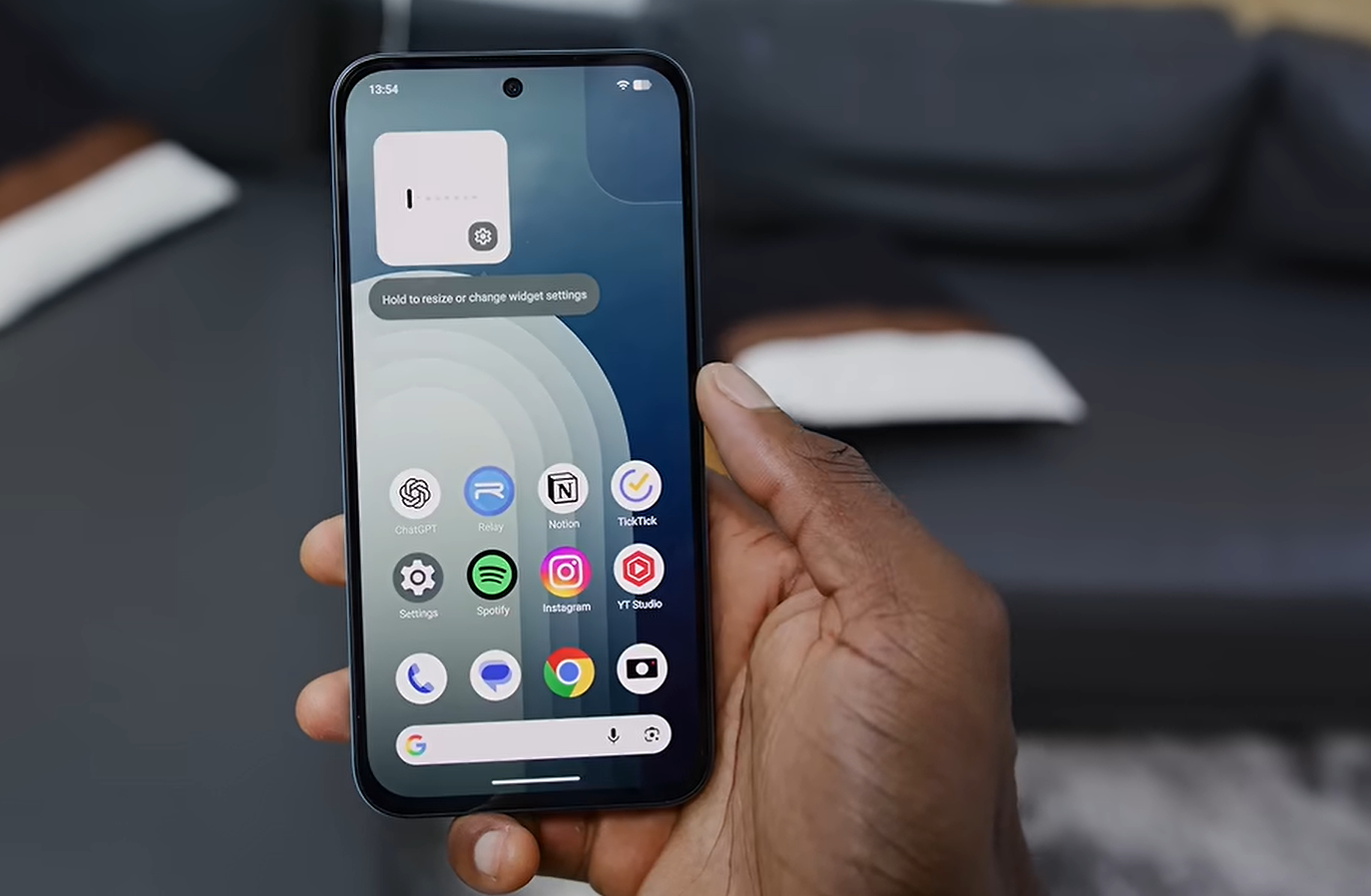
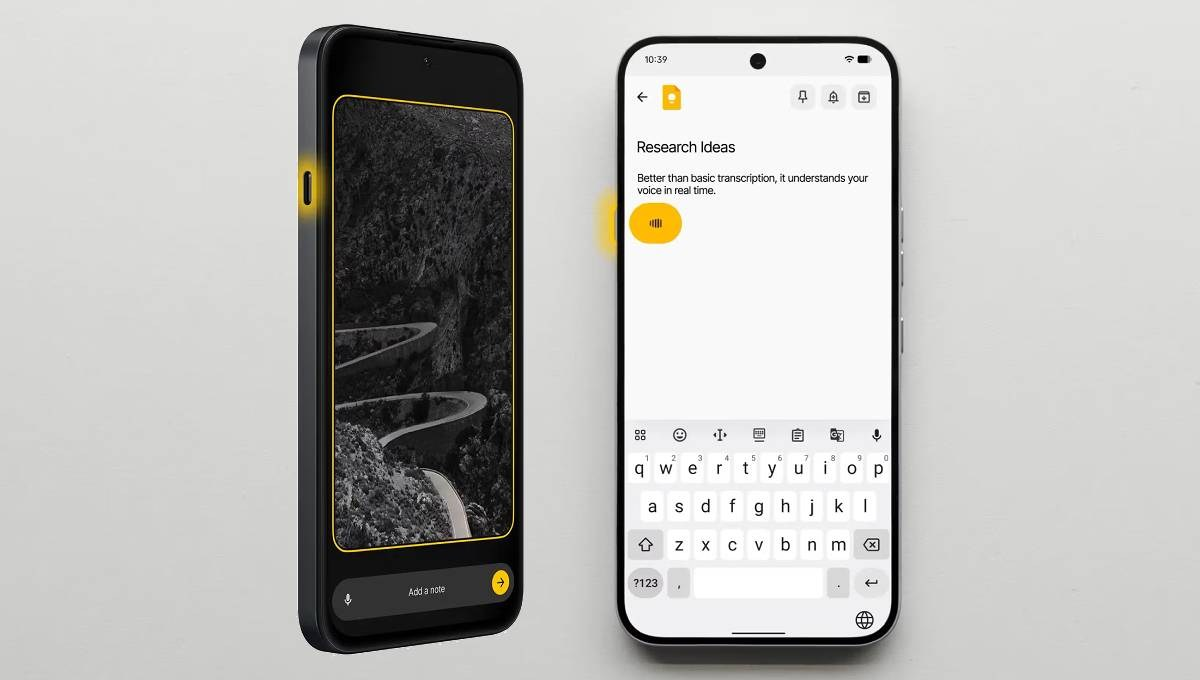
On the software side, the Phone (4b) runs Nothing OS 4.1 based on #Android 16. This remains one of the cleanest Android experiences available outside Google's Pixel phones. The interface is smooth, free from unnecessary apps, and includes useful features like ChatGPT integration, Google Gemini support, and Nothing's unique widgets. Nothing also promises three Android version updates and six years of security updates, which is a strong commitment for a budget smartphone. The software experience continues to be one of the biggest reasons to choose a Nothing device over many competitors.
There are still a few drawbacks:
- The Snapdragon 6 Gen 4 is efficient but not the fastest chipset in this price range.
- UFS 2.2 storage is slower than many competing phones.
- The 8MP ultrawide camera is noticeably weaker than the main sensor.
- 33W charging feels slow compared to many Chinese rivals.
- Decorative screws on the back make the phone look more repairable than it actually is.
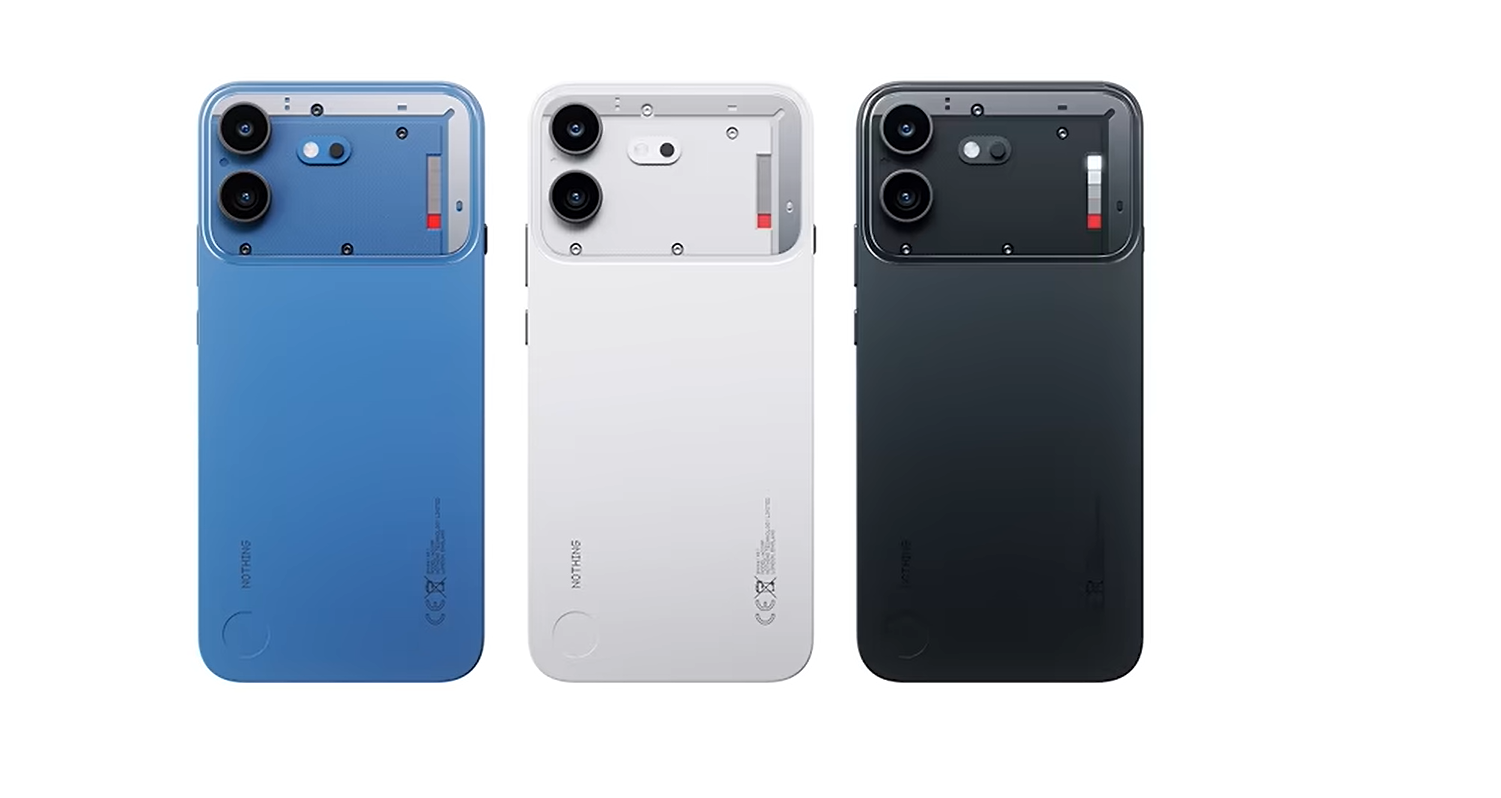
The Nothing Phone (4b) feels like a refreshing option in the budget smartphone market. It delivers a unique design, a bright AMOLED display, dependable battery life, and one of the cleanest software experiences you can find at this price. While it does not lead the segment in performance or charging speed, it offers a balanced experience that feels polished and enjoyable to use.
If you want a smartphone that stands out with its design, clean software, and reliable everyday performance, the Nothing Phone (4b) is an easy recommendation. But if your highest priority is gaming performance, faster charging, or a more versatile camera system, competitors from Poco, Xiaomi, or Realme may offer better value for your money.