I Found Plantain on My Way Home From Class—But It Changed the Way I See Crime, Poverty, and Life
There are things you think you understand
about life… until life forces you to see them differently.
I used to believe I had a clear idea of why people commit crimes. It always looked simple from the outside. Bad choices, bad decisions, wrong people. That was my understanding before criminology started reshaping how I see the world.
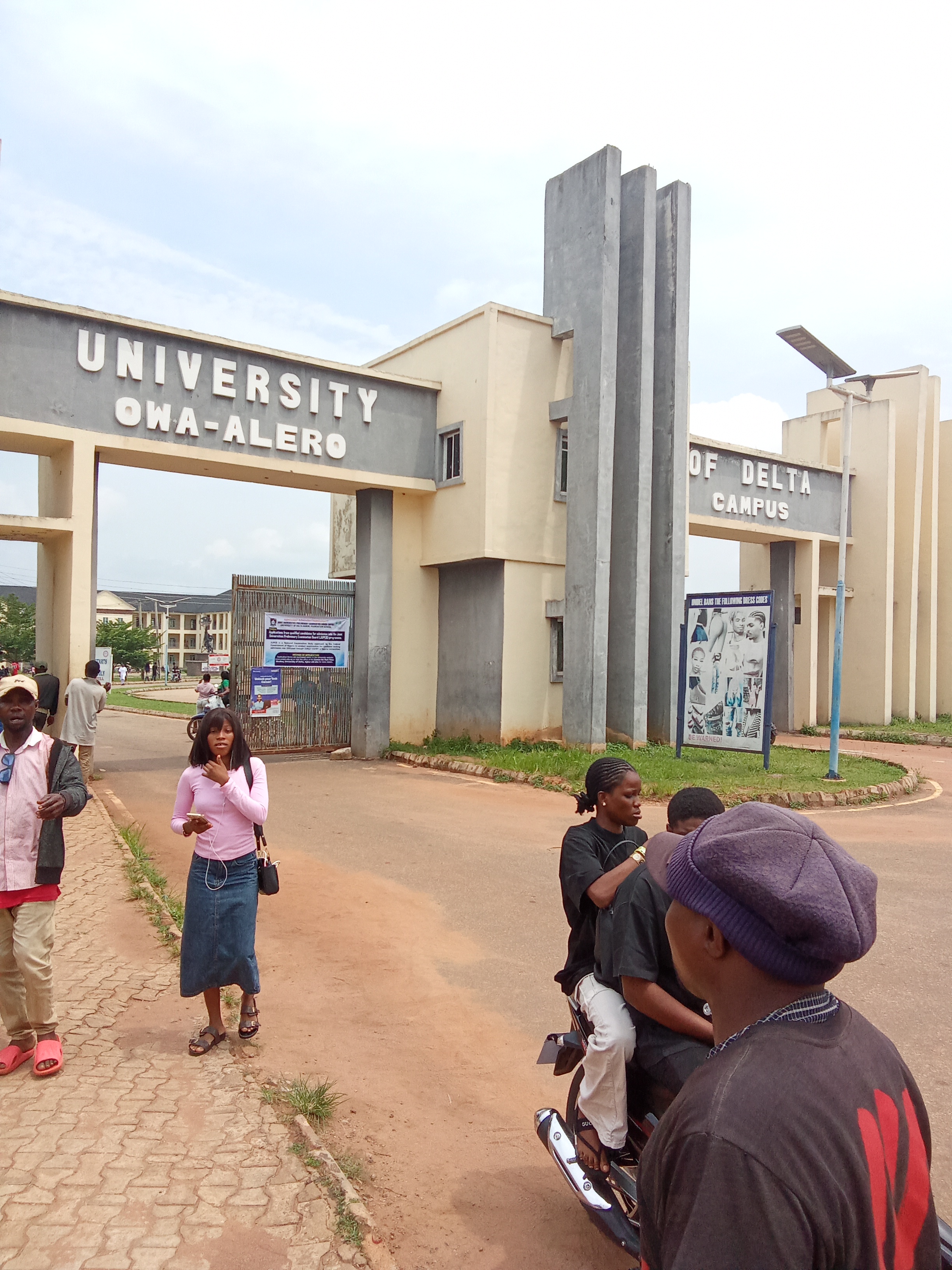
Like many Nigerian students, I entered university focused on survival: attend lectures, pass exams, graduate, move on. Criminology and Security Studies was just a course I got admitted into.
I didn’t know it would slowly start changing how I see everything.
One of the first things that unsettled my thinking was criminal and deviant behaviour.
We were taught to break it down into psychological, biological, sociological, economic, and political factors. At first, it felt like theory.
But the more we went deeper, the more uncomfortable it became.
Because suddenly, crime was no longer just “crime.”
It had background. It had context. It had history.
And I had to confront a question I never seriously asked before:
How many people really “choose” their circumstances?
Around that time, life outside the classroom started answering that question in ways I did not expect.
One day in Owa Market, a small boy walked up to me and quietly held my trousers.
He could not have been more than seven or eight.
He didn’t say anything.
I looked down and saw him properly for the first time.
Barefoot.
No shirt on his body.
Just a faded baby-blue short nicker—dirty, worn, and hanging loosely on a tired frame.
He looked hungry.
Not the kind of hungry you guess, the kind you can see in the face of a child who has learned to survive too early.
I gave him some money and walked away… but I didn’t leave the moment behind.
Before criminology, I would have moved on without thinking twice.
*But that day, I kept asking myself what kind of life leads a child there."
Poverty? Neglect? Abandonment? Broken homes?
Or something deeper that I still didn’t fully understand?
That moment didn’t just show me poverty.
It showed me how easily we judge what we don’t understand.
And that idea started following me everywhere.
At the same time, university life was teaching me its own version of reality.
I still remember one particular photo in my gallery.
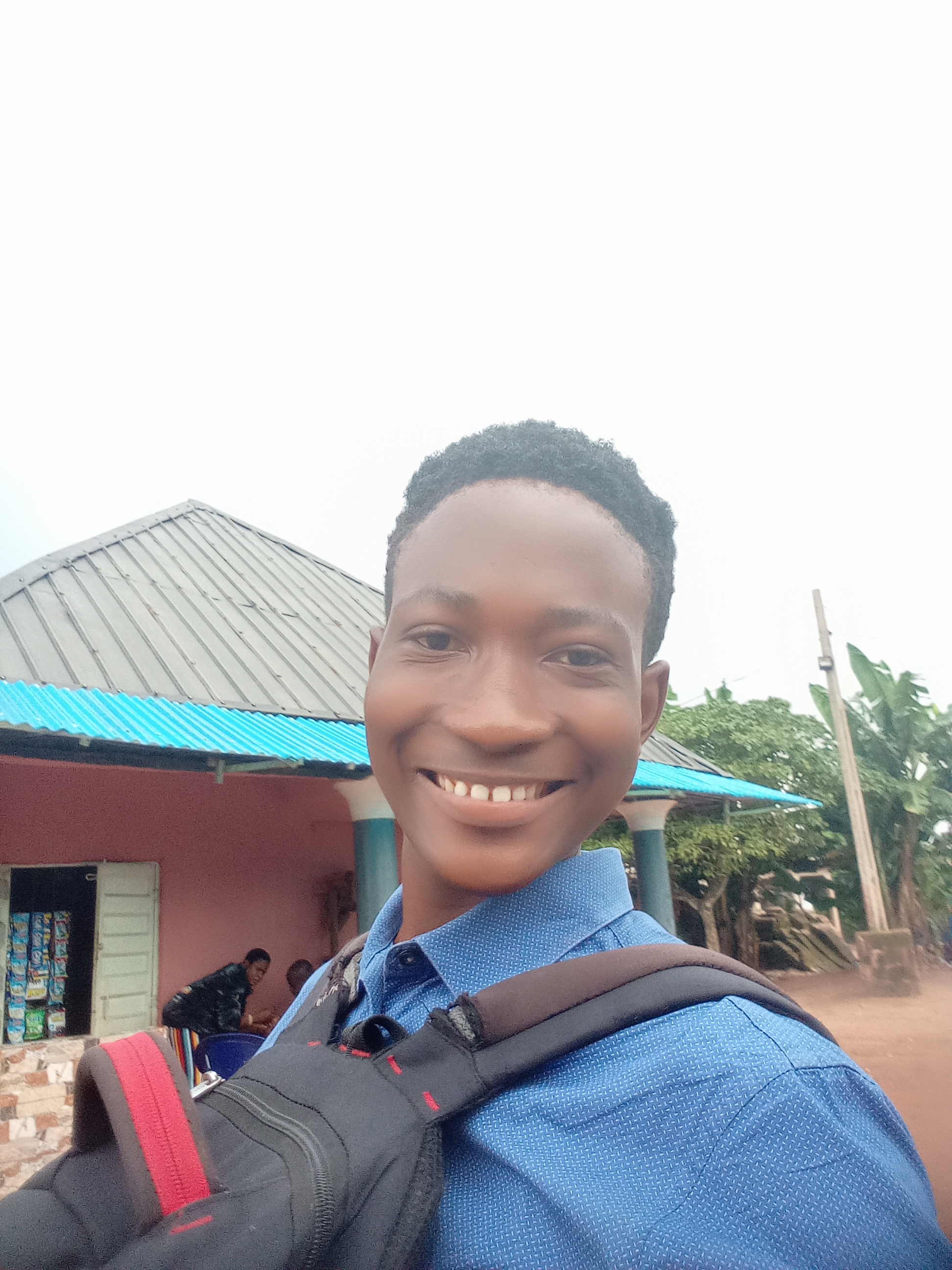
Whenever I scroll past it, I pause.
It looks like a normal happy picture—but I know the story behind it.
It was my first year.
I woke up early for lectures with no money, no food, and no transport fare.
Missing class was not an option.
So I brushed my teeth, left the house, and started walking.
The journey took nearly an hour.
I attended all my lectures that day on an empty stomach.
By the time I finished, the only thing on my mind was how I was going to get home.
The answer was simple: I would walk again.
On my way back, I stopped beside a bush by the roadside.
That was when I saw it, a freshly cut bunch of plantain lying on the ground.
For a moment, I just stood there.
Looking around.
Thinking.
Then I started cutting it into smaller pieces so I could fit it into my school bag.
I didn’t think about it too much at the time. I couldn’t afford to.
Looking back now, I understand what that moment really was.
Survival.
Not theory. Not discussion. Real life.
That plantain didn’t just feed me that day.
It stayed in my memory because it represents a version of me I don’t talk about often, the version that was just trying to make it through each day without falling apart.
When I got home, we fried it and ate together.
And for that moment, everything felt okay.
But the real meaning of that experience only became clear later through criminology.
It taught me something simple but uncomfortable:
When people are pushed far enough, survival starts influencing decisions in ways that outsiders often misunderstand.
That doesn’t excuse wrongdoing, but it explains why judgment is often easier than understanding.
And maybe that is why I started seeing people differently.
Especially the children.
Like the boy in Owa Market.
Or the many others I’ve seen around, surviving in ways no child should have to.
They stopped being “just people on the street.”
They became questions I couldn’t ignore.
As my thinking changed, I also started trying to express it.
That was why I joined Steemit.
Not because I fully understood it.
But because I needed somewhere to put my thoughts.
Somewhere to document the way my mind was changing.
At first, I expected it to be easy.
Write, post, share ideas.
But reality was different.
One of my earliest posts, the story of the plantain incident, was something I was genuinely proud of.
I thought people would connect with it immediately.
I kept checking back.
Refreshing.
Waiting.
But nothing really happened.
No reactions the way I expected.
At that point, I had two choices: stop or continue.
I chose to continue.
Not because I was confident, but because something in me refused to accept that my effort meant nothing just because it wasn’t immediately recognized.
That mindset has followed me into everything I do.
Today, I am still a final-year criminology student.
Still learning.
Still observing.
Still trying to understand people more deeply than I did yesterday.
Because one thing criminology has made very clear to me is this:
People are rarely as simple as they look.
Every action has a background.
Every silence has a story.
Every struggle leaves a mark.
And sometimes, the difference between judgment and understanding is simply whether you have walked close enough to see clearly.
When I look back now, I don’t just see criminology as a course.
I see it as something that changed me.
It changed how I interpret people.
It changed how I respond to life.
And most importantly, it changed how I see myself.
And sometimes, when I scroll through my gallery and see that old photo of me carrying a bag full of plantain, I don’t just remember hardship.
I remember survival.
I remember growth.
And I remember that I am still becoming.
I would like to invite some friends to check out my lastest post:
@ninapenda
@ab-rich23
@ruthjoe
@bossj23
I just think it's wise to always take a pause when any thief is caught and ask questions first before executing judgement. But most people don't care, they just kill before asking. A lot of things push people into criminal acts.
Reading your post kept flashing in old memories to my mind. Please try not to always repeat images in your post, it is called self-plagiarism on steemit.
Thanks 😊
Excelente trabajo al contar tu historia. Te recomendamos interactuar con otros usuarios por medio de buenos comentarios y procura aumentar su influencia en la plataforma haciendo Power Up. Debes evitar el uso indiscriminado de herramientas de IA , repetir las fotos ya usadas en esta u otras plataformas sociales y presentar tu contenido con un buen maquetado; eso hará que tu trabajo se vea profesional.
Curated by @oneray.
Thanks
Thank you for publishing an article in the Steem4nigeria community today. We have assessed your entry and we present the result of our assessment below.
Remember to always share your post on Twitter using these 3 main tags #steem #steemit $steem
Hi, Endeavor to join the #Nigeria-trail for more robust support in the community. Click the link Nigeria-trail
Guide to join