The Diary Game |[12/7/2026] My Health Education Session on Malaria Prevention
Good day, everyone. My name is @wiregboss you are Welcome to another edition of my diary. Today, I would like to share some important health education about malaria, one of the most common diseases affecting many people in our communities. As a healthcare student, I believe that educating people about malaria is just as important as treating it because understanding how the disease spreads and how to prevent it can save lives. In this diary, I will explain what malaria is, how it is transmitted, its common signs and symptoms, and the simple steps everyone can take to protect themselves and their families.
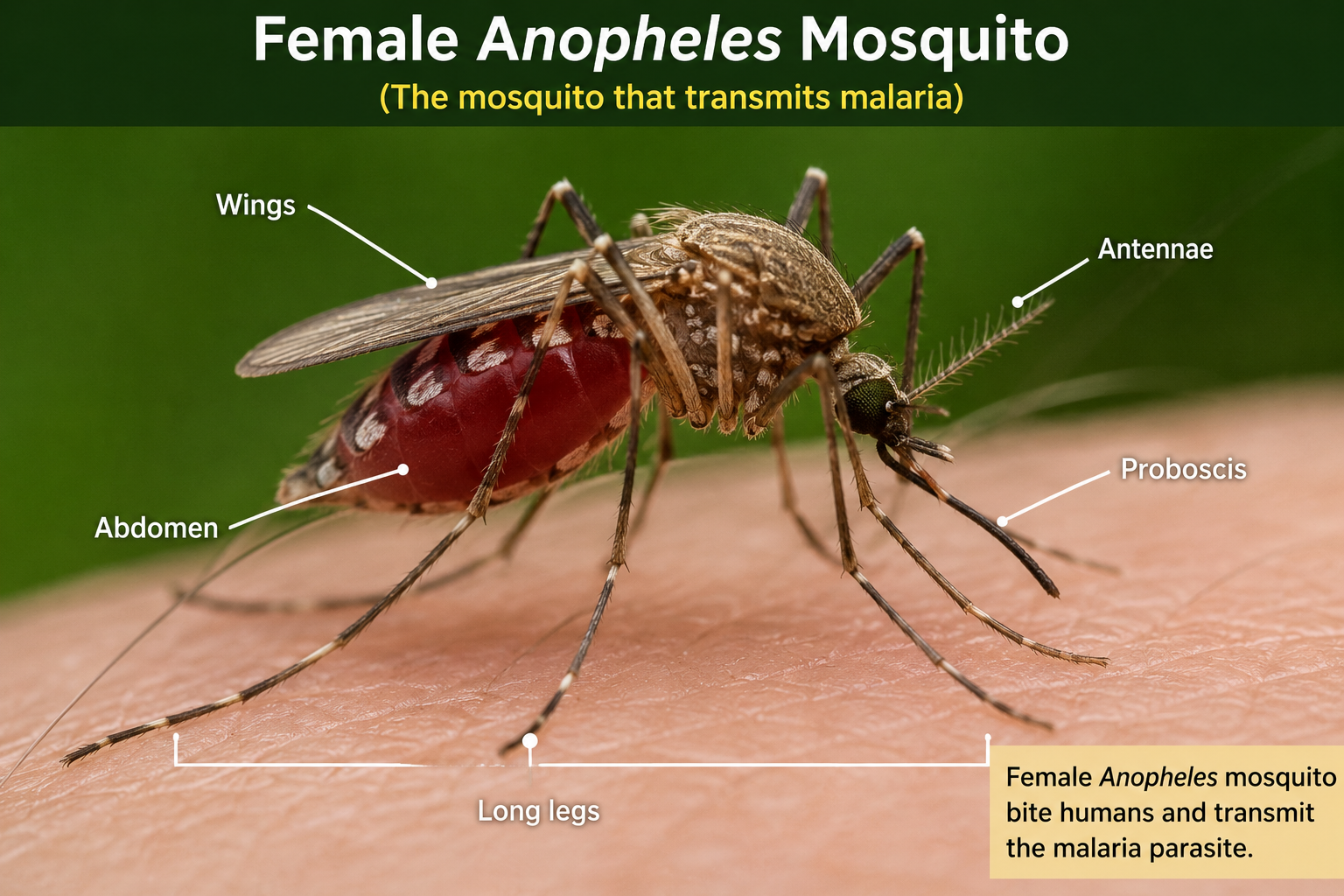
TRANSMISSION OF MALERIA
Malaria is caused by a tiny parasite called Plasmodium. This parasite is transmitted to humans through the bite of an infected female Anopheles mosquito. The mosquito becomes infected when it bites a person who already has malaria. Inside the mosquito, the parasite develops and multiplies. When the infected mosquito later bites another healthy person, it injects the malaria parasite into the person's bloodstream through its saliva.
After entering the body, the parasite first travels to the liver, where it grows and multiplies for several days without causing symptoms. It then leaves the liver and enters the red blood cells, where it continues to multiply and destroy them. This destruction of red blood cells is what causes the common symptoms of malaria, such as fever, chills, headache, body weakness, sweating, and, in severe cases, serious complications if treatment is delayed.
There are several species of the Plasmodium parasite that can infect humans, including Plasmodium falciparum, Plasmodium vivax, Plasmodium malariae, Plasmodium ovale, and Plasmodium knowlesi. In Nigeria and many other parts of Africa, Plasmodium falciparum is the most common and the most dangerous species because it can cause severe malaria and may be life-threatening if not treated promptly.
Understanding how malaria is transmitted helps us appreciate the importance of preventing mosquito bites, sleeping under insecticide-treated mosquito nets, keeping our environment clean, and seeking medical care as soon as symptoms appear.
SIGN AND SYMPTOMS OF MALERIA
The signs and symptoms of malaria usually appear about 7 to 30 days after a person is bitten by an infected female Anopheles mosquito, although the exact time may vary depending on the type of Plasmodium parasite involved. At first, the symptoms may seem similar to those of the flu, which is why some people do not seek treatment early.
Some of the common signs and symptoms of malaria include:
- High fever
- Chills and shivering
- Excessive sweating
- Headache
- General body weakness and fatigue
- Muscle and joint pain
- Loss of appetite
- Nausea and vomiting
- Abdominal pain
- Diarrhea in some cases
If malaria is not diagnosed and treated promptly, it can become severe and lead to serious complications such as severe anemia, difficulty breathing, convulsions, confusion, kidney failure, coma, and even death. For this reason, anyone who develops a fever after being bitten by mosquitoes or lives in a malaria-endemic area should visit the nearest health facility for proper testing and treatment. Early diagnosis and prompt treatment are the best ways to prevent complications and ensure a full recovery.
PREVENTION OF MALERIA
After understanding how malaria is transmitted and the signs and symptoms of the disease, it is also important to know how we can prevent it. Prevention is better than cure, and everyone has a role to play in reducing the spread of malaria in our communities.
The main way to prevent malaria is by protecting ourselves from mosquito bites. Sleeping under insecticide-treated mosquito nets every night is one of the most effective methods because the mosquito that spreads malaria usually bites more at night. Using mosquito repellents, wearing long-sleeved clothes, and keeping doors and windows protected with nets can also help reduce the chances of being bitten.
Keeping our environment clean is another important step in malaria prevention. We should avoid allowing stagnant water to collect around our homes because it provides a breeding place for mosquitoes. Clearing bushes, properly disposing of waste, and maintaining a clean surrounding can help reduce the number of mosquitoes in our environment.
Early testing and proper treatment are also important in preventing malaria complications. Whenever someone notices symptoms such as fever, headache, chills, or body weakness, they should visit a health facility for proper diagnosis and treatment. Avoiding self-medication helps ensure that malaria is treated correctly.
Health education is also a powerful tool in preventing malaria. When people understand how malaria is transmitted and the ways to protect themselves, they can make better decisions to stay healthy. Pregnant women should also attend antenatal clinics regularly because they are more at risk of malaria and need proper preventive care.
In conclusion, malaria can be prevented through simple but effective actions such as sleeping under mosquito nets, maintaining a clean environment, seeking early medical attention, and educating others. By working together, we can reduce the impact of malaria and create healthier communities.
CONCLUSION
In conclusion, malaria remains one of the common health challenges affecting many people, but it can be prevented and properly managed when the right steps are taken. Understanding how malaria is transmitted, recognizing its signs and symptoms, seeking early medical attention, and practicing preventive measures can help reduce the number of people affected by the disease.
Everyone has a role to play in the fight against malaria by keeping their environment clean, protecting themselves from mosquito bites, and sharing correct health information with others. Through proper awareness and cooperation, we can reduce the spread of malaria and help create a healthier community.
Thank you for taking the time to read my health education post. I hope this information helps you understand malaria better and encourages everyone to take action in preventing this disease.
You have two diaries of the same date?
It was a mistake