Basic Knowledge in Agriculture #92
Hydroponic Farming
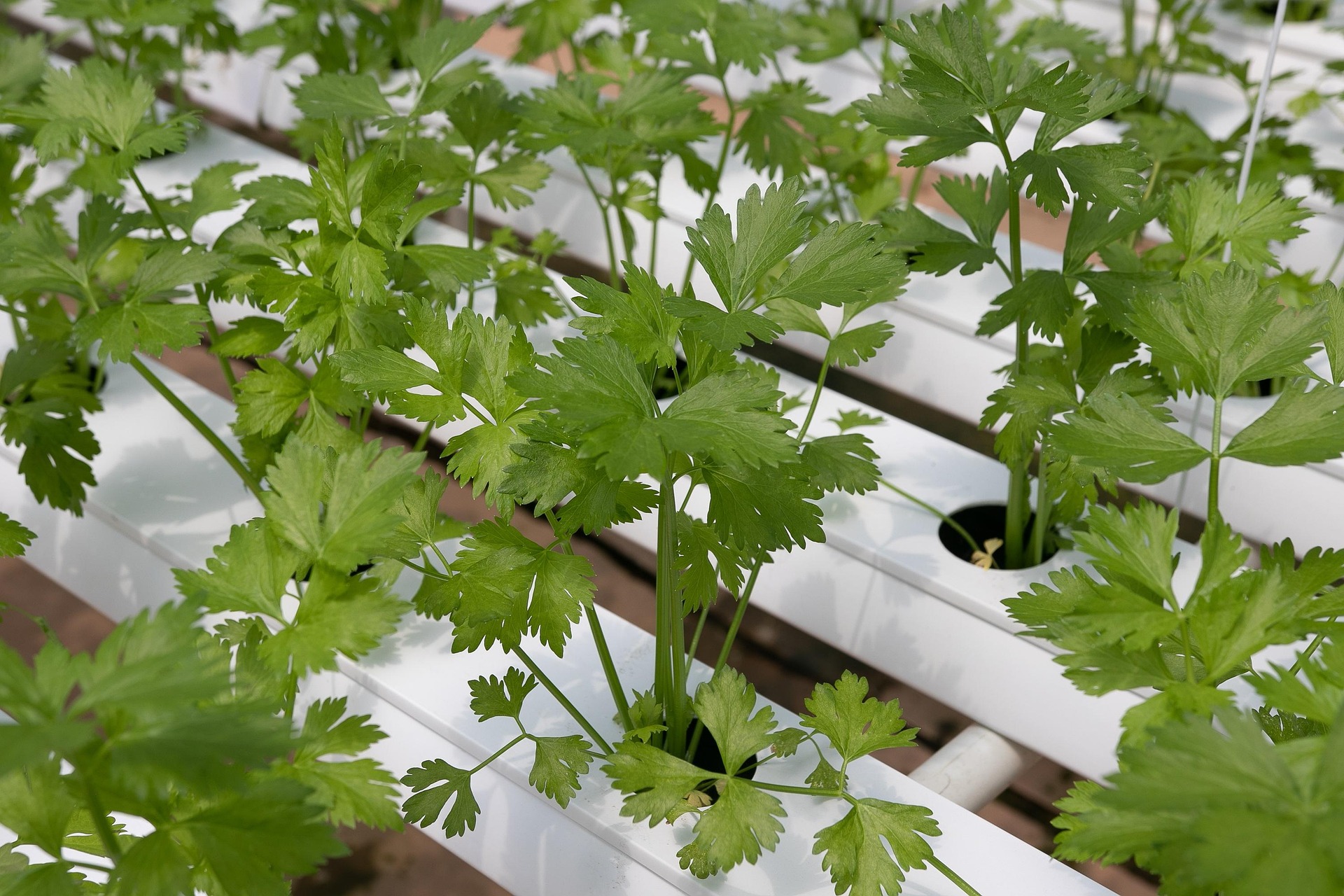
Hydroponic farming is a system of farming where plants are grown without soil. Instead of using soil, water-based nutrients are supplied directly to the plants to enable proper growth and development. This system of farming allows crops to grow faster while minimizing the amount of farmland required for cultivation. However, despite its numerous advantages, hydroponic farming is very costly to establish and maintain.
There are certain crops that grow properly through the hydroponic system of farming. These include lettuce, tomatoes, cucumbers, strawberries, spinach, peppers, herbs, and many other leafy vegetables. My country has also introduced the hydroponic system of agriculture because it requires less land compared to conventional farming. This has made it a suitable method of crop production, especially in areas where farmland is limited.
In hydroponic farming, plants are not grown in the soil. Rather, they are grown in water containing complete nutrients that support their growth from the early stage to maturity. The word Hydroponics is derived from two Greek words: "Hydro," meaning water, and "Ponos," meaning labour or work. Therefore, hydroponics can simply be referred to as working with water.
Importance of Hydroponic Farming
Increases Food Production
Hydroponic farming increases food production because it does not require a large area of farmland for cultivation. The crops receive their nutrients directly from the water, which enhances their growth and enables faster production. As a result, more crops can be produced within a shorter period.
Space Management
This system of farming helps in proper space management for increased production. Plants can be grown vertically, thereby making effective use of the available space. This allows a large number of crops to be cultivated in a relatively small area.
Curbs Soil Problems
Hydroponic farming helps to curb soil-related problems because soil is not involved in the cultivation process. Soil pests, diseases, and weeds are greatly reduced, thereby improving the health and quality of the crops.
Plants Can Be Grown in Poor Soil and Unfavourable Environments
Since hydroponic farming does not require soil for plant growth, poor or infertile soil is no longer a limitation. Crops can be successfully cultivated even in areas where conventional farming may not be possible.
Efficient Utilization of Nutrients
In hydroponic farming, nutrients are supplied directly to the roots through water. This ensures that plants receive adequate nutrients at every stage of growth, thereby improving their development and productivity.
In summary
Hydroponic farming is an advanced system of agriculture in which plants are grown without soil by supplying water-based nutrients directly to their roots. It promotes faster crop growth, increases food production, manages space effectively, and helps to eliminate many soil-related problems. Although the cost of establishing and maintaining the system is high, its benefits make it an important method of modern agricultural production.
Inviting ..
@imohgeorge