Basic Knowledge in Agriculture #92
Hydroponics
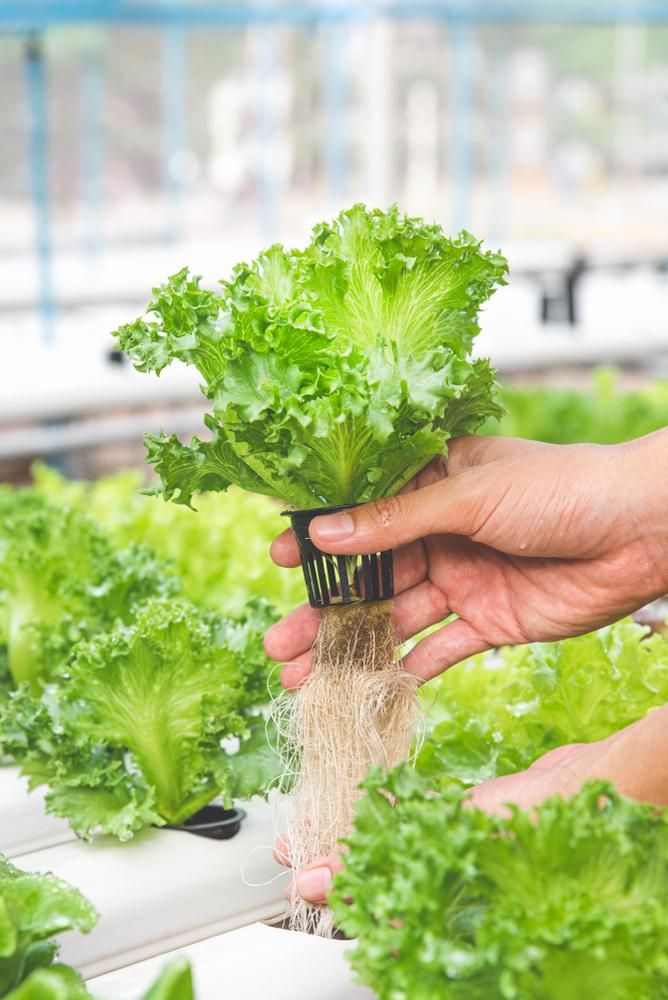
The word “hydroponics” comes from the Greek for “working water.” Rather than being planted in dirt, hydroponic crops are grown directly in a water system. That nutrient-dense water contains all the vital minerals that the plants need – from nitrogen, potassium, to phosphorous – delivered directly to their roots. To ensure that the plants stand up straight and remain in place within these systems, growers use some kind of inert soilless material around their roots, such as cocos coir (coconut shells), volcanic rock, clay pebbles or rock wool.
Since the roots don’t need to expand and search for nutrients in the dirt, those same plant energy sources instead focus on growing leaves and produce exponentially fast.
Role in the Farming World
Modern agricultural processes embrace hydroponics as a solution to several critical resource management concerns.
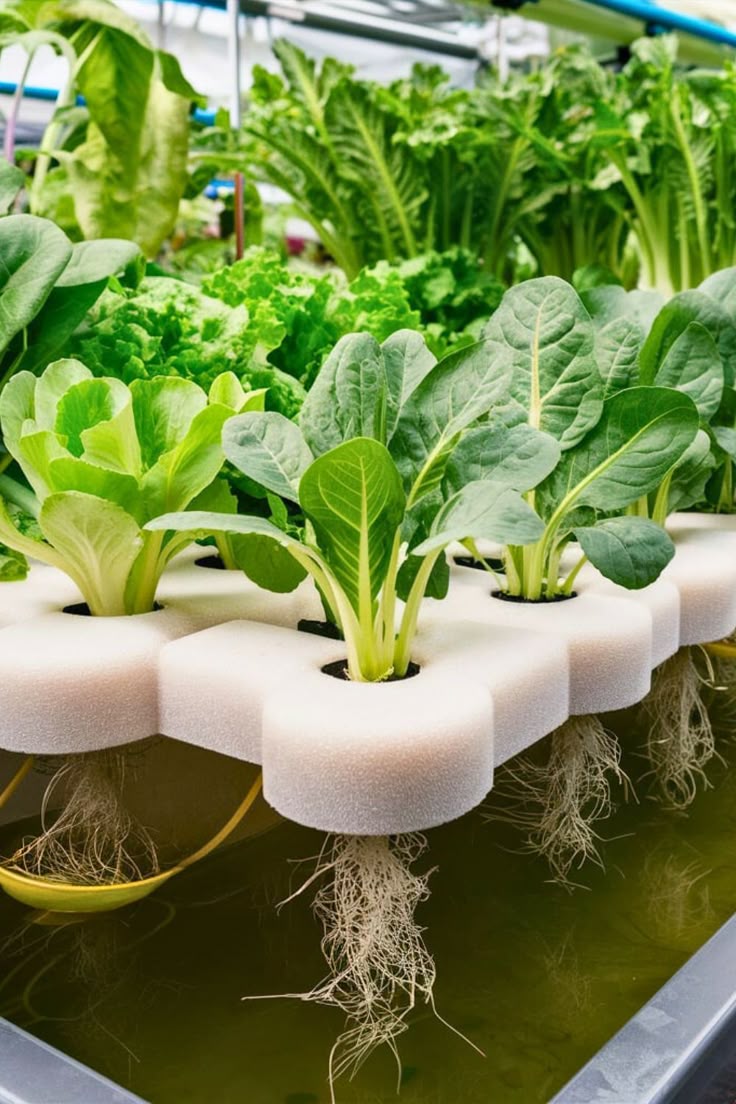
- Water Conservation: As hydroponic systems recycle nutrient water in a closed loop, they utilize up to 90 percent less water than the average garden or field system. The lost water that you’d get in traditional agriculture is due to inevitable evaporation or nutrient loss, so waste is minimized with hydroponics.
- More Bountiful Harvest in a Smaller Area: Many hydroponic growers notice plants develop 50 percent faster than other plants due to increased nutrient delivery to the roots of the crop. Furthermore, farms can create stacked layers of crops indoors which yield ten times as much per square foot.
- No Soil, No Problem: Farming is now viable for the 40 percent of the world’s surface that is arid, as well as highly populated urban settings or damaged farmland.
- Less Need for Chemicals: While hydroponic plants still require supplementation, an indoor closed system greatly reduces pests and crop diseases to eliminate the need for harmful chemical pesticide use.
- Consistent, Local harvests: Plants within enclosed hydroponic facilities are shielded from unpredicatable climates, severe storms, and shifting seasonal norms to provide a predictable local food source year after year.
Thanks for reading my post I'm inviting @chant, @josepha and @bela90 to participate.