Pick and Write [Agricultural Word]👉#29
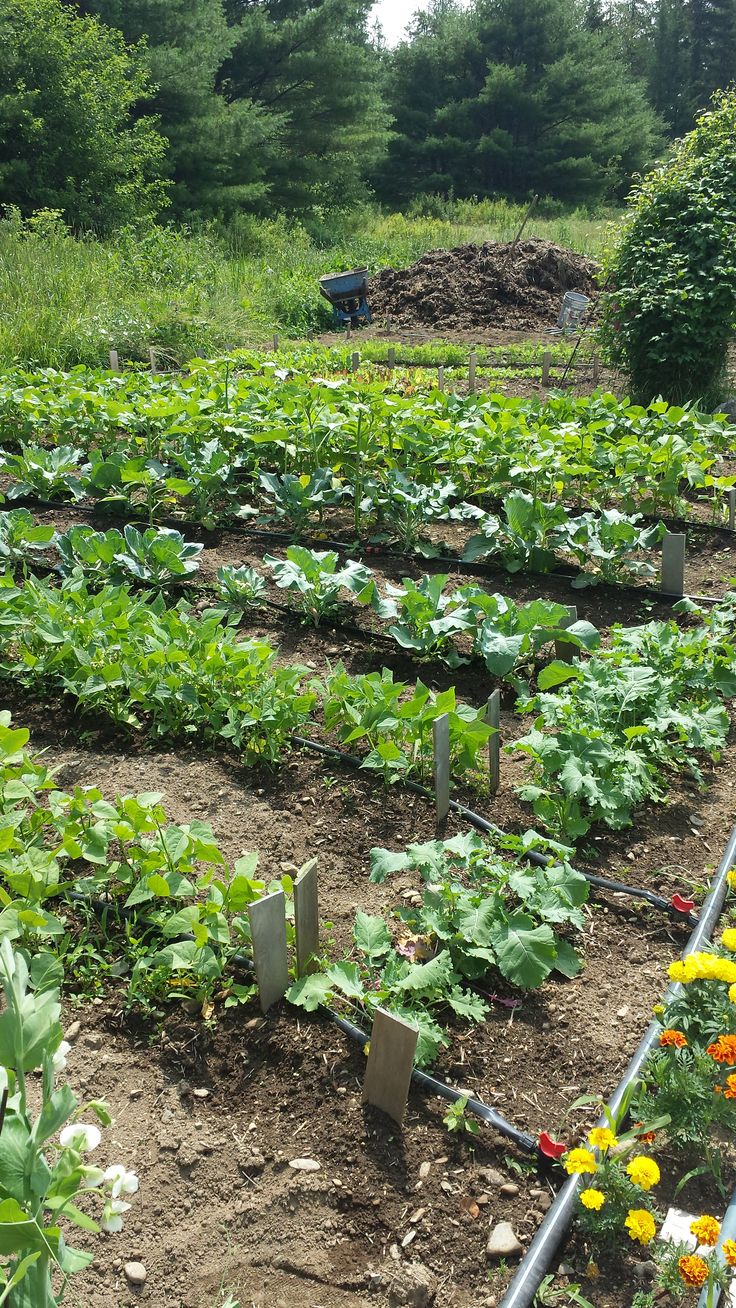
Permaculture: The Key to Resilient Agriculture
The name, a portmanteau derived from “permanent agriculture” and “permanent culture”, describes how designers of these systems strive to mimic the patterns and interconnections inherent in natural ecosystems. Permaculture, first popularized in the 1970s by Australians Bill Mollison and David Holmgren, is far more than just a method of planting and harvesting a few crops; it’s an entire framework for the design of stable, resilient agricultural systems that satisfy human needs and integrate a concern for life. It is a cooperative, holistic approach to creating stable food systems.
At its heart lie three ethic codes: earth care, people care, and fair share (limits to consumption and redistribution).
The ethics of permaculture also guide the design of the various methods that compose permaculture; there are 12 Design Principles behind it that are intended to replicate the behaviors found within nature. Some of the core tactics of permaculture focus on the observing and interact with nature – particularly the study of patterns of water movement or the influence of topography in your chosen design area – as well as harvesting natural flows such as rainfall and solar radiation for use.
However, permaculture doesn’t all happen through the observation of nature but rather also incorporates an array of more pragmatic techniques. These techniques are quite different from industrial practices, which depend on monocultures, external inputs such as fertilizers, and heavy machinery.
For instance, the placement of symbiotic plantings known as companion crops, or building soil as opposed to degrading it with chemical inputs, is all about designing and developing self-sustaining agro-ecologies.
Practices range from planting companion species such as rosemary and sage that help keep the slugs and other garden pests away to watering with captured rainwater or mulching to help plants stay hydrated without manual effort. Permaculture is in contrast to current industrial forms of agriculture, the main advantages to a design for growing system this far reaching could easily be numerous as they could significantly help offset current problems, including increasing global warming, land degraded from conventional methods, and depleted natural resources, amongst numerous others.
Far from being an exhaustive guide, the following essay hopes to serve as a jumping-off point, inspiring us to envision the benefits of this paradigm shift, and helping to lead the conversation down the path of creating systems that work in harmony with nature – leading to truly sustainable practices for living and future generations of sustainable agriculture.
Thanks for reading my post I'm inviting @pea07 @ninapenda and @chant to participate.
Endeavour to follow the guidelines and share your publication on X; with the link dropped here as a reply to your entry