How interconnected agriculture really is for everyone
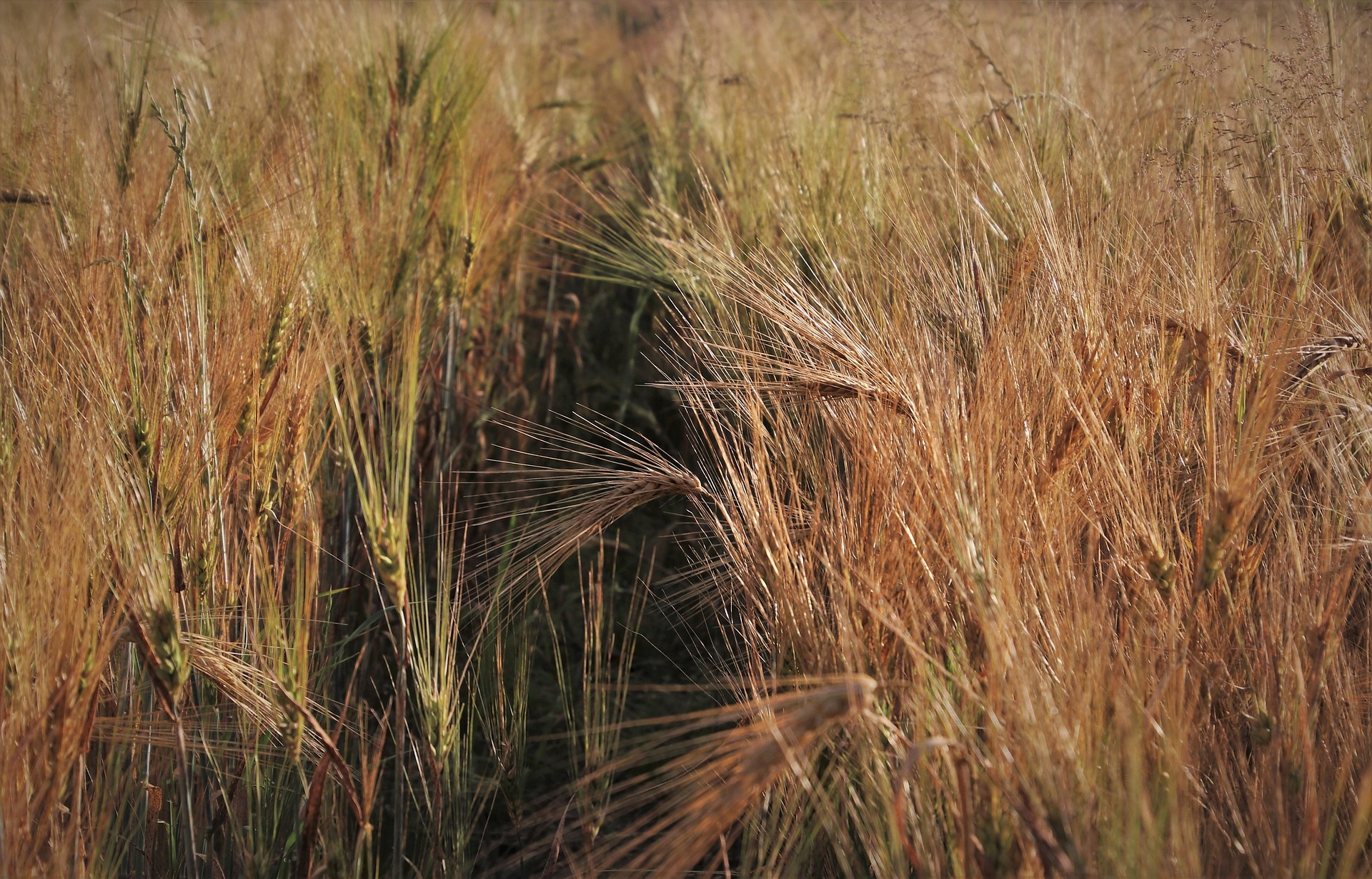
The reason why I care even more about what happens outside my country is that what happens in someone's country can most definitely affect you, most especially if the negative thing happening is affecting their agriculture.
When drought strikes Kansas or Ukraine, you could end up paying more when you visit the grocery store even though you're not living there and this is exactly what happens because of how the agricultural economy functions.
Global agriculture is not made up of several markets operating independently of each other. What we really have is one single agricultural market, which is extremely fragile.
A handful of countries produce the majority of the food eaten or used in other states. The US, Brazil, Argentina and Ukraine produce a huge share of the world's corn and soy. We also have Russia and Ukraine who exported roughly one third of all wheat before 2022. There is no real back up plan when issues emerge in these countries and you wouldn't know what issues can just come.
Unlike agricultural products, the money or finance markets don't wait until crops fail. The traders onlt change prices as soon as the problem appears. So that means those countries that rely on importing foods become affected even prior to the crops' destruction.
We also see Shipping becoming more expensive. The local currency falls in comparison with the US dollar. The high cost of energy drives up fertilizer and transportation expenses. If wheat prices jump by 20%, the cost of bread would rise far beyond that figure.
The poorest countries are impacted the most severely. These are countries located in North Africa, the Middle East, Sub Saharan Africa, and certain Southeast Asian countries. They import the lion's share of food they eat since they cannot produce it locally. That's why during a crisis, they pay twice as much as usual for both their food and money borrowed in dollars because of their higher exchange rates.
The exporting nations usually decide to hold off shipments to secure their national interests in case of any emergency. We had around thirty countries that acted similarly during the 2007, 2008 food crisis. This strategy seems to be rational for the countries but a move like that restrict food supplies, worsening the issue for the countries suffering from the crisis.
Climate change also aggravates the problem. The threat we face with this is in a simultaneous emergence of multiple droughts in the countries where foods are cultivated and right now with all the advancement , the global food reserve and trade system is still ill prepared for this phenomenon.
🎉 Congratulations!
Your post has been upvoted by the SteemX Team! 🚀
SteemX is a modern, user-friendly and powerful platform built for the Steem community.
🔗 Visit us: www.steemx.org
✅ Support our work — Vote for our witness: bountyking5