The Rise of the Nigerian Gold Dust "Ginger"
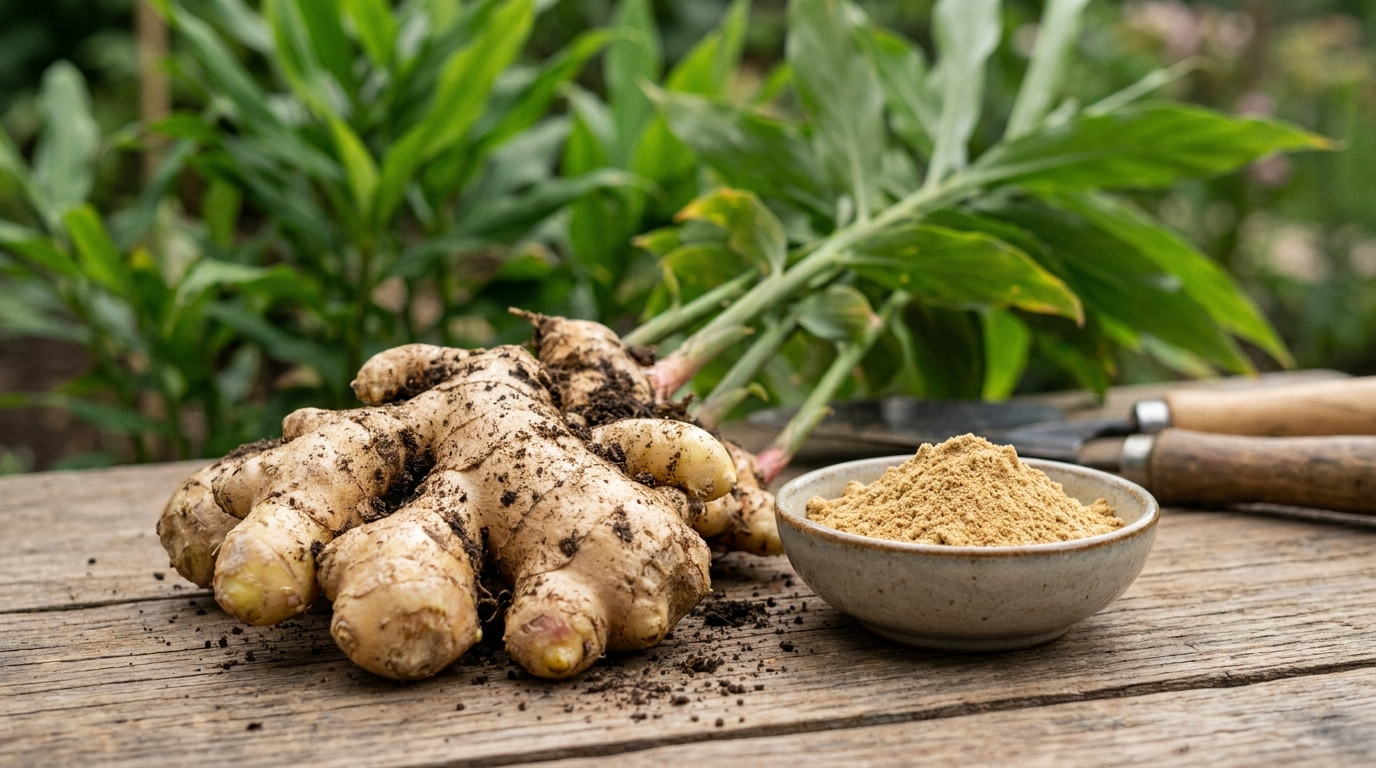
I went to the market the other day just to buy a little ginger. What I saw made my jaws drop.
A small handful of ginger was already sold for ₦2,000. The woman selling it saw the shock on my face and laughed. She was like, “Ah, you dey shock. Don’t you know ginger is now gold?” If someone had told me that ginger, I mean G-I-N-G-E-R would be that expensive in Jos, I'd challenge them with every bloodcell in me.
On my way home, I kept thinking, what happened? Ginger used to be the thing our mothers threw into stew or pepper soup without thinking. Now people are treating it like gold dust.
So I started asking why.
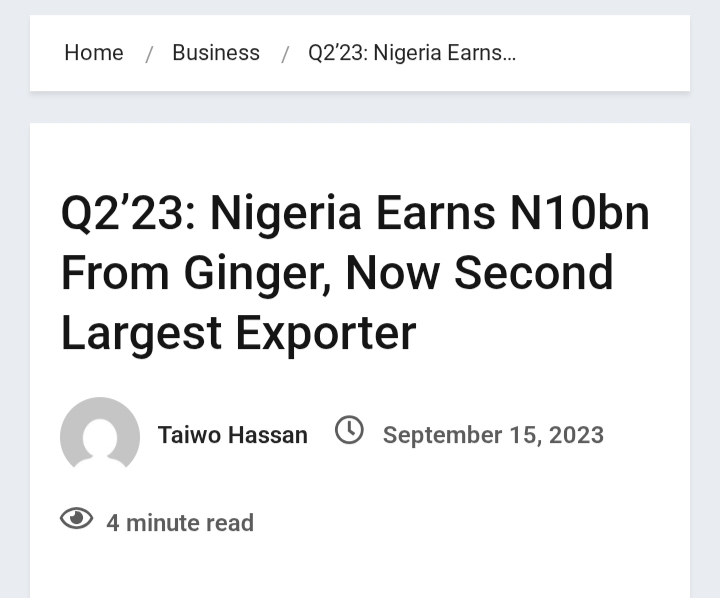
Not long ago, Nigeria was one of the biggest ginger producers in the world. Moved from number 3 to number 2, right behind India. Southern Kaduna alone was responsible for most of it. There were farms and families there that grew ginger for generations.
In 2022, the country produced over 800,000 metric tons. One year later, in 2023, that number reduced to less than 100,000 tons. Those who follow the news will agree that this industry earned close to 24 billion naira in nine months in 2023. But that dropped to only about ₦6 billion, roughly a quarter of that same amount.
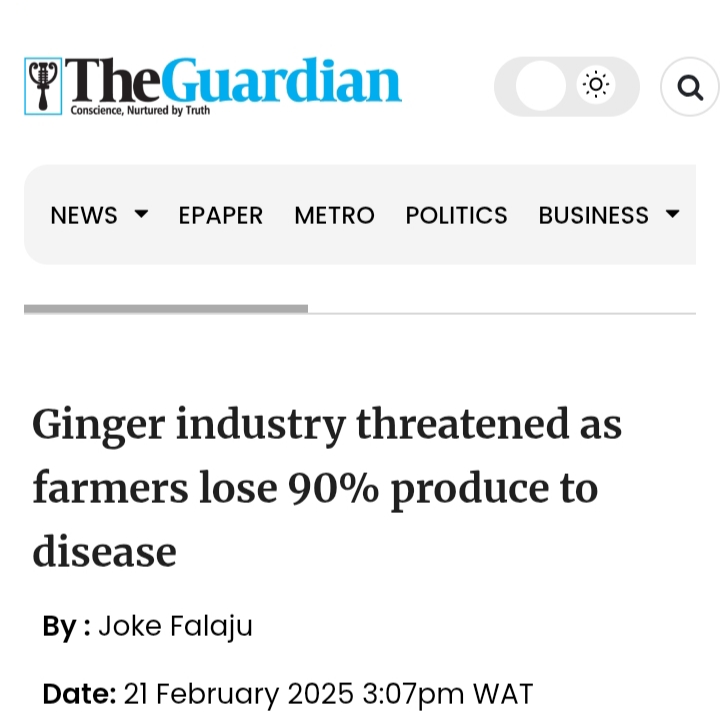
Farms in Kaduna lost 85 to 95 percent of their harvest. The government itself has put total farmer losses since 2023 at over 12 billion naira.
This means families who fed themselves and educated their children off ginger money lost almost everything. That's if not everything.
Many netizens blame the government for introducing foreign seeds, GMO, or partnering with a big organisation like the Gates Foundation who swapped Nigeria’s good local seeds. I looked for proof of that claim. None found yet.
What actually happened is almost the opposite. In 2022, Nigerian researchers took the two local types of ginger that Kaduna farmers had grown for generations, the yellow one (Tafin Giwa) and the black one (Yatsun Biri), and officially registered them. They did this to protect and multiply the good local seeds, not replace them with foreign ones.
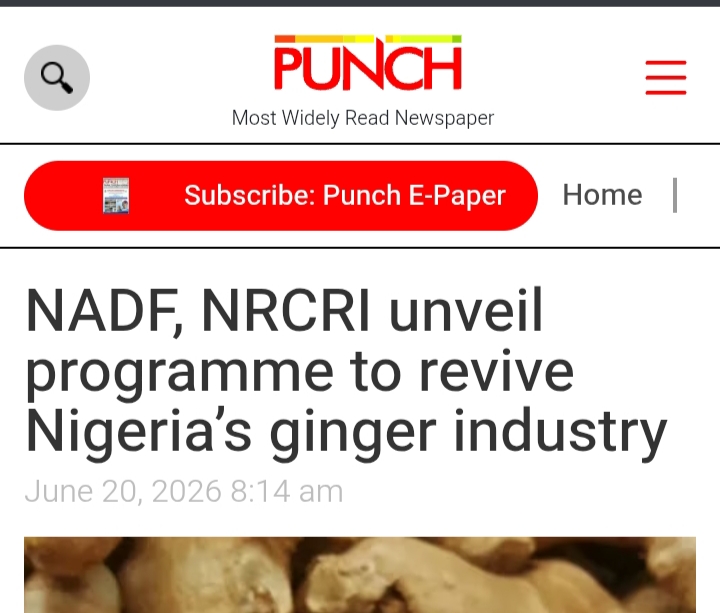
The real problem cause of this scarcity is a fungal disease (a soil sickness) called proxipyricularia zingiberis. It started spreading through Kaduna’s ginger farms in 2023. Researchers still have not fully solved it years later. Although I read a news about an ongoing intervention programme.
 |
|---|
Nigeria had no proper national seed bank for ginger, no early warning system to catch the disease before it spread, and almost no insurance for the farmers. Today, a single 50 kg bag of clean seed can cost ₦300,000 or more, that's if you can even find one. One hectare needs many of those bags.
India, the country still ahead of us, spent years building clean seed systems, nurseries that keep disease out, and ways to spot outbreaks early. Nigeria is only now, years into the crisis, starting to build the same things like recovery programmes and seed projects that are mostly reacting after the fire has already burned most of the house.
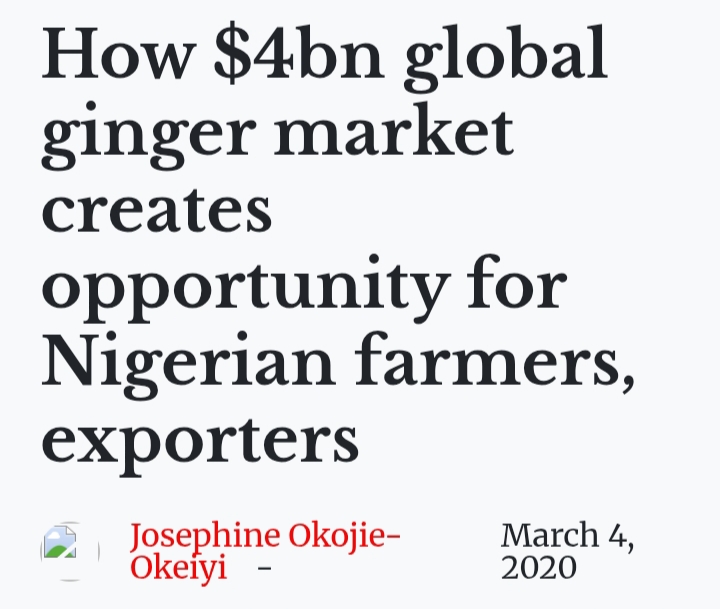
Not financial advise. But if you have the money to invest, this could be a real opportunity. Clean seed systems, storage, and insurance for small farmers are still missing and badly needed. Experts here, I'd love your take on this.
Personally, I also believe one lesson if picked from this is never to put my whole livelihood on one seed, one region, and one growing season with nothing to protect you from the next outbreak.
I still think about that market woman wrapping a handful of ginger like it was something precious. It is now our reality. And it did not have to be this way.
Thank you for the support.
Wishing you a blissful week.