SLC-S32/W3 | Frames of My World : People & Everyday Life.
This is @saniya9
From #Bangladesh
Today I am here to join SLC32/W3 Frames of My World : People & Everyday Life| Today I will present Traditional occupations and local lifestyles of our Madhabdi city.I went here last Monday, June 8. I have come to highlight the very well-known small cottage industry and handicrafts of Bangladesh.So lets get started.
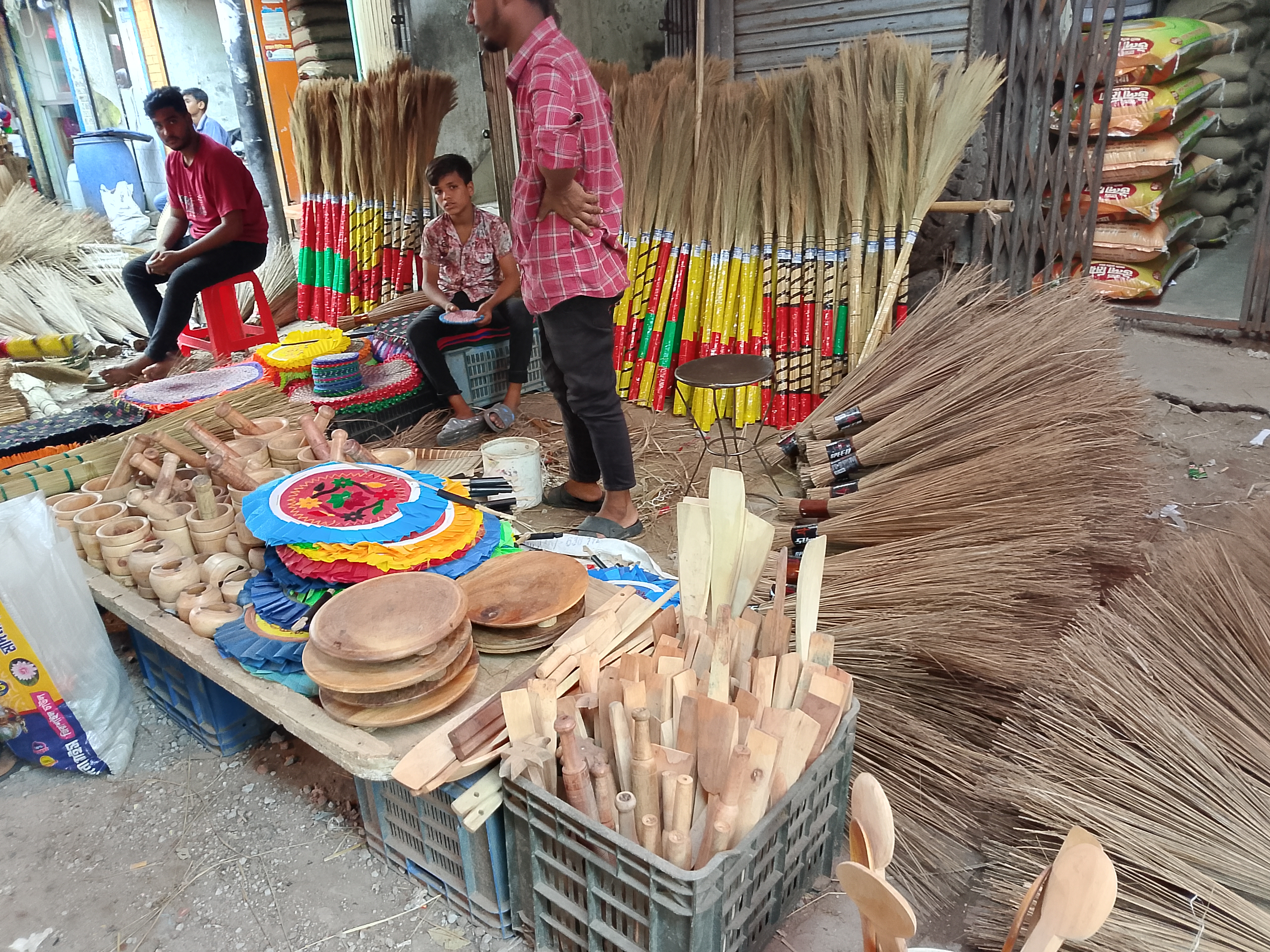

1.Where is this place located? |
|---|
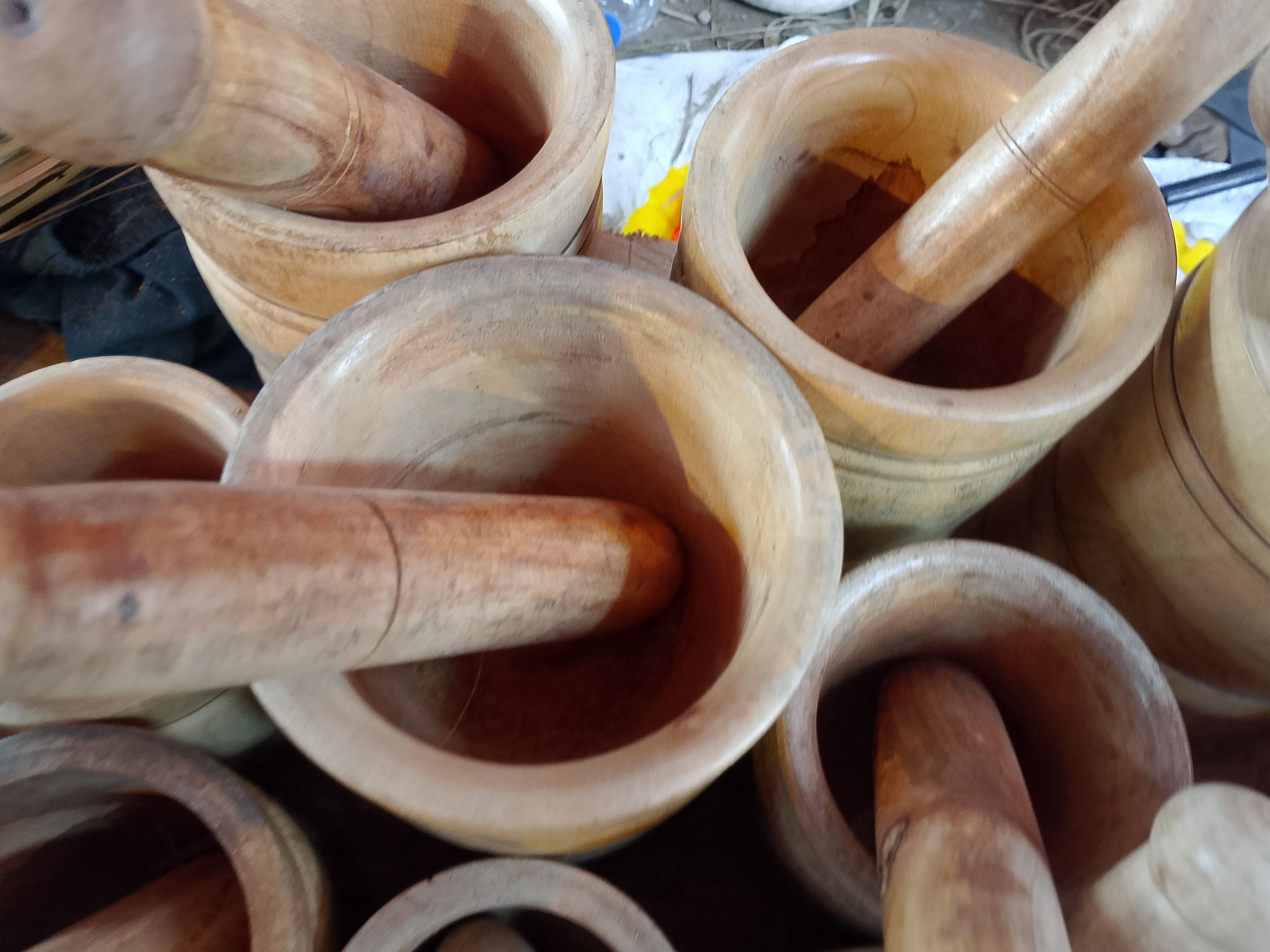
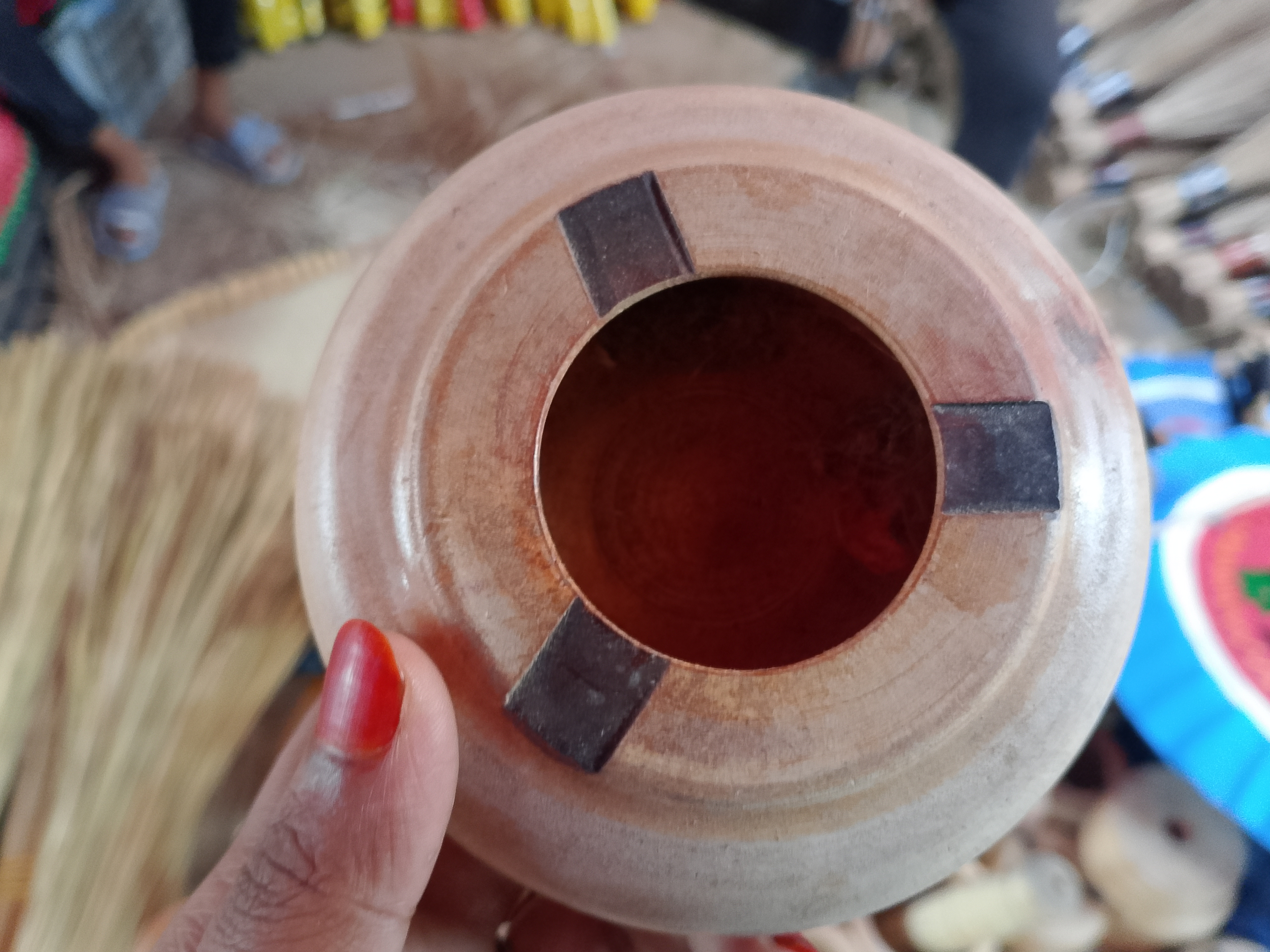
This rural handicraft shop carries memories of our Bangladesh from long ago. The shop is located right next to the bridge in the Gangpara area of our Madhabdi town. We ride a rickshaw there for thirty taka, and we can also use an auto-rickshaw for transportation. These shops set up at the weekly market every Monday, and on that day, many people gather to buy items from this handicraft shop. People walk from far and wide to purchase these goods.Various types of brooms made from flower stalks, grass, and coconut fronds are neatly arranged here. There are also wooden spoons and ladles or pestle and mortar.
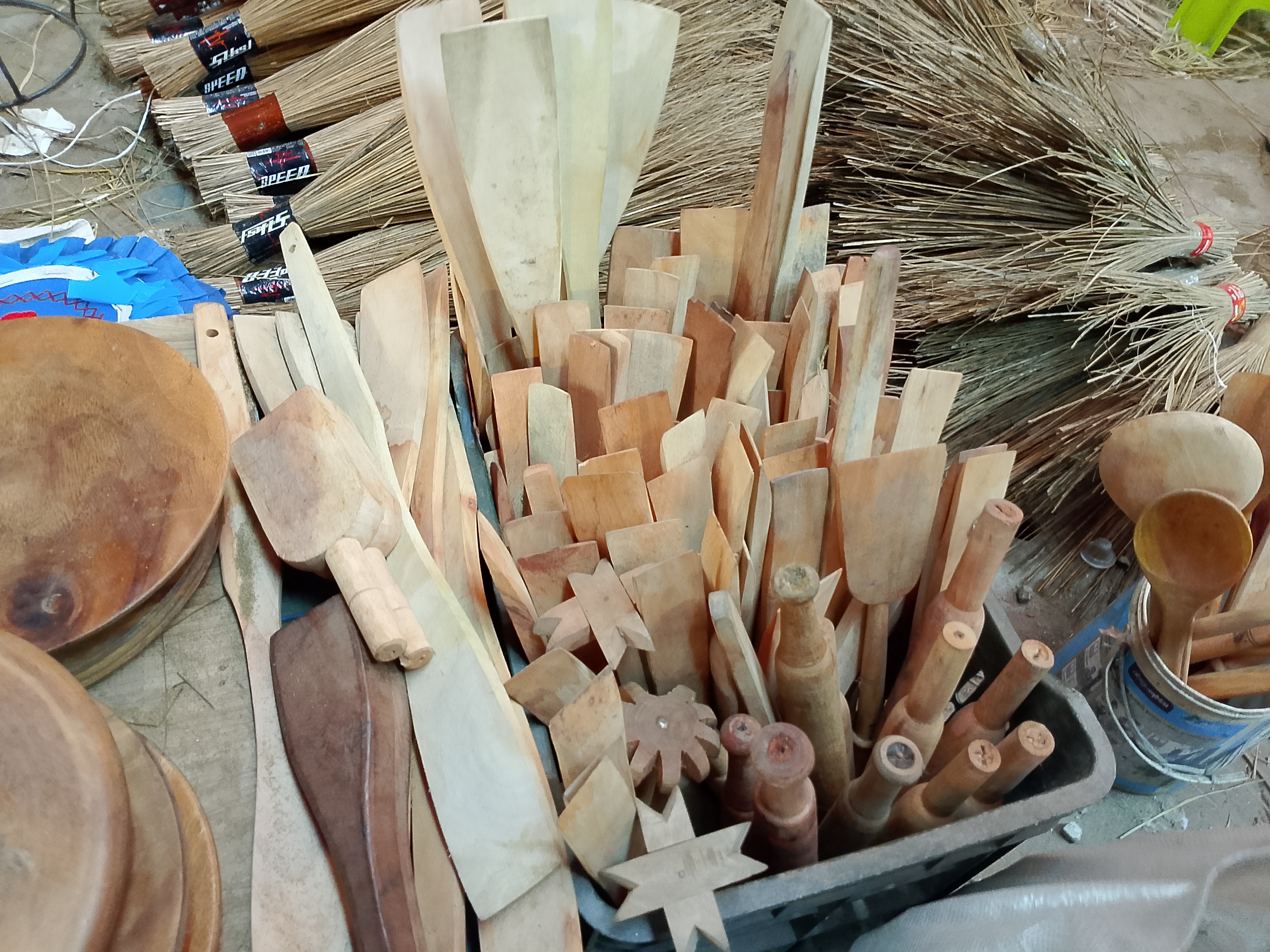
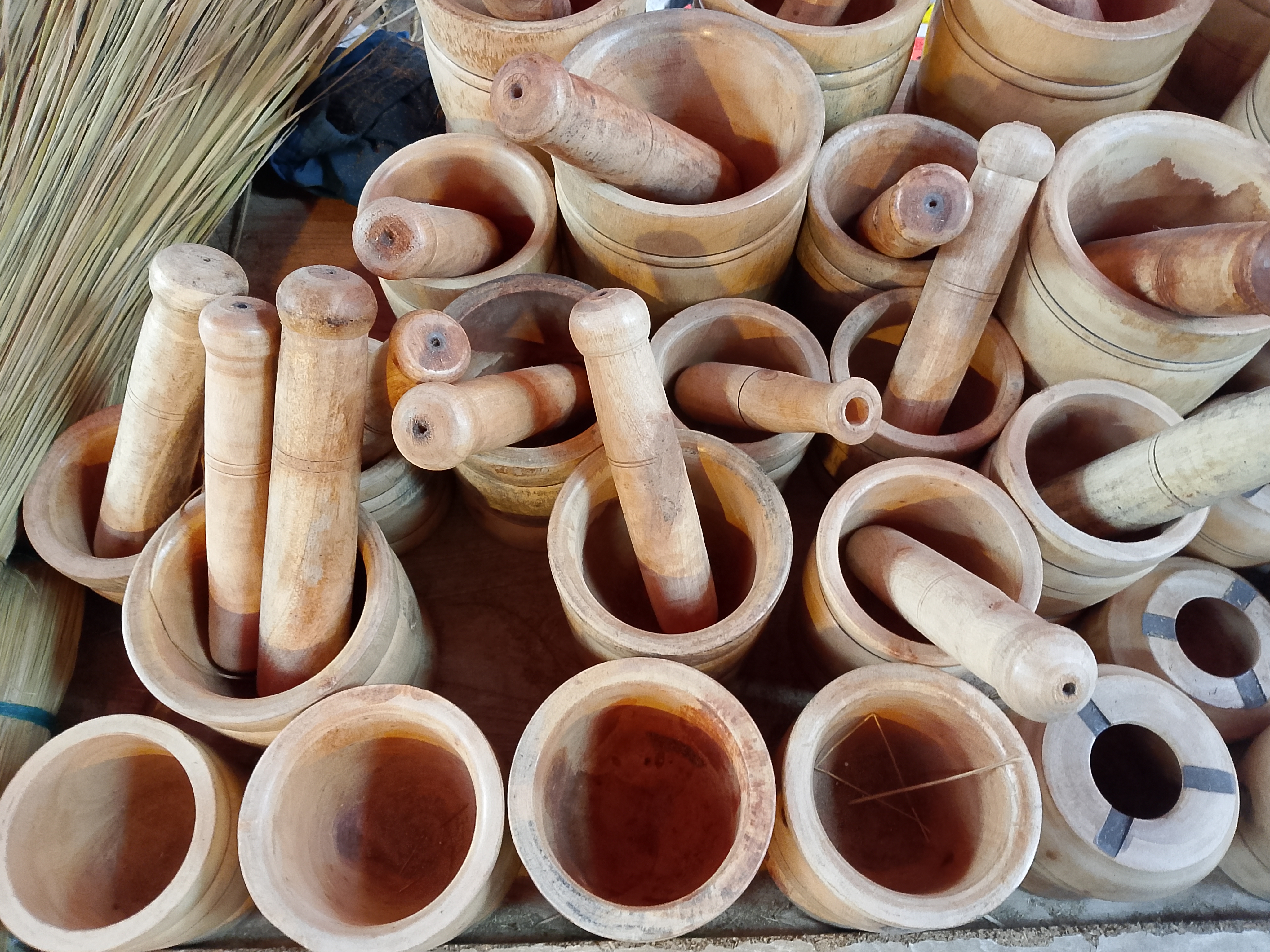
The individuals I have captured on my camera are the buyers here, and many of them were already passing through the streets since this market is held every Monday, resulting in a lot of foot traffic. They are busy with shopping and commuting. The woman and men you see in the picture are buyers; one woman is holding a broom from the store and is possibly checking it out to buy. The man is the seller or employee of this store, standing and observing the customers while waiting to sell the products.
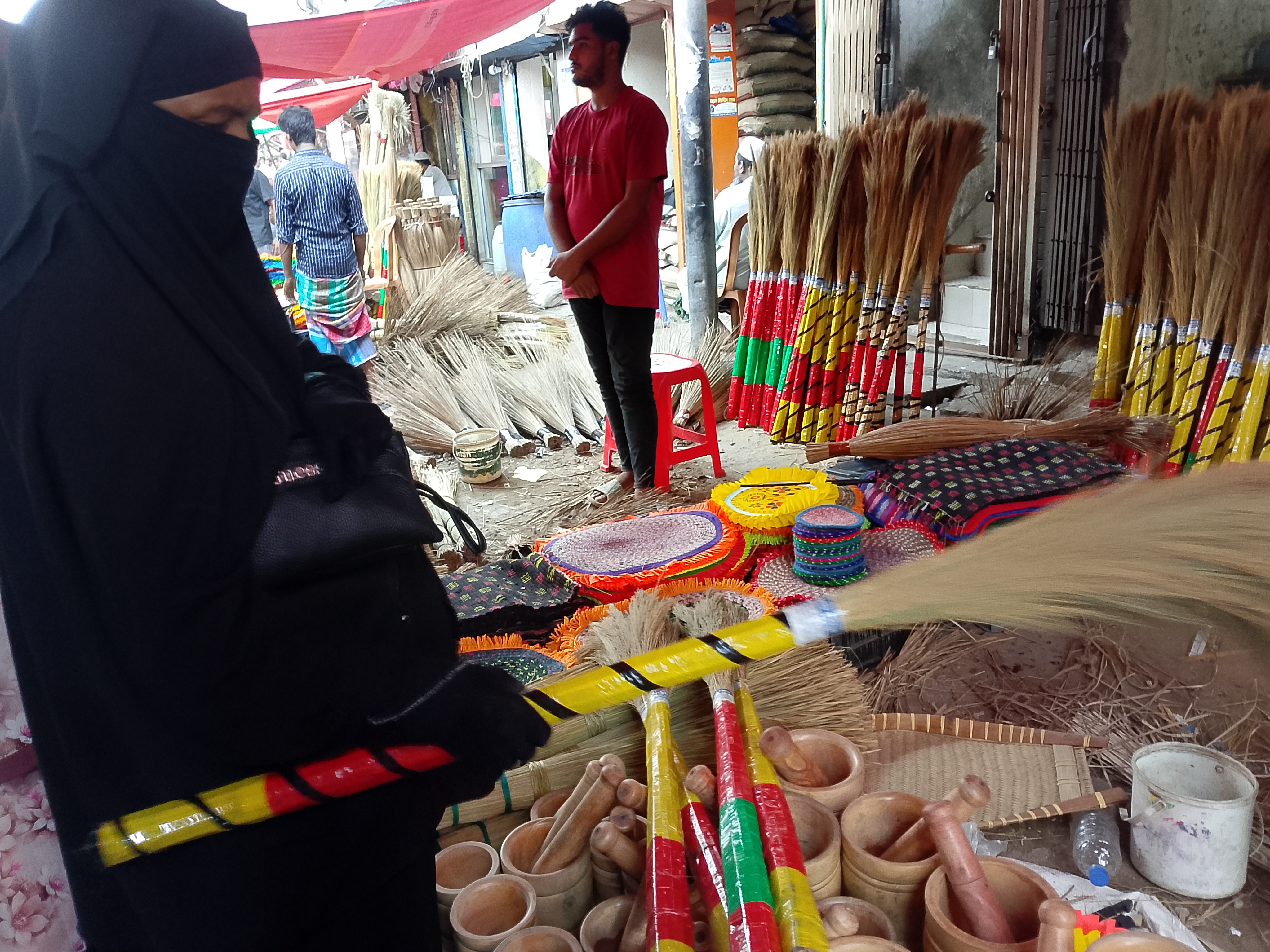
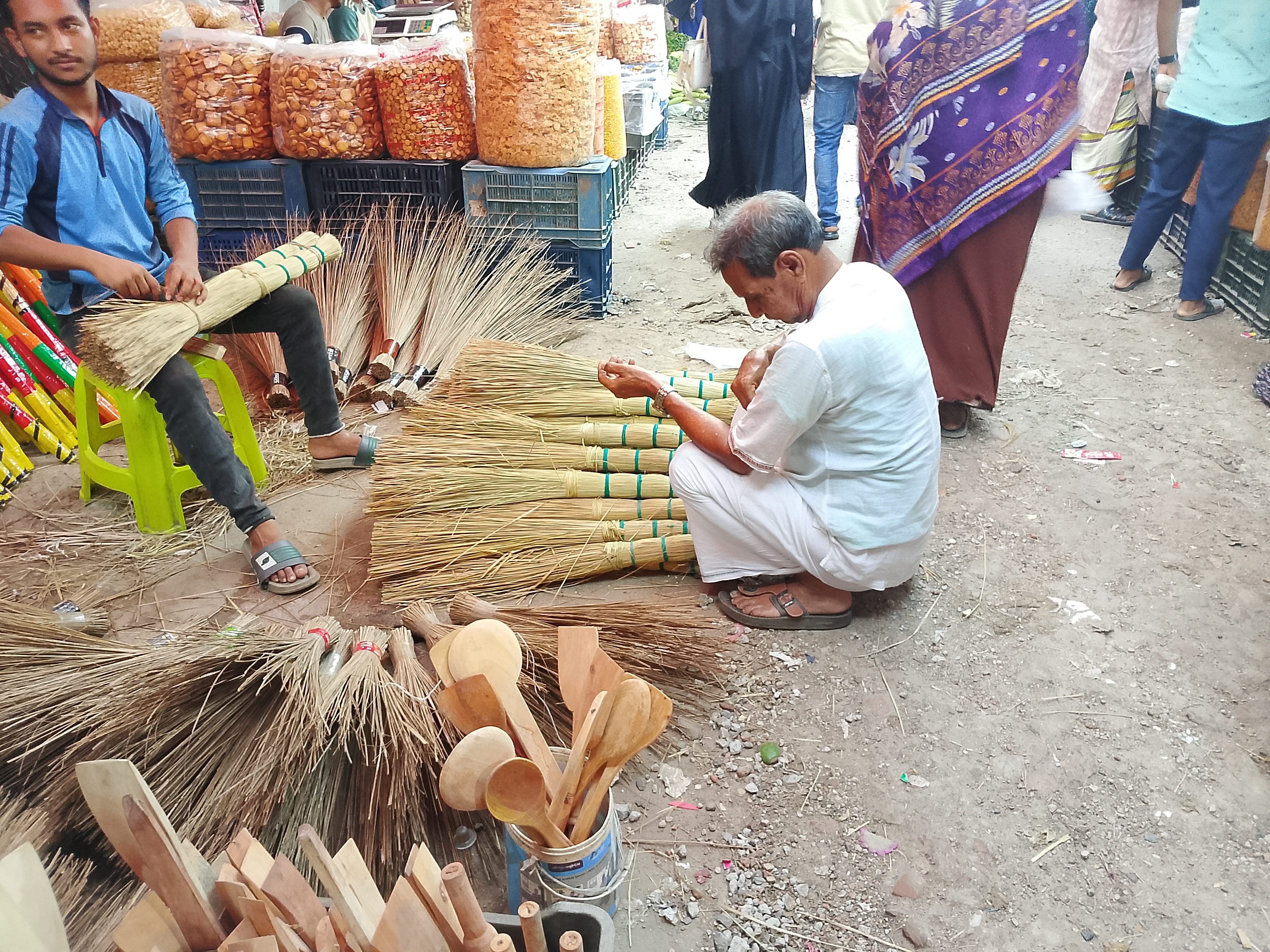
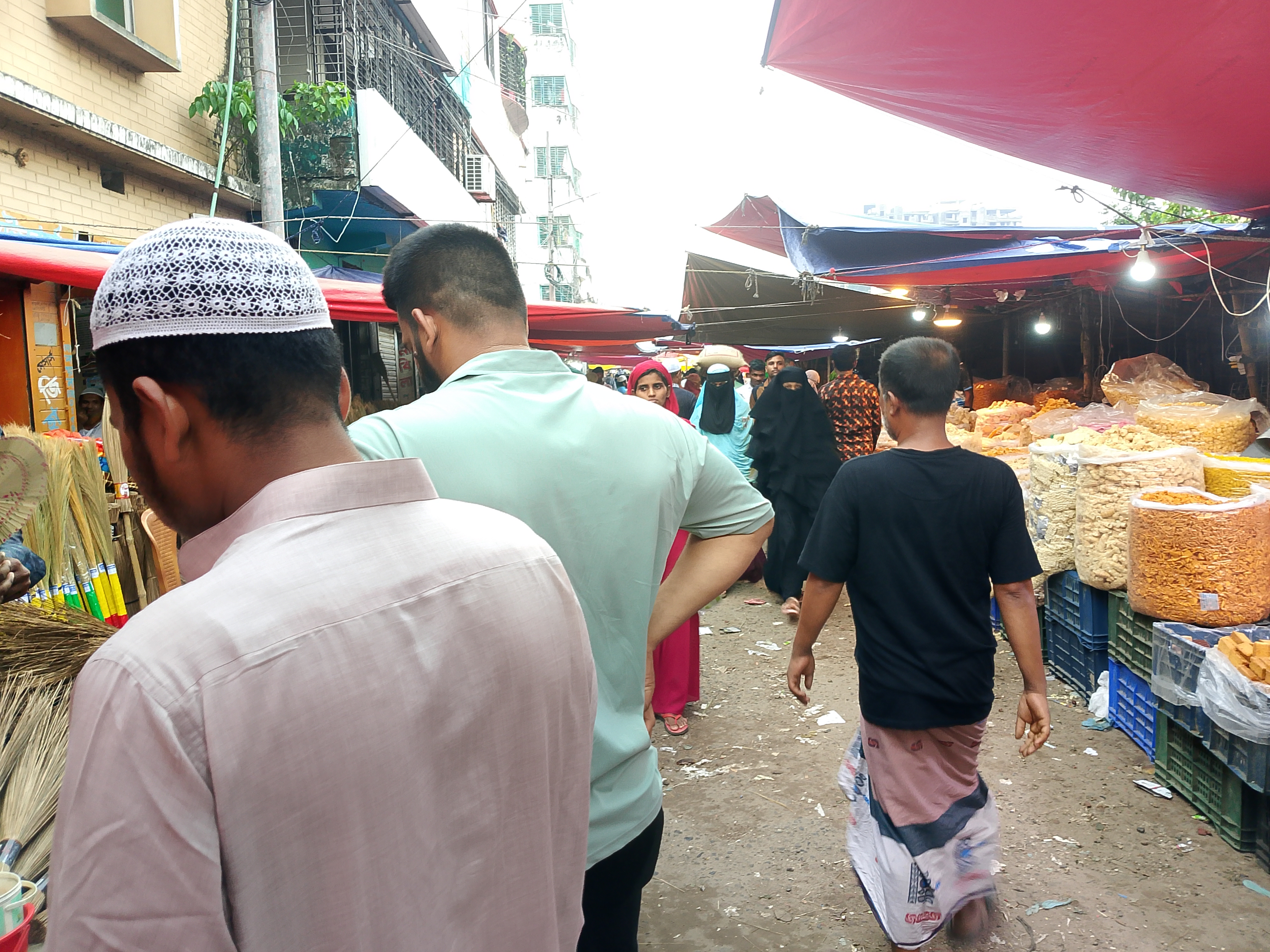
The people engaged in this handcrafted cottage industry play a crucial role in strengthening the local economy and social bonds. They are local entrepreneurs or small business owners. Through product sales, they are creating their own employment. By delivering products produced by local artisans directly to buyers, they maintain the economic vitality of the market. Instead of purchasing plastic or imported goods, buying these traditional products benefits local artisans and workers economically. The regular movement of people and shopping in the market keeps the wheels of the rural economy in motion. The buyer's money goes to the seller, the seller uses that money to buy products from the artisan, and the artisan purchases their raw materials from local farmers. In this way, the flow of money within the entire community is sustained.
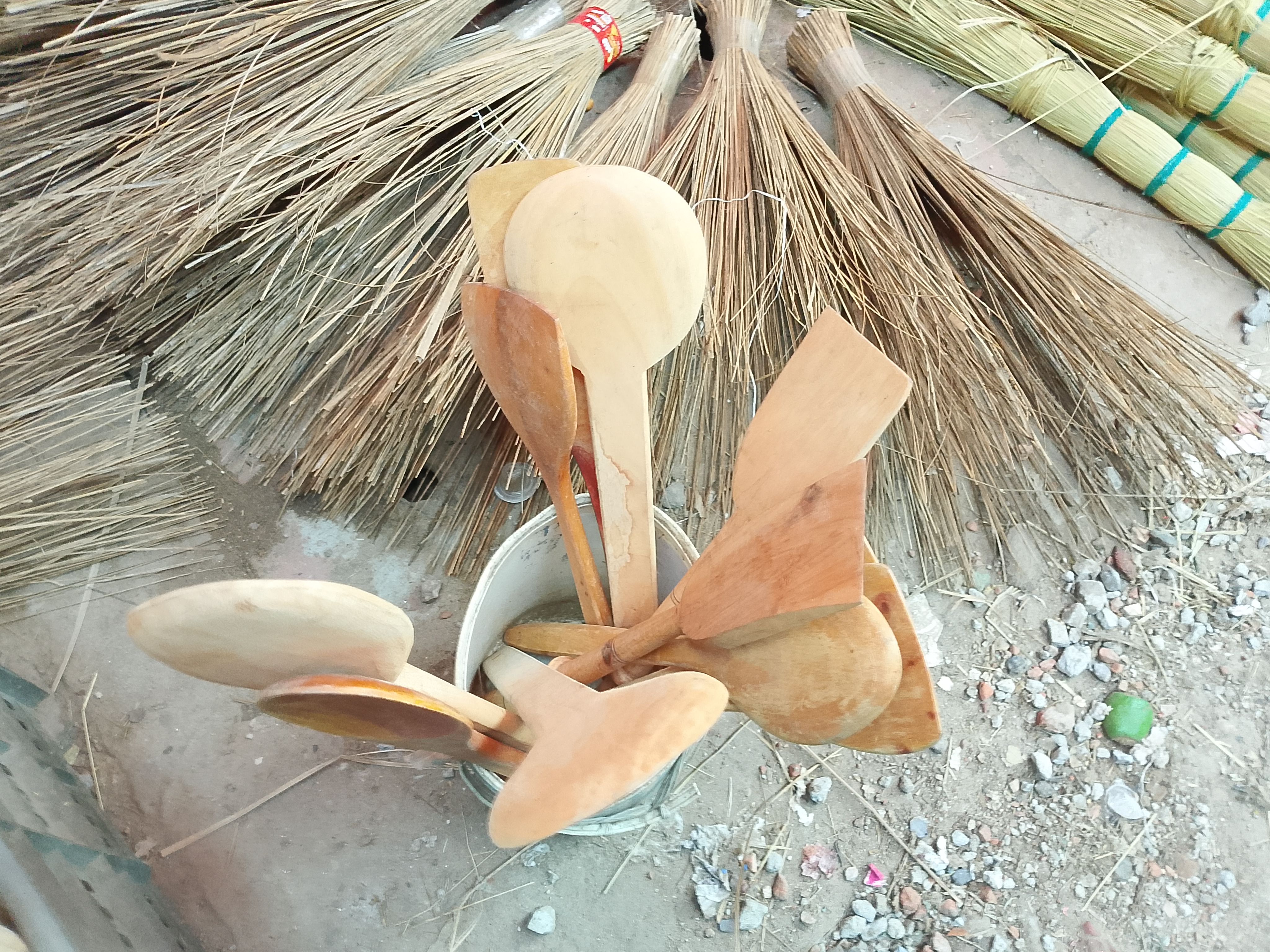
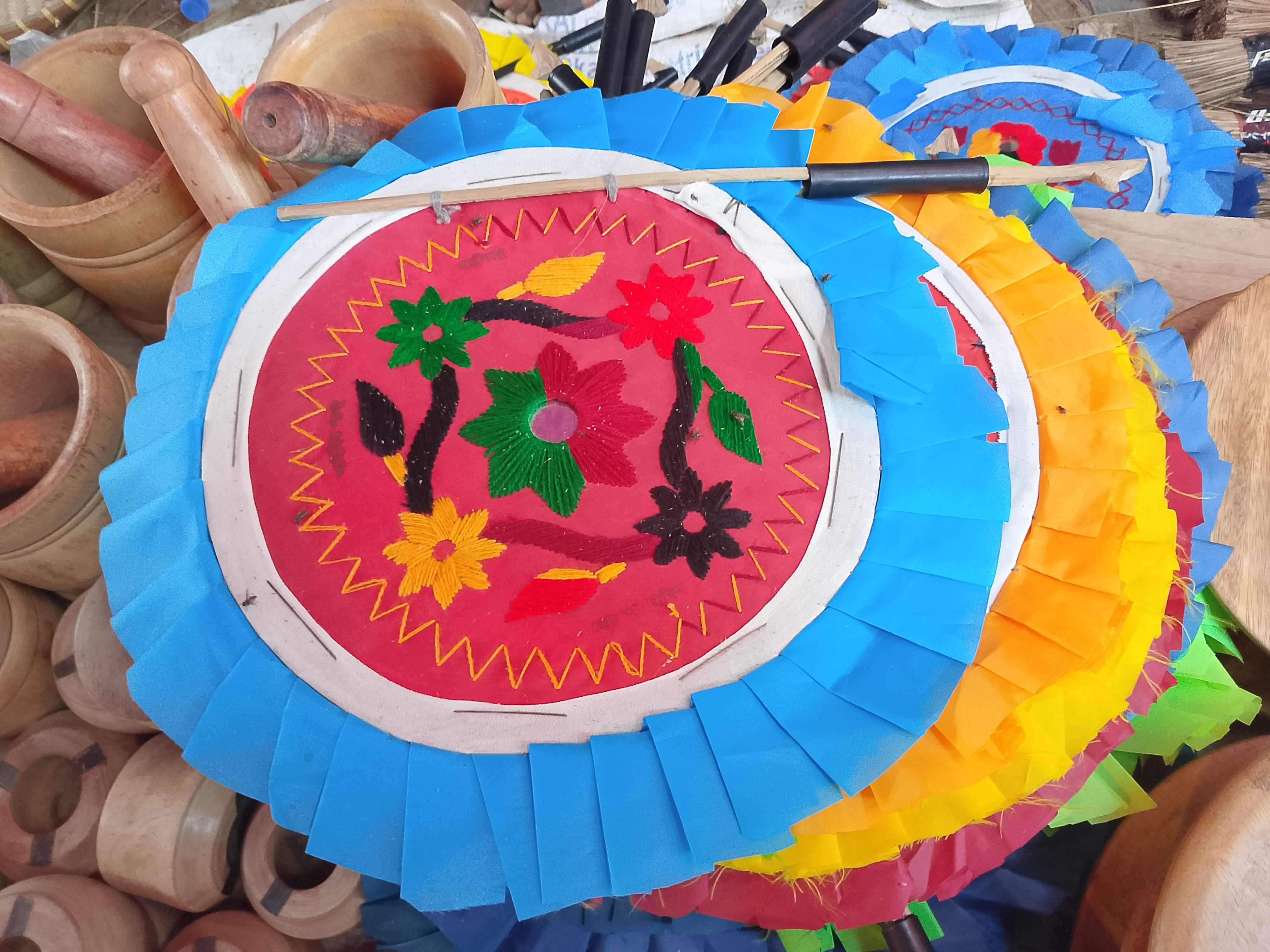
Spending time in such traditional rural or local markets allows one to see and learn a lot. I have roamed around this place for more than 30 minutes and have observed many things, such as the diversity of handicrafts, the gathering of many people, and so on. A vast array of various eco-friendly essential items made from bamboo, wood, jute, and thread can be seen directly. The rural market or haat is the main center of social interaction for rural people. Here, exchanging greetings with one another and witnessing the simple aspects of rural life up close is very common. The culture of bargaining and shopping, the traditional experience of price negotiation between buyers and sellers, and local methods of product verification can all be observed here.
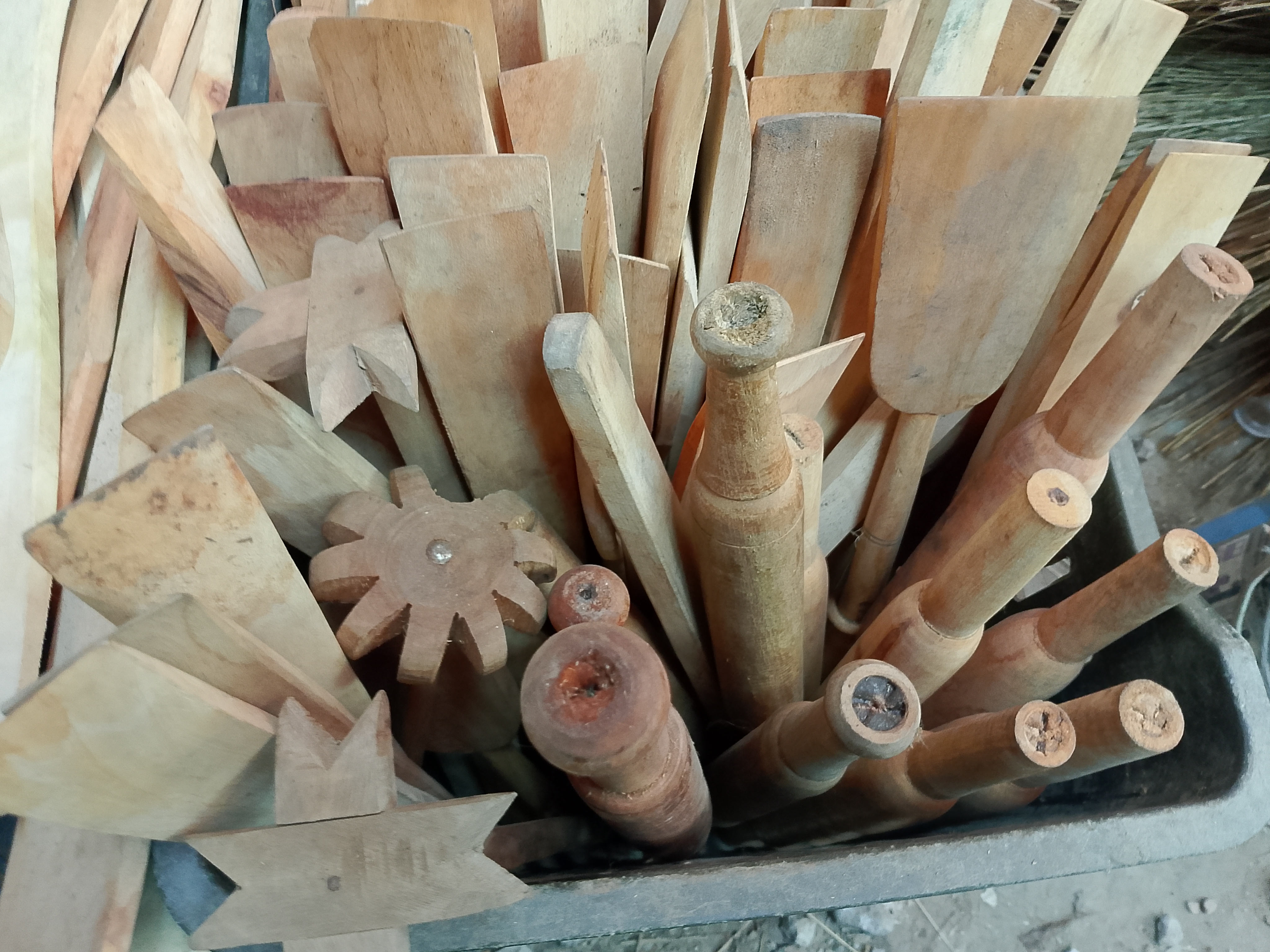
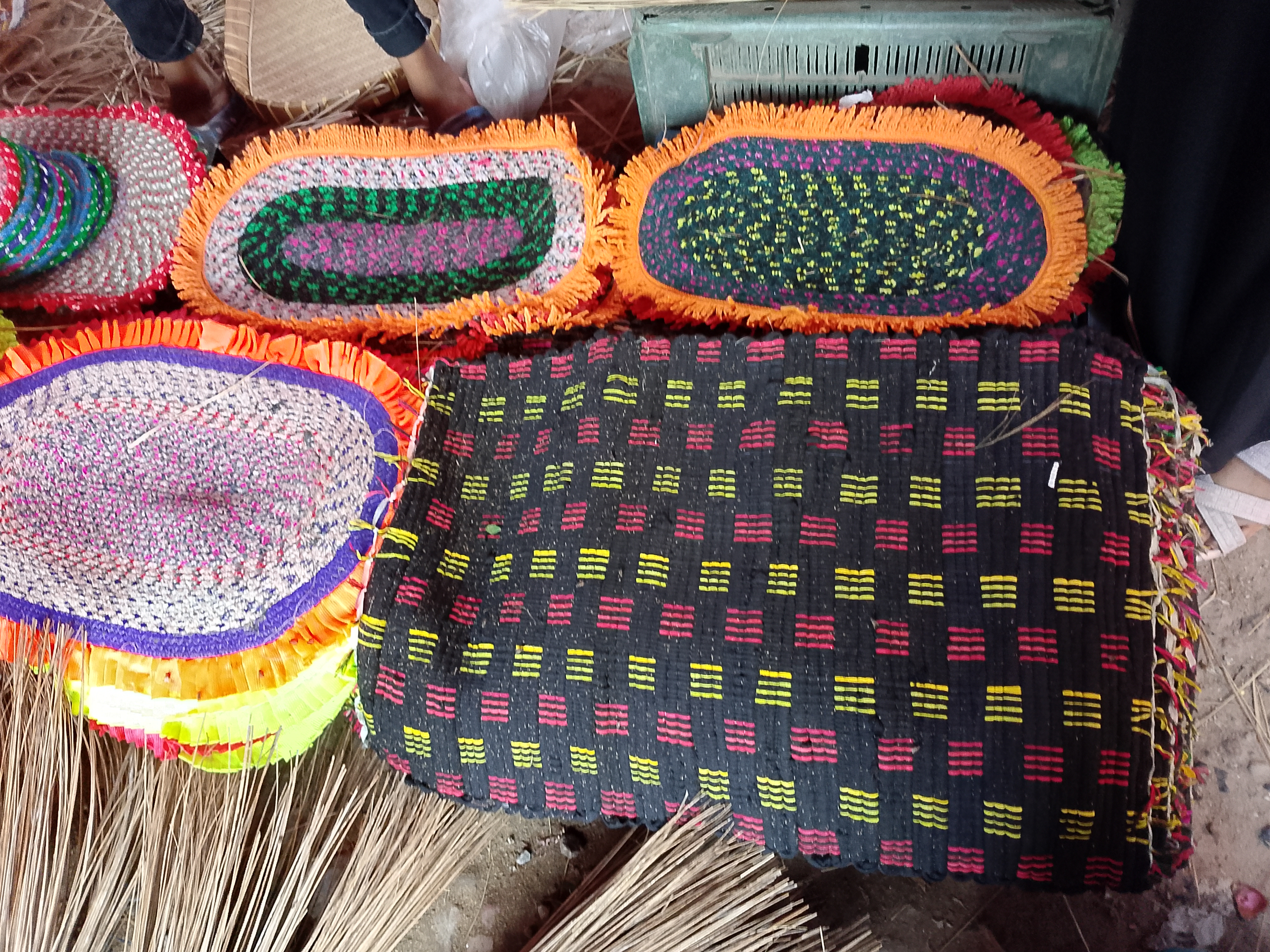
These pictures are very familiar to us, expressing the story and feelings of a simple yet profoundly deep everyday life. From my perspective, the elements that emerge from these images are the beauty and satisfaction of ordinary life. The pictures lack the glitz of a modern shopping mall, but they portray a kind of simple and straightforward way of living. People are choosing very ordinary things like a broom or a wooden pestle with great care and attention. This reminds us that living doesn’t require a lot of flamboyance; within the most basic elements, there lies a kind of peace and satisfaction.
| |
|---|
A Video of today visiting
I made a complete effort to beautifully capture everything in the road and shop in the video, but there were very crowd customers in the shop at that time, so I was filming carefully to ensure their service was not disrupted. In the end, I am very happy to participate in this wonderful real-life experience.
 | |
|---|
| Type of Place | Handicraft Shop |
|---|---|
| Device📱 | RealmeC63 |
| Photographer 📸 | me @saniya9 |
| Location ⛳ | Madhabdi,Dhaka,Bangladesh |
| Steem Atlas Pin | [//]:# (!steematlas 23.8518125 lat 90.6738125 long Street local Handicraft Shop d3scr) |
| Google map | https://maps.app.goo.gl/LUJmxStjsur8tHD2A |
| Google Plus Code | https://plus.codes/7MMGVM2F+PG |
| Google Co-ordinate | 23.8518125, 90.6738125 |
| |
|---|
I have set 10% beneficiary to @steem-atlas for supporting this project. |
|---|
🥰@saniya9 🥰
🏆 Evaluation: SLC-S32/W3 | Frames of My World : People & Everyday Life
📊 Score Breakdown
I really enjoyed reading your post. You beautifully presented some of the handicrafts from your area and described the place in a clear and engaging way. Your explanation made the post interesting and easy to understand. The photos you shared were wonderful and helped highlight the beauty and uniqueness of the handicrafts.
However, I think it would have been even better if you had included a selfie in your post. A selfie helps create a more personal connection with readers and makes the experience feel more authentic. I hope you will keep this in mind for your future posts.
You used Steem Atlas correctly and shared your experience in an engaging way. I enjoyed your storytelling style and the overall quality of your presentation. Keep up the good work and continue sharing your creative experiences with us.
Best of luck in the contest.
Thank you for your advise.I took a selfie,but I didn’t find rules in your challaenge that I have to give my picture.That's why i didn’t upload my selfie.
It's not mandatory for the contest, you can add if you wants.
Thank you for posting this on Steem Atlas.
To help improve your posts on Steem Atlas, and increase your chances of winning in the Atlas Challenge, check out these 21 Tips.
Thank you for setting a beneficiary to @steem-atlas, it will help the project grow.