My trip to Edirne - a place where history feels alive at every corner (a photo story )
Dear friends,
I’d like to share with you my recent trip to the beautiful city of Edirne in Türkiye — yes, the country is now officially called Türkiye, not Turkey.
Edirne is a place where history feels alive at every corner. It once served as the capital of the Ottoman Empire for about 84 years (from 1369 to 1453), before Constantinople took its place. But the story of the city goes even further back.
Originally known as Adrianopolis, it was founded and named after the Roman Emperor Hadrian. Before that, the area was inhabited by ancient Thracian tribes, making it a true crossroads of civilizations. Over the centuries, it became an important center during the Byzantine Empire and later flourished under Ottoman rule.
Walking through Edirne today feels like stepping into layers of history — Roman foundations, Byzantine heritage, and magnificent Ottoman architecture all blending into one unique atmosphere.
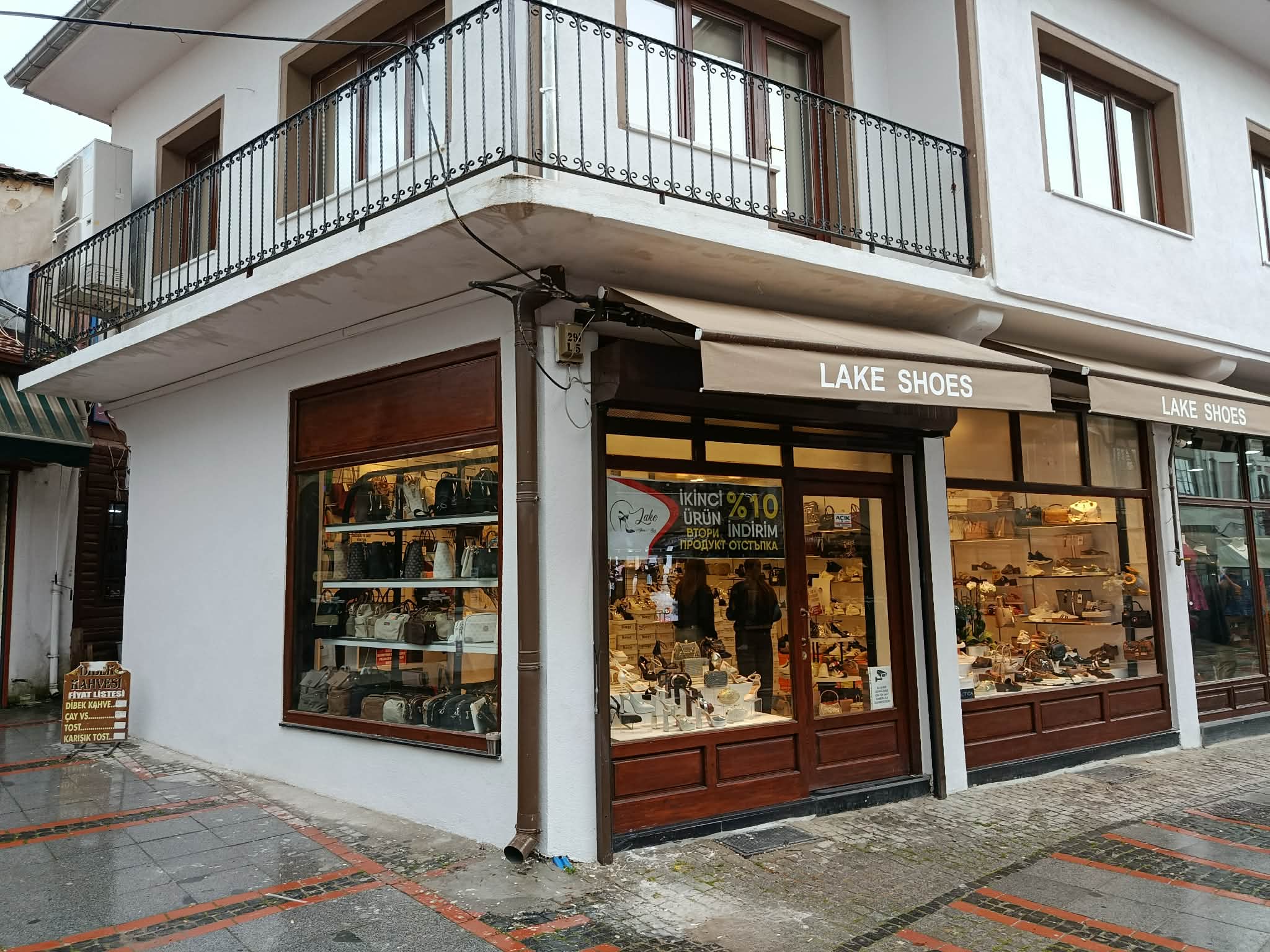
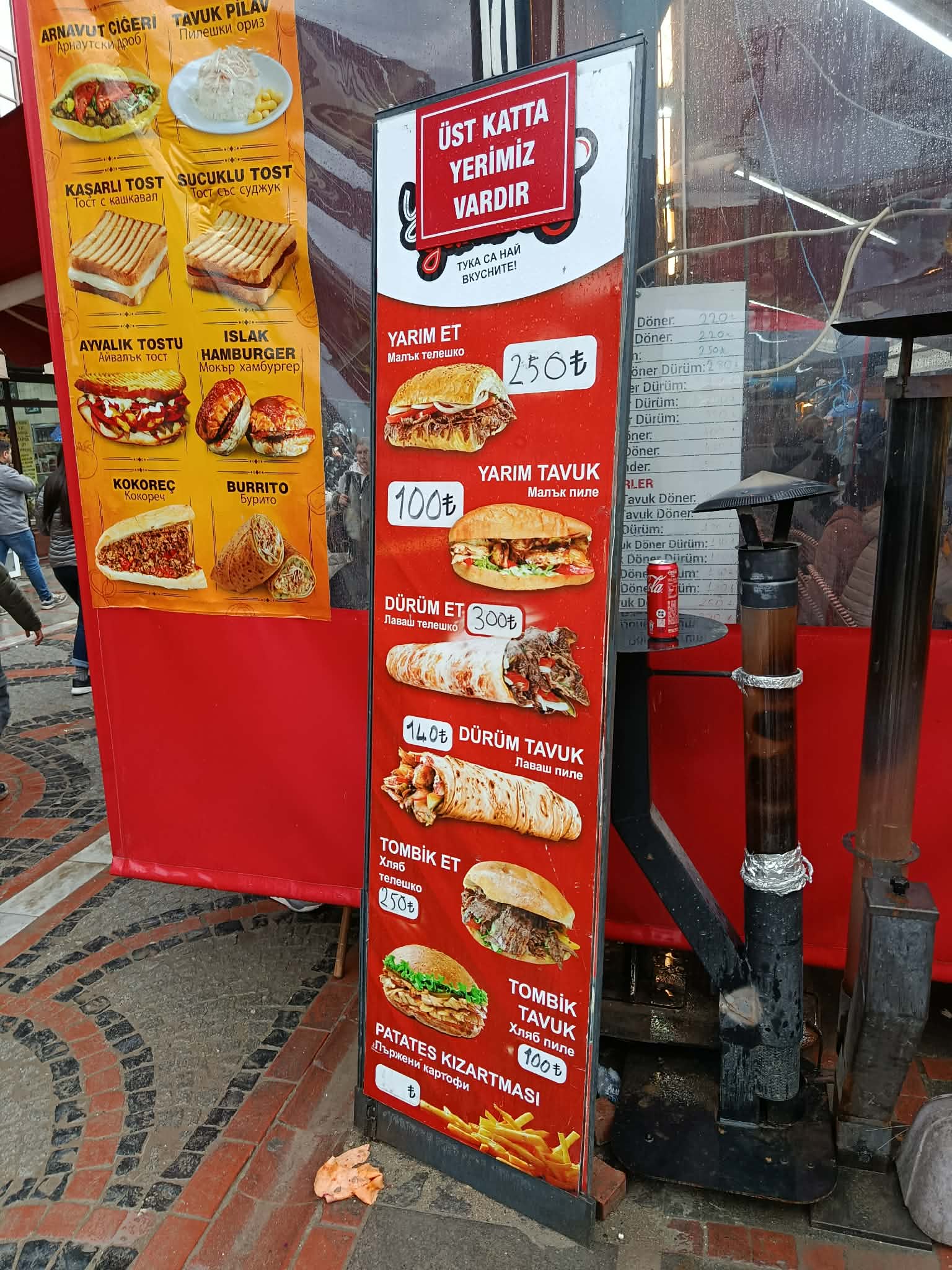
The city lies very close to the border with my native Bulgaria — in fact, it takes less than an hour to get there, which makes it a perfect short escape. What surprised me the most was how familiar everything felt. Many people in Edirne speak Bulgarian, and quite a few goods in the local markets even have prices written in Bulgarian. It gave me the comforting feeling of being almost at home, yet somewhere different at the same time.
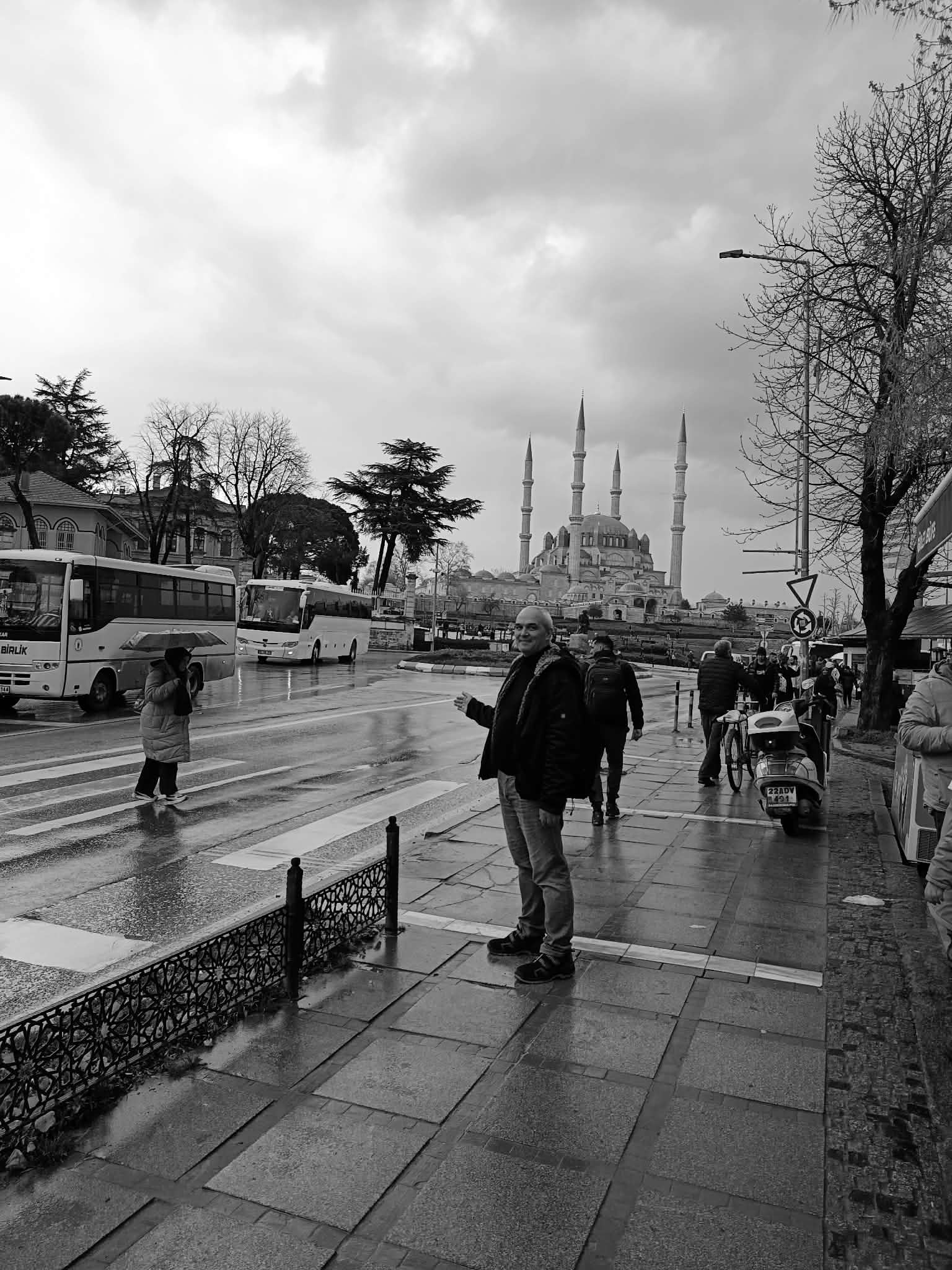
Walking through Edirne is like stepping into a living museum where Ottoman grandeur meets modern civic pride. The city has a way of balancing its heavy, storied history with a very human, approachable touch.
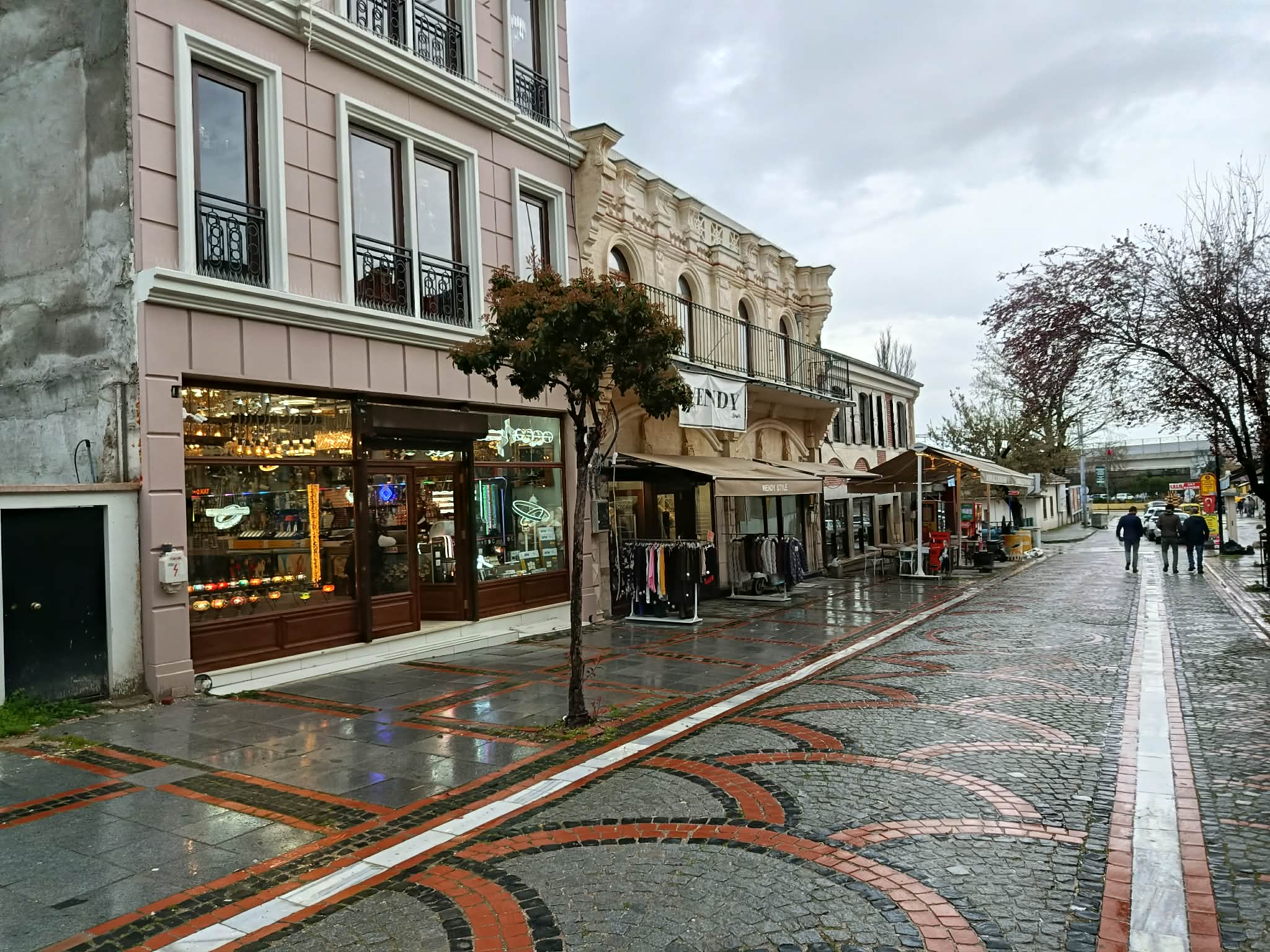
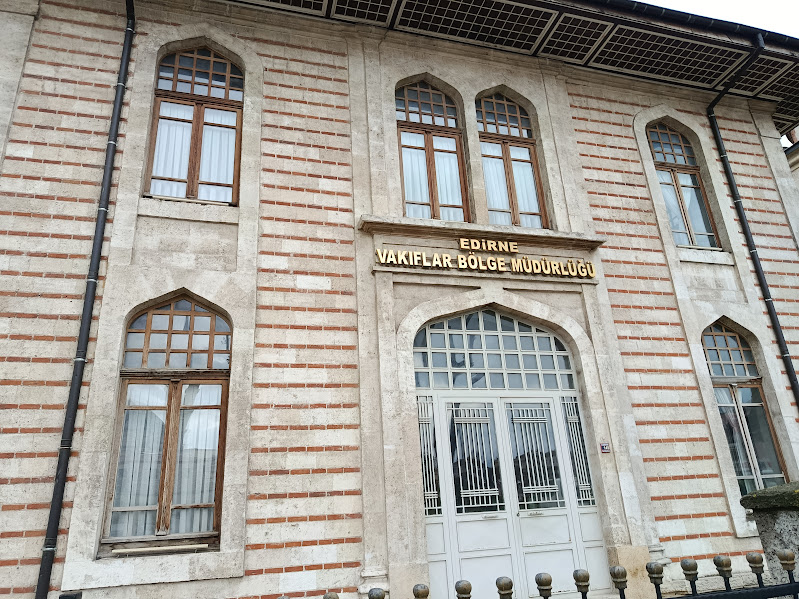
The first stop on your stroll takes us to the Edirne Regional Directorate of Foundations (Edirne Vakıflar Bölge Müdürlüğü). This building is a beautiful example of early 20th-century Turkish architecture. Look at the rhythmic pattern of the "alternating wall" technique—those horizontal layers of pale stone and warm red brick. The pointed arches (sivri kemer) above the windows and the wide, wooden-latticed eaves are classic hallmarks of the National Architecture Movement. It’s a building that looks sturdy and authoritative, yet the craftsmanship gives it a delicate, textured feel that catches the light perfectly.
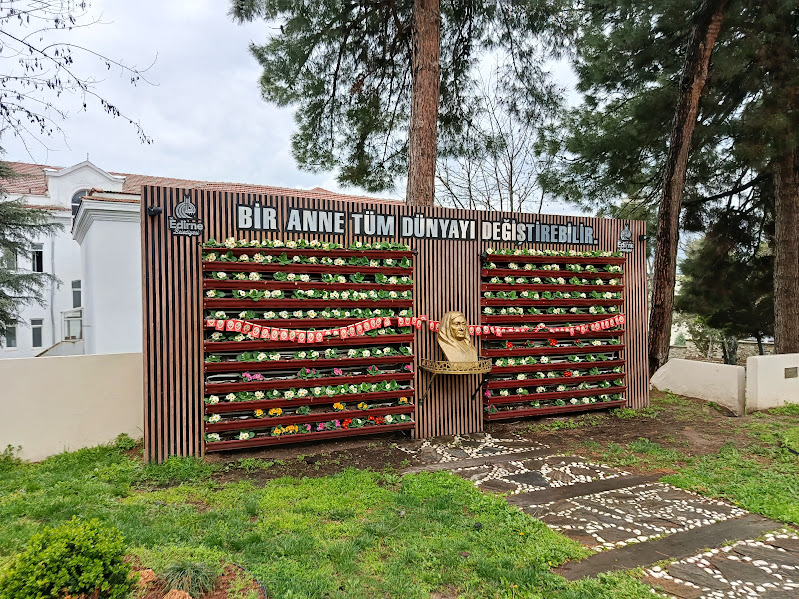
Continuing the walk, you’ll find a more intimate and modern tribute: a monument dedicated to Zübeyde Hanım, the mother of Mustafa Kemal Atatürk. Set against a backdrop of dark wooden slats and rows of vibrant primroses, the golden bust stands beneath the moving inscription: “Bir anne tüm dünyayı değiştirebilir” ("A mother can change the whole world"). It’s a lovely, quiet spot that reflects Edirne’s deep respect for its heritage and the figures who shaped the nation. The contrast between the historic stone of the government buildings and this lush, flower-filled memorial makes for a very evocative afternoon walk.
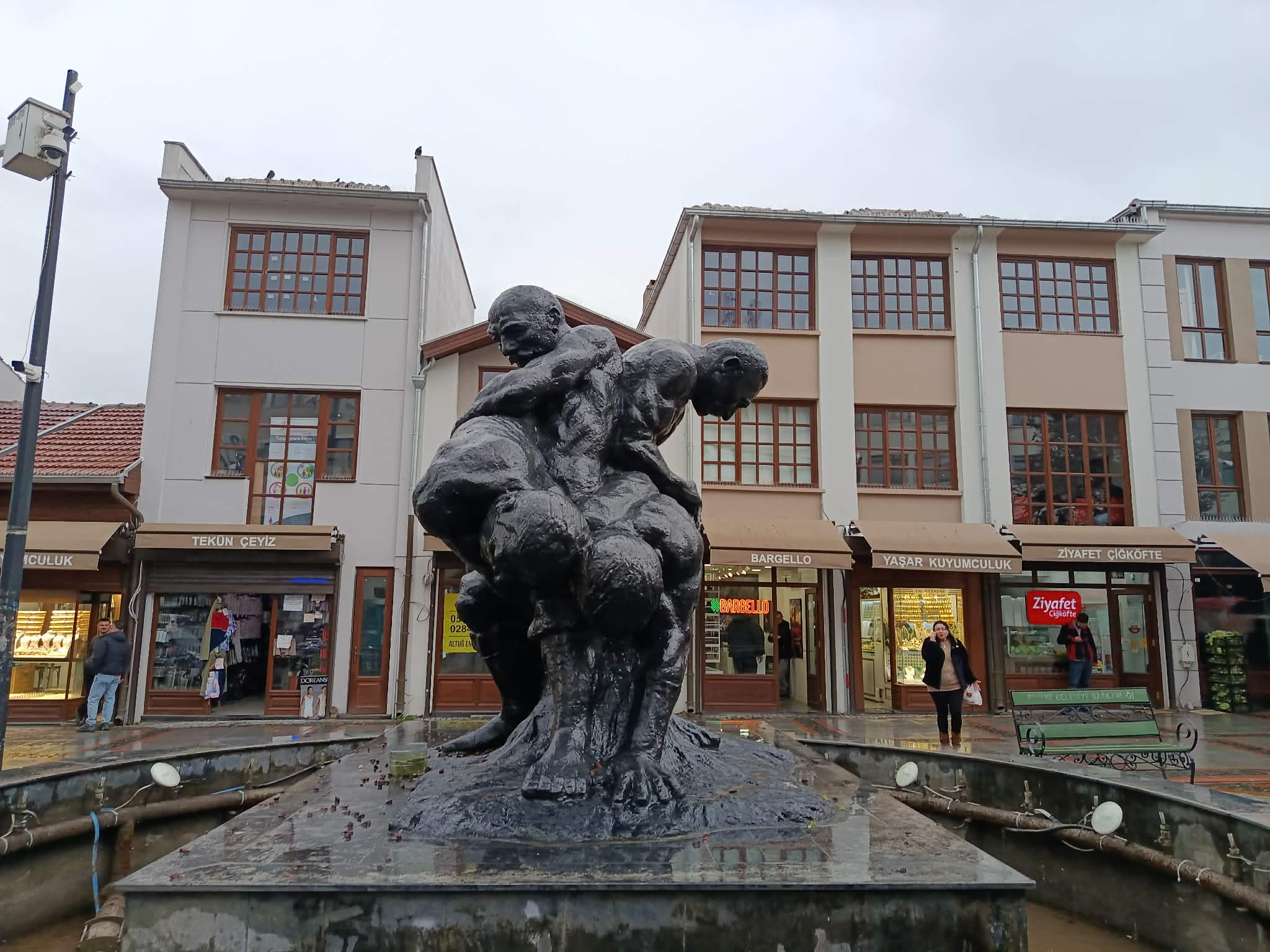
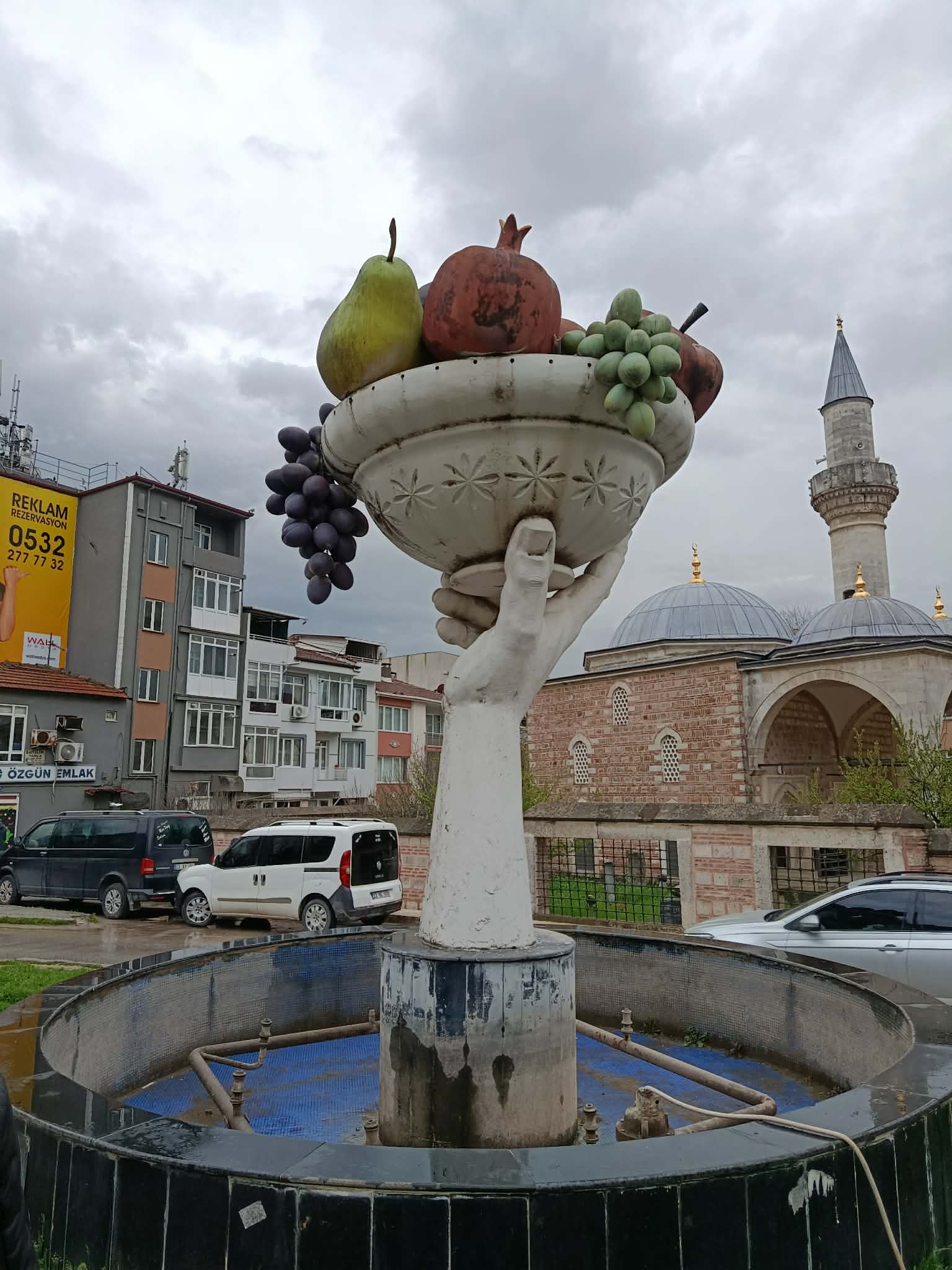
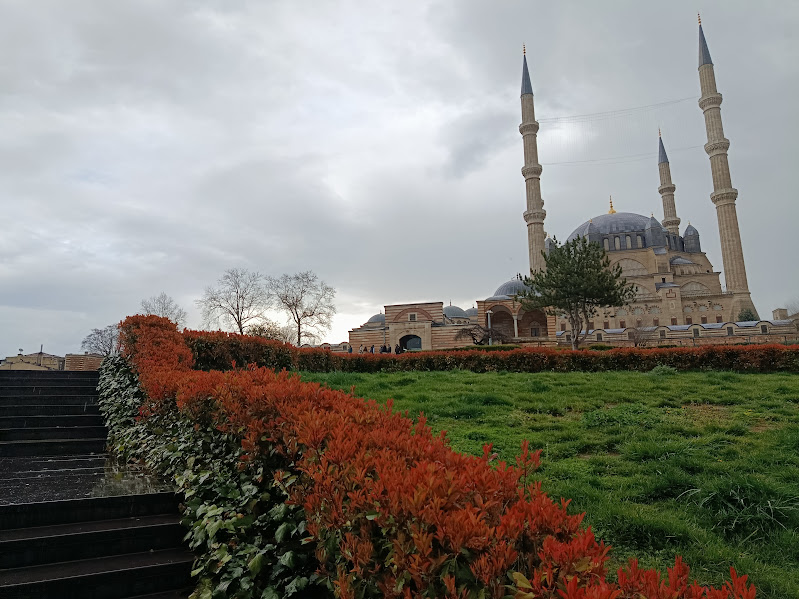
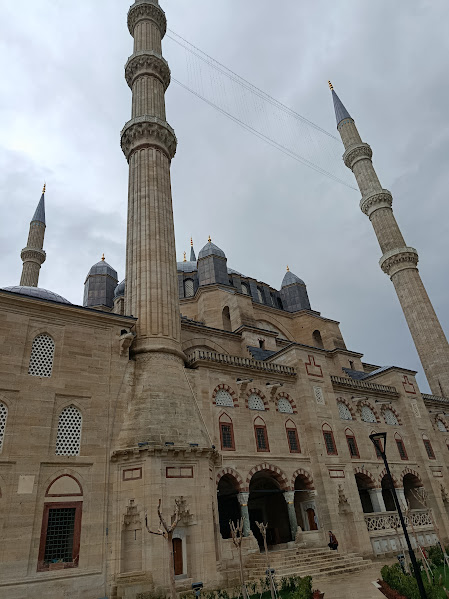
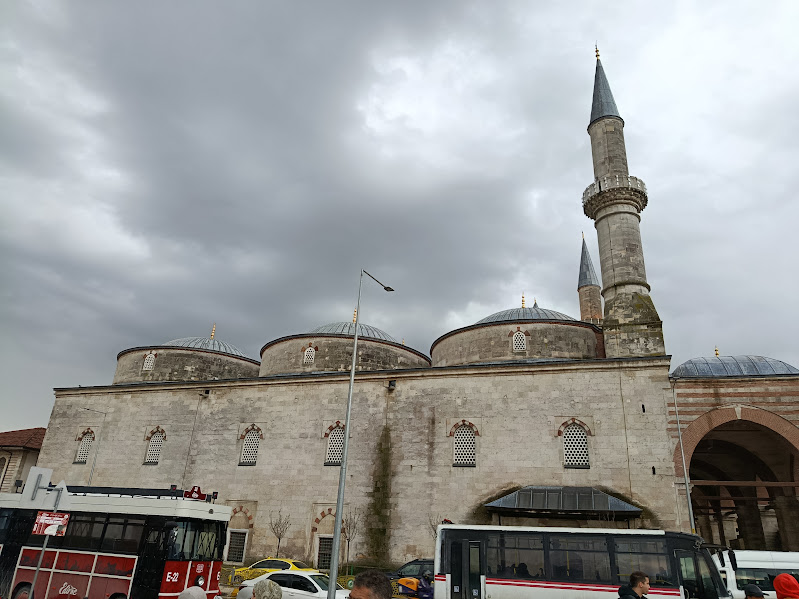
Edirne’s skyline is a breathtaking silhouette of history, defined by the soaring minarets and lead-covered domes of its many monumental mosques. As you walk through the city center, you encounter masterpieces like the Old Mosque (Eski Camii), known for its massive calligraphy, and the Üç Şerefeli Mosque, which pioneered the grand open spaces typical of later Ottoman design. These structures serve as a stone chronicle of the empire's architectural evolution, each one telling a story of faith and imperial power.
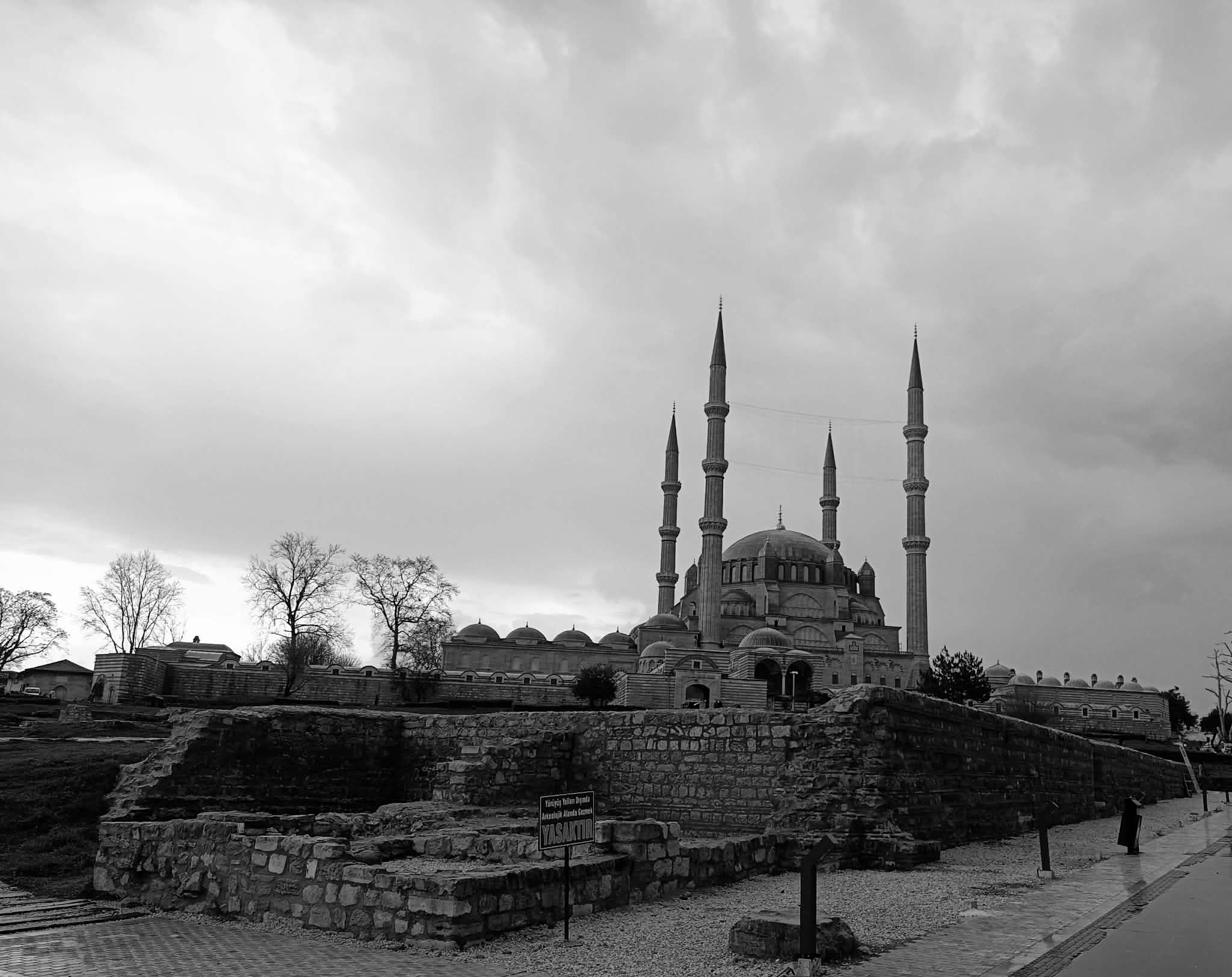
The undisputed crown jewel of this skyline, however, is the Selimiye Mosque, which Mimar Sinan considered his "masterpiece." Even from the archaeological site of the Yemiş Kapanı Han—the old fruit market ruins shown in your photos—you can see how the mosque dominates the horizon with its four slender, elegant minarets. Sinan achieved the impossible here, resting a massive, 31-meter dome on just eight pillars to create an interior so vast and flooded with light that it feels almost celestial. Listed as a UNESCO World Heritage site, it remains a pinnacle of Islamic architecture, representing a perfect harmony of engineering and art that has stood firm through centuries of history.
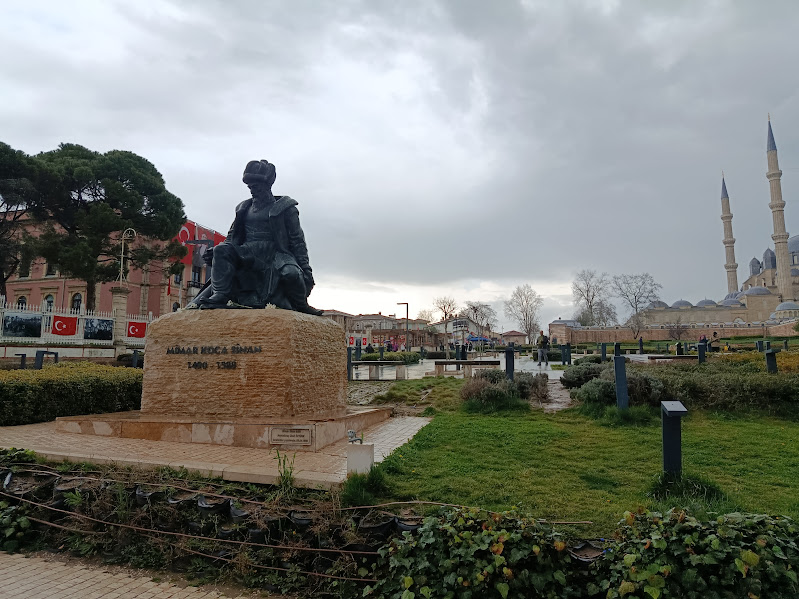
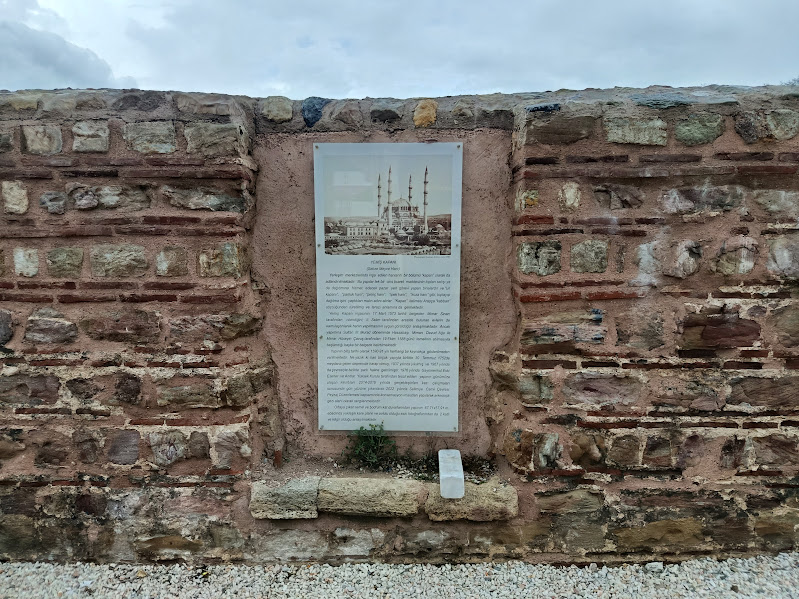
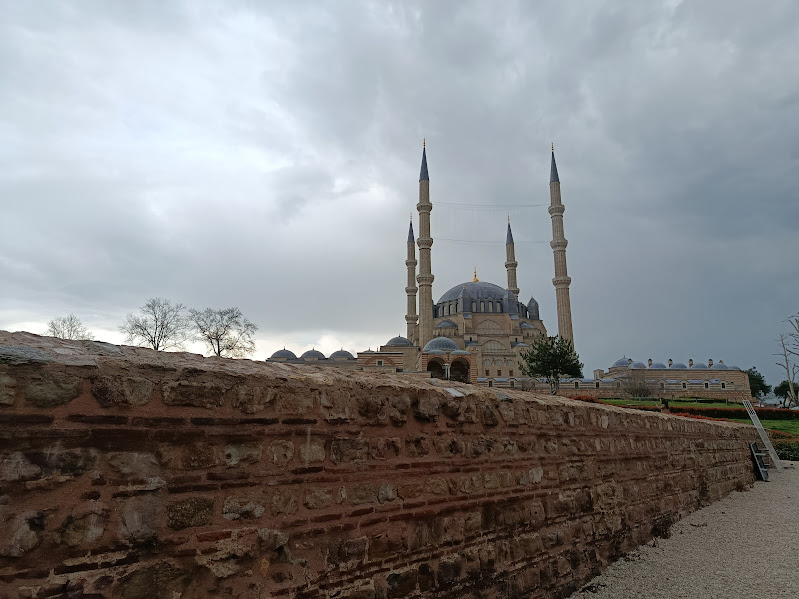
It’s fascinating to see the mosque from the perspective of the old marketplace; it really shows how the grand and the everyday were woven together in Ottoman Edirne.
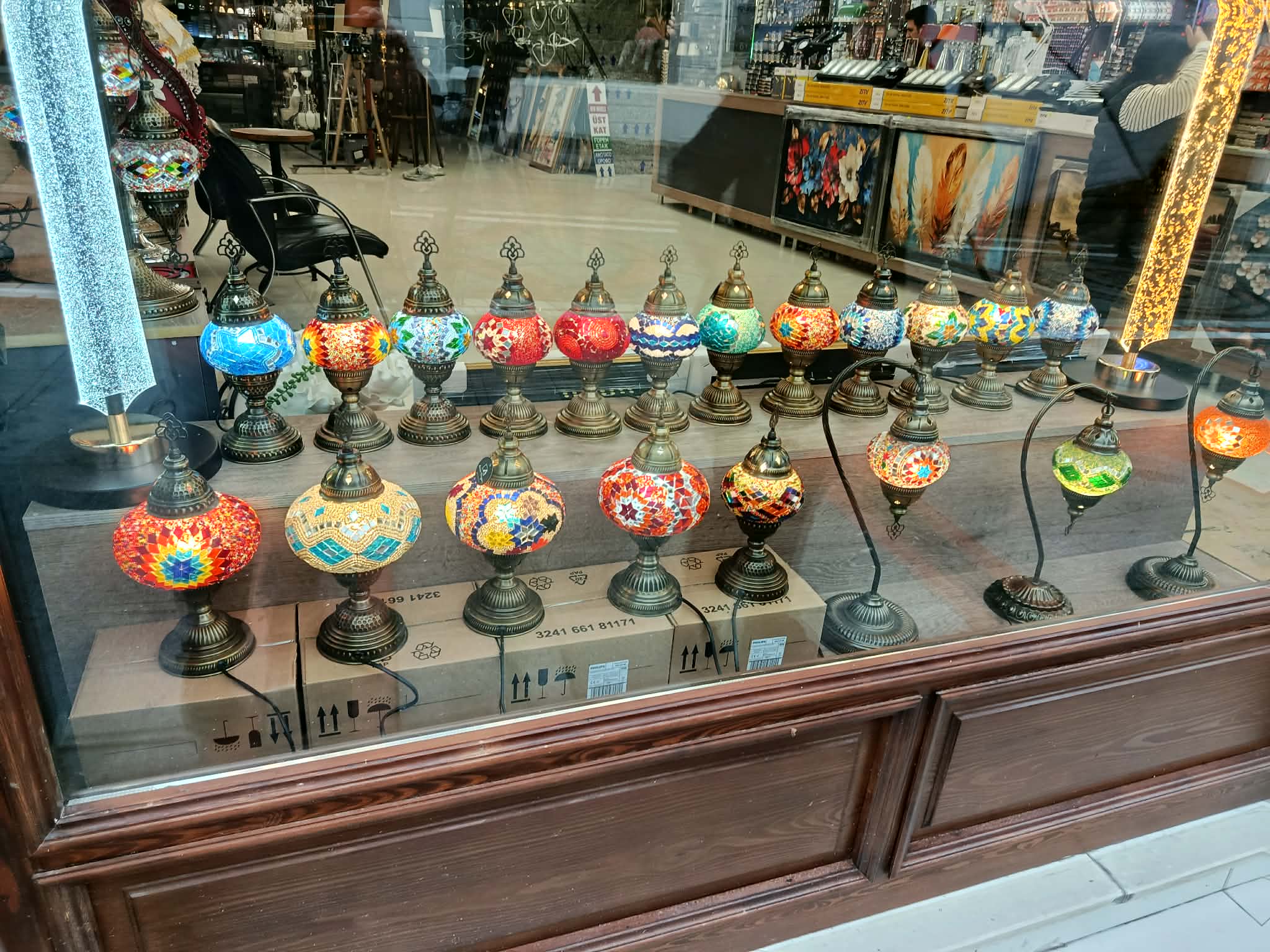
Beneath the grand shadows of the Selimiye Mosque lies the Arasta Bazaar, a bustling underground market that has served travelers and locals alike for centuries. Stepping inside, the air is thick with the scent of spices and the warm glow of hundreds of mosaic lamps hanging from the vaulted ceilings.
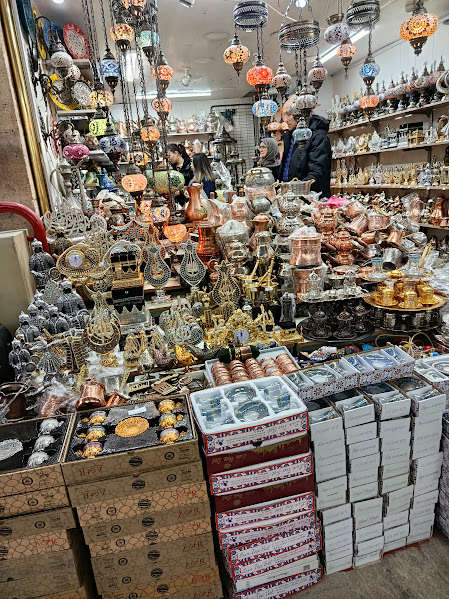
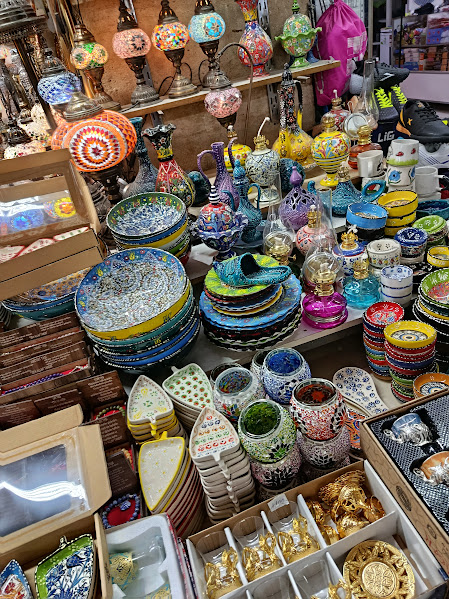
The shop stalls are a treasure trove of Turkish craftsmanship, overflowing with intricate copper tea sets, polished silver ornaments, and vibrant ceramics that reflect the city's artistic soul. It’s a sensory feast where the clink of metalwork and the quiet chatter of shopkeepers create a lively, rhythmic hum. No visit to the bazaar is complete without spotting the famous fruit-shaped soaps of Edirne, a local specialty that adds a splash of color and a sweet fragrance to the historic stone corridors.
One of the absolute highlights of my visit was trying the famous local specialty known as ciğer — a dish that Edirne is particularly proud of. It consists of thinly sliced, lightly breaded and fried liver, served hot and crispy, usually with a generous portion of golden chips on the side.
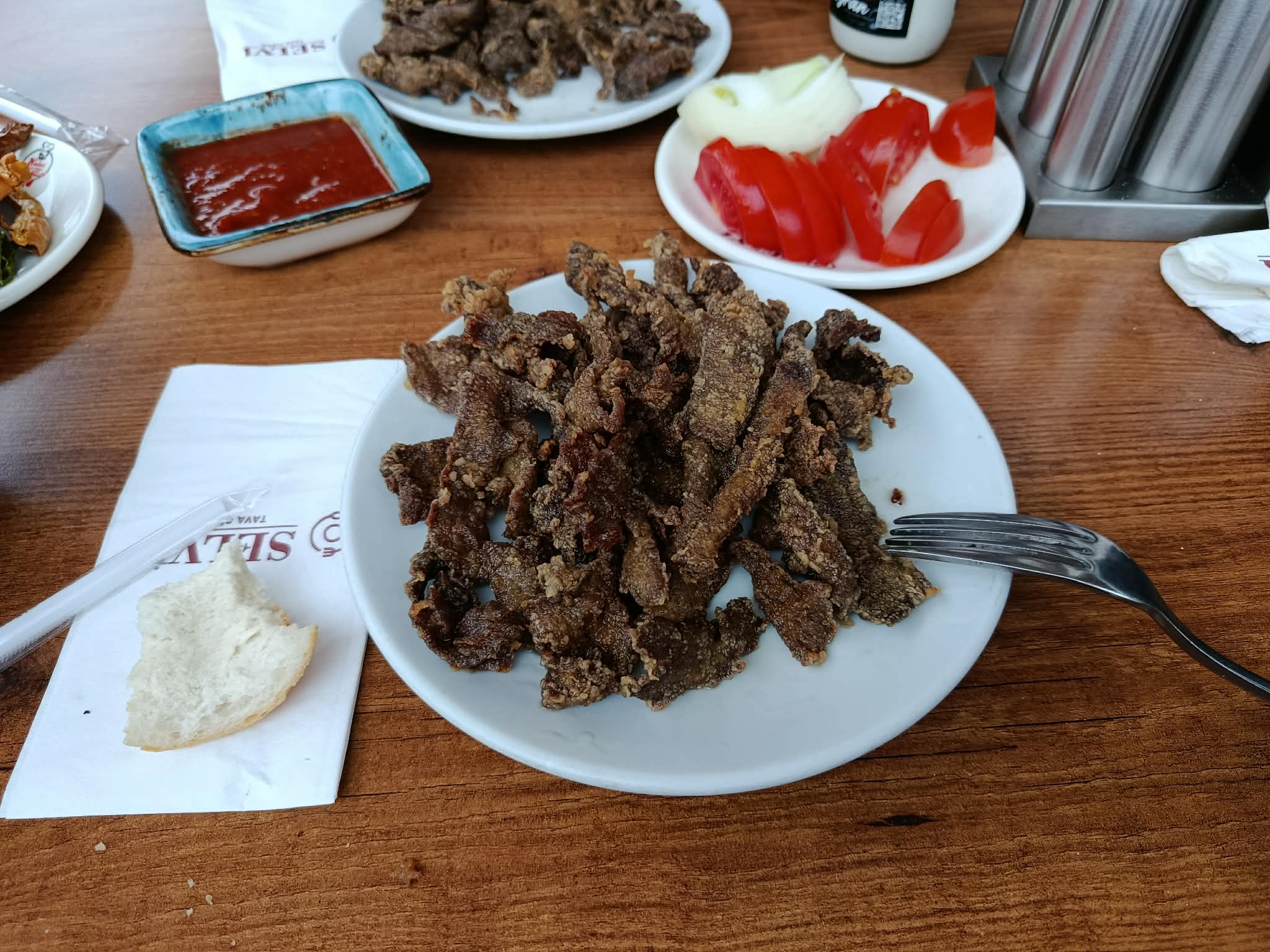
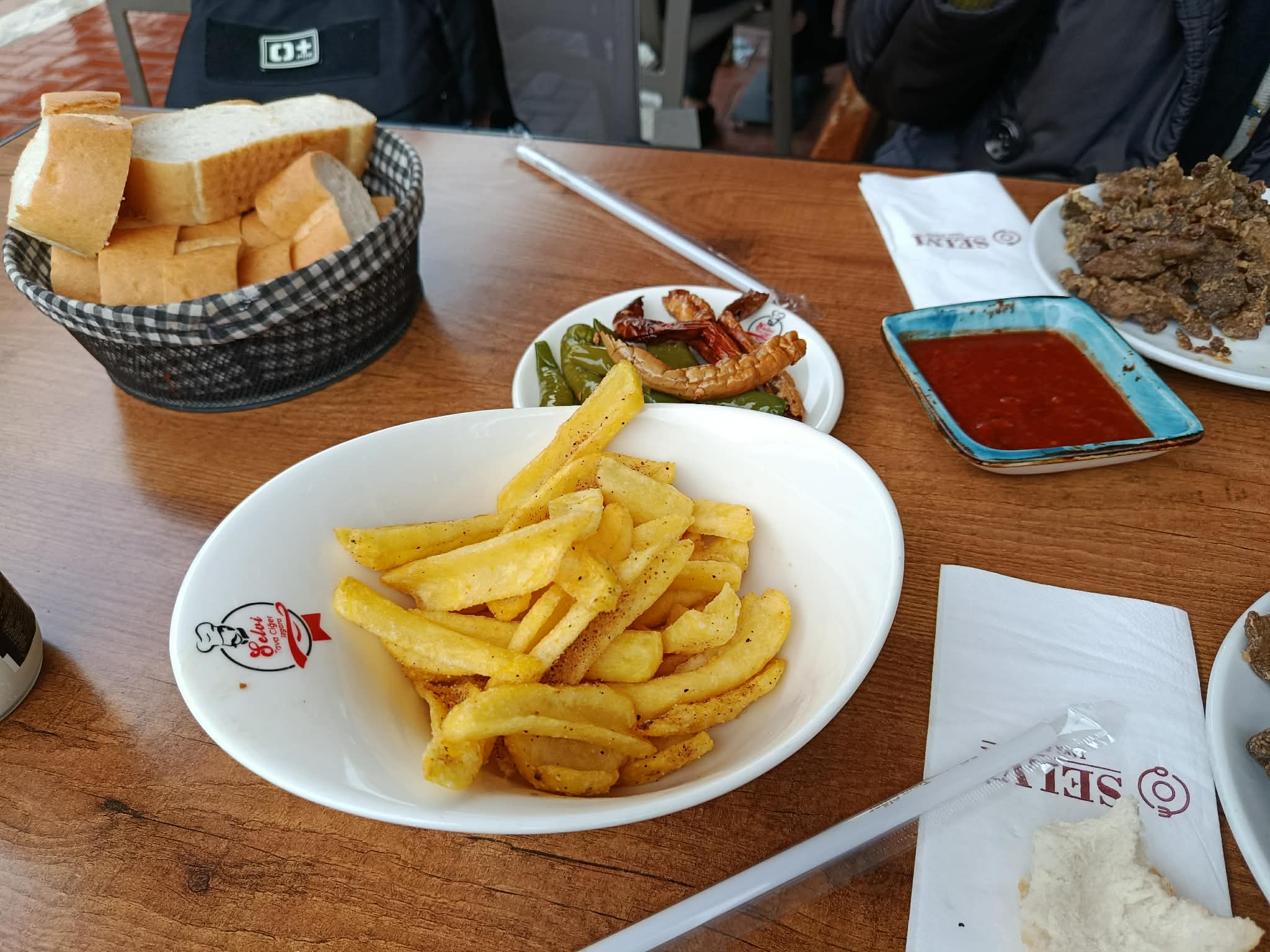
The texture is surprisingly delicate, not heavy at all, and the flavor is rich without being overwhelming. It’s often accompanied by fresh onions, parsley, and a mild pepper that adds just the right touch of heat. What makes the experience even more special is how simple yet satisfying it is — a true street food classic that perfectly reflects the spirit of Türkiye: bold, authentic, and full of character.
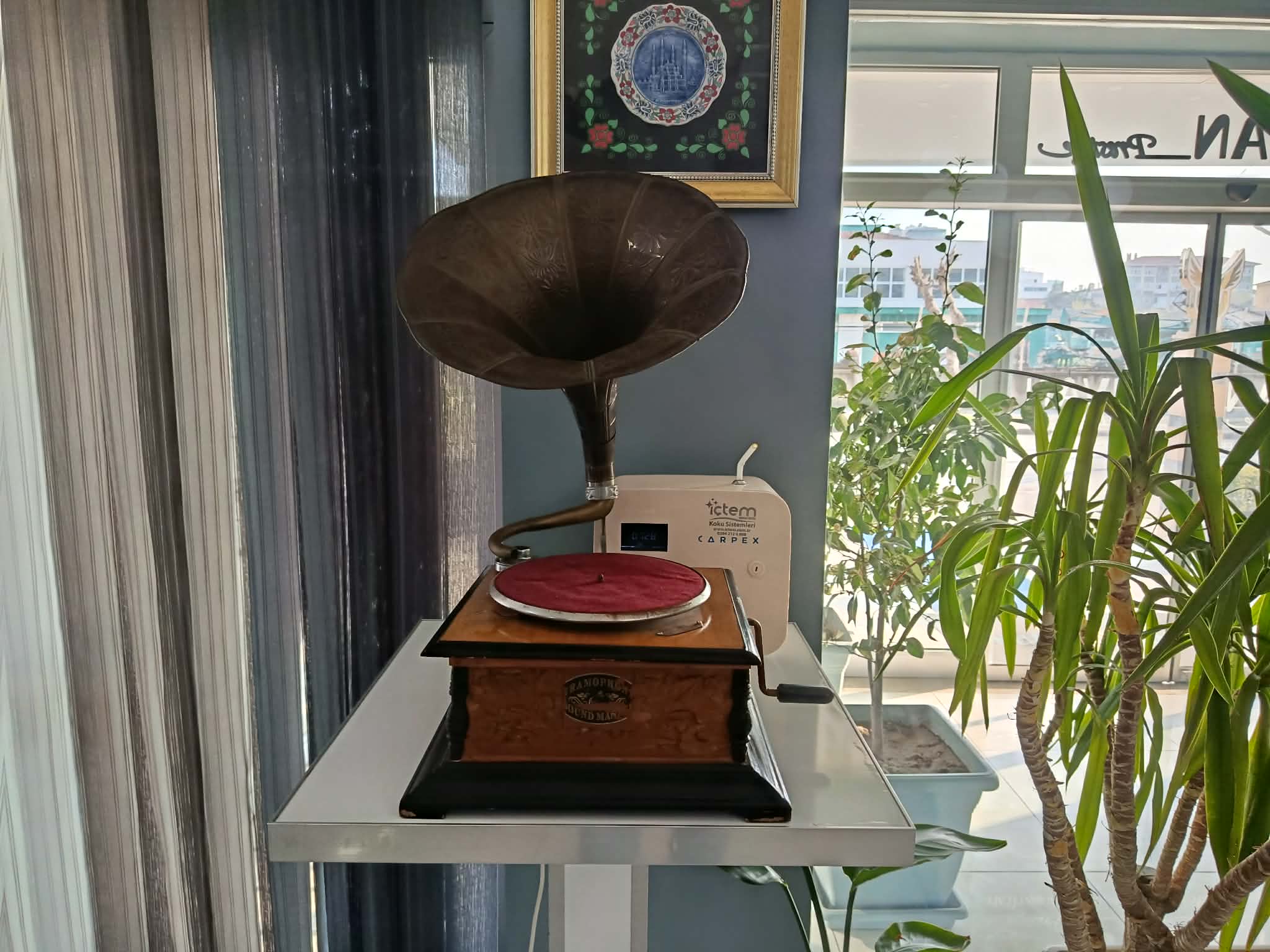
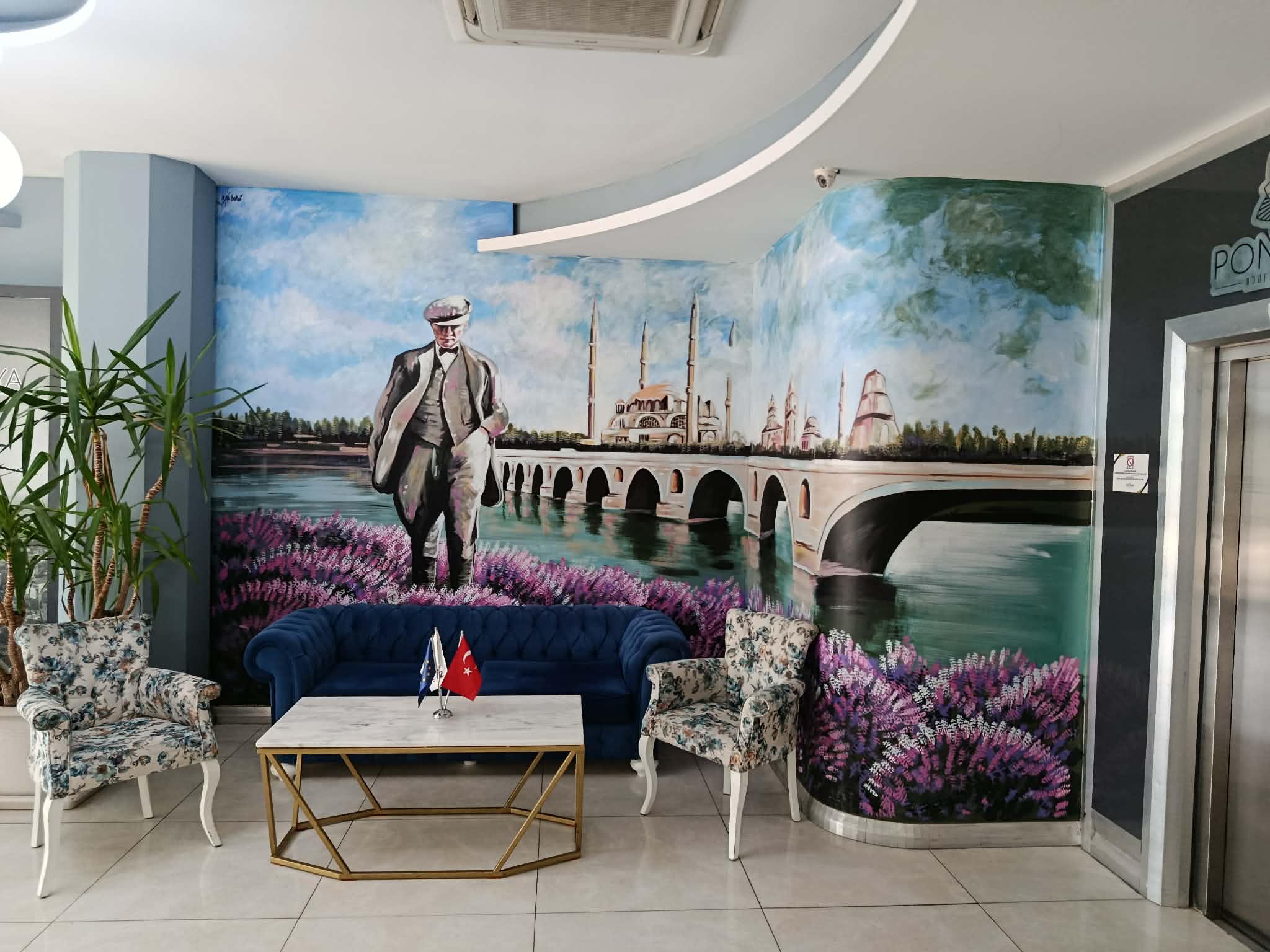
The hotel itself was a fascinating reflection of the same East-meets-West spirit that defines Edirne. The interior blended modern European comfort with strong Turkish identity — elegant furniture, soft colors, and stylish lighting combined with bold cultural symbols. A large mural of Mustafa Kemal Atatürk walking confidently across a bridge immediately caught my attention, almost reminiscent of a revolutionary, iconic pose you might associate with figures like Lenin, yet deeply rooted in Turkish national pride. On the table stood the bright red Flag of Turkey alongside a European flag, symbolizing a bridge between worlds. Nearby, an old-fashioned gramophone added a nostalgic touch, while plants and natural light softened the atmosphere. Altogether, the space felt both cultural and contemporary — a place where history, identity, and modern life meet in a quiet, stylish harmony.
THANK YOU FOR YOUR ATTENTION
Hola amigo. Nos muestra una hermosa parte de Europa, un gran país y con lugares muy bonitos.
Congratulations @shemzee! Your post was upvoted by @supportive. Accounts that delegate enjoy close to 10x voting power and 10–11% APR.
High-Yield Curation by @steem-seven
Your content has been supported!
Maximize your passive income!
Delegate your SP to us and earn high rewards
Click here to see our Tiered Reward System
We are the hope!