The Evolution of Non-Fungible Tokens (NFTs) Beyond Digital Art and Collectibles
One of the most buzzed-about innovations in the digital world is Non-Fungible Tokens (NFTs). In the early days of the NFT craze, many individuals were familiar with NFTs primarily as digital art or collectibles they could purchase and trade online. The initial applications of NFTs included pictures, illustrations, music, and special digital collectibles. But with advancement of technology, NFTs are going beyond digital art and collectibles. These are now being utilised in various industries and are opening up fresh avenues for businesses, creators and consumers.
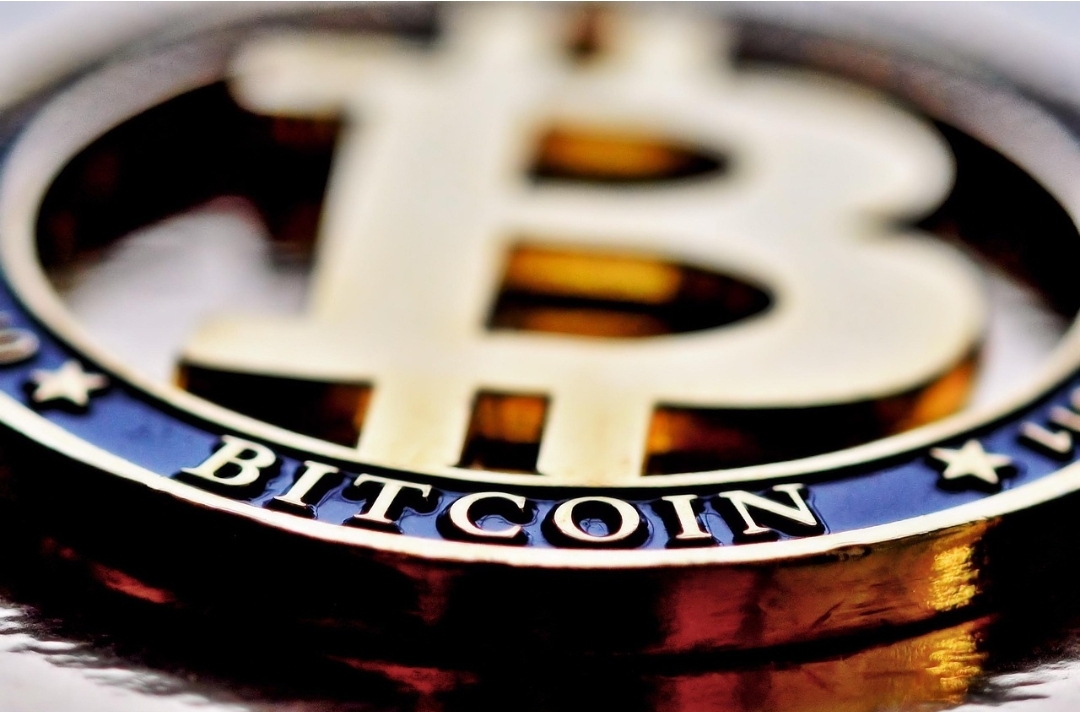
NFT is a non-fungible token that is unique, stored in a blockchain. Each NFT is unique and has its own value, unlike cryptocurrencies like Bitcoin, which can be exchanged at equal value. NFTs are valuable in establishing ownership and authenticity thanks to this uniqueness. Initially, artists started to sell their artworks directly to collectors by utilizing NFTs, but avoiding the elaborate and conventional gallery or intermediary system. This is a fascinating part in my opinion, for it placed creators in control of their work and income.
As NFTs grew, there were people who started to think of other uses for NFTs. A notable one is real estate. The ownership history of a property can be recorded on an NFT blockchain, which can streamline transactions and eliminate paperwork. This may help to improve the speed and security of transactions in the future. The education sector is also being looked into in relation to NFTs. Certificates, diplomas, academic awards and achievements can be issued as NFTs, and are easier to verify and more difficult to forge.
The other application of NFTs that is gaining popularity is tickets and event management. NFTs can be used for tickets to concerts, sporting events and conferences. This helps prevent the issuance of fraudulent and duplicated tickets, and helps organizers to more effectively track ticket ownership. Within the gaming sector, NFTs allow gamers to possess in-game objects like weapons, skins, characters, and more. Sometimes these can be cross-platform or traded, thus generating more value for gamers.
The healthcare sector is another area that could benefit from the impact of NFTs. NFT technology could be used to create medical records, providing patients with greater control over their personal information and enhancing data security.NFT technology can be leveraged to secure medical records, offering patients greater control over their personal data and ensuring better data security. Additionally, NFTs are being used in supply chain management applications, allowing businesses to trace the origins and movements of goods and products, thereby providing greater transparency and minimizing fraud.
With all of these possibilities, there are challenges to the NFTs. There are significant concerns such as the high transaction fees, concerns about the environment for some blockchain systems, and regulatory uncertainty. But constant technological advances are mitigating much of these issues.
In conclusion, NFTs have evolved far beyond their original role as digital art and collectibles. These are now used in the real estate industry, in education, healthcare, game development, ticketing, and other industries. NFTs will be even more valuable and helpful in our daily lives, I believe, as blockchain evolves. They have the potential to change a multitude of industries in the coming years as they are used to prove ownership, authenticity and uniqueness.