Ageing Understanding the Natural Process of Growing Older
Ageing
Understanding the Natural Process of Growing Older
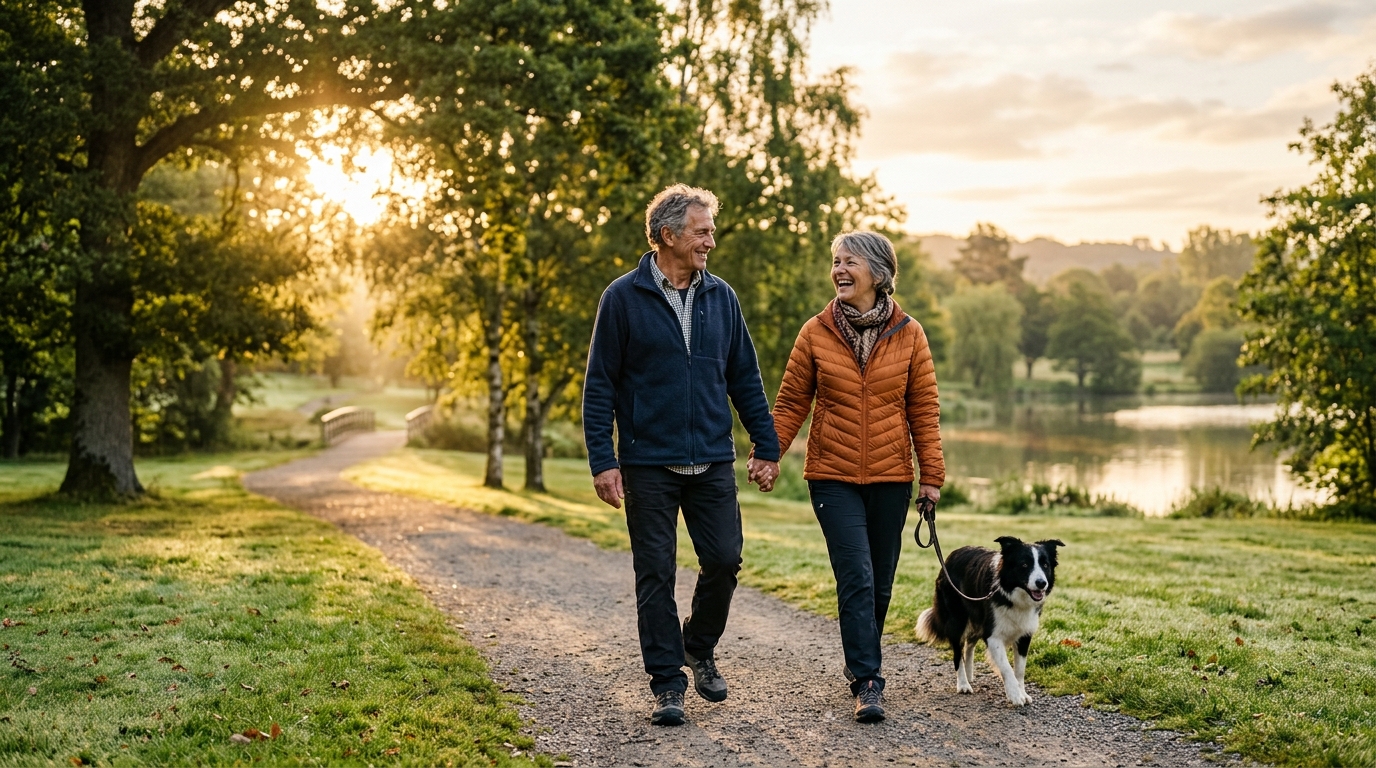
Ageing is a natural and inevitable part of life. From the moment we are born, our bodies continuously change. As we grow older, these changes become more noticeable in our skin, muscles, bones, organs, metabolism, and brain. Although ageing is often associated with wrinkles, grey hair, and reduced physical strength, it is much more complex than simply looking older. Ageing is a biological process influenced by genetics, lifestyle, environment, nutrition, physical activity, sleep, and overall health.
Understanding ageing can help people make better choices throughout their lives. Healthy habits developed early and maintained consistently can support physical and mental wellbeing as people get older.
What Is Ageing?
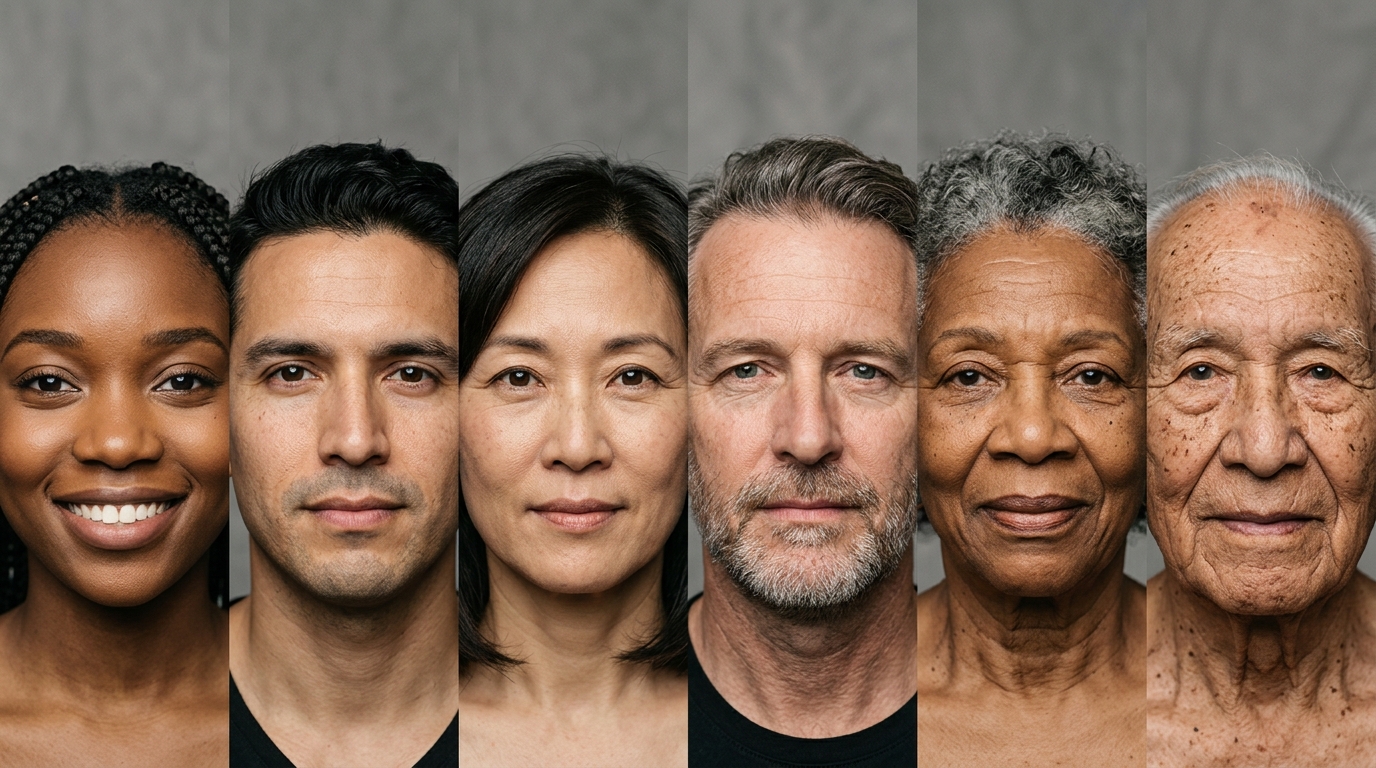
Ageing refers to the gradual biological changes that occur as an organism becomes older. These changes can affect almost every part of the body. Cells may become less efficient at repairing damage, tissues can gradually lose some of their ability to regenerate, and physiological systems may become less resilient.
Ageing does not happen at exactly the same rate for everyone. Two people of the same chronological age can have very different levels of physical fitness, cognitive ability, and overall health. Genetics plays an important role, but lifestyle and environmental factors can also significantly influence how a person experiences ageing.
Why Does Ageing Happen?
Scientists have identified many biological mechanisms associated with ageing. Over time, cells can accumulate damage caused by normal metabolic processes and environmental factors. The body's ability to repair certain forms of cellular damage may also decline.
Changes can occur in DNA, proteins, mitochondria, and other cellular structures. Cellular communication and immune responses may change as well. In addition, some cells enter a state known as cellular senescence, in which they stop dividing but remain metabolically active.
Ageing is therefore not caused by a single process. Instead, it results from a combination of interconnected biological changes.
Common Physical Changes With Age
One of the most visible signs of ageing is a change in the skin. As people get older, skin can become thinner, drier, and less elastic. The production of collagen and other structural components can decline, contributing to wrinkles and changes in skin texture.
Muscle mass and strength can also decrease with age, particularly when a person is physically inactive. This gradual loss of muscle can affect mobility, balance, and independence.
Bones may become less dense over time, while joints and connective tissues can undergo structural changes. Cardiovascular and respiratory systems can also experience changes in efficiency.
However, ageing does not automatically mean severe physical decline. Regular physical activity, appropriate nutrition, adequate sleep, and preventive healthcare can help many people maintain good functional ability well into older age.
Ageing and Brain Health
The brain also changes throughout the ageing process. Some people may notice that processing information takes slightly longer or that recalling certain information becomes more difficult.
However, normal ageing is not the same as significant cognitive impairment. Older adults can continue learning new skills, developing knowledge, solving problems, and maintaining meaningful intellectual activities.
Reading, learning, social interaction, creative activities, physical exercise, and adequate sleep can all contribute to maintaining overall brain health.
The Importance of Physical Activity
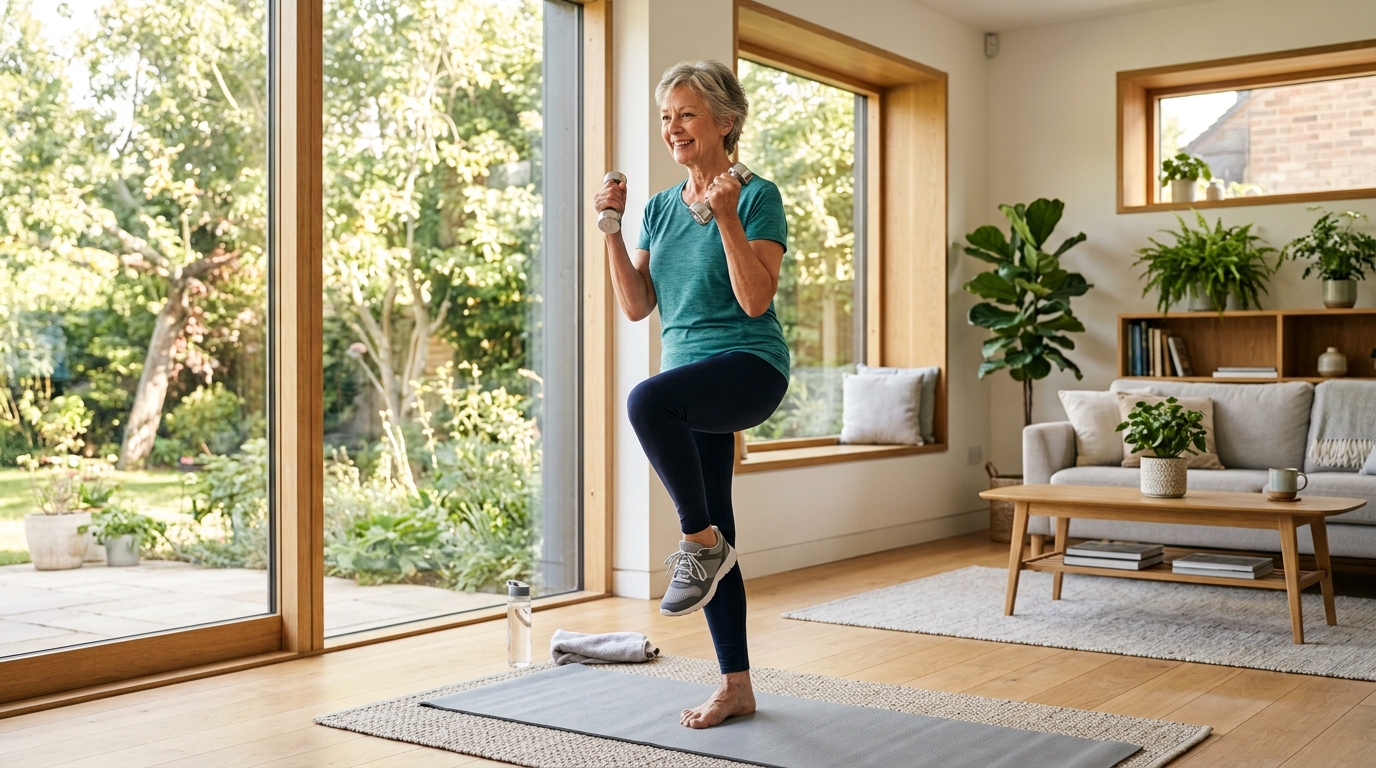
Regular physical activity is one of the most important components of healthy ageing. Exercise can help maintain muscle strength, flexibility, balance, cardiovascular fitness, and mobility.
Activities such as walking, swimming, cycling, resistance exercises, and balance training can be adapted to different ages and fitness levels.
For older adults, maintaining strength and balance is particularly valuable because good physical function can support independence and reduce the likelihood of falls.
Before beginning a new exercise program, people with existing health concerns should consider discussing appropriate activities with a qualified healthcare professional.
Nutrition and Healthy Ageing
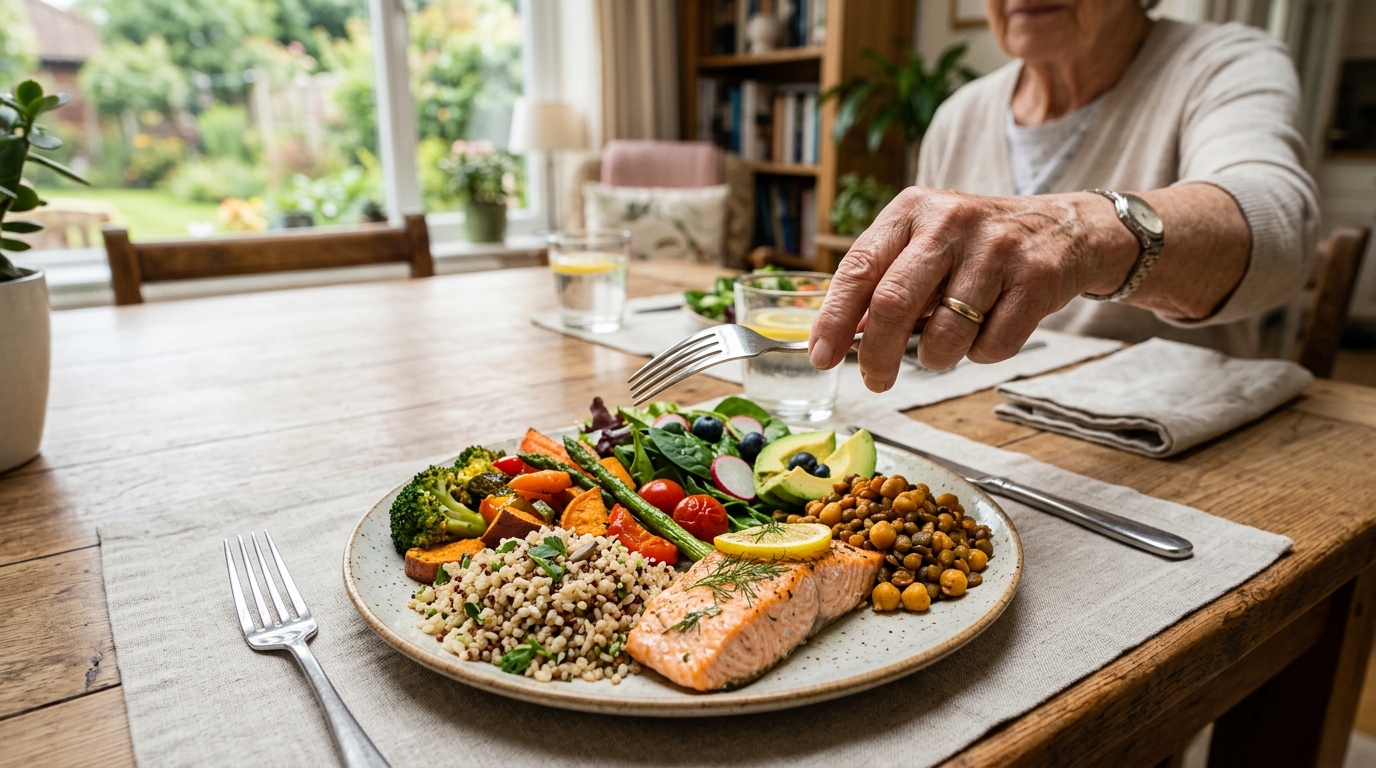
Nutrition plays an important role throughout the ageing process. A balanced diet can provide the nutrients required for maintaining muscles, bones, the immune system, and overall body function.
A healthy eating pattern can include vegetables, fruits, whole grains, legumes, nuts, seeds, and appropriate sources of protein. Adequate hydration is also important.
As nutritional needs can vary with age and individual circumstances, older adults may benefit from personalized dietary advice from a qualified healthcare professional or registered dietitian.
Sleep and Ageing
Sleep patterns often change as people grow older. Some older adults may find it harder to fall asleep, wake more frequently during the night, or experience changes in their sleep schedule.
Good sleep remains important for physical recovery, cognitive function, mood, and general wellbeing.
Maintaining a consistent sleep schedule, creating a comfortable sleeping environment, staying physically active during the day, and limiting excessive caffeine late in the day can support healthy sleep habits.
Persistent or severe sleep problems should not simply be dismissed as a normal consequence of ageing. They may require professional evaluation.
Social Connections and Emotional Wellbeing
Healthy ageing is not only about physical health. Social and emotional wellbeing are equally important.
Maintaining relationships with family members, friends, neighbors, and community groups can provide companionship and emotional support. Participating in hobbies, volunteering, learning activities, and social events can also help people remain engaged with their communities.
A sense of purpose can be particularly valuable during later life. Continuing to pursue meaningful goals can contribute to emotional wellbeing and life satisfaction.
Can Ageing Be Slowed Down?
Ageing cannot currently be stopped completely. There is also no single treatment that can prevent all biological changes associated with getting older.
However, many lifestyle choices can influence health and functional ability throughout life. Avoiding tobacco, maintaining regular physical activity, eating a balanced diet, getting sufficient sleep, managing stress, maintaining social connections, and receiving appropriate preventive healthcare can support healthier ageing.
The goal should not simply be to live longer. It should also be to maintain independence, function, and quality of life for as long as possible.
Healthy Ageing Is a Lifelong Process
Healthy ageing begins long before old age. The habits developed during childhood, adolescence, adulthood, and middle age can influence health later in life.
Regular movement, nutritious food, adequate sleep, mental stimulation, social interaction, and preventive healthcare can all contribute to a healthier future.
It is never too late to improve lifestyle habits. Even small, consistent changes can contribute to better overall wellbeing.
Ageing Should Be Understood, Not Feared
Ageing is a universal part of being human. While it brings physical and biological changes, it can also provide opportunities for learning, reflection, relationships, and new experiences.
Growing older does not have to mean becoming inactive or disconnected from life. With appropriate health habits and support, many people can remain active, independent, and engaged for many years.
Ultimately, healthy ageing is not about trying to remain young forever. It is about supporting the body and mind so that each stage of life can be experienced with the greatest possible health, independence, and quality of life.