Could AI Anxiety Spark a New Workers’ Movement?
Executive Summary
Rising anxiety over artificial intelligence in the workplace may be creating unexpected momentum for renewed worker organizing efforts in the United States. As automation and AI-driven management tools expand across industries, both blue-collar and white-collar workers are expressing concern about job displacement, surveillance, and declining bargaining power.
Labor experts argue that this shared uncertainty could dissolve traditional class divides and open space for a resurgence in worker activism and collective action.
Part I — What Happened (Verified Information)
Growing Public Concern
A 2025 Pew survey found that:
64% of Americans believe AI will lead to fewer jobs over the next 20 years.
Only 17% believe AI will have a positive effect on the country over the same time frame.
At the same time, union membership in the United States stood at 9.9% in 2025, remaining near historic lows.
Shifting Workplace Dynamics
According to researchers cited in the reporting:
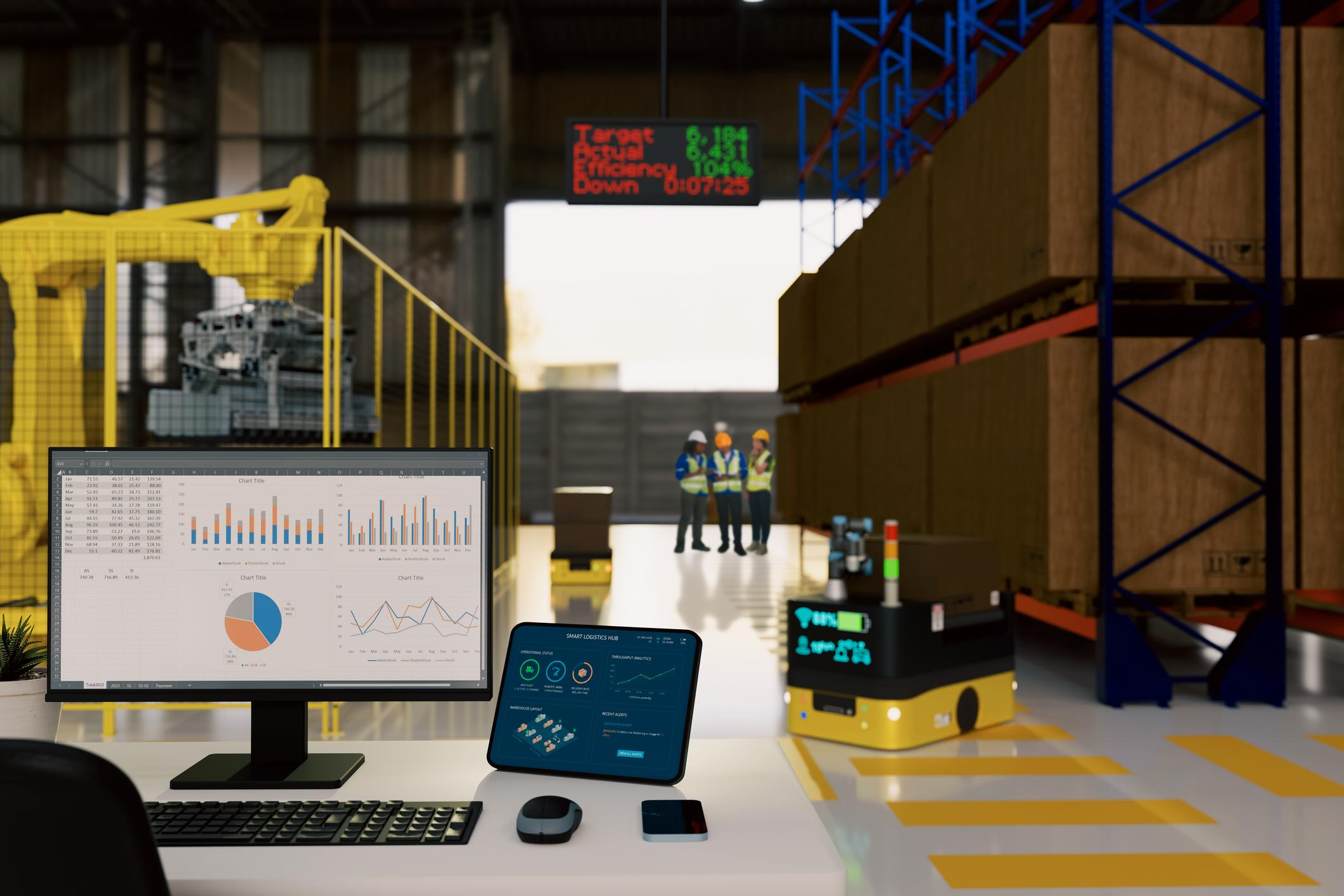
Blue-collar workers fear automation and increasing algorithmic management.
White-collar workers are concerned about performance tracking and potential role redundancy.
AI systems are increasingly used in productivity monitoring, workflow optimization, and performance evaluation.
Labor scholars and policy experts suggest that AI is intensifying existing power imbalances between employers and employees.
Broader Labor Context
Earlier in the decade, labor activism surged amid pandemic-era workplace pressures:
High-profile unionization efforts at large corporations
The “Great Resignation,” during which record numbers of workers voluntarily left their jobs
Increased wage negotiations and workplace demands
Observers now question whether AI-driven disruption could trigger a similar wave of mobilization.
Part II — Why It Matters (Strategic & Economic Analysis)
- AI as a Unifying Pressure
Historically, automation debates have primarily affected manual labor sectors. However, generative AI and knowledge automation tools are now impacting white-collar professions, including:
Software engineering
Administrative roles
Creative industries
Professional services
This convergence may narrow the experiential gap between income classes. If warehouse workers and software engineers face similar forms of algorithmic oversight, shared interests could emerge.
- Surveillance and the “Robotization” of Labor
AI’s influence extends beyond job replacement.
Workers report concern that AI systems may:
Increase performance tracking
Quantify productivity in granular ways
Reduce autonomy in daily tasks
The issue is not only whether jobs disappear—but whether existing roles become more tightly controlled.
Such shifts can affect morale, bargaining leverage, and long-term job quality.
- Narrative Power and Corporate Messaging
Technology executives often frame AI as an inevitable force that will “disrupt” certain jobs while creating others.
Labor researchers caution that:
Many AI capability claims remain speculative.
Policy and governance decisions will shape actual outcomes.
Presenting AI as unstoppable may discourage worker resistance or regulatory oversight.
The perception of inevitability can influence labor dynamics as much as the technology itself.
- Productivity vs. Wage Distribution
Over the past four decades:
Productivity growth has outpaced wage growth.
Union density has declined.
If AI significantly boosts productivity without corresponding wage adjustments or ownership participation, inequality could widen further.
Conversely, if workers successfully organize around AI governance, they may demand:
Profit-sharing mechanisms
Collective input on AI deployment
Stronger regulatory oversight
Part III — Risk & Outlook
Potential Risks
Accelerated job displacement without social safety nets
Increased workplace surveillance
Concentration of economic power among AI platform owners
Potential Opportunities
Scenario 1: Labor Resurgence
Cross-industry organizing gains traction as shared AI concerns unite workers.
Scenario 2: Policy Reform
Governments introduce stronger worker protections related to AI monitoring and automation.
Scenario 3: Corporate-Led Adjustment
Companies proactively integrate worker consultation into AI implementation.
Conclusion
AI’s expansion into the workplace has intensified fears about job security, autonomy, and fairness. Yet history suggests that moments of disruption can also catalyze collective action.
Whether AI ultimately weakens or strengthens worker power will depend less on technical capability and more on governance, regulation, and labor organization.
The future of work in the AI era remains unsettled—and that uncertainty may itself become a powerful catalyst for change.