Google Launches Gemini 3.1 Pro, Doubling Reasoning Performance on Advanced Benchmarks
Executive Summary
Google has announced the release of Gemini 3.1 Pro, an upgraded core model designed for complex reasoning and advanced problem-solving tasks. The model is being rolled out across consumer apps, developer tools, and enterprise platforms.
According to Google, Gemini 3.1 Pro achieved a verified score of 77.1% on ARC-AGI-2, more than doubling the reasoning performance of Gemini 3 Pro on that benchmark.
Part I — What Happened (Verified Information)
Model Release
Google confirmed that Gemini 3.1 Pro is now rolling out in preview across:
For Developers:
Gemini API in Google AI Studio
Gemini CLI
Google Antigravity (agentic development platform)
Android Studio
For Enterprises:
Vertex AI
Gemini Enterprise
For Consumers:
Gemini app (higher limits for AI Pro and Ultra plans)
NotebookLM (exclusive to Pro and Ultra users)
The release follows a recent update to Gemini 3 Deep Think, which Google positioned as targeting scientific, research, and engineering challenges.
Benchmark Performance
On ARC-AGI-2 — a benchmark designed to evaluate a model’s ability to solve novel logic patterns — Gemini 3.1 Pro achieved:
77.1% verified score
More than double the performance of Gemini 3 Pro on the same benchmark
Google frames this as evidence of improved “core reasoning.”
Functional Capabilities
Google highlighted practical applications, including:
Advanced reasoning workflows
Complex data synthesis
Visual explanations of technical topics
Generation of animated, website-ready SVG graphics directly from text prompts
The model is currently available in preview as Google collects feedback before broader general availability.
Part II — Why It Matters (Strategic & Technical Analysis)
- The Shift Toward Core Reasoning Metrics
ARC-AGI-2 evaluates a model’s ability to solve unfamiliar logical tasks rather than rely on memorized patterns.
Improved scores suggest:
Enhanced generalization capability
Stronger pattern abstraction
More reliable multi-step reasoning
However, benchmark gains do not always translate directly into real-world reliability. Performance consistency across diverse enterprise environments will determine impact.
- Agentic Workflow Expansion
The release references “agentic development” and Google Antigravity — signaling a strategic focus on AI systems capable of:
Multi-step task execution
Iterative refinement
Semi-autonomous development processes
This positions Gemini not just as a chatbot, but as an embedded intelligence layer within developer ecosystems.
- Platform Consolidation Strategy
By integrating Gemini 3.1 Pro across:
Consumer apps
Enterprise AI platforms
Developer tooling
Google reinforces its vertical integration approach.
This strategy strengthens:
Subscription tier differentiation (AI Pro and Ultra plans)
Enterprise lock-in via Vertex AI
Developer dependency on Gemini APIs
- Competitive Landscape
The generative AI race increasingly centers on:
Benchmark reasoning performance
Agent orchestration capability
Multimodal integration
Gemini 3.1 Pro’s improvements reflect intensifying competition with other frontier AI providers, particularly in enterprise reasoning and development workflows.
Part III — Risk & Outlook
Opportunities
More reliable AI-assisted engineering
Advanced enterprise automation
Improved data synthesis for research and analytics
Higher-value subscription tiers
Risks
Over-reliance on benchmark performance as marketing signal
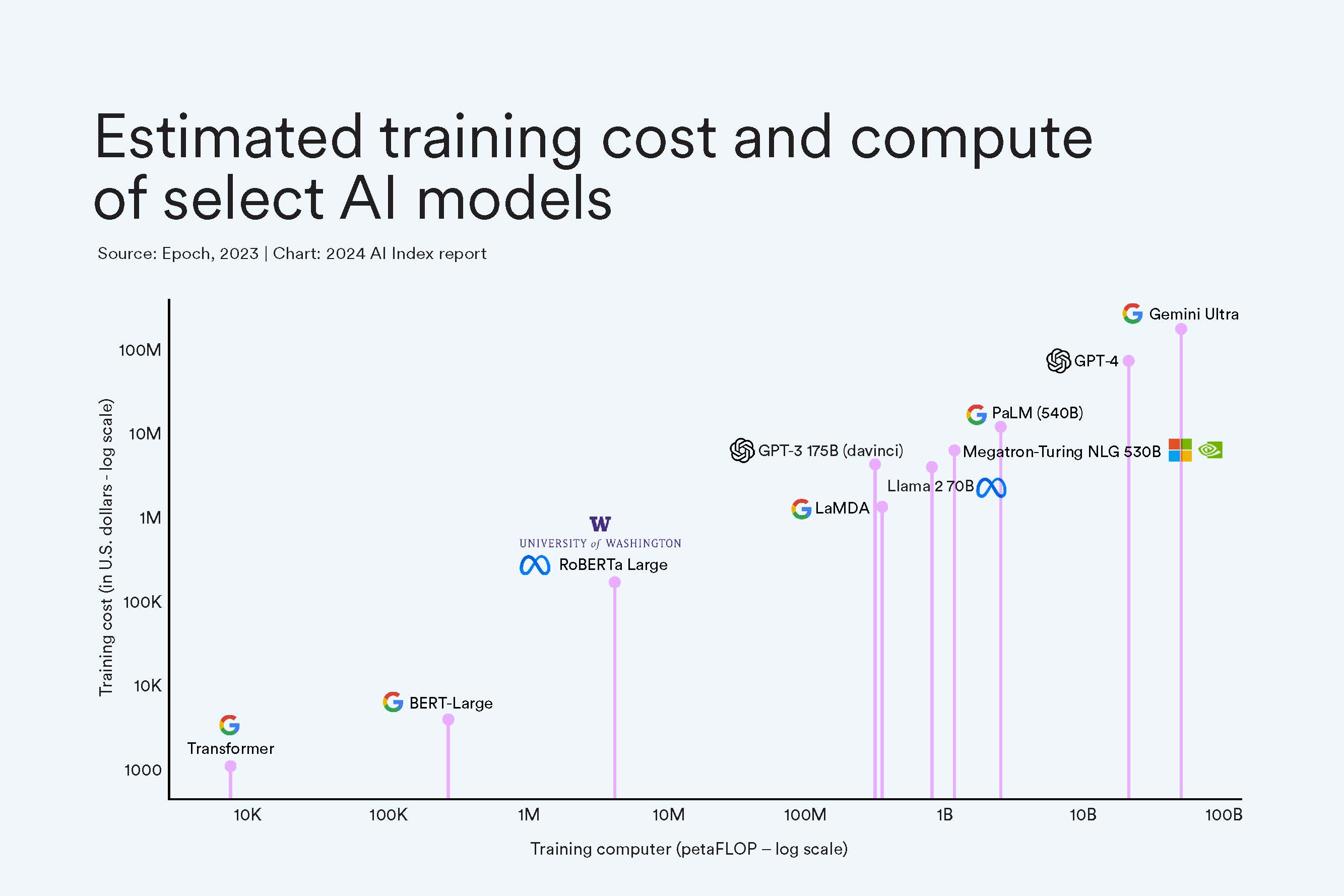
Escalating infrastructure costs
Governance challenges in agentic task execution
Competitive pressure triggering rapid, potentially unstable releases
Conclusion
Gemini 3.1 Pro represents a meaningful step forward in Google’s effort to position its AI systems as advanced reasoning engines rather than simple conversational tools.
While benchmark gains are promising, long-term impact will depend on real-world deployment stability, enterprise trust, and the model’s ability to manage increasingly autonomous workflows.
The evolution from “chat assistant” to “intelligent execution layer” appears well underway.