How AI Can Support Plant Care: Uses and Limitations
I've killed more than a few houseplants, usually in the most boring ways. Overwatered Pothos until the roots turned to mush. Forgot about a fern in the corner until it became dry and brown. A couple of years ago, I started using AI apps to detect these problems early.
AI can really help with plant care. It will help you identify species from a photo, point out potential signs of stress, and suggest the best watering schedule or how to best plan your garden. But treat what it tells you as a starting point, not a final conclusion. Carefully examine the plant itself. Compare the information with a trusted source, or ask someone who has been growing plants longer than you.
What Does AI Plant Care Actually Mean?
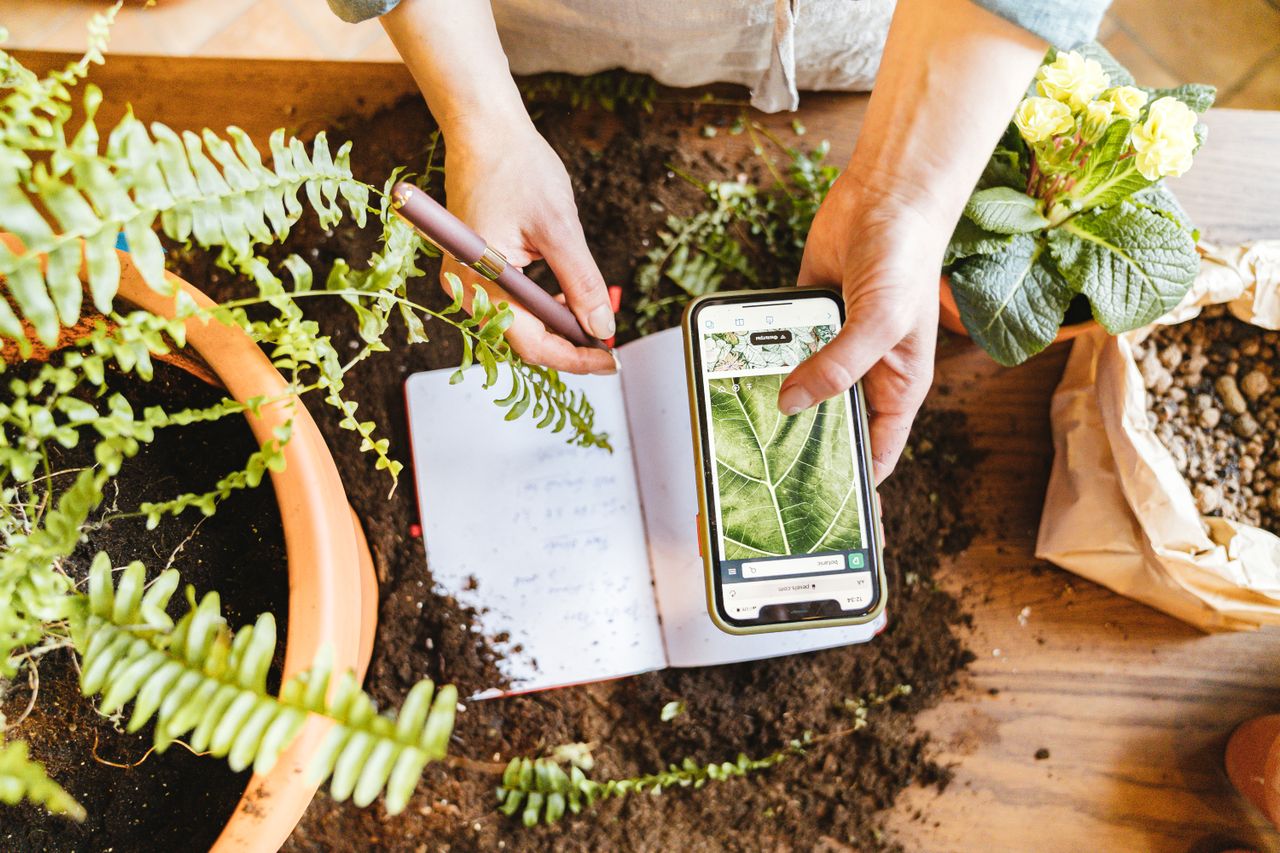
AI plant care basically means software that looks at your plant and makes an educated guess about what's happening with it. These tools routinely employ a variety of technologies:
- Image recognition, which compares your photo to a vast library of images;
- Symptom analysis, where you describe what you see and receive a list of probable causes;
- Personalized recommendations, tailored to your plant's characteristics and growing conditions;
- Weather and seasonal forecasting, so recommendations change seasonally;
- Sensor pairing, where a soil probe or moisture meter transmits real-time data to the app.
None of this compares to a typical reminder app or plant database. A reminder app simply sends you scheduled notifications, nothing more. A database provides you with general information about a plant. AI-powered software actually processes your specific data and produces something tailored to it.
However, there's an important distinction here. An AI suggestion is not the same as a diagnosis. A true diagnosis usually requires a trained eye and sometimes lab testing. What an AI tool provides is more of a short list. This narrows the search and allows you to determine what needs to be tested next.

Ways AI Can Support Plant Care
AI tools typically provide benefits in several areas of the home and garden. Here are a few examples:
- Finding out what a mystery plant is
- Detecting early signs of pest or disease damage
- Scheduling watering and fertilizing
- Checking whether a specific location receives sufficient light
- Layout a garden using compatible species
- Keeping a running log of plant changes
Identifying Unknown Plants
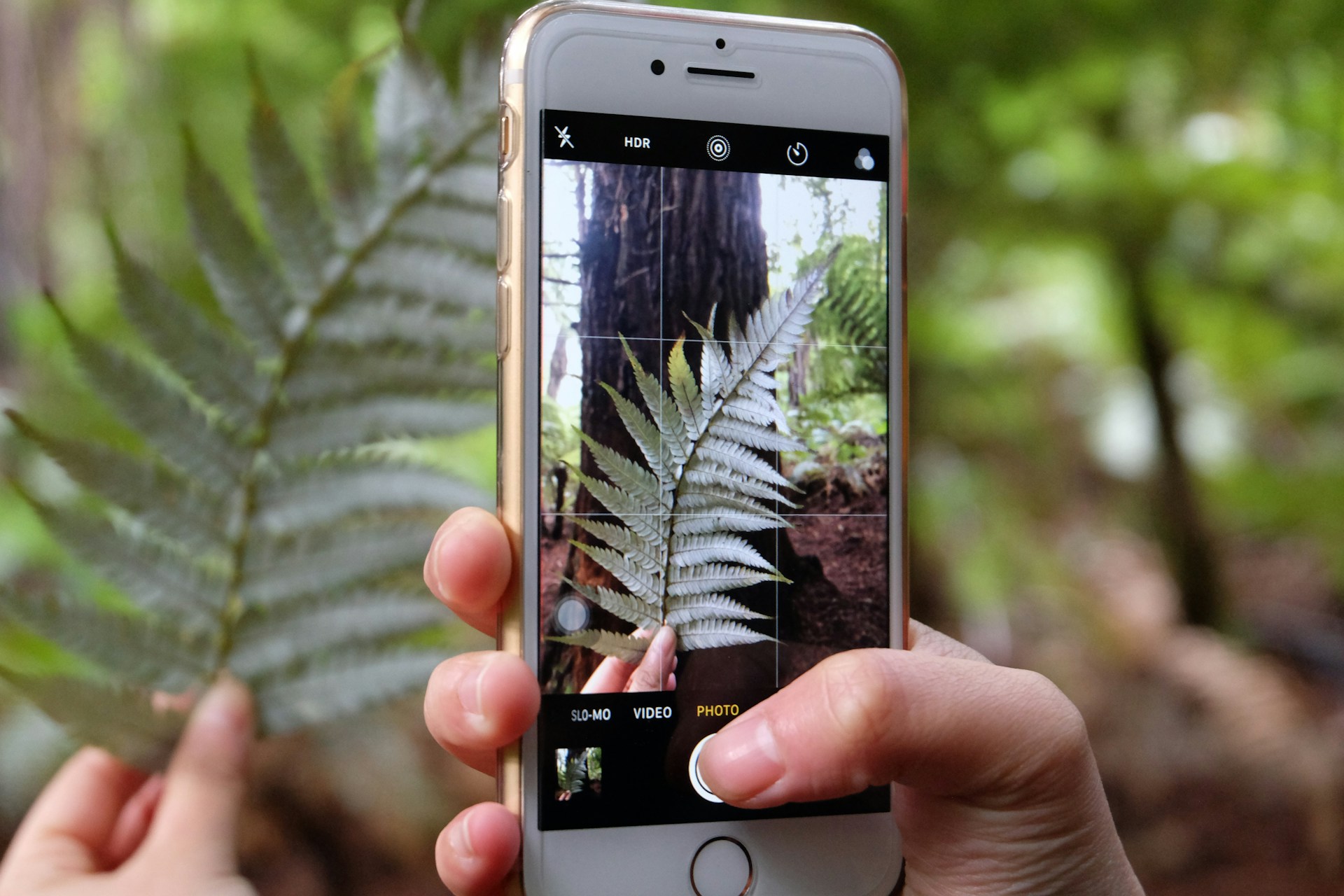
Take a photo of a leaf, a flower, or an entire plant, and most apps will compare it to thousands of reference images. Correct identification is much more important than it seems. Two similar species may require completely different care: one needs full sun and dry soil, while the other prefers shade and consistent moisture.
I use Botan application quite often for this. It compares your photo to a database of about 30,000+ plants and uses AI to identify possible diseases. It's just one tool in my arsenal, not a definitive solution, but it makes identifying plants I don't recognize much easier.
Recognizing Possible Plant Health Problems
Spots, yellowing, wilting, and strange curvatures of young shoots — these are the signs that AI tools attempt to match with known causes. Yellow leaves, for example, could indicate overwatering, a lack of nitrogen, or simply the natural death of older leaves. The app can suggest several likely culprits. To accurately determine the cause, you still need to inspect the roots and test the soil yourself.
Building Personalized Care Routines
A generic care sheet treats every fern the same, which never made much sense to me. AI tools try to improve the situation by taking into account the characteristics of your plant, the time of year, and your home conditions. Typically, the process goes something like this:
- You specify the plant type and where you purchased it.
- You describe your home conditions — lighting, humidity, and average temperature.
- The app creates a rough watering and fertilizing schedule.
- It adjusts this schedule based on the changing seasons.
- You adjust all parameters based on how the plant actually responds.
Evaluating Light and Growing Conditions
Estimating light by eye is one of the most difficult things to do. What seems bright to you may be barely average light for a plant. Some apps allow you to point your phone camera at a specific location and get an approximate light reading.
Then you compare this number with what your species actually needs. For example, a Golden Pothos needs medium, indirect light — if the reading is low, it's a signal to move the plant closer to a window.

Planning a Garden or Plant Collection
AI tools can also help with overall planning, not just for individual plants. Enter your climate zone, soil type, and existing growing conditions, and the app will suggest species that complement each other well. This reduces trial and error when planting species that end up competing for nutrients or sunlight.
Tracking Changes Over Time
Many of these apps allow you to keep a photo log for each plant. You take a photo every 1-2 weeks and record your progress. After a few months, you'll have a visual timeline. This makes it much easier to spot slow changes that would otherwise go unnoticed day after day. For example, a gradual color change or a sudden growth spurt immediately after moving to a new location.
AI Plant Care Uses at a Glance
The potential for using AI in plant care is truly enormous. Here you'll find the tasks people encounter most often.
| Plant Care Task | Information AI Needs | How AI Can Help | What You Should Verify |
|---|---|---|---|
| Plant Identification | Clear photos of leaves, stems, flowers, growth habit | Suggests likely species | Botanical name, toxicity, regional occurrence |
| Symptom Assessment | Photos, watering history, soil condition, environment | Lists possible causes of damage | Roots, pests, soil moisture, symptom progression |
| Care Scheduling | Species, pot size, location, season | Builds a rough watering and feeding plan | Actual soil dryness, plant response over weeks |
| Light Evaluation | Camera reading or description of the spot | Estimates light level, compares to species needs | Seasonal light changes, shadows from furniture or trees |
| Garden Planning | Growing zone, soil type, existing plants | Suggests compatible species and layouts | Local microclimate, drainage, mature plant size |
| Growth Tracking | Photos and short notes logged over time | Builds a visual timeline of changes | Whether shifts match the season or signal a problem |
| Toxicity Checking | Confirmed species name, household pets or kids | Flags known toxicity risk for that species | Exact risk level and next steps with a vet or poison control |
A Simple Workflow for Using AI With Your Plants
Most people get better results using a rough sequence of steps rather than simply taking a single photo and trusting the outcome. Here's the procedure I follow in practice:
- Take several clear photos from different angles
- Add notes about watering, lighting, and soil
- Ask the app for several possible explanations
- Inspect the roots, soil, and undersides of leaves yourself
- Compare the answer with a reliable source of gardening information
- Try the least risky solution first
- Record what happened, then check back in a week
The Limitations of AI in Plant Care
AI tools rely on patterns in existing data, and real plants don't always follow a script. Poor lighting in a photograph can confuse identification, and two different problems can look almost identical in the early stages. There are a few situations where I wouldn't rely solely on AI:
- A plant may be toxic to pets or children, and identification must be certain, not probable.
- Root rot and other problems occurring underground often can't be identified from a photograph at all.
- Rare or unusual varieties are sometimes poorly represented in the training data.
- Fast-spreading pests or diseases require prompt professional assistance rather than sharing data with an app.
- Legal issues, such as whether a wild plant is protected or invasive, require official sources.
How to Get More Reliable AI Recommendations
The quality of your AI recommendations usually depends on the quality of your input data. Blurry or poorly lit photos tend to produce unclear or incorrect answers. A few helpful habits will help to get more reliable results:
- Photograph in natural daylight, not under a yellow lamp.
- Photograph the entire plant, as well as close-ups of leaves and stems.
- Indicate any recent changes, such as repotting or a new location.
- Verify your answer against sources such as the Missouri Botanical Garden Plant Finder.
- Consider your first answer a hypothesis, not a final decision.
The Future of AI-Assisted Plant Care
Sensor prices continue to fall, so pairing soil probes and cameras with apps will likely become more common. Image recognition should also continue to improve as more people provide photos and corrections. However, don't expect this to replace practical plant knowledge anytime soon. These tools are becoming better at narrowing down choices, not replacing years of hands-on growing experience.
Conclusion
AI has become a firm part of my plant care practice, mostly as a second opinion rather than a first. It's fast. It's handy for identifying species I've never seen before. And it prevents my watering schedule from being disrupted. But the plant itself is still the best source of information. Check the soil. Look under the leaves. These days, I double-check before trusting an app over my own eyes.
Great let's connect