How AI Helps Identify Plant Diseases and Detect Early Symptoms
When a leaf develops brown patches, yellow edges, curling, or an unusual coating, the visible symptom rarely points to one obvious cause. Similar damage may result from infection, insects, watering errors, nutrient imbalance, temperature stress, or physical injury.
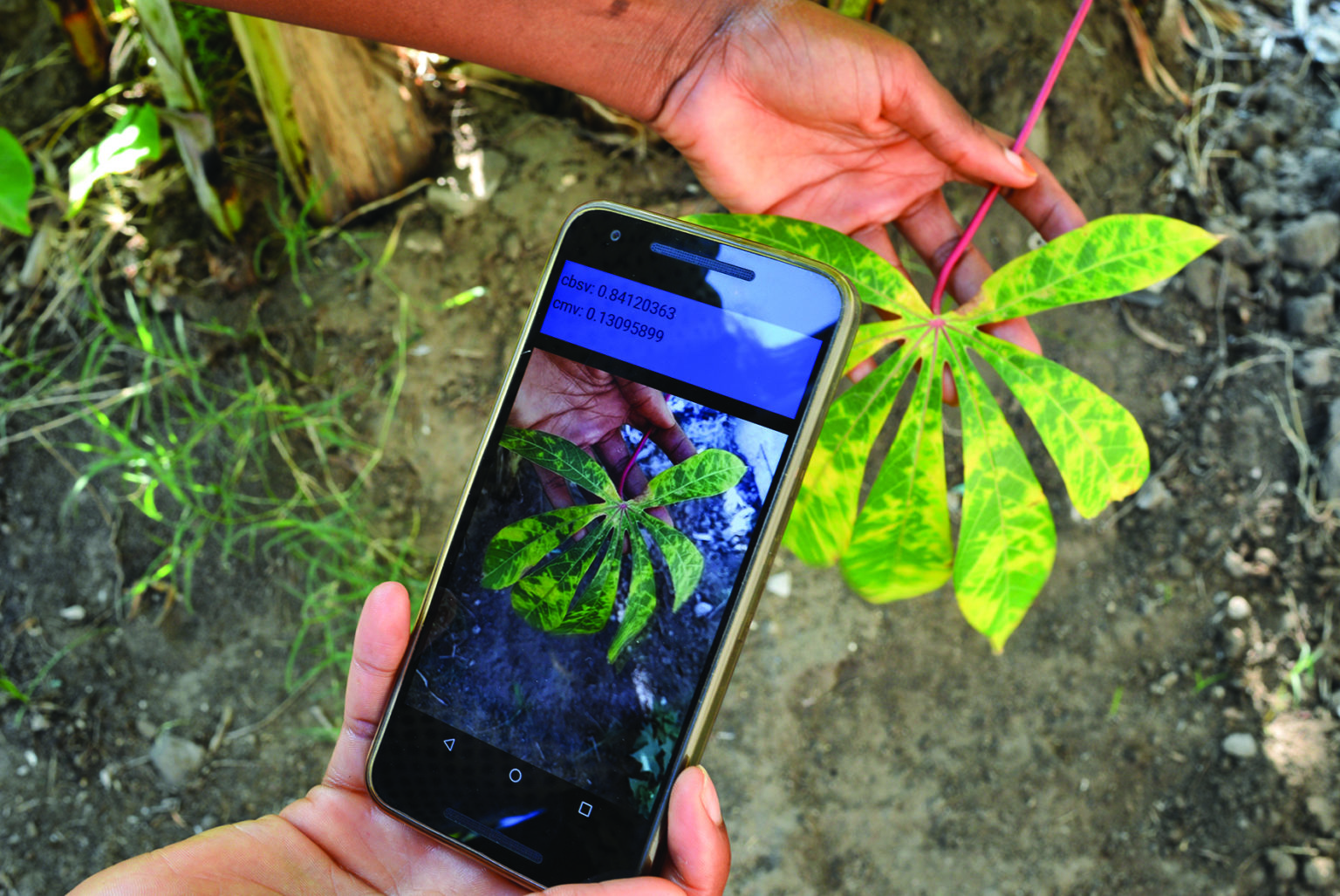
AI helps identify plant diseases by analyzing images of leaves, stems, flowers, and fruits for patterns associated with known plant problems. A plant disease app may also consider the plant species, symptom location, environment, and so on. I treat that result as a preliminary plant diagnosis, because expert inspection or laboratory testing may still be needed.
What Is AI Plant Disease Identification?
AI-based plant disease identification uses computer vision and machine-learning models to compare a new plant image with patterns learned from large collections of labeled photographs. The system evaluates visual details that may be hard to describe consistently: color gradients, lesion borders, texture, distribution, shape, and the part of the plant affected.
This differs from an ordinary symptom search, whose results depend heavily on how accurately the problem is described. An AI plant health identifier begins with the image itself and can rank possible explanations even when the user does not know the correct botanical terms.
The distinction between symptoms and signs remains important. Symptoms are the plant’s responses, such as yellowing, wilting, or tissue death. Signs are physical evidence of the causal organism, such as fungal growth or spores.
How Does AI Identify Plant Diseases?
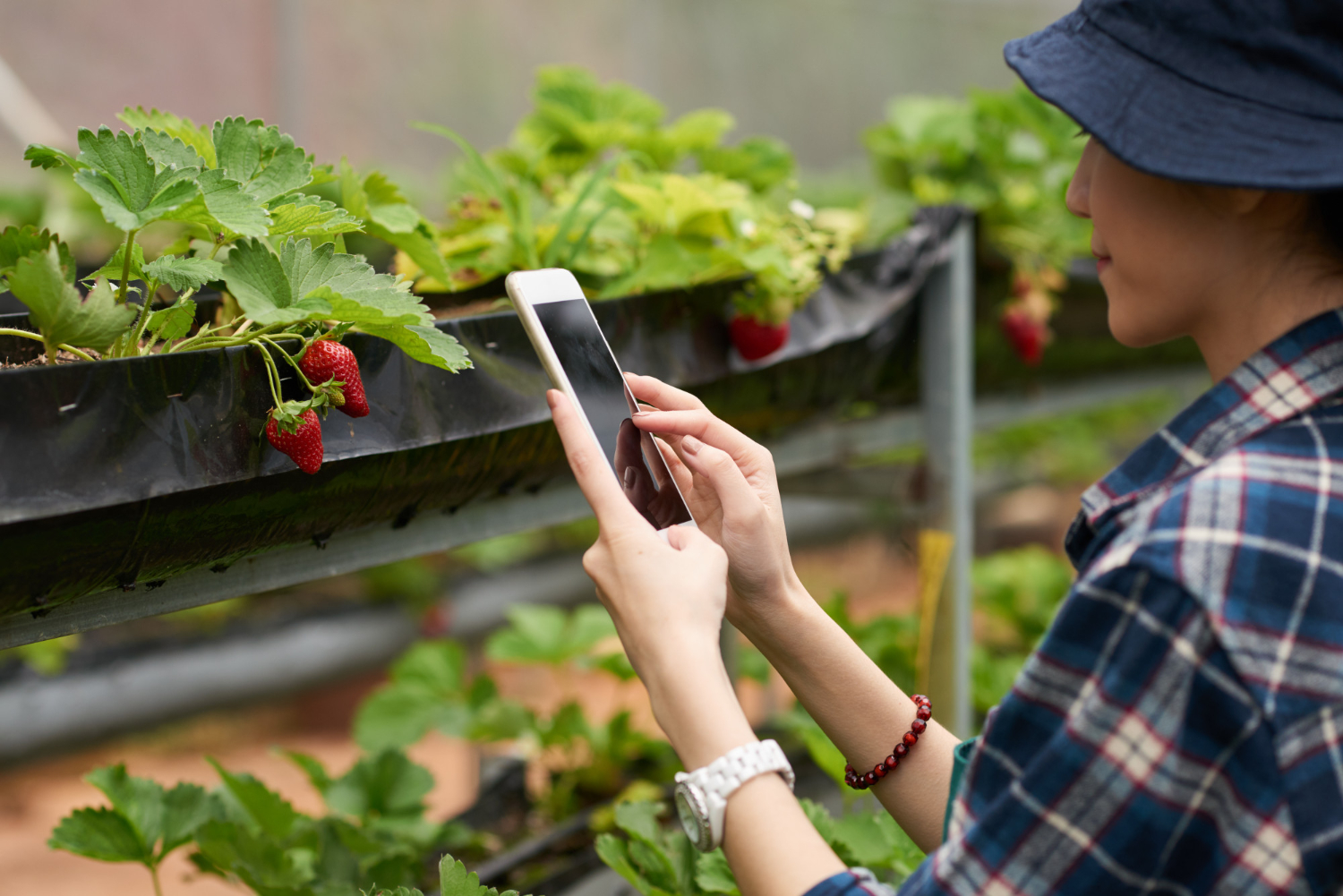
Although individual systems vary, most image-based tools follow a similar sequence. The process is fast from the user’s perspective, but several analytical steps happen in the background.
- Image capture and quality review. The tool checks whether the plant is visible, sufficiently sharp, and large enough in the frame.
- Plant and symptom localization. The model separates relevant plant tissue from the background and identifies areas with discoloration, holes, spots, deformation, or decay.
- Feature comparison. Visual features are compared with examples in the model’s training data, including healthy plants and plants affected by diseases, pests, or environmental stress.
- Context adjustment. Some systems use the identified species, plant part, season, location, humidity, or care history to narrow the possibilities.
- Ranked result. Apps like Botan return one or more likely causes, often with a confidence score, symptom explanation, and basic next checks.
The output is a probability-based match, not direct pathogen detection. A model may recognize a leaf spot pattern without determining the exact fungus or bacterium, which can require microscopy, culturing, molecular testing, or closer examination.
How to Identify Plant Diseases With an AI App
When people ask me how to identify plant diseases with a phone, I usually recommend using a repeatable process rather than relying on one quick photograph. Better input produces a more useful result.
- Confirm the plant species first. Disease patterns and normal leaf features vary widely between species.
- Photograph the entire plant so the tool can see the overall distribution of damage.
- Take close-up images of affected and healthy tissue in bright, indirect light.
- Include both sides of a leaf, the stem near the damage, the soil surface, and any visible roots when practical.
- Record recent changes in watering, fertilizer, light, temperature, repotting, pesticide use, and nearby pest activity.
- Compare the suggested diagnosis with symptom progression before applying treatment.
A plant health app is most useful when it prompts observation rather than replacing it. For example, online plant identification on BotanApp can help establish the species and organize initial care information, while the user still checks moisture, roots, pests, and symptom progression.

What Plant Problems Can AI Help Detect?
An AI plant problem identifier can help sort visible damage into broad categories, including possible fungal or bacterial disease, insect feeding, nutrient-related discoloration, watering stress, light injury, and physical damage.
It is generally better at problems that produce clear, repeated visual patterns than at disorders that begin in roots, vascular tissue, or the surrounding environment.
| Visible Symptom | Possible Causes | How AI Can Help | What to Check Manually |
|---|---|---|---|
| Leaf spots | Fungal or bacterial disease, sun damage, edema | Compare color, shape, borders, and distribution | Leaf undersides, spreading pattern, and visible fungal growth |
| Yellow leaves | Overwatering, nutrient deficiency, root stress, normal aging | Relate the yellowing pattern to species-specific examples | Soil moisture, drainage, roots, and which leaves are affected first |
| White coating | Powdery mildew, mineral residue, pests | Recognize surface texture and common placement | Whether the coating wipes off and whether insects or webbing are present |
| Holes or ragged edges | Chewing insects, slugs, mechanical injury | Classify the damage pattern and suggest likely pest groups | Nighttime pests, droppings, eggs, and fresh feeding |
| Wilting | Dry soil, root rot, heat stress, vascular disease | Combine posture and discoloration with available context | Actual soil moisture, stem condition, roots, and recovery after watering |
| Brown tips or margins | Low humidity, salt buildup, drought, excess fertilizer, heat | Compare the location and symmetry of damaged tissue | Water quality, fertilizer history, humidity, and recent temperature changes |
These categories overlap. Yellowing may indicate infection, wet roots, or normal leaf aging. University extension resources likewise emphasize that plant changes may come from environmental conditions, diseases, insects, or other damage, so context is essential.
5 Benefits and Uses of AI Plant Diagnosis
AI plant diagnosis can make the first stage of identifying a plant problem faster and more structured. In my experience, its main value lies in helping users organize visible symptoms, narrow down possible causes, and decide what to examine next.
- Faster preliminary assessment. AI can analyze visible symptoms within seconds and suggest several plausible causes. This gives plant owners a useful starting point without requiring them to know the name of a specific disease or pest.
- More consistent symptom analysis. People may describe the same discoloration as brown, tan, yellow, or rust-colored. An AI evaluates visual features such as color, shape, texture, and symptom distribution more consistently.
- Easier monitoring over time. A plant disease app can help users compare recent photographs with earlier images. This makes it easier to determine whether damage is stable, spreading, or responding to changes in care.
- Better decisions about immediate action. AI can support basic triage by helping users decide whether to isolate a plant, inspect it for pests, adjust watering or light conditions, remove damaged tissue, or consult an expert.
- More focused plant inspection. A suggested diagnosis can encourage users to examine details they might otherwise overlook. For example, they may check whether symptoms began on old or new growth, appear on both sides of the leaves, or affect one plant or several nearby plants.
These benefits make AI a practical support tool for plant lovers and hobby gardeners. However, its recommendations should still be verified through careful observation, reliable plant-care resources, or professional diagnosis when symptoms are severe or unclear.
Limitations of AI and How to Improve Accuracy
The largest limitation is that different problems can look alike. Leaf scorch may resemble infection, nutrient deficiency may resemble root damage, and insect feeding can create openings later colonized by fungi. A model may identify the visible pattern correctly while assigning the wrong underlying cause.
Training data also matters. Models usually perform best on species, diseases, camera conditions, and symptom stages that are well represented in their datasets. Performance can decline when systems trained on clean laboratory images are tested on real-world photos with complex backgrounds, uneven light, multiple disorders, or unfamiliar cultivars.
To improve accuracy, submit several clear images and add context rather than rescanning one close-up. Check the result against extension or plant pathology resources, observe progression when the situation is not urgent, and avoid risky treatment until the diagnosis makes biological sense.
Conclusion
AI gives plant owners a practical way to diagnose plant problems at the preliminary stage. By comparing images with learned disease and stress patterns, it can identify likely causes, explain visible symptoms, and suggest what to inspect next. Its value lies in narrowing the search.
I use AI results as one part of a broader diagnostic process: identify the plant, inspect the full pattern, review recent care and environmental changes, look for signs of pests or pathogens, and verify the conclusion before treatment.