A 2025 Year-in-Review: The 8 Best AI Image and Video Generation Tools
The 2025 Rewind
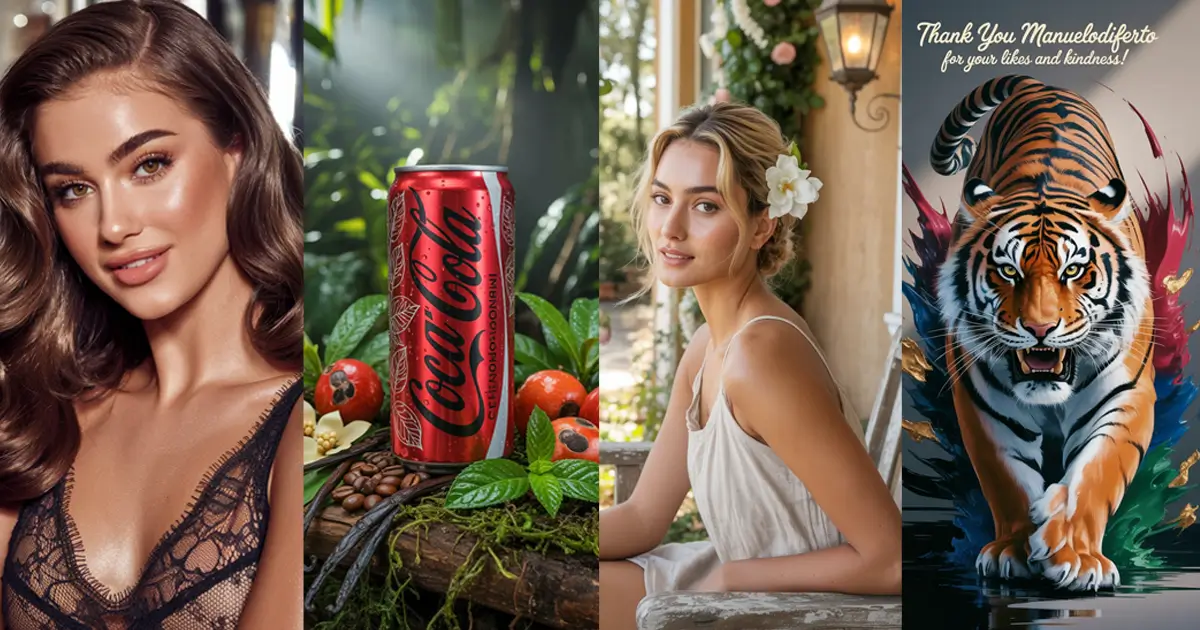
The year 2025 has been a golden age for AI-driven image and video generation, marked by explosive growth and rapid technological advancement. Thanks to more powerful computing and optimized algorithms, these tools have evolved far beyond simple image synthesis, now heading towards multi-modal integration, real-time generation, and high-fidelity output.
A primary trend has been multi-modal integration, where AI tools seamlessly combine text, voice, images, and even video inputs to transform a description into a finished product. For instance, a user can now describe a scene with natural language, and the AI can generate a corresponding image or video clip, a capability powered by the maturation of models like Transformers and Diffusion.
Another major development is the prevalence of real-time generation. While creating a high-definition image might have taken several minutes in the past, many tools now deliver results in seconds, thanks to the widespread adoption of edge computing and cloud acceleration. User-friendliness and personalization have also seen significant enhancements, with more built-in templates and style-transfer features that empower non-professional users to create artistic-level work.
However, this progress has brought ethical and copyright concerns to the forefront. In 2025, many platforms introduced watermarking and content moderation to prevent misuse and intellectual property infringement. The rise of mobile applications has also been a key trend, with AI generation tools migrating from web browsers to dedicated apps, allowing users to create on the go.
Overall, the AI generation market in 2025 is projected to exceed $50 billion, driven by demand from social media, the advertising industry, and the boom in entertainment content. Compared to 2024, generation quality has improved by over 30%, with video tools showing particularly impressive progress in handling complex, dynamic scenes, including nuanced character expressions and environmental interactions.
Despite these advancements, challenges remain, including increased energy consumption, data privacy concerns, and the difficulty of distinguishing authentic content from AI-generated media. Regulatory bodies like the European Union, with its AI Act, have begun to implement stricter regulations to ensure these tools are safe and fair. In China, national policies are encouraging domestic AI companies to innovate with a focus on cultural adaptation and localized content generation. In summary, 2025 has been a pivotal year, marking the transition of AI generation tools from an experimental phase to mainstream adoption, with user experience and innovation reaching new heights.
A Look Ahead to 2026
Looking forward to 2026, AI image and video generation is expected to become even more intelligent and immersive. A key development will be the integration of AI into the metaverse and AR/VR ecosystems, allowing users to generate interactive videos or 3D images for direct use in virtual reality environments. Imagine creating a virtual travel video that you can experience immersively with VR goggles.
Generation quality is predicted to approach photorealistic levels. With advancements in quantum computing and neural networks, video tools will be able to simulate physical laws, such as light reflection and fluid dynamics, further reducing the tell-tale "AI look." Personalization will become a core focus, with AI automatically optimizing styles based on a user's history to create truly unique content.
Cross-platform collaboration is also expected to rise, enabling users to seamlessly transfer projects between different applications. In response to environmental pressures, "Green AI" will become a priority, with a focus on developing low-energy models. On the ethics front, global standards are anticipated to emerge to combat the spread of deepfakes.
Market forecasts predict that the share of video generation tools will increase from its current 40% to 60% in 2026, fueled by the explosive growth of short-form video platforms. Companies in China, such as Tencent and ByteDance, are expected to continue leading the Asian market, driving innovation in Chinese-language optimization and localized content. Ultimately, 2026 is poised to be the year AI generation evolves from a set of tools into a comprehensive ecosystem, offering users a smarter and more efficient creative experience while also demanding vigilance against potential societal impacts like job displacement and the erosion of information integrity.
Recommended Tools
Here is a curated list of the top 8 AI image and video generation tools of 2025. This selection spans a variety of platforms, from web-based services to mobile apps, each distinguished by its unique features. A brief introduction and access details are provided for each tool to help you get started quickly. Whether you're a designer, content creator, or simply an enthusiast, these tools are sure to meet your needs.
1. Nano Banana
Backed by Google, Nano Banana is an AI generation platform focused on high-quality image and video creation. It utilizes advanced Diffusion models to produce realistic images and short videos from text prompts, supporting style customization and batch processing. It's suitable for both beginners and professional users, with a free trial available that offers basic features. You can access it at https://aistudio.google.com/.
2. Pollo AI
Pollo AI stands out for its innovative video generation capabilities, able to transform static images into dynamic videos or create animated clips directly from a description. Its clean interface supports real-time previews and editing, making it especially well-suited for social media content. The platform also includes a music synchronization feature to give your videos a professional touch. Visit them at https://pollo.ai/.
3. Fantora AI
Fantora AI is a versatile AI tool that excels at creating fantasy-style images and videos, such as sci-fi scenes and cartoons. It offers an extensive template library, allowing users to easily adjust parameters for personalized outputs. The free version includes a watermark, which can be removed by upgrading to a paid plan for high-definition exports. Check it out at https://fantoraai.com/.
4. Vibe Video
Vibe Video specializes in emotion-driven video generation. It can create short, atmospheric clips, like motivational videos or romantic montages, based on emotional keywords provided by the user. It supports multi-language prompts and features a community sharing function for users to exchange inspiration. This tool is ideal for marketing and personal expression. Find it at https://vibevideo.org/.
5. AI Poster Maker
As its name suggests, AI Poster Maker is optimized for creating posters and graphic designs. It can quickly generate professional-grade images, such as advertisements and social media graphics. The tool includes built-in font and layout options with AI-powered smart typesetting to greatly simplify the design process. Free users can generate low-resolution versions. Get started at https://ai-poster-maker.com/.
6. KI Bild Erstellen
KI Bild Erstellen is an AI image generation tool tailored for German users, offering a German-language interface and optimized prompts in German. It creates high-quality images and supports artistic style transfers, such as oil painting or abstract art. This is an excellent choice for German speakers looking to avoid language barriers. The website is https://ki-bild-erstellen.com/.
7. Générateur d'Image IA
Designed for French users, Générateur d'Image IA focuses on image generation with French-language prompt support and culturally relevant templates. It can produce a variety of styles, from French Impressionism to modern design, and features a user-friendly interface that is easy for non-English speakers to navigate. This tool is best suited for French speakers and can be found at https://generateur-dimage-ia.com/.
8. Sora2
Sora2 is a mobile AI video generation app that creates high-definition videos from text or image inputs, with support for offline mode and real-time editing. It places a strong emphasis on video smoothness and detailed rendering, making it perfect for users who want to create content on their phones. The app is available for download on the App Store and Google Play; there is no web version.