How Ambient Lighting Changes the Feeling of a Home
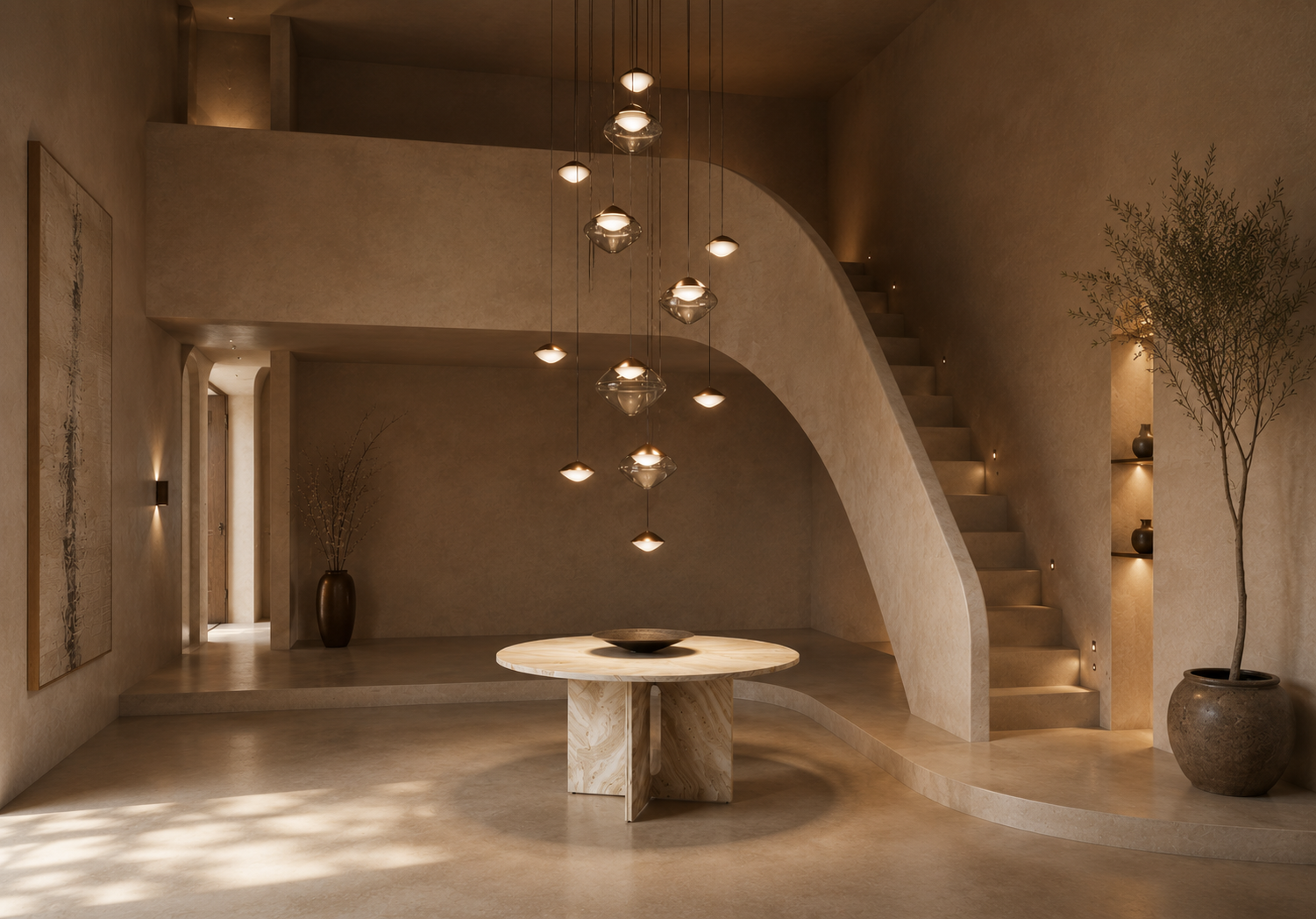
Most homeowners notice furniture before they notice lighting. A beautiful sofa, a marble coffee table or a carefully chosen artwork naturally attracts attention because these elements are visually dominant. Yet the overall feeling of a room is often shaped by something less obvious. Ambient lighting influences how every object, material and surface is experienced, which is why two homes with similar furniture can feel completely different once the sun goes down.
The importance of ambient lighting becomes particularly clear during the evening. During the day, natural light does much of the work. Windows introduce brightness, shadows create depth and rooms often feel visually balanced without much effort. After sunset, however, artificial lighting becomes responsible for the atmosphere of the entire home. This is the moment when good lighting design begins to separate memorable interiors from ordinary ones.
Many people assume ambient lighting simply means dim lighting or warm lighting. In reality, ambient lighting is the foundational layer of illumination within a room. It provides overall brightness while creating a comfortable visual environment. Good ambient lighting helps interiors feel relaxed and welcoming without drawing attention to itself. Its purpose is not to become the focal point of the room but to support everything else within it.
This is one reason layered lighting has become increasingly important in contemporary interiors. Rather than relying entirely on ceiling fixtures, designers combine different sources of illumination to create depth and balance. Ambient lighting works alongside decorative lighting, accent lighting and indirect illumination to create a richer experience. The result is an interior that feels softer and more visually sophisticated throughout the day and evening.
Luxury hospitality interiors demonstrate this principle exceptionally well. Hotels rarely depend on a single lighting source because they understand how strongly lighting influences comfort. Instead, they layer multiple forms of illumination to create warmth, intimacy and visual calmness. Guests may never consciously analyse the lighting scheme, but they respond to it emotionally. This same approach is now becoming increasingly common within luxury residences and contemporary apartments.
Ambient lighting also plays an important role in balancing modern architectural materials. Contemporary homes frequently feature marble, glass, metal finishes and clean-lined design. While these materials create elegance and sophistication, they can sometimes feel visually cold if lighting is not handled carefully. Soft ambient illumination introduces warmth and comfort, allowing these materials to feel more welcoming without compromising their contemporary character.
Decorative lighting contributes significantly to this atmosphere. Pendant lights, floor lamps, wall fixtures and table lamps do much more than provide illumination. They create smaller layers of light throughout the room, helping different areas feel connected while adding visual depth. This layered approach creates a more relaxed environment compared to relying exclusively on bright overhead lighting.
Another reason ambient lighting matters is its ability to influence behaviour. Living rooms feel more inviting when illumination is softer and distributed throughout the space. Dining areas become more intimate. Bedrooms support relaxation more effectively. Even entrance foyers feel more welcoming when lighting is layered thoughtfully. The emotional experience of a home changes considerably when lighting is treated as part of interior styling rather than simply a technical requirement.
The growing popularity of ambient lighting reflects a larger shift within luxury interiors. Homeowners today are increasingly interested in creating spaces that support wellbeing, comfort and everyday living. Luxury is no longer defined only by expensive materials or statement furniture. It is increasingly defined by atmosphere, emotional comfort and how a home makes people feel.
Ambient lighting sits at the centre of that transformation. While it rarely attracts attention in the same way as furniture or architecture, it influences every aspect of the interior experience. As contemporary homes continue evolving towards more layered and emotionally intelligent design, ambient lighting will remain one of the most important foundations of successful interior styling.
Explore decorative lighting for contemporary interiors:
AUTHOR BIO
Navin Kanodia is a luxury interior stylist specialising in decorative lighting, spatial composition and contemporary interior styling for modern Indian homes. His work focuses on creating emotionally balanced interiors through thoughtful layering, lighting design and curated decorative elements.